
We are 21 days into November and NaNoWriMo. To this point, we have been writing a story around our hero. We have an idea of what they must overcome, but it may not be fully formed just yet.
 Who is the enemy, the true architect of that conflict? At this point, we may have a name, but who are they really?
It’s time to consider the opposition. Every hero needs an adversary, the evil that can take many forms. The evil that must be surmounted will be different in every story because it is up to you.
In some stories, an enemy is someone who stands in the protagonist’s way, blocking them from achieving their goal.
Other times, self-deceptions and inner conflicts frustrate the protagonist. After all, we’re usually our own worst enemy.
In this scene from my 2020 novel, Julian Lackland, Huw and Jack have cornered Beau, voicing their concerns about Lackland’s ability to continue as King Henri’s Lord Commander:
Huw refused to let go of his animosity. “It has to be Lackland then, but he’d better have all his wits about him. If anything happens to Culyn because Lackland has lost his mind, I’ll never forgive you.”
“God! You honestly believe I’m stupid.” Despite his anger, Beau kept his voice low. “There’s no reasoning with you. You’re convinced I’m besotted and Julian is barking mad. Get out of my way! I feel like hurting you.” He pushed past Huw, saying, “Go home, since you have so little faith in me.” He opened the door, intending to leave.
“Beau,” Jack’s quiet voice called after him. “Come back. Let’s bury this now. I wanted to hear what you had to say because I’m a father. I worry about my boys.” [1]
The great enemy that Julian Lackland faces is his internal conflict and how his subsequent breakdown affects the people who love him.
If the enemy is a person, they always believe they are the heroes. In your story, what are their justifications for that belief?
When we create an antagonist, we take what is negative about a character and take it one step further, hiding it behind a lie.
This is where I like to get wordy: first, we assign the enemy a noun that tells us who they think they are: Good.
Once we know why they think they are the heroes, we assign them the noun that says who the protagonist believes they are: Evil.
The antagonist in a current work in progress is Coran. He is a complicated character. His story begins in abject poverty. Through his desire to climb out of that abyss at any cost, it will end tragically.
To further complicate life for our hero, we can go two routes when creating the antagonist. One way is to allow one of the characters to make choices that ultimately harm them, which is how I am going with Coran, allowing him to gradually become the visible antagonist.
Another way is to take the negative that is directed outward and turn it into an inner demon, which I did in the previous book of this series with my protagonist, Ivan. He had two enemies to fight, one was someone he loved but was forced to reject, and the other was himself.
This time, Ivan and Kai share an inner enemy—the deep desire to return home to their children and the growing fear that it won’t happen.
 In other stories, there is the nebulous antagonist. This could be the faceless behemoth of corporate greed, characterized by one or two representatives who may be portrayed as caricatures. In some cyberpunk tales, the antagonists tend to be goons-in-suits. In hard sci-fi, they might be members of the military or scientists. Andy Weir in The Martian made the planet of Mars the antagonist.
In fantasy, the nebulous antagonist might be a powerful queen/king or sorcerer whose forces/minions the protagonist must defeat. The mind behind the conflict is a person they might not actually meet. How the protagonist reacts internally to the threat posed by the machinations of those distant antagonists is the story.
Emotion makes the risk feel genuine to the reader, gives it life. To show great evil in genre fiction, we take that which is negative to an extreme and show the emotion of that experience.
I should say that while I do write some dark scenes, I don’t write horror, so I can’t speak to that, exactly. However, I can speak to the perception of corruption, and the evil humans are capable of that sometimes horrifies us.
For a reader, perception and imagination are everything. As children, what we infer from the visible evidence in a dark room after the lights have been turned out can be terrifying.
The formless monster that lurks in the corner terrifies us until we discover the truth—it is only several toys piled there and never put away.
As adults, what we infer from the visible evidence in a dark story can be equally terrifying. Thus, you can write dark scenes but don’t have to be utterly graphic.
No matter how right the cause, war is an evil that is difficult to make sympathetic and shouldn’t be. But sometimes, war, a faceless blob of evil, is the right villain for the narrative.
What single word (and its synonyms) can characterize our antagonist? An example is the word perversion. We tend to think of it as referring only to sexual deviancy, but it has many meanings and uses. Its synonyms are corruption, corruptness, debasement, debauchery, decadence, decadency, degeneracy, distortion.
We view the antagonist through the protagonist’s eyes, so coloring the enemy with a perception of perversion (distortion, corruption) drives home the evil they represent.
Someone—and I wish I could remember who—said a few years ago in a seminar that the author is the character’s attorney, not their judge.
This is an important distinction. Credible villains become evil for sympathetic reasons. They care intensely, obsessively about something or someone. It is our job to make those deeply held justifications the driving force behind their story.
 A true villain is motivated, logical in their reasoning, and is utterly convinced of their moral high ground. They are creatures of emotion and have a backstory. As the author and their lawyer, you must know what their narrative is if you want to increase the risk for the protagonist.
As always, the reader doesn’t need to wade through an info dump, but you, the author, need to know those details. Having this backstory to draw on will make your characters easier to flesh out.
But more importantly, you will know what is at stake for your antagonist and how much they are willing to sacrifice for it.
And every word you write detailing the enemy’s background and view of themselves counts toward your goal of 50,000 words by November 30th.
Credits and Attributions:
[1] Quote from Julian Lackland, by Connie J. Jasperson, © 2020 Myrddin Publishing Group. Used by permission.
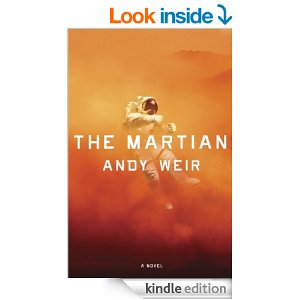 Andy Weir is genuinely a nice person and is the best example of an inadvertent teacher that I’ve ever seen. This interview is a brilliant seminar on how to research and plot a book. He writes hard sci-fi with a heart, but the principles of creation are the same for any genre.
 TED Talks
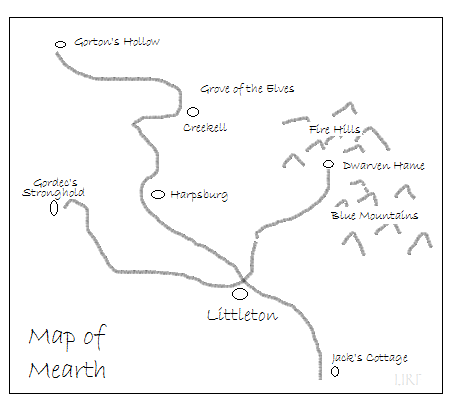 MAPS: If you are writing a story set in our real world, your characters will be traveling in places that exist in reality. You want to write the landmarks of a particular city as they should be, so bookmark
  Foreshadowing is integral to a well-plotted story.
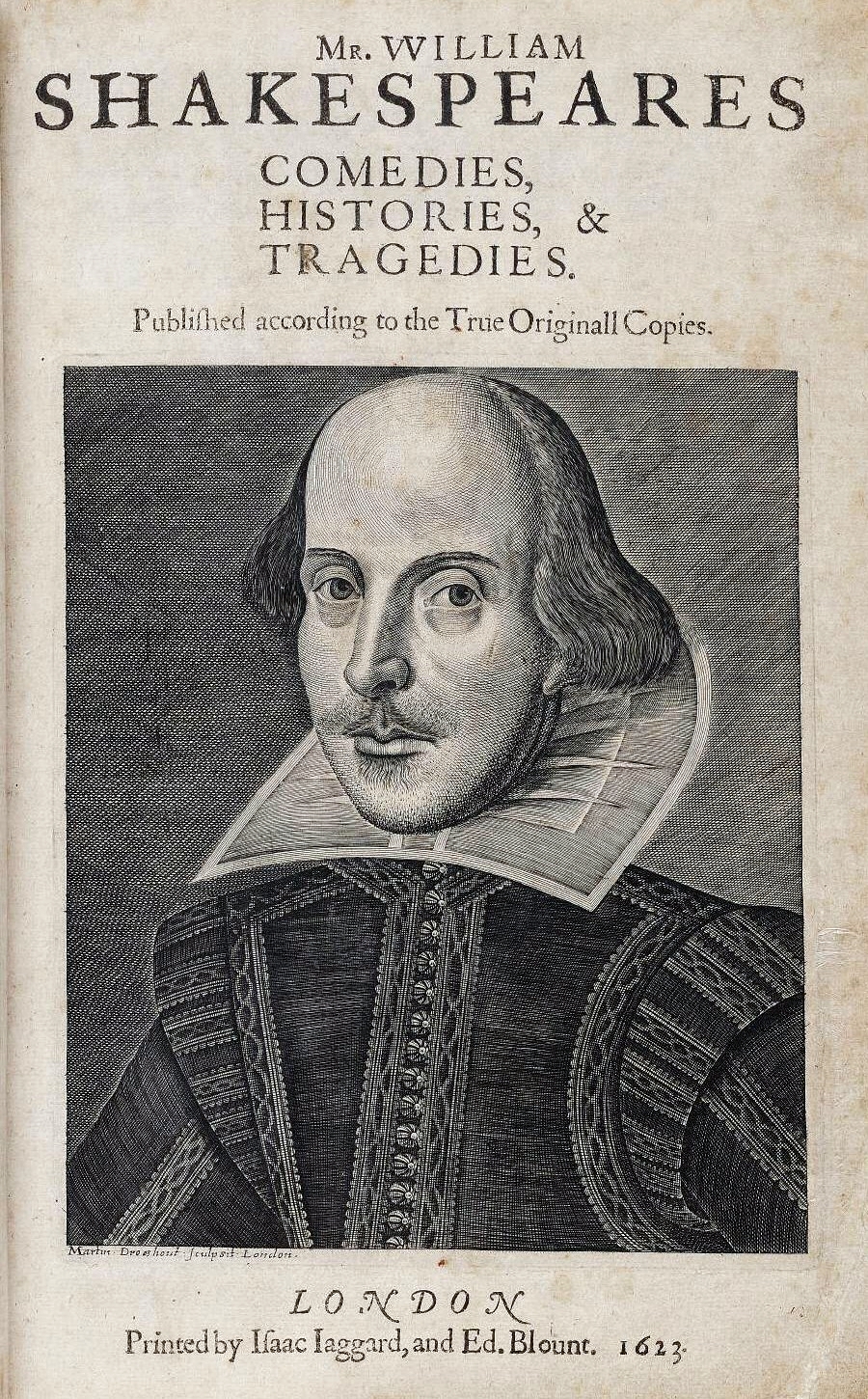
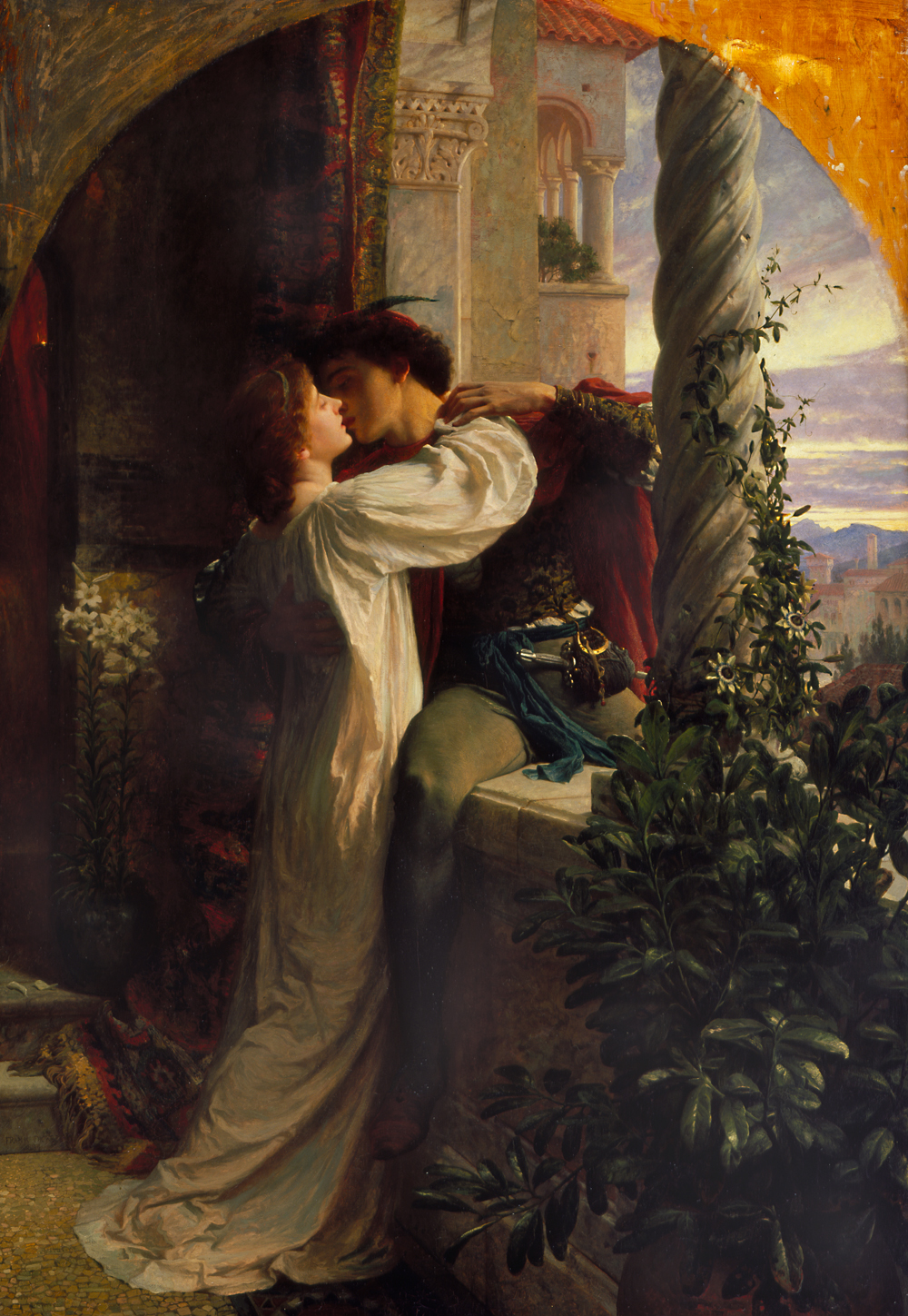 I often refer to the way that Shakespeare used both exposition and foreshadowing. In his works, more significant events are foreshadowed through the smaller events that precede them.
 In that moment, we see that Romeo is deeply aware that he has reached a point of no return.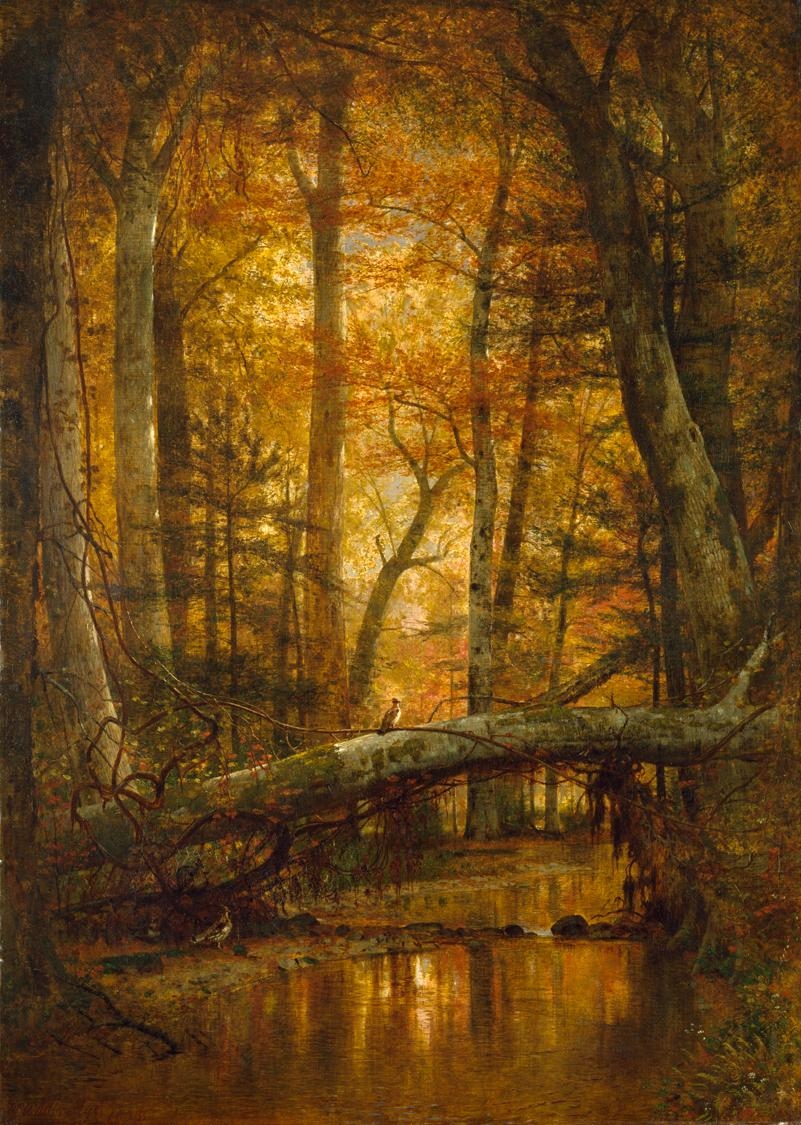
 Once the first draft is a complete novel, I will step away from it for a few weeks and work on other projects. Then when I come back to it, I use the global search (find option) to look for each instance of ‘ly’ words and rewrite those sentences to make them active.
 Synonyms for ominous that we could use: baleful, dire, direful, foreboding, ill, ill-boding, inauspicious, menacing, portentous, sinister, threatening.
 If you are writing any kind of genre work, the best way to use your descriptors is to find the word that conveys the atmosphere you want with the most force. That word will help you visualize the scene and enable your ability to spew the story.
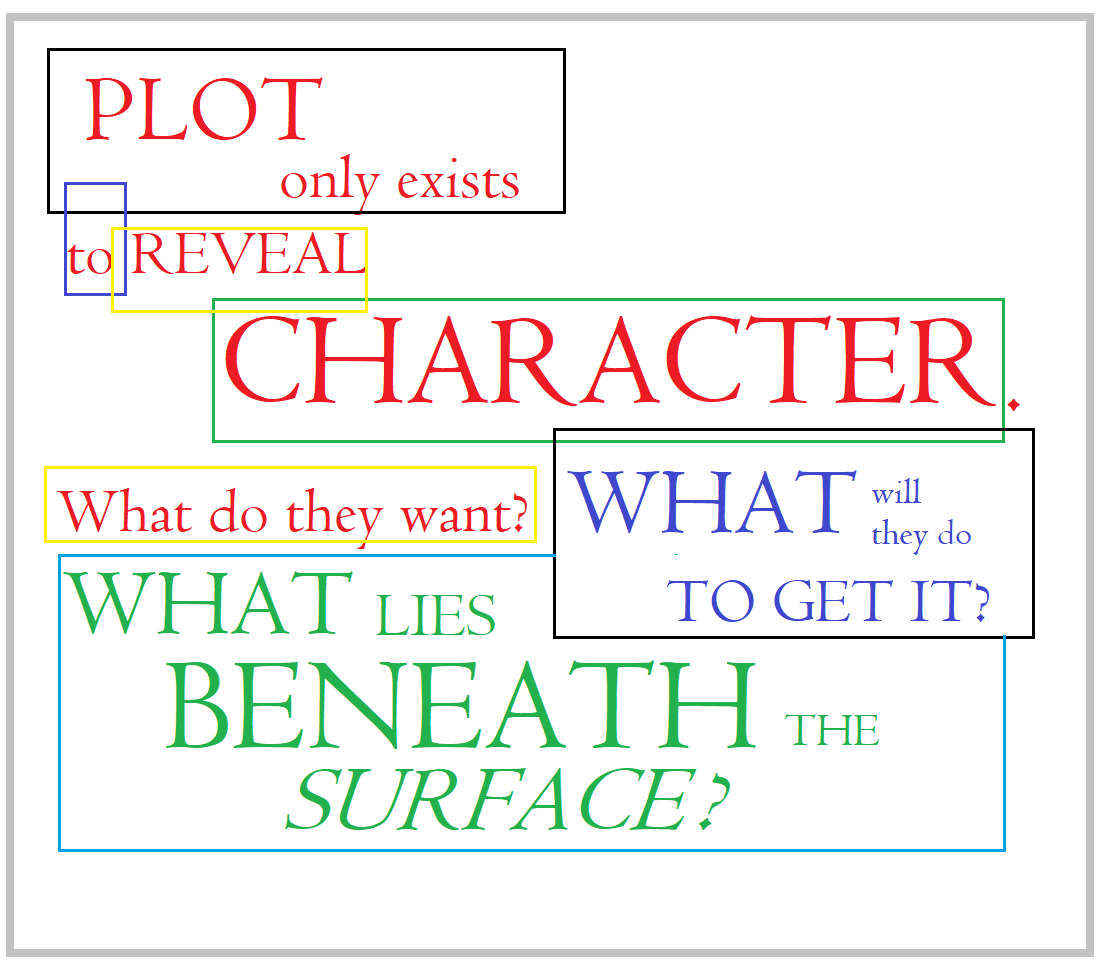 The emergence of these traits is exciting, fueling the passion they have for their stories.
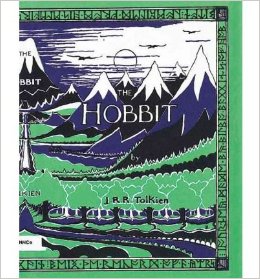 Bilbo’s sudden irrational decision to accept the task of Burglar sets him on a path that becomes a personal pilgrimage, a search for the courage he always possessed but had never needed.
 In one of my current works in progress, my protagonist is a soldier of the Bull God’s world of Serende, an enemy sworn to conquer the goddess’s world of Neveyah. He undergoes a religious conversion, and his story takes him on a physical and spiritual journey.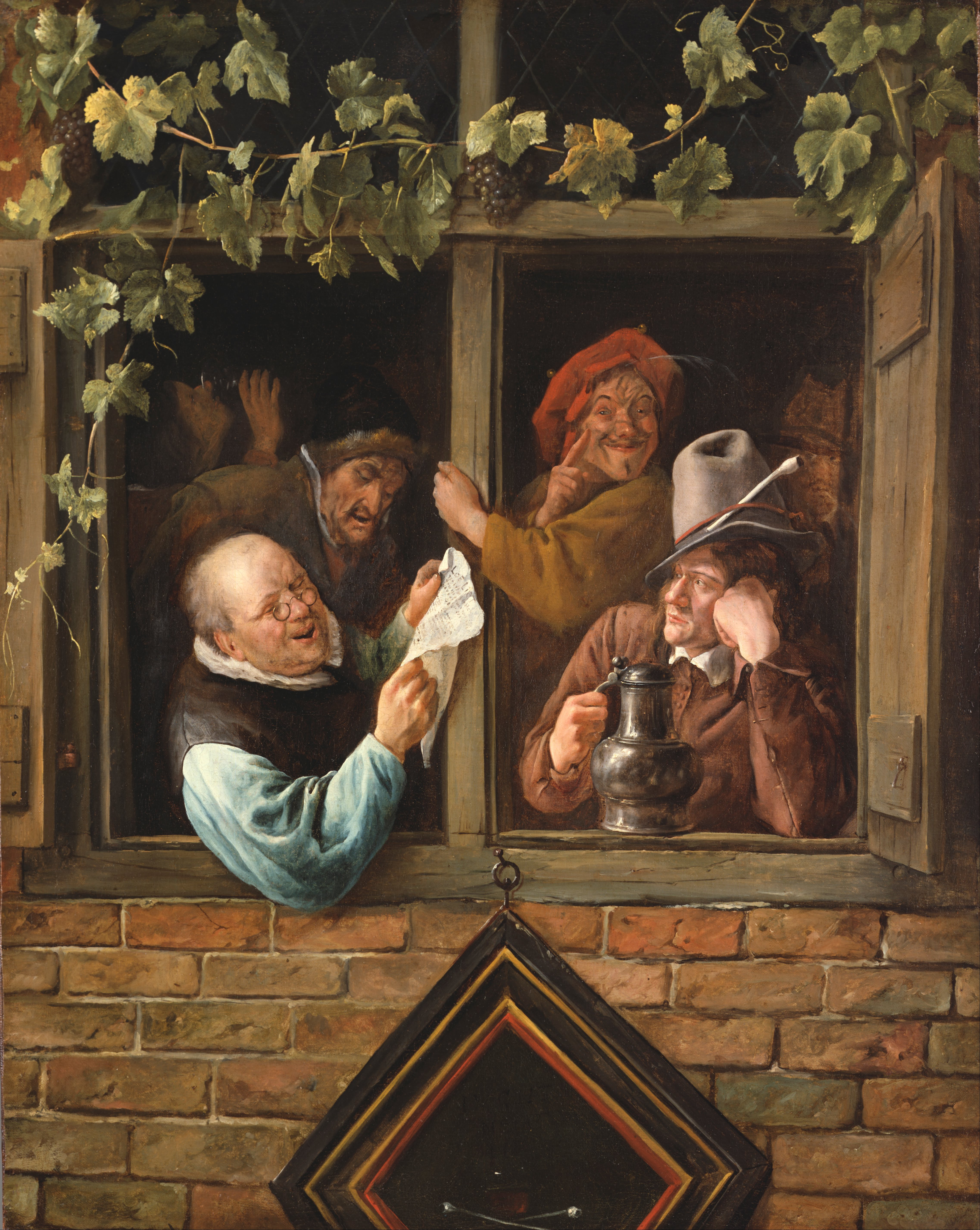
 Where was I? Oh, yes. Today (Wednesday) is the third day of NaNoWriMo2021. I am managing to get all the clerical work for my region done and keep a path cleared through my home. Monitoring the Discord channel for my region has been a bit distracting. However, I still have the time to get a respectable amount of work done on my new book.
 This method involves hopping around in the story arc, but it works for me. I have a master file already with the storyboard in it. Today, I began writing each scene as a short story, labeling the file with a title like FoR_pub_scene_at_Linniston (Fires of Redemption, pub scene at Linniston). The title tells me where this scene will fit in the story arc. Everything will go into the master file in my writing folder and be saved to Dropbox. I’m starting with this one, as it introduces everyone.
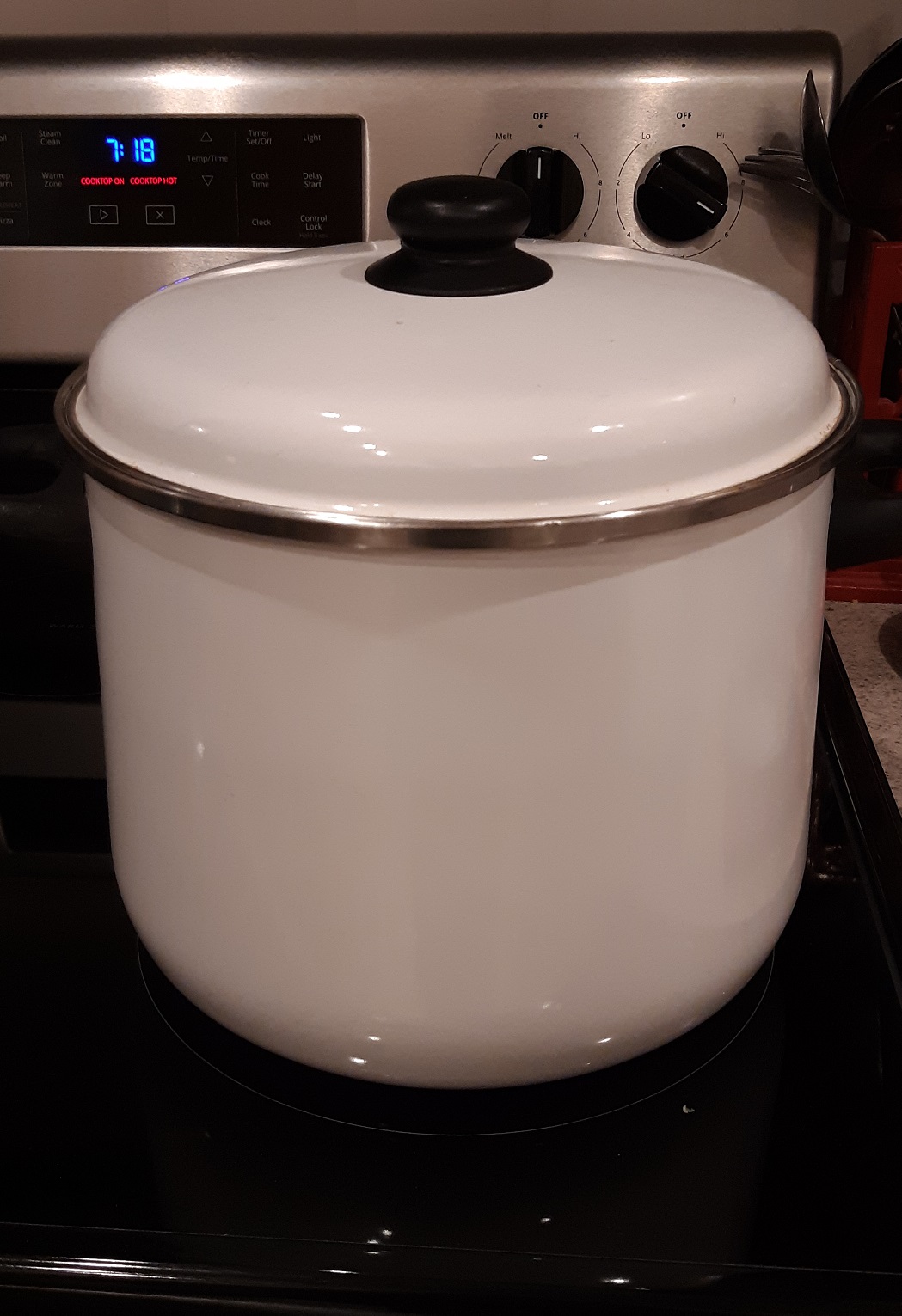 This will be one of the more challenging years for me, as life is throwing roadblocks in my path. A water pipe has broken beneath our master bedroom closet, and two weeks on, we are still waiting for a plumber. In the meantime, we have no hot water, but we do have cold still flowing, so we aren’t hurting too badly. I make hot water with the spaghetti boiler on my stove and feel glad we aren’t hauling it here from the creek.
 That was a week ago. We’ve been waiting for the plumber for two weeks, but a light is on the horizon. Hope looms, and an appointment for tomorrow has finally been confirmed.


 Life in the Realm of Fantasy

