
When I get into revisions, I often find my characters seem two-dimensional. Certain passages stand out because the characters have life, an intensity that feels palpable.
Others, not so much.
 I aspire to write like my heroes, authors who create characters who come alive. While I’m in that world, I see the people and their stories as sharply as the author intends.
Some of my work manages to find that happy place, but other passages feel flat, lacking spark. That is where I look at contrast – polarity. When I use polarity well, my narrative makes my editor happy.
I know I say this regularly, but word choice matters. How I choose to phrase a passage can make an immersive experience or throw the reader out of the book. Sometimes I am more successful than other times.
My goal is to make vivid sensory images for my readers, but not one that is hyper-dramatic and overblown. Subtlety in contrasts is as essential as painting a scene with sweeping polarities. They both add to the texture of the narrative but must be balanced for optimal pacing.
Poets understand and use polarity. John Keats used both polarities and similes in his work. The last stanza of To Autumn begins with this line:
“Or sinking as the light wind lives or dies;”
We see one obvious polarity in that line, and also a sneaky one:
- Lives or dies is a clear polarity.
- Sinking implies heaviness, and Keats contrasted it with light wind, a less weighty, gentler sensory experience, the opposite of the weight of sinking.
 Polarity gives the important elements strength. It provides texture but often goes unnoticed while it influences a reader’s perception.
The theme is the backbone of your story, a thread that binds the disparate parts together. Great themes are often polarized: good vs. evil or love vs. hate.
Think about the theme we call the circle of life. This epic concept explores birth, growth, degeneration, and death. Within that larger motif, we find opportunities to emphasize our subthemes.
For example, young vs. old is a common polarized theme with many opportunities for conflict. Both sides of this age-old conflict tend to be arrogant and sure of their position in each skirmish.
Wealth vs. poverty allows an author to delve into social issues and inequities. This polarity has great potential for conflict, which creates a deeper narrative.
In my current outline, I seek to see beyond the obvious. I am searching for the smaller, more subtle contrasts to instill into my work. My intention is that these minor conflicts and hindrances will build toward each major plot point and support the central theme and add texture to the narrative.
This outline is evolving into a mystery. The main character is a peacekeeper who must solve it. To that end, I am inserting clues into the outline, guideposts for when I begin the first draft. On the line that details the plot arc for each chapter, some of those words will have antonym’s listed beside them, opportunities for roadblocks.
The theme of justice looms large in this novel. Hopefully, I can make this plot worthy of the characters I’ve created and who stand ready for NaNoWriMo.
Contrast is the fertile soil from which conflict grows. It can make protagonists more interesting, and in worldbuilding, it underscores the larger theme with less exposition.
Contrasts within the narrative shape the pacing of the action, as ease is contrasted against difficulty. In my projected piece, justice as a theme allows for many contrasts. Justice only exists because of injustice.
Polarity is a sneaky way for each word’s many nuances to raise or lower the tension in a scene.
Let’s look at the word cowardice. Cowardice is a gut reaction to fear. In real life, cowardice is often exhibited as a habitual evasion of the truth or as an avoidance mechanism.
It can be shown in an act as mild as a fib told for fear of hurting someone’s feelings. Or it can be as epic as an act of treason committed for fear of a political change in a direction the character finds untenable.
Bravery can be as small as a person facing a silly fear or as thrilling as a responder entering a burning building to rescue a victim.
I like stories with protagonists who contrast acts of bravery with small acts of cowardice. It adds texture to their otherwise perfect personalities and subtly powers their character arcs.
In all its many forms, polarity is a catalyst—the substance that enables a chemical reaction to proceed at a faster rate. In this case, the reactions we’re trying to speed up are the emotions of the reader.
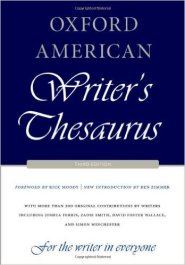
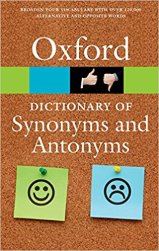
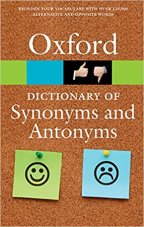 I use the Oxford Dictionary of Synonyms and Antonyms. This book is as essential to my writing as my copies of Damon Suede’s Activate and the Oxford Writer’s Thesaurus.
Here is a sample of words found in the “D” section of the Oxford Dictionary of Synonyms and Antonyms. I’ve posted this list of opposites before because they create powerful mental images:
- dangerous – safe
- dark – light
- decline – accept
- deep – shallow
- definite – indefinite
- demand – supply
- despair – hope
- discourage – encourage
- dreary – cheerful
- dull – bright, shiny
- dusk – dawn
In short, by employing polarities in our word selections, we add dimension and rhythm to our work. Polarity is an essential tool for both character creation and worldbuilding.
Often you can find great reference books second-hand, which will save you some cash. But even at full price, the books I referenced above are good investments.
However, we’re all cash-strapped these days, so a comprehensive list of common antonyms can be found at Enchanted Learning. Their website is a free resource.
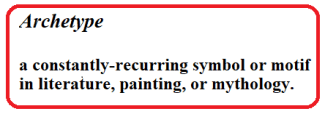
 Why do I say such a terrible thing? It’s true. All stories are derived from a few basic plots, and we have only so many words in the English language with which to tell them.
 Overcoming the monster
 For that reason, I have the
  Noisy
Noisy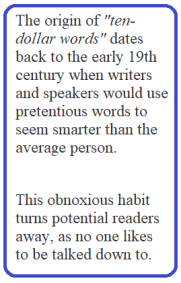 My Texan editor refers to those convoluted morsels of madness as “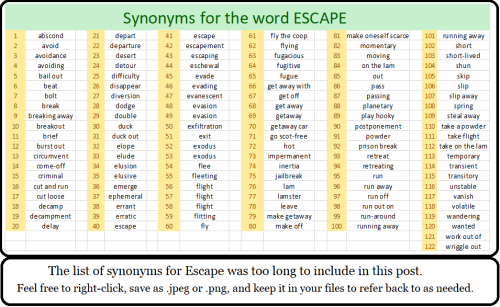
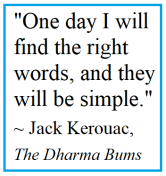 Even if you have an MFA degree, you could spend a lifetime learning the craft and never learn all there is to know about the subject. We join writing groups, buy books, and most importantly, read. We analyze what we have read and figure out what we liked or disliked about it. Then, we try to apply what we learned to our work.
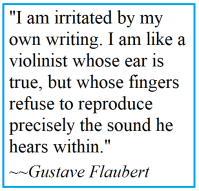 You have just spent the last year or more combing through your novel. This is another example of silly advice that doesn’t consider how complex and involved the process of getting a book written and published is. I love writing, but when you have been working on a story through five drafts, it can be hard to get excited about making one more trip through it, looking for typos.
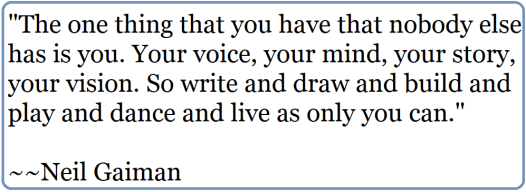 When we first embark on learning this craft, we latch onto handy, easy-to-remember mantras because we want to educate ourselves. Unless we’re fortunate enough to have a formal education in the art of writing, we who are just beginning must rely on the internet and handy self-help guides.
 We can easily bludgeon our work to death in our effort to fit our square work into round holes. In the process of trying to obey all the rules, every bit of creativity is shaved off the corners. A great story with immense possibilities becomes boring and difficult to read. As an avid reader and reviewer, I see this all too often.
 However, (cue the danger theme music), once I have set it aside for a while, I will have to begin the revision process. That is when writing becomes work. This is the moment I discover the child of my heart isn’t perfect – my action scenes are a little … confusing.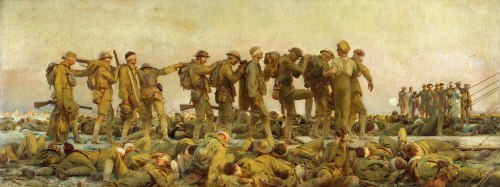
 What motivated the action?
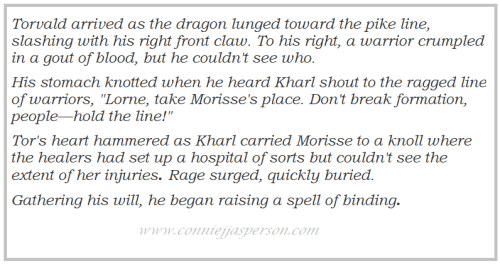
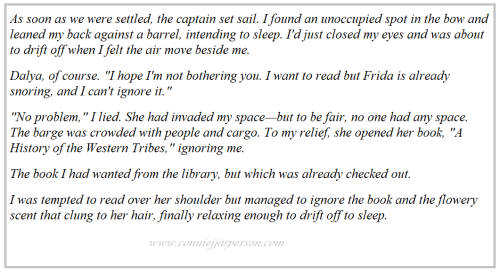
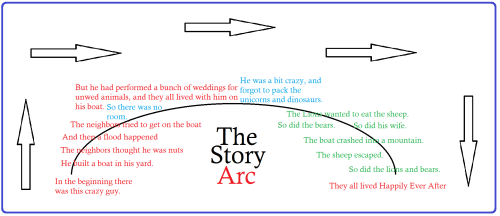
 We add the details when we begin the revision process. One of the elements we look for in our narrative is pacing, or how the story flows from the opening scene to the final pages.
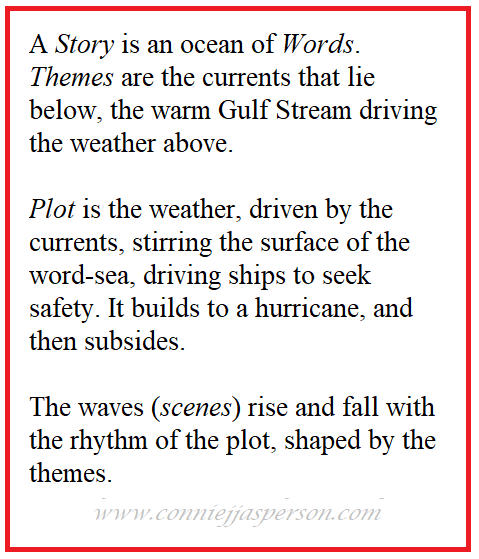 This string of scenes is like the ocean. It has a kind of rhythm, a wave action we call pacing. Pacing is created by the way an author links actions and events, stitching them together with quieter scenes: transitions.
 Internal monologues should humanize our characters and show them as clueless about their flaws and strengths. It should even show they are ignorant of their deepest fears and don’t know how to achieve their goals. With that said, we must avoid “head-hopping.” The best way to avoid confusion is to give a new chapter to each point-of-view character. Head-hopping occurs when an author describes the thoughts of two point-of-view characters within a single scene.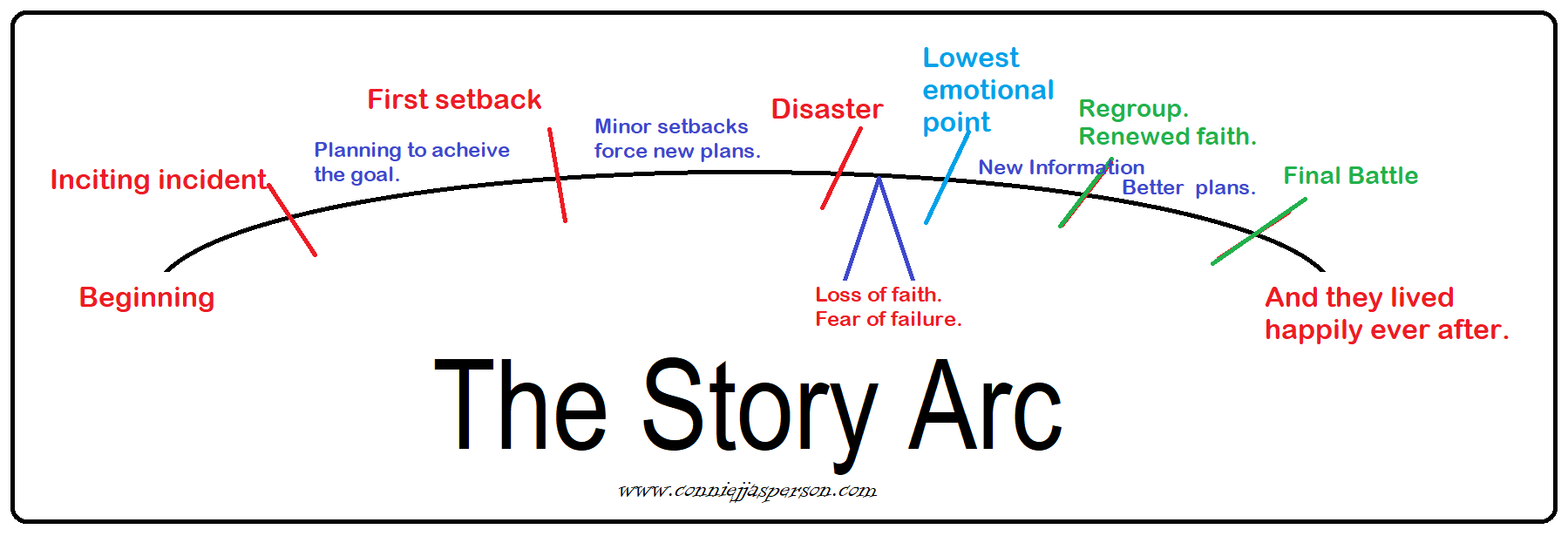
 Regardless of your publishing path, you must budget for certain things. You can’t expect your royalties to pay for them early in your career – and many award-winning authors must still work at their day jobs to pay their bills.
 Conferences are an extension of the self-education process. I have discovered so much about the craft of writing, the genres I write in, and the publishing industry as a whole—things I could only learn from other authors. I gained an extended professional network by joining
 Sometimes I am invited to participate in panels or offer a workshop, and I can share my experiences with others. Either way, I learn things. In September, I will be on a panel with
  Time interests me because I mostly write fantasy, although I write contemporary short fiction and poetry. Fantasy, and all speculative fiction, relies heavily on worldbuilding, and managing time is a facet of that skill.
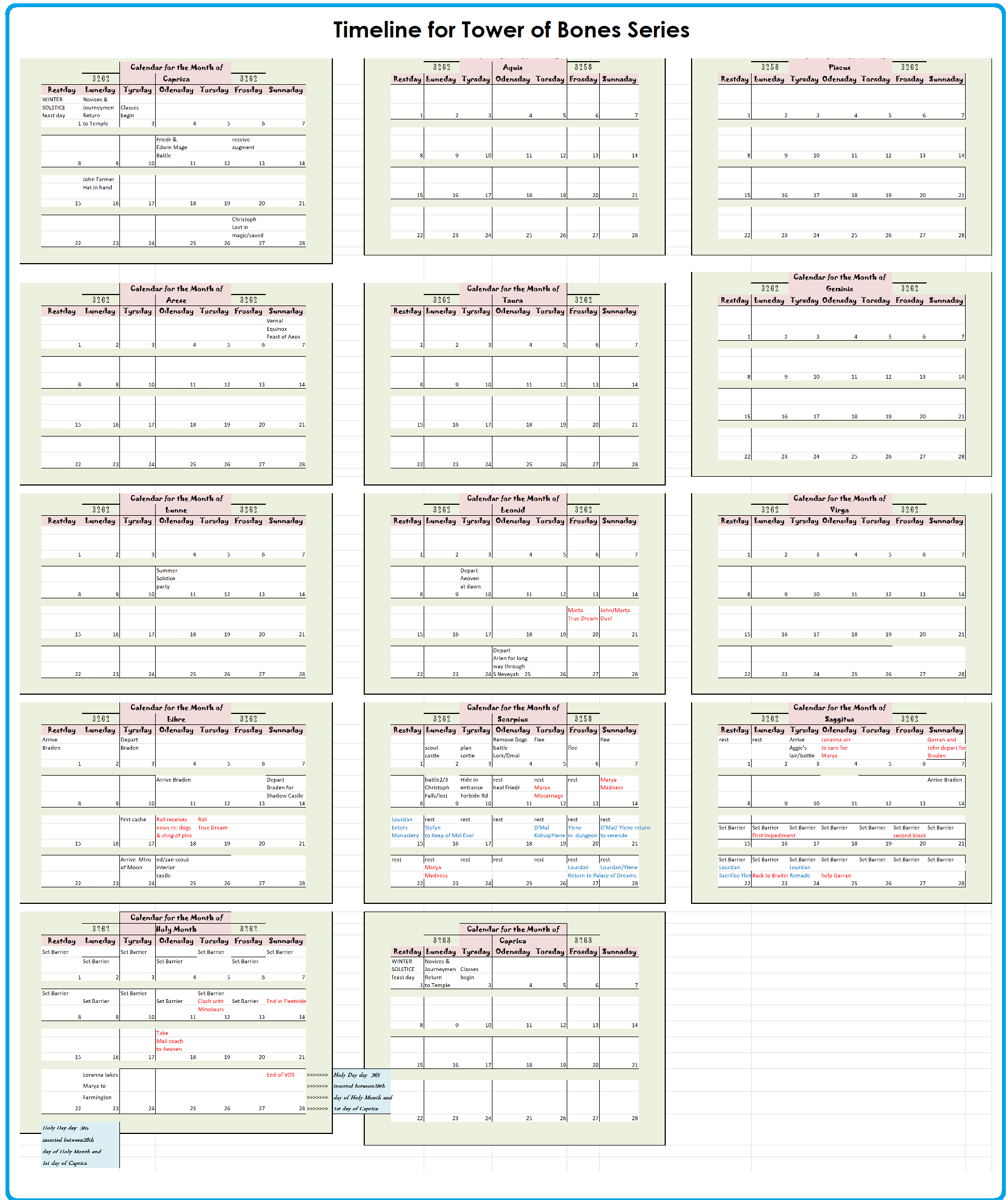 HERE is where I confess my great regret: in 2008, a lunar calendar seemed like a good thing while creating my first world.
 In an even worse bout of predictability, I went with the names we currently use when I named the days, only I twisted them a bit and gave them the actual Norse god’s name. (The gods and goddesses of Neveyah are not Norse.)
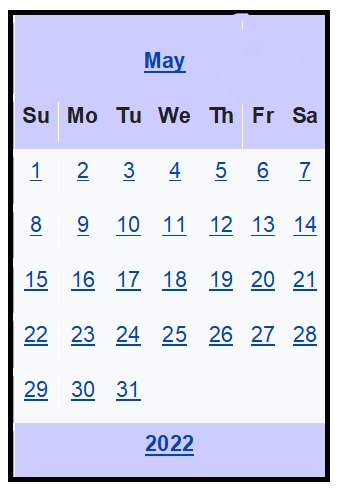 I LEARNED from my mistakes – the timeline for the Billy’s Revenge 3-book series, Huw the Bard, Billy Ninefingers, and Julian Lackland, uses the familiar calendar we use today.
 However, we can learn a great deal from books embodying poorly executed plots and badly scripted dialogue.
 The first books of the series establish a science of magic. One can either use chaotic magic or ordered magic. Although some mages can only use one side or the other, the most powerful mages can manipulate both sides of the magic. The entire series explores this concept well. It is a well-planned magic system, with good rules.
 Structurally, the books in this subseries feel like he knew how to end it but struggled to fill in the arc. Past events and conversations get repeated verbatim to every new character. Long passages of remembering and agonizing over what is done and dusted fluffs up the narrative.
 To me, book 21 reads as if (while books 19 and 20 were in the publishing gauntlet) he still had to fluff up the ending to make book 21 long enough to be considered a novel. The evidence of a lack of genuine inspiration is the absurd “scar” the protagonist is left with after winning an unbelievable victory and nearly dying.
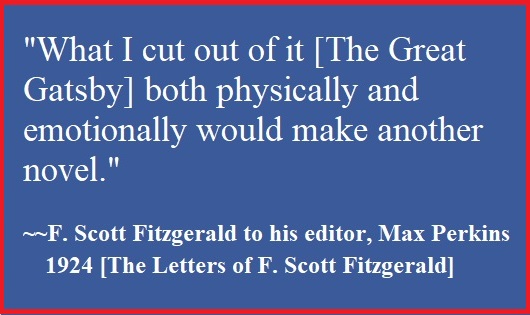 Everyone, even your favorite author, writes a stinker now and then.
  When I am finished with the revisions, I will format my manuscript as both ebooks and paper books. At that point, I will be looking for proofreaders.
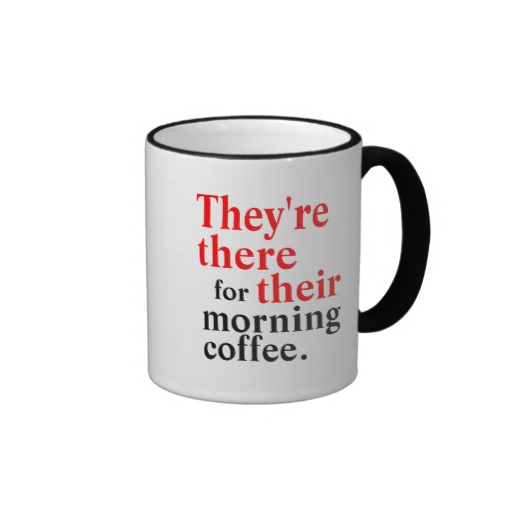 If you didn’t see it when I mentioned it above, I will repeat it: proofreading is not editing. We discussed self-editing in my previous post,
 Repeated words and cut-and-paste errors. These happen when making revisions, even by the most meticulous of authors. The editor won’t see any mistakes you introduce after they have completed their work on the manuscript.
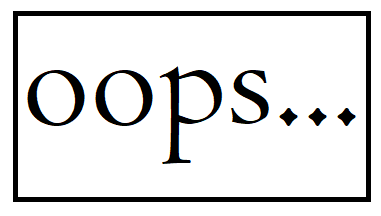 Unfortunately, my last book went live when I thought I was ordering a pre-publication proof.
 Our stories take the reader to exotic places and introduce them to other realities. When we publish a book, we hope it will find a reader on the day they were looking for just such an escape.
 I wrote poetry and lyrics for a heavy metal band when I first started out. I was young, sincere, and convinced I had to impart a message with every word. I didn’t know until twenty years later when I came across my old notebook that my poems weren’t honest. Eighteen-year-old me was trying to make a point rather than offering ideas for further thought.
 Children are unimpressed by the fact their parents might write a story or play music or paint or do any of the creative arts.
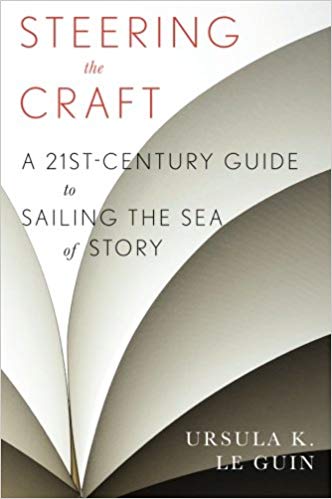 As Ursula K. LeGuin said in her excellent book,
 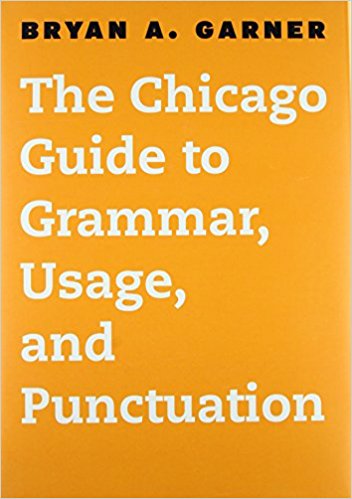 day, should we so desire. Reading is how we come to understand writing and the art of story. Mr. King also admonishes us to learn the fundamentals of punctuation and grammar.
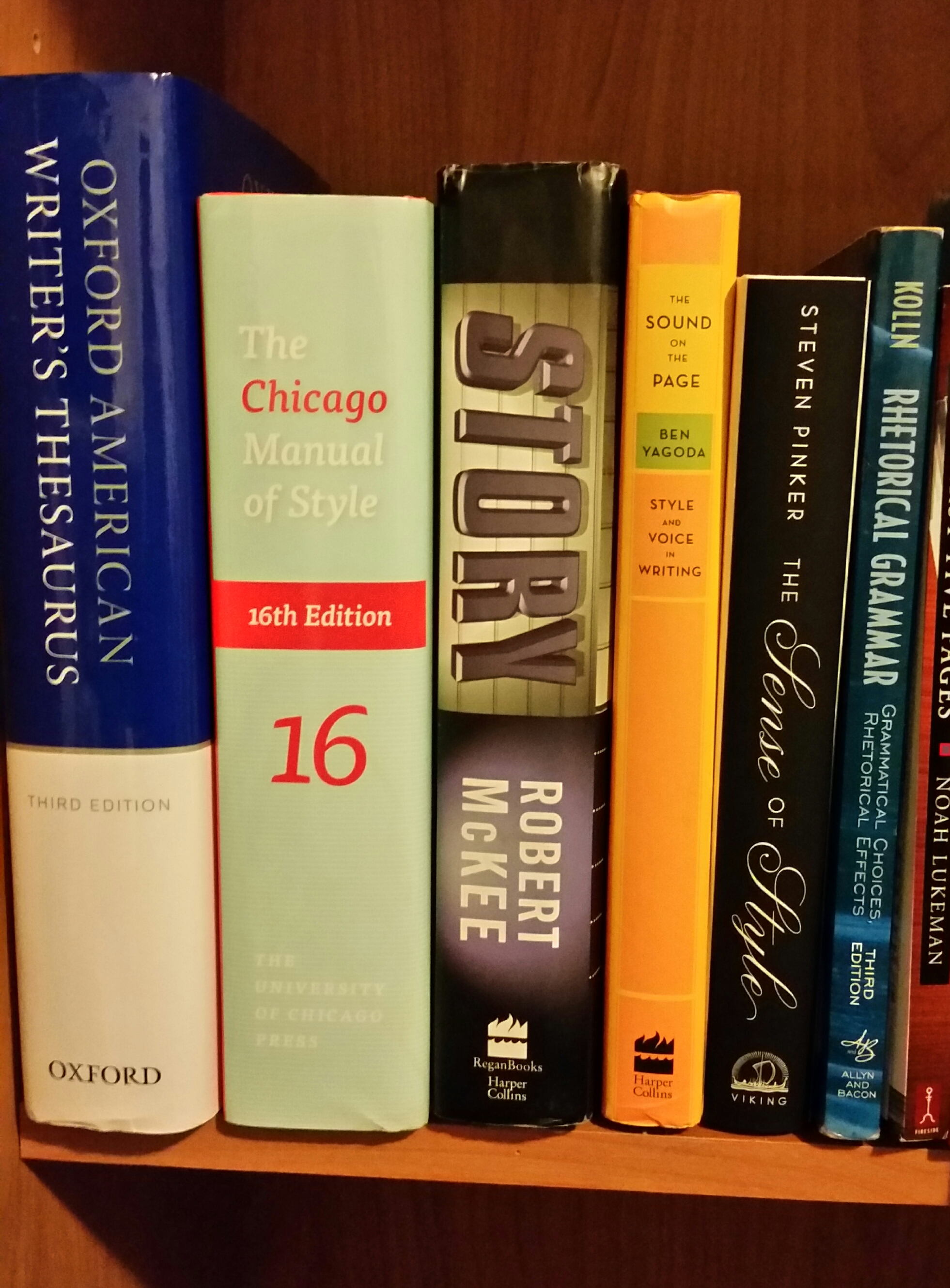
 Every editor will tell you no amount of money is worth the time and effort it would take to teach an author how to write coherent, readable prose. That is what seminars, books on craft, and books on style and grammar are for.
 I want to read an honest story about people who seem real, who have the kind of problems we can all relate to on a human level. I want to read a story that comes from an author’s deepest soul. The setting doesn’t matter—it can be set on Mars or in Africa. Characters matter, and their story matters.


 Life in the Realm of Fantasy