
I love writing action scenes. Even though the first draft is only the foundation of the bigger picture, it is fun to write because of the action and events.
 However, (cue the danger theme music), once I have set it aside for a while, I will have to begin the revision process. That is when writing becomes work. This is the moment I discover the child of my heart isn’t perfect – my action scenes are a little … confusing.
As I mentioned in Monday’s post, Pacing and the Function of the Transition Scene, we don’t worry about the details when we are in the zone and writing the first draft. We just write it as quickly as possible and get the story’s basics down before we forget the good ideas we had while we were at the store.
It’s a little terrifying how many things I find in my early drafts that must be changed to enable a reader to see the story the way I envision it.
I think of a story as being like an ocean. It has a kind of rhythm, a wave action we call pacing. Pacing is created by the way an author links events and transitions. Now we are going to look at how each action scene flows.
Our raw manuscript has a beginning, middle, and ending. We have linked our scenes with transitions, but our manuscript is not ready for a reader. We still need to flesh that skeleton out.
The functions of the action scene are:
- to propel the plot forward,
- to provide stumbling blocks to happiness,
- to force change and growth on the characters.
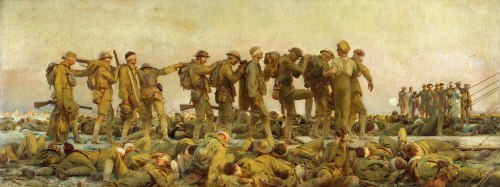
Gassed, by John Singer Sargent, via Wikimedia Commons and Google Art Project, PD|100
Genre fiction has one thing in common regardless of the tropes: characters we can empathize with are thrown into chaos-with-a-plot. Scenes of conflict are crucial to the advancement of the story. They should be inserted into the novel as deliberately as if one were staging a pivotal scene in a film.
Arguments and confrontations in real life are chaotic, leaving us wondering what just happened. We want to convey that sense of chaos in writing, but we must consider the reader. Readers want to see the scene and understand what they just read.
Readers want to see the logic behind a book’s plot. So, we must design every action scene to ensure they fit naturally into a narrative from the first incident onwards.
 What motivated the action?
- Why was the action justified in the character’s mind?
- What could they have done differently?
Clarity is crucial. Threats can’t be nebulous. Whatever you have the characters do, their reasoning, even if it is flawed, must be made clear to the reader at the outset.
Vague threats mean nothing in real life other than causing us to worry about something that will never happen.
I look for info dumps, passive phrasing, and timid words. These telling passages are codes for me, laid down in the first draft. They are signs that a section needs rewriting to make it visual rather than telling. Clunky phrasing and info dumps are signals telling me what I intend that scene to be. I must cut some of the info and allow the reader to use their imagination.

Sir Galahad, by George Frederick Watts, 1888. PD|100
So, did the knowledge our characters and readers require emerge gradually with each action and transition sequence? Did each clue and vital piece of knowledge fall at the right point in the arc of the scene?
Once you understand the ultimate threat to our characters’ survival, you can dole out the necessary information in small increments, teasers to keep the readers reading, and the plot moving along.
Rumors and vague threats should be the harbinger of future events. But they only work if the danger materializes quickly and the roadblocks to happiness soon become apparent.
Resolving disaster is the story. Once the inciting incident has occurred, hold the solution just out of reach for the rest of the narrative until the final confrontation. Every time our protagonists nearly have it fixed, they don’t, and things get worse.
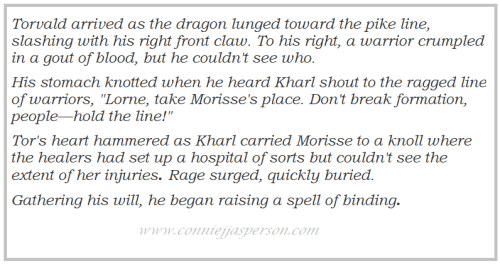
I use a spreadsheet to design action sequences, which takes a little time. You can use any way that works for you, but I suggest you do it on a separate sheet and save it in your outtakes file with a name specifying what that page details. HG_Tor_vs_dragon_.docx (It signifies: High Gate scene, Torvald vs. dragon. I use MS Word, so its file extension is .docx).
When I put action into a scene, I hope the reader doesn’t say, “She wouldn’t do that.” Random gore and violence muddy the story. Nothing should be random; everything must fall into place as if the next event is inevitable based on what has gone before.
The arc of an action scene is like any other: it begins, rises to a peak, and ebbs, ending at a slightly higher point of the story arc than when it started.
Whenever you must write scenes that involve violence, ask yourself these questions:
- Is this scene necessary, or am I desperate? Am I trying to liven up a stagnant story arc?
- What does this scene show about the world my protagonist lives in?
- Will this event fundamentally change my protagonist and affect how they go forward?
- What does this event accomplish that advances the plot toward its conclusion?
- Why was this event unavoidable?
Blood and sex are often featured in the most profoundly moving stories I have read. However, those scenes only worked for me because they occurred for a reason. They were watershed moments in the protagonists’ lives.
Action scenes are not only about violence and chaotic events. They can convey the setting and mood and offer information about relationships without bloated exposition. Scenes of quiet action can change everything and still act as transition scenes.
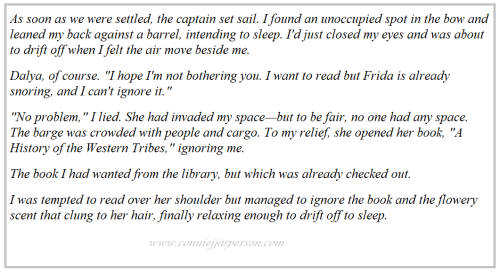
Here we have a character who wants no part of anything remotely hinting at romance. Yet, there is an attraction that must be shown. We have the warning that significant events will occur later, forcing them to work together. However, in the meantime, one character is standoffish.
I get the most mileage from transitions when I make them scenes of action and information, and I have less of a tendency to dump information – my personal curse.
Large, violent events demand a purpose. Scenes of nonviolent action used as transitions can provide the characters and reader with the reasons for that action.
That ebb and flow of upheaval and relative calm that occurs over the arc of the story is pacing.
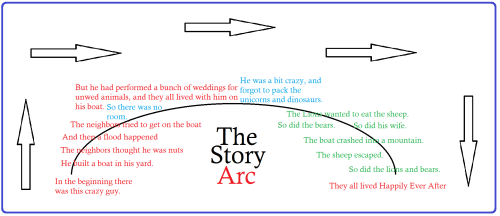
 We add the details when we begin the revision process. One of the elements we look for in our narrative is pacing, or how the story flows from the opening scene to the final pages.
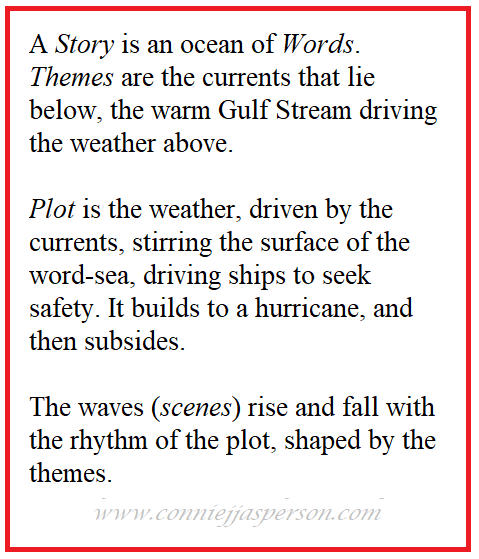 This string of scenes is like the ocean. It has a kind of rhythm, a wave action we call pacing. Pacing is created by the way an author links actions and events, stitching them together with quieter scenes: transitions.
 Internal monologues should humanize our characters and show them as clueless about their flaws and strengths. It should even show they are ignorant of their deepest fears and don’t know how to achieve their goals. With that said, we must avoid “head-hopping.” The best way to avoid confusion is to give a new chapter to each point-of-view character. Head-hopping occurs when an author describes the thoughts of two point-of-view characters within a single scene.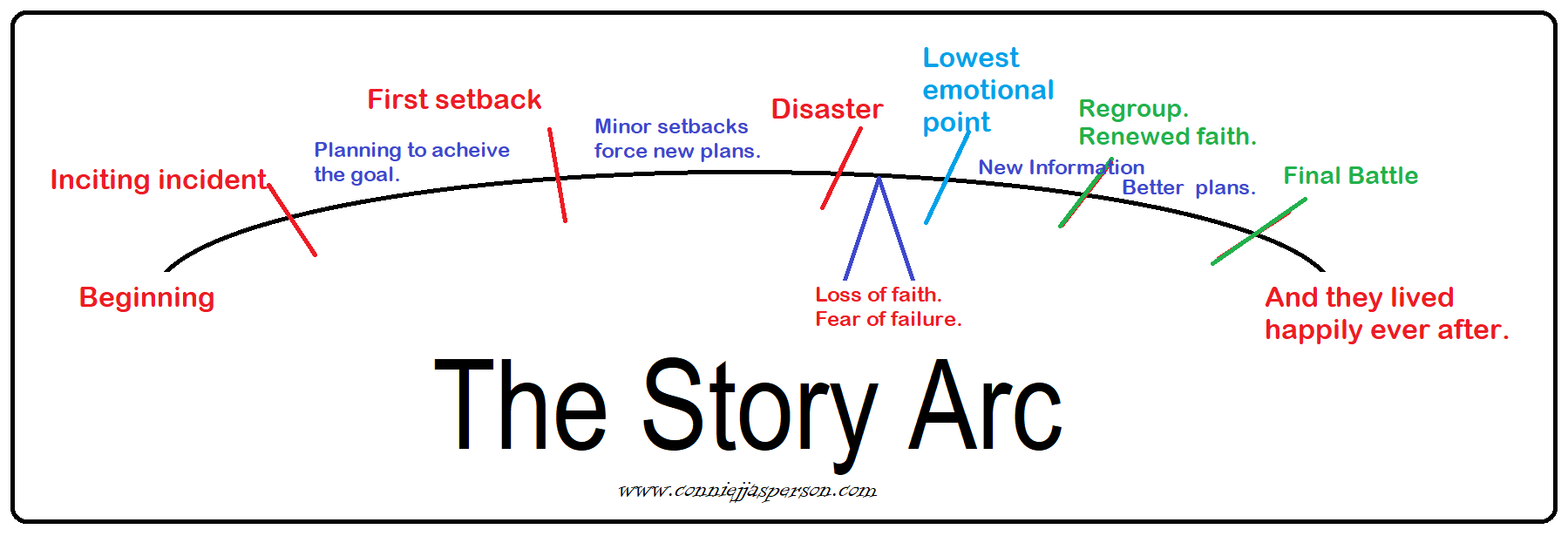
 Regardless of your publishing path, you must budget for certain things. You can’t expect your royalties to pay for them early in your career – and many award-winning authors must still work at their day jobs to pay their bills.
 Conferences are an extension of the self-education process. I have discovered so much about the craft of writing, the genres I write in, and the publishing industry as a whole—things I could only learn from other authors. I gained an extended professional network by joining
 Sometimes I am invited to participate in panels or offer a workshop, and I can share my experiences with others. Either way, I learn things. In September, I will be on a panel with
  Time interests me because I mostly write fantasy, although I write contemporary short fiction and poetry. Fantasy, and all speculative fiction, relies heavily on worldbuilding, and managing time is a facet of that skill.
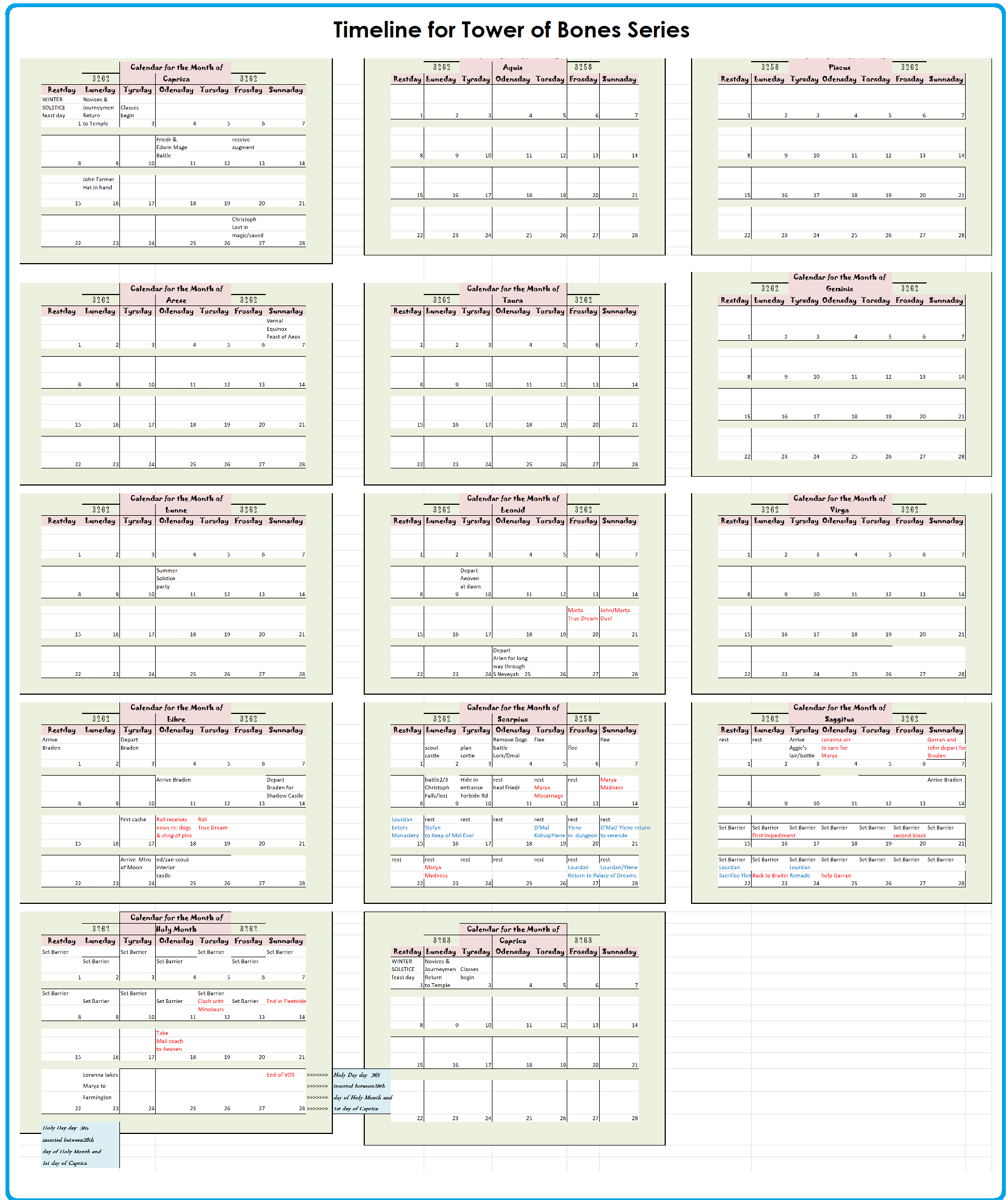 HERE is where I confess my great regret: in 2008, a lunar calendar seemed like a good thing while creating my first world.
 In an even worse bout of predictability, I went with the names we currently use when I named the days, only I twisted them a bit and gave them the actual Norse god’s name. (The gods and goddesses of Neveyah are not Norse.)
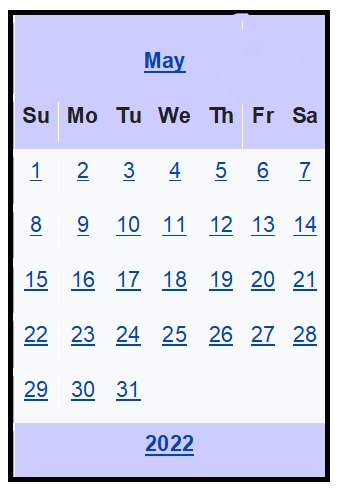 I LEARNED from my mistakes – the timeline for the Billy’s Revenge 3-book series, Huw the Bard, Billy Ninefingers, and Julian Lackland, uses the familiar calendar we use today.
 However, we can learn a great deal from books embodying poorly executed plots and badly scripted dialogue.
 The first books of the series establish a science of magic. One can either use chaotic magic or ordered magic. Although some mages can only use one side or the other, the most powerful mages can manipulate both sides of the magic. The entire series explores this concept well. It is a well-planned magic system, with good rules.
 Structurally, the books in this subseries feel like he knew how to end it but struggled to fill in the arc. Past events and conversations get repeated verbatim to every new character. Long passages of remembering and agonizing over what is done and dusted fluffs up the narrative.
 To me, book 21 reads as if (while books 19 and 20 were in the publishing gauntlet) he still had to fluff up the ending to make book 21 long enough to be considered a novel. The evidence of a lack of genuine inspiration is the absurd “scar” the protagonist is left with after winning an unbelievable victory and nearly dying.
 Everyone, even your favorite author, writes a stinker now and then.
  When I am finished with the revisions, I will format my manuscript as both ebooks and paper books. At that point, I will be looking for proofreaders.
 If you didn’t see it when I mentioned it above, I will repeat it: proofreading is not editing. We discussed self-editing in my previous post,
 Repeated words and cut-and-paste errors. These happen when making revisions, even by the most meticulous of authors. The editor won’t see any mistakes you introduce after they have completed their work on the manuscript.
 Unfortunately, my last book went live when I thought I was ordering a pre-publication proof.
 Our stories take the reader to exotic places and introduce them to other realities. When we publish a book, we hope it will find a reader on the day they were looking for just such an escape.
 I wrote poetry and lyrics for a heavy metal band when I first started out. I was young, sincere, and convinced I had to impart a message with every word. I didn’t know until twenty years later when I came across my old notebook that my poems weren’t honest. Eighteen-year-old me was trying to make a point rather than offering ideas for further thought.
 Children are unimpressed by the fact their parents might write a story or play music or paint or do any of the creative arts.
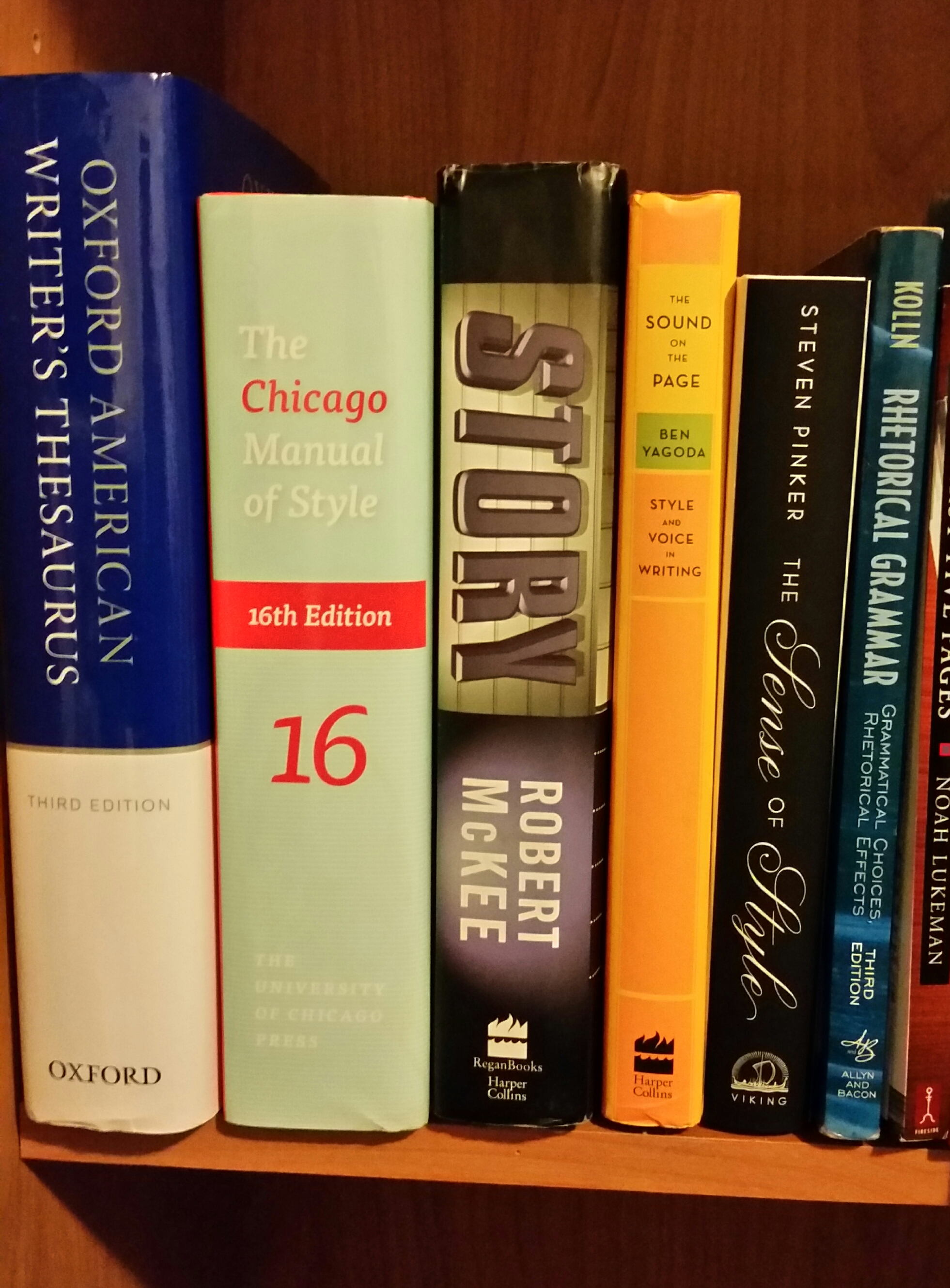
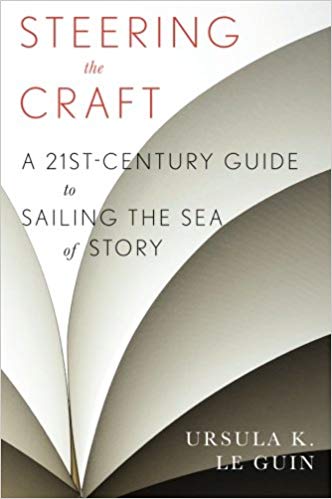 As Ursula K. LeGuin said in her excellent book,
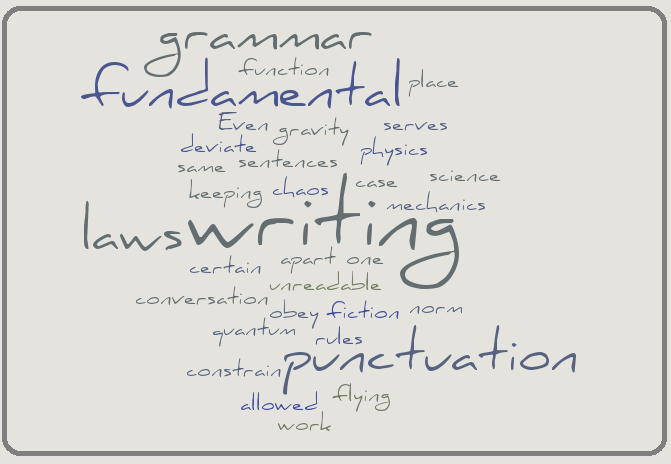
 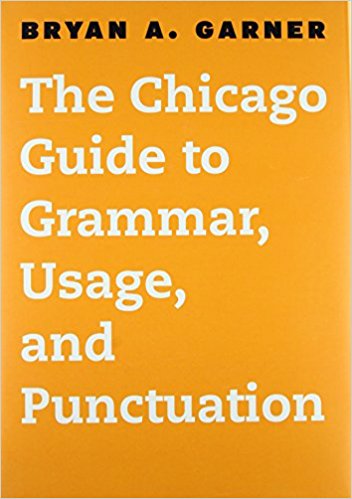 day, should we so desire. Reading is how we come to understand writing and the art of story. Mr. King also admonishes us to learn the fundamentals of punctuation and grammar.
 Every editor will tell you no amount of money is worth the time and effort it would take to teach an author how to write coherent, readable prose. That is what seminars, books on craft, and books on style and grammar are for.
 I want to read an honest story about people who seem real, who have the kind of problems we can all relate to on a human level. I want to read a story that comes from an author’s deepest soul. The setting doesn’t matter—it can be set on Mars or in Africa. Characters matter, and their story matters.
 We all draw inspiration from real life, whether consciously or not. However, if we are writing fiction, we must never detail people we are acquainted with, even if we change their names.
 The best thing is that you don’t actually know a thing about them other than they like a Double Tall Hazelnut Latte. Peoples’ conversations are unguarded in coffee shops, openly talking about what moves them or holds them back. They are lovers or haters, quiet or loud, and most importantly, anonymous.
 On November 1st, when we began setting the first words on the blank page, our minds formed images, scenes we attempted to describe. In his book, The Language Instinct,
  Once you find them, you need to go to the thesaurus to find alternatives that better express your intent.
 If you don’t have it already, a book you might want to invest in is
  Strolling along, watching the birds and animals that make their homes there grounds me. When we leave, I feel spiritually rested, more rooted in the earth, stronger and at peace with myself. It is a serene place, a place of stillness and calm.
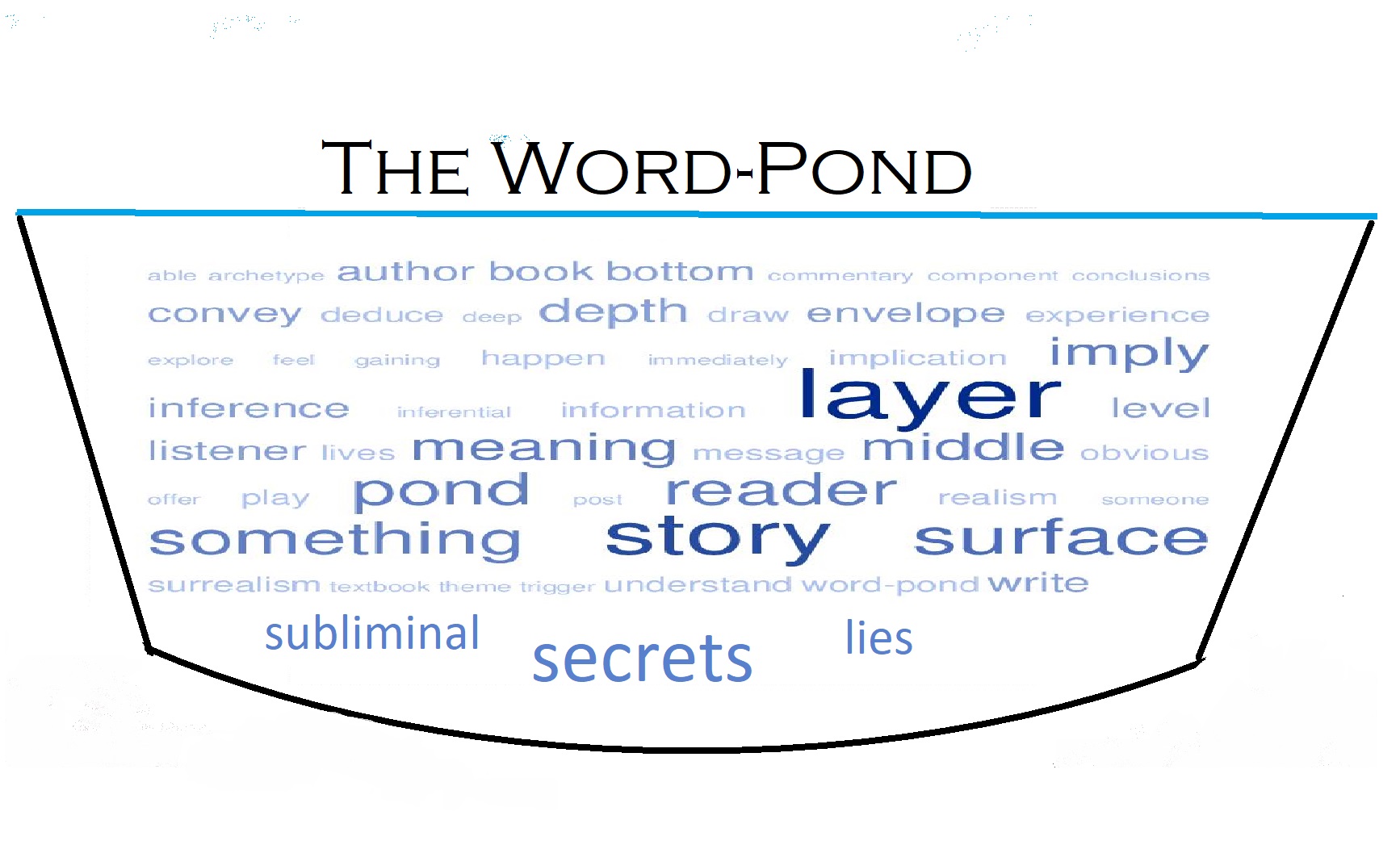 The components that form the visual layer appear to be the story. However, once a reader wades in, they discover unsuspected depths.
 The real story is how our characters interact and react to stresses within the overall framework of the environment and plot. Depth is found in the lessons the characters learn as they live through the events. Depth manifests in the changes of viewpoint and evolving differences in how they see themselves and the world.


