
The month of September is drawing to a close, and we are winding up our dive into the second draft of a manuscript. We hope we have a perfect manuscript with no structural issues.
 But we know the work is just beginning. Now we need an unbiased eye looking at the structure, a beta reader.
Beta Reading is the first look at a manuscript by someone other than the author. It is the first reading of an early draft by an unbiased eye. Editing and proofreading happen further down the process, but this reading is critical.
This phase should guide the author in making revisions that make the story stronger. It’s best when the reader is a person who reads for pleasure and can gently express what they think about a story or novel.
I do suggest you find a person who enjoys the genre of that particular story. If you are asked to be a beta reader, you should know it is not a final draft. You should ask several questions as you read:
 Setting: Does the setting feel real?
- Characters: Is the point of view character (protagonist) clear? Did you understand what they were feeling? Were they likable? Did you identify with and care about them? Were there various character types, or did they all seem the same? Were their emotions and motivations clear and relatable?
- Dialogue: Did the dialogue and internal narratives advance the plot?
- Events: did the inciting incident and subsequent roadblocks to success feel believable?
- Pacing: How did the momentum feel?
- Does the ending surprise and satisfy you? What do you think might happen next?
If you are asked to be a beta reader, you might be distracted by grammar and mechanics, and you might forget that the manuscript you’ve been asked to read is unedited.
- I suggest you keep editorial comments broad, as a line edit is not what the author is looking for at this stage.
However, if the author really has no understanding of grammar and mechanics, you might gently direct them to an online grammar guide, such as The Chicago Manual of Style Online.
I am fortunate to have excellent friends in my writing group who are willing to read for me. Their suggestions are thoughtful and spot-on.
Let’s say that you have just joined a professional writers’ group. After attending a few meetings, you ask a member for feedback about your book or short story.
 Be prepared for it to come back with some detailed critical observations, which may seem harsh. Any criticism of our life’s work feels unfair to an author who is new at this. And to be truthful, some authors never learn how to put aside their egos.
Some authors read the first three comments, decide the reader missed the point, and choose to ignore all the suggestions.
This is because the reader pointed out info dumps and long paragraphs the author thought were essential to the why and wherefore of things.
 Worse, perhaps they were familiar with a featured component of the story, such as medicine or police procedures. The reader might have suggested we need to do more research and then rewrite what we thought was the perfect novel.
Even if it is worded kindly, criticism can make you feel like you have failed.
When I received my first critique, I was stunned, embarrassed, and deeply confused. I had worked and worked on that manuscript and why didn’t they know that?
Being the only one in a group who didn’t understand something made me angry, but thank heavens, my manners kicked in. I bottled it up and behaved myself.
Not understanding how to correct our bad writing habits is the core reason why we feel so hurt.
That critique was painful, but when I look back on it, I can clearly see why the manuscript was not acceptable in the state it was in.
I had no idea what a finished manuscript should look like, nor did I understand how to get it to look that way. I didn’t know where to begin or who to turn to for answers.
- I didn’t understand how to write to a particular theme.
- Punctuation and usage were inconsistent and showed I lacked an understanding of basic grammar rules.
- I resented being told I used clichés.
- I resented being told my prose was passive. But I couldn’t understand what they meant when they said to write active prose.
There was only one way to resolve this problem. I had to educate myself.
 I went out and bought books on the craft of writing, and I am still buying books on the craft today. I will never stop learning and improving.
Don’t ask a fellow member of a professional writers’ forum to read your work unless you want honest advice. Even if they don’t “get” your work, they will spend their precious time reading it, taking time from their writing to help you out, and that is priceless.
Finally, if you have offered your work to someone who is hypercritical about the small stuff and ignores the structural things you asked them to look at, don’t feel guilty for not asking them to read for you again.
Let it rest for a day or two. Then, look at their comments with a fresh eye and try to see why they made them.
 Learning the craft of writing is like learning any other trade, from cooking to carpentry. It takes work and effort to become a master.
If you want to craft memorable work, you must own the proper tools for the job and learn how to use them. My “toolbox” contains:
- MS Word as my word-processing program. You may prefer a different program, but this is the one I use.
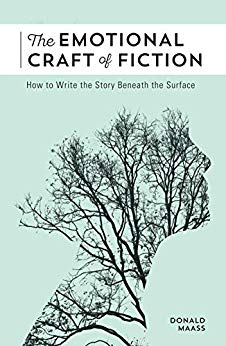
- Books on the craft. Self-education is critical. I refer back to The Chicago Manual of Style and numerous other books on the craft of writing whenever I am stuck. (See a short list of my favorites below.)
- I have trusted, knowledgeable beta-readers for my work and people who give me thoughtful feedback that I can use to make my final draft as good as I can get it.
- I work with a good, well-recommended freelance editor.
- Take free online writing classes.
- Attend conferences and seminars (not free, but worth the money).
- I meet with my weekly writing group.
- I read daily in ALL genres.
One day in 1990, I stumbled upon a book offered in the Science Fiction Book Club catalog: How to Write Science Fiction and Fantasy by Orson Scott Card. I’ve said this before, but the day that book arrived in my mailbox changed my life.
That was the day that I stopped feeling guilty for thinking I could be a writer.
The next book I bought was in 2002: On Writing, A Memoir of the Craft by Stephen King.
The following is the list of books that are the pillars of my reference library:
- The Chicago Guide to Grammar and Punctuation by Bryan A. Garner.
- The Oxford Dictionary of Synonyms and Antonyms
- Damn Fine Story, by Chuck Wendig
- Dialogue, by Robert McKee
- Steering the Craft: A Twenty-First-Century Guide to Sailing the Sea of Story, by Ursula K. Le Guin
- Story ,by Robert McKee
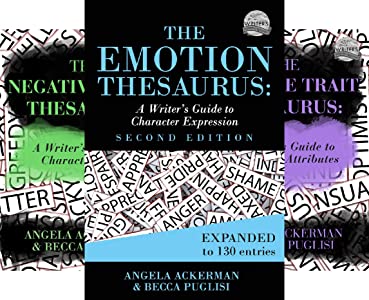
- The Emotion Thesaurus by Angela Ackerman and Becca Puglisi, and I also have all the companion books in that series.
- The Writer’s Journey, by Christopher Vogler
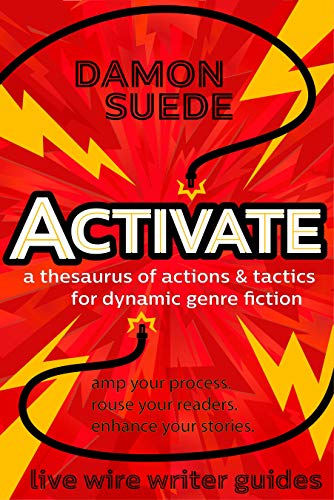
- VERBALIZE by Damon Suede and its companion book, Activate.
Negative feedback is a necessary part of growth. A good, honest critique can hurt if you are only expecting to hear about the brilliance of your work. This is where you have the chance to cross the invisible line between amateur and professional.
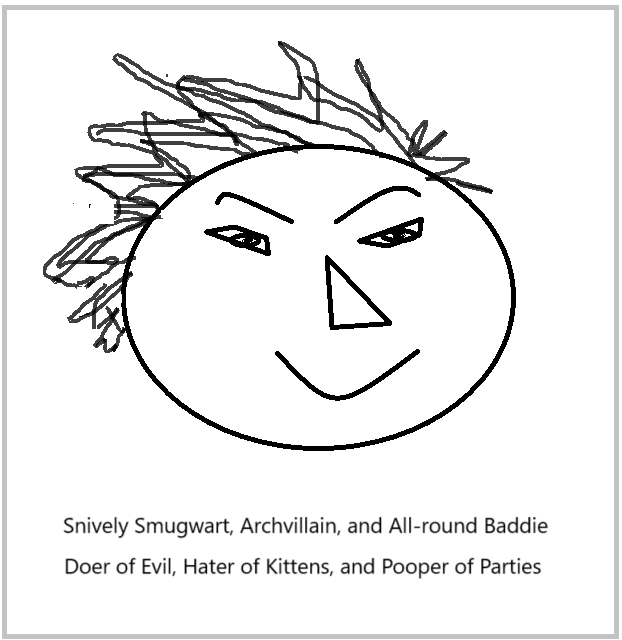 Who is the antagonist?
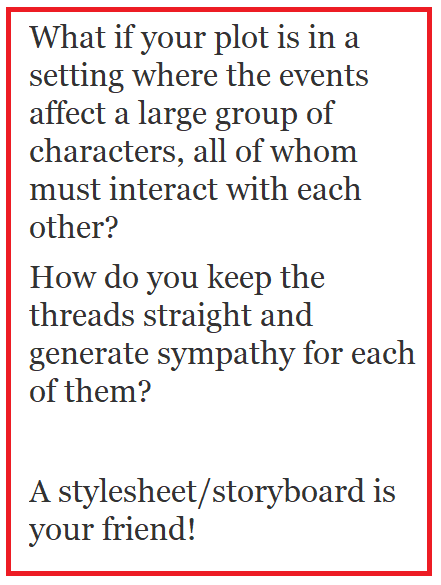
 Consider cogs: they are engineered to interlock with each other, and when they move close enough that one cog interlocks and turns another, they move other parts of the mechanism.
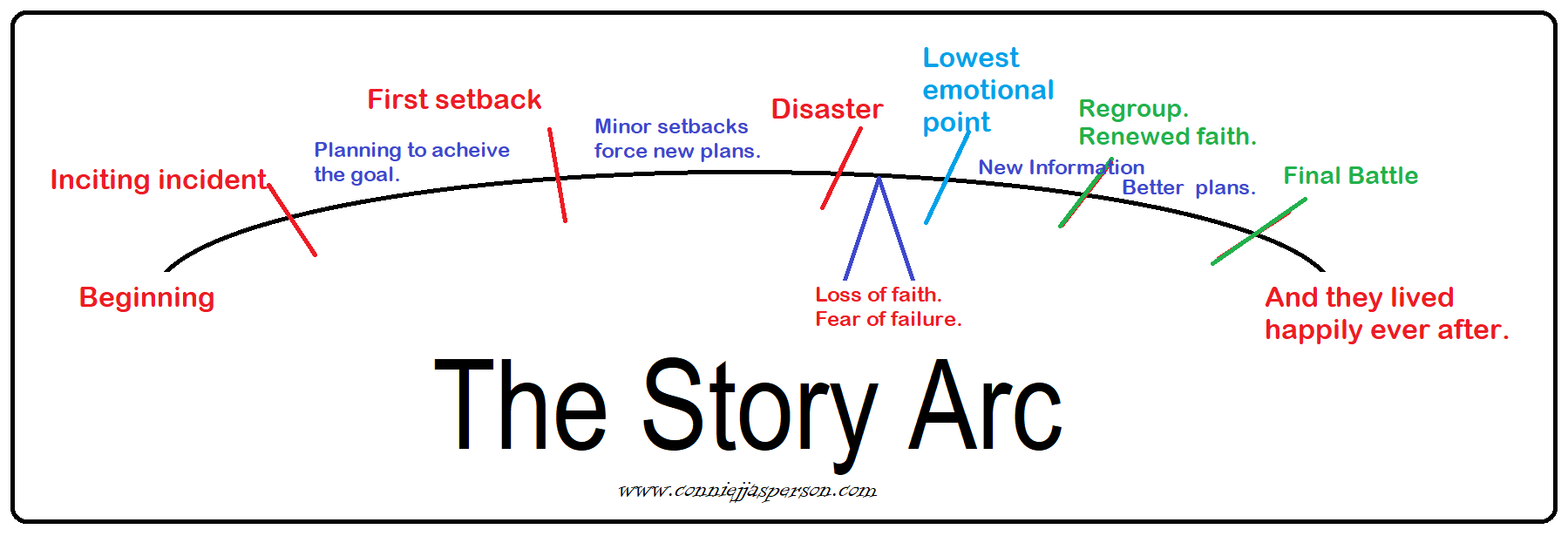 Each hiccup on the road to glory must tear the heroes down. Events and failures must break them emotionally and physically so that in the book’s final quarter, they can be rebuilt, stronger, and ready to face the enemy on equal terms.
 Confrontations are chaotic. It’s our job to control that chaos and create a narrative with an ending that is as intense as our imaginations and logic can make it.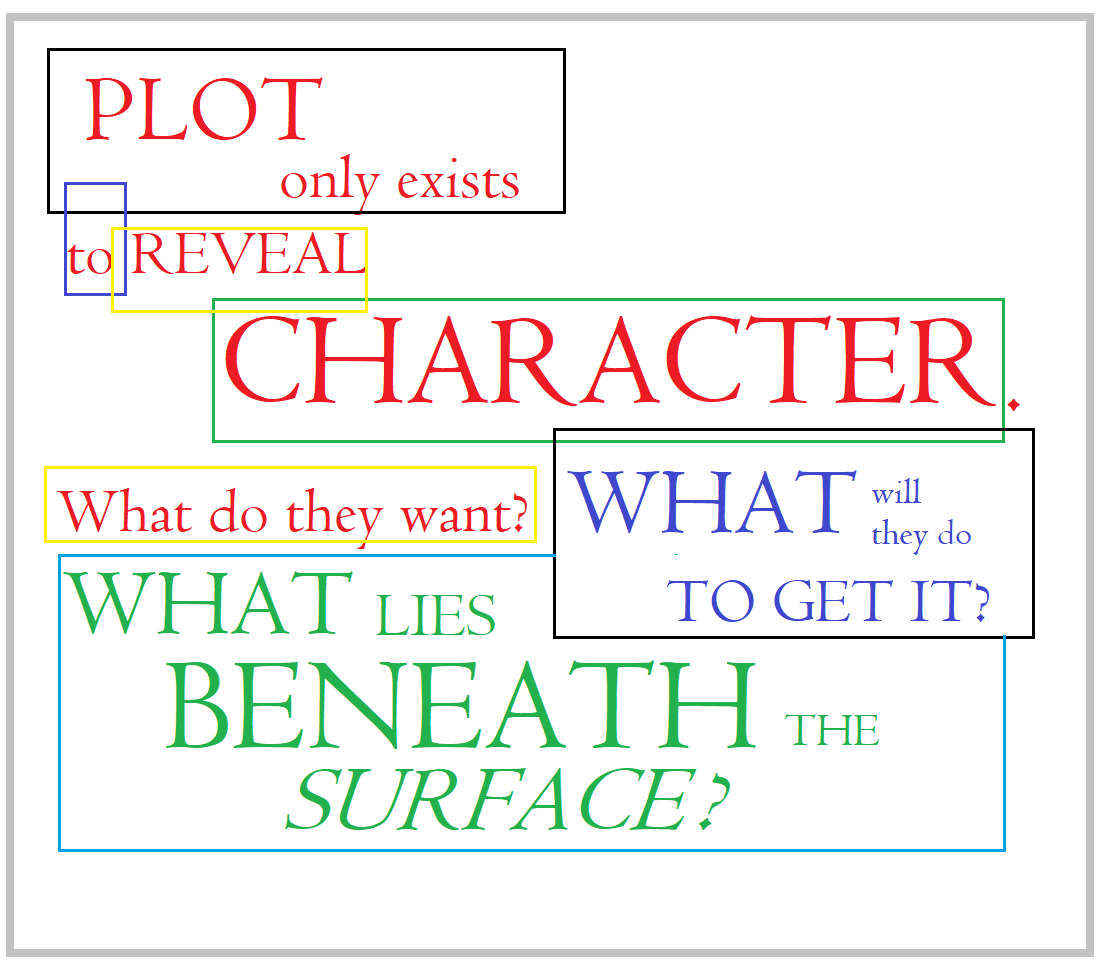
 This happens because my characters have agency and sometimes run amok. Thus, in the second draft, I examine the freedom I give my characters to introduce their own actions and reactions within the story.
 When the writing commences, the characters make choices and say things that surprise me. They can do this because I allow them agency.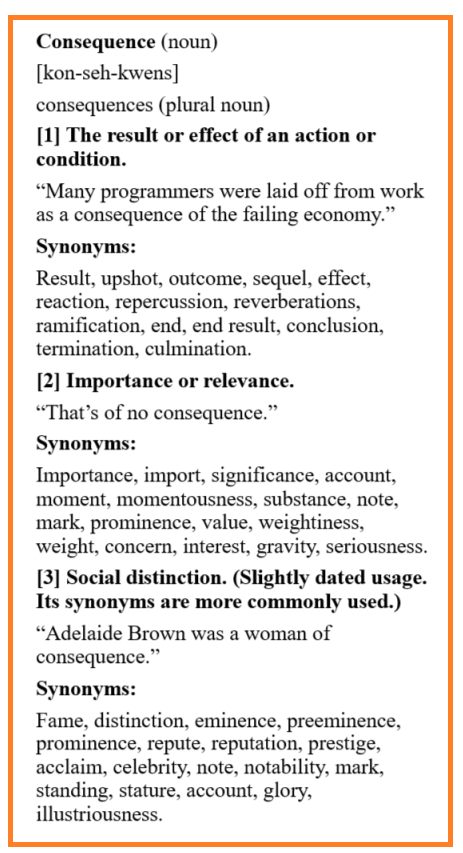
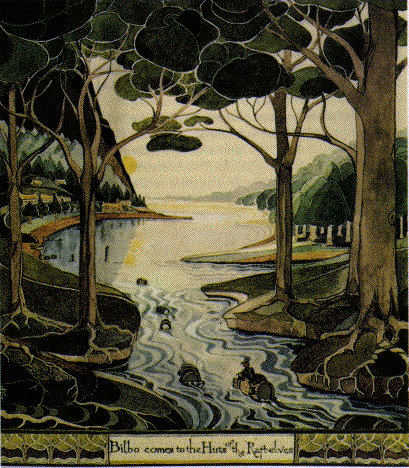
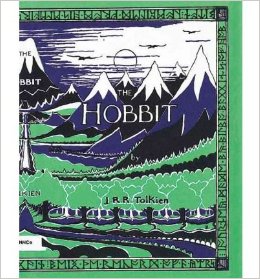 Fortunately, they are rescued by Gandalf. While he is hiding, Bilbo discovers several historically important weapons. One of them is Sting, a blade that fits Bilbo perfectly as a sword. This is a positive consequence, as the blade is crucial to Bilbo’s story and later to Frodo’s story.
 It follows that certain words become a kind of mental shorthand, small packets of letters that contain a world of images and meaning for us. Code words are the author’s multi-tool—a compact tool that combines several individual functions in a single unit. One word, one packet of letters will serve many purposes and convey a myriad of mental images.
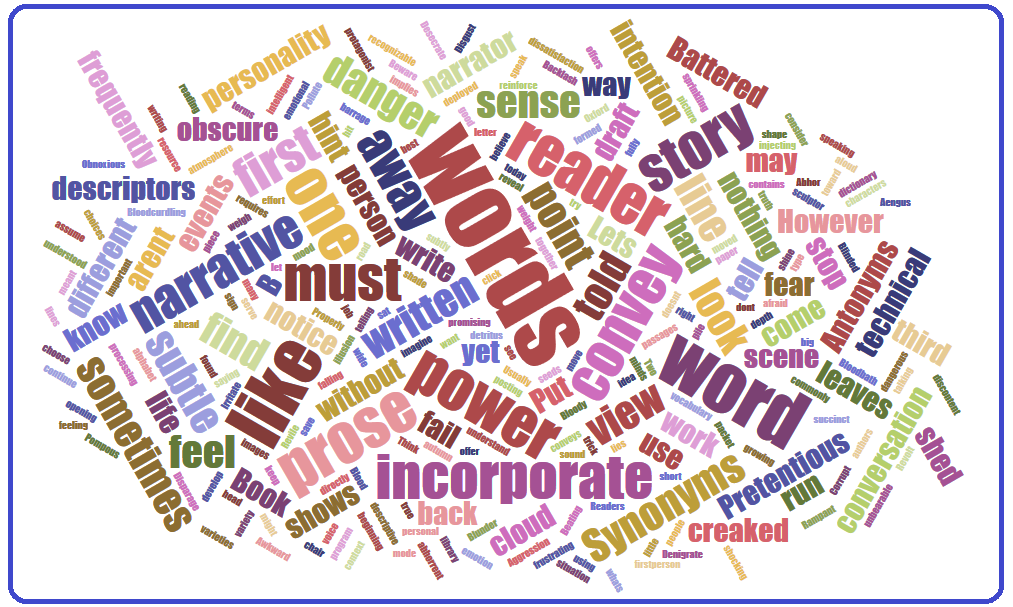 I want to avoid that sin in my work, but what are my code words? What words are being inadvertently overused as descriptors? A good way to discover this is to make a word cloud. The words that see the most screen time will be the largest.
  endured
 Sometimes, the only thing that works is the brief image of a smile. Nothing is more boring than reading a story where a person’s facial expressions take center stage. As a reader, I want to know what is happening inside our characters and can be put off by an exaggerated outward display.
 I was divorced from hubby number three in 1997, and oddly enough, things became much easier financially. I was able to get by with only one job, even while raising my last teenager. (See? Everyone has a soap opera life, even famously unknown authors.)
 Another arc takes the protagonist on a journey that can end several different ways, all of them taking our characters down a winding path with many choices, roads not taken. They also are altered by their experiences for good or ill.
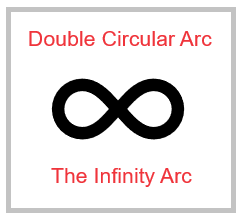 Knowing my intended word count helps me create a story, from drabbles to novels. For me, it works in stories with a traditional arc as well as those with a circular arc.
 In a circular narrative, the story begins at point A, takes the protagonist through life-changing events, and brings them home, ending where it started. The starting and ending points are the same, and the characters return home, but they are fundamentally changed by the story’s events.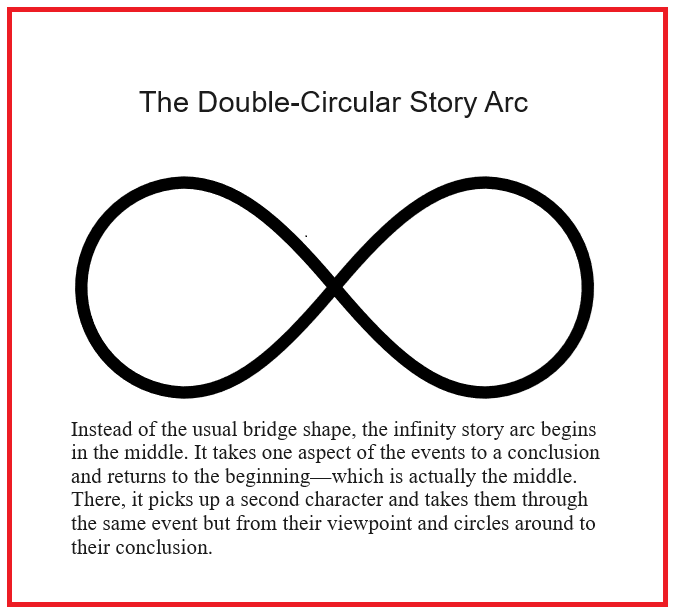
 Word choices are essential in showing a world and creating a believable atmosphere when limited to only a small word count. I had challenged myself to write a story that told both sides of a frightening encounter in 1000 words, give or take a few. I wanted to expand on the theme of dragons and use it to show two aspects of a place whose national symbol is the Red Dragon (Welsh: Y Ddraig Goch).
 Most of my novels and short stories begin life as exchanges of dialogue between two characters. Their conversations shed light on what each character’s role in the story might be.
 Action: She comes down for coffee. He holds a notebook, gathers pens, and stands.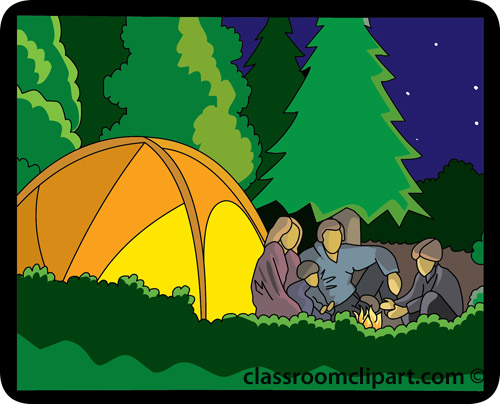
 My writing projects begin with an idea, a flash of “What if….” Sometimes, that “what if” is inspired by an idea for a character or perhaps a setting. Maybe it was the idea for the plot that had my wheels turning.
 I’m writing a fantasy, and I know what must happen next in the novel because the core of this particular story is romance with a side order of mystery. I see how this tale ends, so I am brainstorming the characters’ motivations that lead to the desired ending.
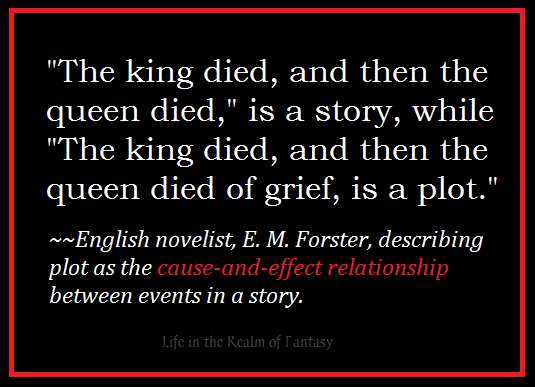
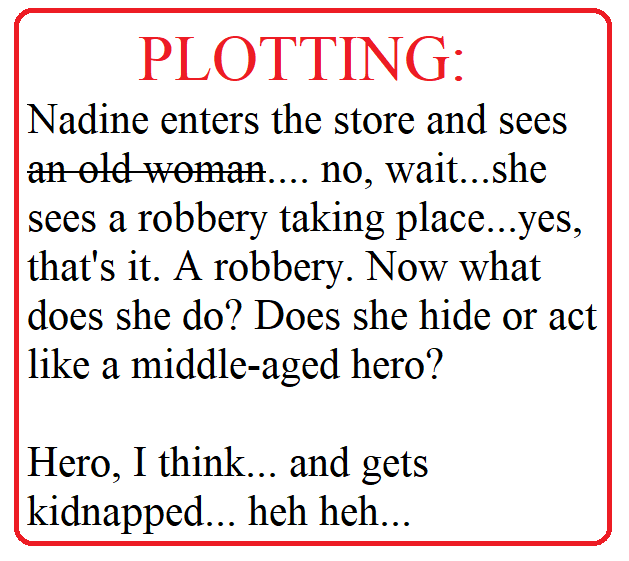 Plots are comprised of action and reaction. I must place events in their path so the plot keeps moving forward. These events will be turning points, places where the characters must re-examine their motives and goals.
 Our characters are unreliable witnesses. The way they tell us the story will gloss over their failings. The story happens when they are forced to rise above their weaknesses and face what they fear.
 Nowadays, I am rarely able to do in-person events due to family constraints, but I used to do four events a year. However, I have some tips to help ease the path for you.
 The final thing you will need is a way of accepting money. I have a metal cash box, but you only need something to hold cash and some bills to make change with. A way to accept credit cards, something like
 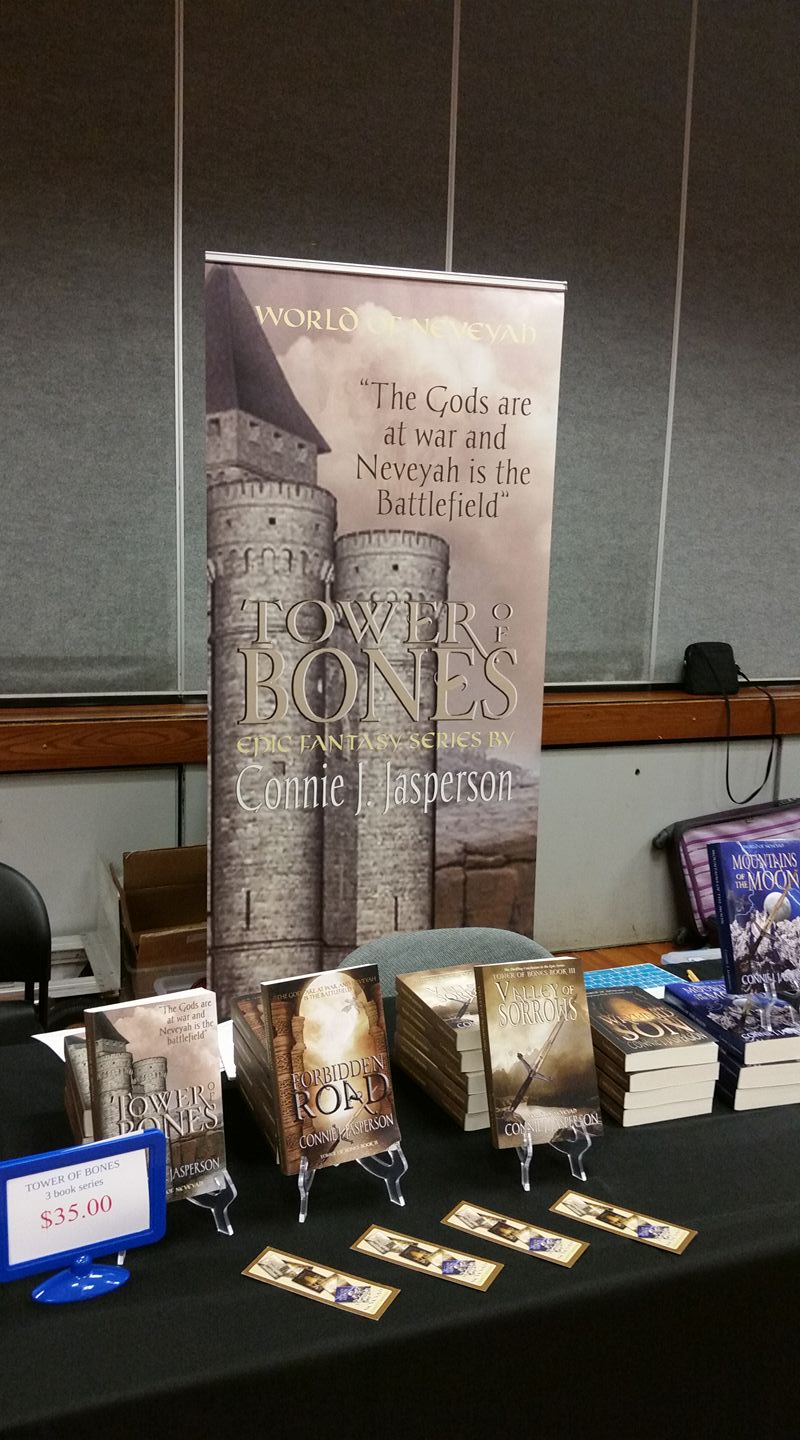 Investing in some large promotional graphics, such as a retractable banner, is a good idea. A large banner is a great visual to put behind your chair. A second banner for the front of the table looks professional but requires some fiddling with pins.
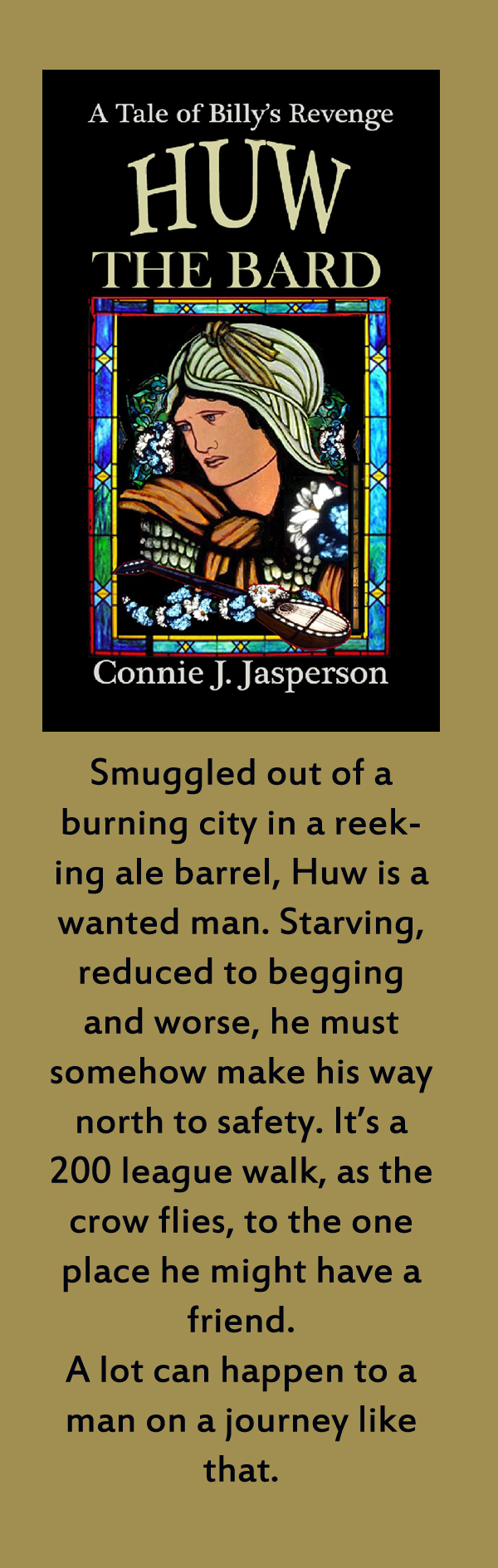 Make your display attractive, but I suggest you keep it simple. People will be able to see what you are selling, and the more fiddly things you add to your display, the longer setup and teardown will take. The shows and conferences I have attended offered plenty of time for this, but I’ve heard that some of the big-name conventions require you to be in or out in two hours or less.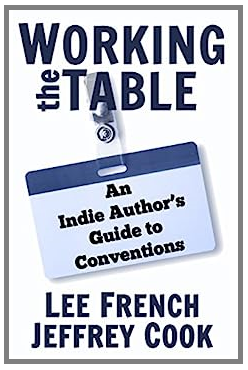
 The posts I wrote for that first attempt at blogging were pathetic attempts to write about current affairs and politics as a journalist, which is something that has never interested me. I was lucky if I managed to post one piece a month and had no readers or followers.
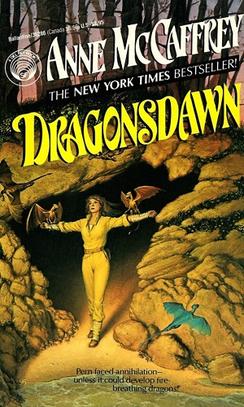 Books.
 I’ve made many friends through this writing adventure. I now know people from all over the world who I may never meet in person but who I am fond of, nevertheless.
 Some people worry about plagiarism, and in this world of AI and entitlement, it’s a valid concern. To my knowledge, I have never been plagiarized. I have a notice clearly in the sidebar on my website that the content is copyrighted.
 Life in the Realm of Fantasy has evolved over the years because I have changed and matured as an author.


 Life in the Realm of Fantasy