
The descriptive narrative of a story is comprised of three aspects:
Narrative point of view is the perspective, a personal or impersonal “lens” through which a story is communicated.
Narrative time is the grammatical placement of the story’s time frame in the past or the present, i.e., present tense (we go) or past tense (we went).
Narrative voice is the way in which a story is communicated. How it is written is the author’s fingerprint.
 Today, we’re focusing on the narrative point of view, discussing who can tell the story most effectively, a protagonist, a sidekick, or an unseen witness.
The words objective narrator and omniscient narrator (in modern literary terminology) are reserved for non-participant voices: the 3rd Person narrator. We can use this mode in several ways for our descriptive passages.
The 3rd person omniscient narrative mode refers to a narrating voice that is not one of the participants. This narrator views and understands the thoughts and actions of all the characters involved in the story. This is an external godlike view.
David remembered Selina’s instructions, but things had changed. With no other option, he turned and dropped the gun into the nearest dumpster.
The third-person point of view provides the greatest flexibility and thus is the most commonly used narrative mode in literature. In the third-person narrative mode, every character is referred to by the narrator as “he,” “she,” “it,” “they,” or other gender terms that best serve the story.
The writer may choose third-person omniscient, in which every character’s thoughts are open to the reader, or third-person limited, in which the reader enters only one character’s mind, either throughout the entire work or in a specific section.
Third-person limited differs from first-person because while we see the thoughts and opinions of a single character, the author’s voice, not the character’s voice, is what you hear in the descriptive passages.
 Some third-person omniscient modes are also classifiable as “third-person subjective,” modes that switch between the thoughts, feelings, etc. of all the characters.
This mode is also referred to as close 3rd person. At its narrowest and most personal, the story reads as though the viewpoint character were narrating it. Because it is always told in the third person, this is an omniscient mode.
This mode is comparable to the first-person in that it allows an in-depth revelation of the protagonist’s personality but always uses third-person grammar.
Some writers will shift perspective from one viewpoint character to another. I don’t care for that but occasionally find myself falling into it. I then have to stop and make hard scene breaks because it’s easy to fall into head-hopping, which is a serious no-no.
Head-hopping occurs when an author switches point-of-view characters within a single scene. It happens most commonly when using a third-person omniscient narrative, because each character’s thoughts are open to the reader.
To wind up this overview of the third-person narrative mode, we have the Flâneur (idler, lounger, loiterer.) This is traditionally a form of third-person point of view, but I like to think of it almost as a fourth POV. Many of you have heard of it as third-person objective or third-person dramatic.
 The flâneur is the nameless external observer, the interested bystander who reports what they see and overhear about a particular person’s story. They garner their information from the sidewalk, window, garden, or any public place where they commonly observe the protagonists. They are an unreliable narrator, as their biases color their observations. In many of the most famous novels told by the flâneur, the reader comes to care about the unnamed narrator because their prejudices and commentary about the protagonists are endearing.
On Saturday mornings, at seven o’clock, Wilson always passed my gate as he walked to the corner bakery. He bought a box of maple bars, which he carefully held with both hands as he returned. I imagined he served them to his wife with coffee, his one thoughtful deed for the week.
Sometimes, the story works best when it’s told by the characters central to the story’s main action. Other times it is best told by the witnesses. So now we come to the two terms, reliable narrator and unreliable narrator, that describe participant narrator/observers.
The first-person point of view is common and is told from one protagonist’s personal point of view. It employs “I-me-my-mine” in the protagonist’s speech, allowing the reader or audience to see the primary character’s opinions, thoughts, and feelings.
Many authors employ the first-person point of view to convey intimacy when they want to tell a story through the protagonist’s eyes. With the first-person point of view, a story is revealed through the thoughts and actions of the protagonist within their own story.
The waves carried me, and I fell upon the shore, a drowning man, clutching at the stones with a desperation I had never before known.
Second-person point of view, in which the author uses “you” and “your,” is rarely found in a novel or short story. However, it can be an effective mode when done right.
You enter the room, unsure if you’re dreaming. Yet, here you are, in the tangible reality of devastation, stumbling over the wreckage of your life.
 Second-person point of view is commonly used in guidebooks and self-help books. It’s also common for do-it-yourself manuals, interactive fiction, role-playing games, gamebooks such as the Choose Your Own Adventure series, musical lyrics, and advertisements.
Some stories seem to demand a first-person narrator, while others are too large and require an omniscient narrator.
Your homework for the week, should you choose to try it: Experiment with point-of-view. Write a scene from one of your works in progress using all the different narrative modes discussed. How does the way you see your story change with each change of point-of-view?
Previous Posts in this Series:
Storyboarding character development
Character Development: Motivation drives the story
Character Development: Emotions
Character Development: Showing Emotions
Character Development: Managing the Large Cast of Characters
This Post: Character Development: Point of View
 I had no intention of writing book one either, but there it is. These characters won’t let go of me, so now I’m storyboarding a new plot.
 Several years ago, I read “
 I had a reaffirmation of sorts; the reassurance that no writer can follow every writing group rule and no book that does would be worth reading.
 Every successful writer has habits that are technical wrongs, habits that don’t fly when offered to a critique group. Yet, these patterns persist in their work over their career because they are part of that author’s creative process.
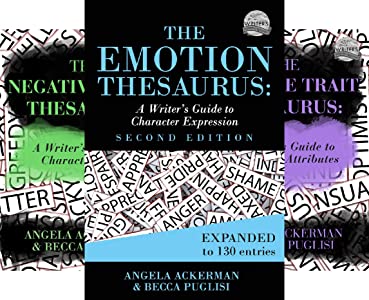
 Happiness, anger, spite – all the emotions get a description. Eyebrows raise or draw together; foreheads crease and eyes twinkle; shoulders slump and hands tremble. Lips turn up, lips curve down, and eyes spark – and so on and so on.
 For me, the most challenging part of writing the final draft of any novel is balancing the visual indicators of emotion with the more profound, internal clues.
 I have mentioned
  Open the thesaurus and find words that carry visual impact in your narrative, and you won’t have to resort to a great deal of description.
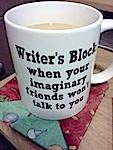 The setting is a coffee shop.
 The discomfort of witnessing a marital squabble:
 Firing Chekhov’s gun brings us to motivation. I learned “the 5 W’s” of journalism when I was in grade school. Yes, back in the Stone Age they assumed 12-year-old children were considering their adult careers, and journalism was a respected path to aspire to. I don’t know if they still teach them, but they should.
 What motivates Anna?
 Once I get a bit deeper into writing a story, circumstances will have changed at the midpoint. Do these changes affect the characters’ wants and needs? If so, I make a note of that on my stylesheet.
 First, we want to get to know who we’re writing about.
 Names say a lot about characters. If you give a character a name that begins with a hard consonant, the reader will subconsciously see them as stronger than one whose name begins with a soft sound. It’s a little thing but is something to consider when trying to convey personalities.
 Magic and the ability to wield it confers power. Magical creatures, elves, mythical races, mythological gods and demigods – these are some of the many natural and supernatural components of fantasy.
 Authors of sci-fi must do the research and understand the
  The following is my list of places where the rules of believable magic and technology converge in genre fiction:
 Science or magic is only an underpinning of the plot. They are foundational components of the backstory.
  If you are writing a contemporary novel or historical work set in our real world, this is where you keep maps and maybe a link to Google Earth.
 The “three S’s” of worldbuilding are critical: sights, sounds, and smells. Those sensory elements create what we know of the world. Taste rarely comes into it, except when showing an odor.
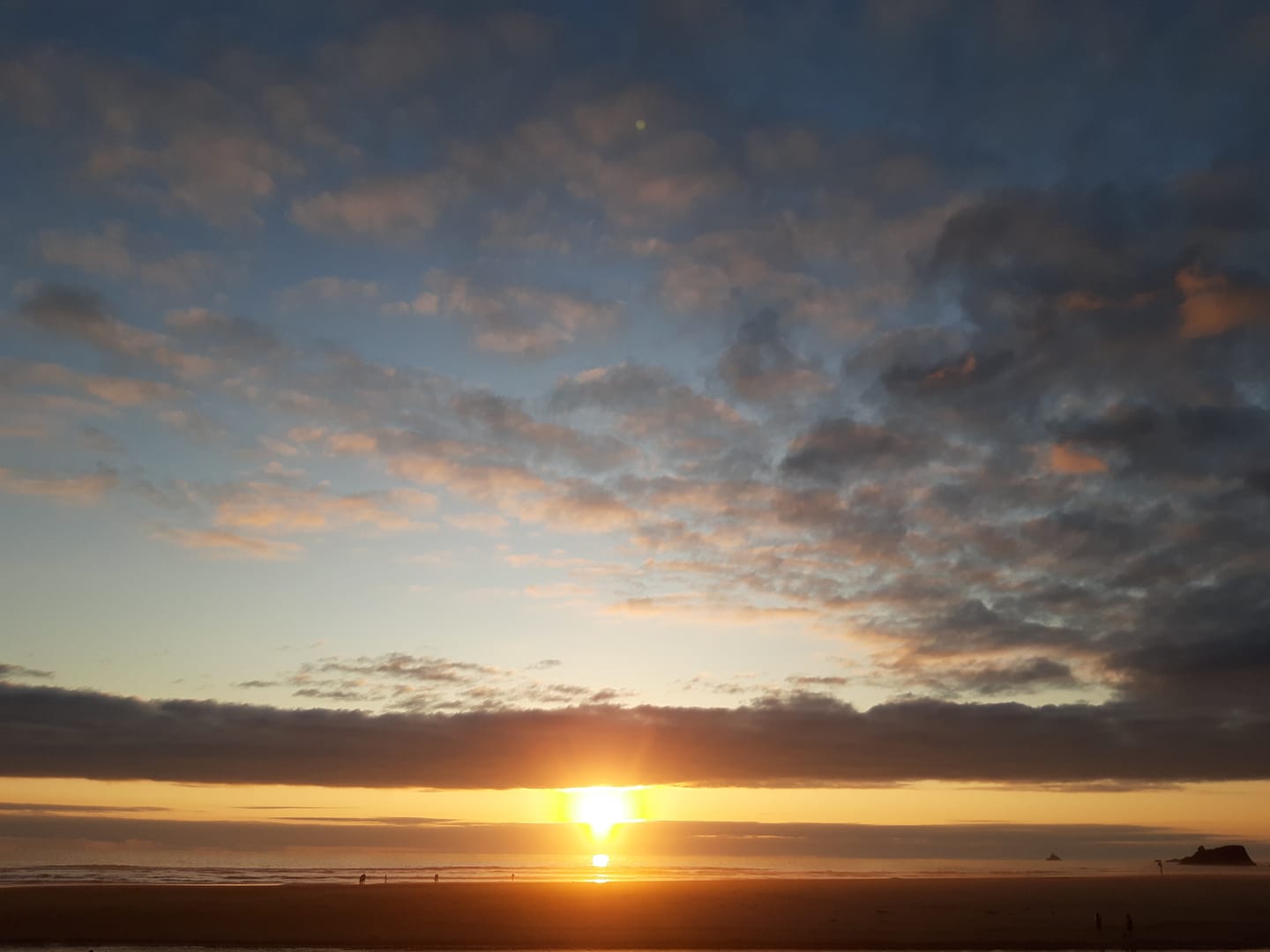 At this moment, inside your room and outside your door, you have all the elements you need to create an alien or alternate world.
 Some people use a program called Scrivener, which is not too expensive, but which I found quite frustrating. Nevertheless, I understand that it works well for many people, so it may be an investment to consider.
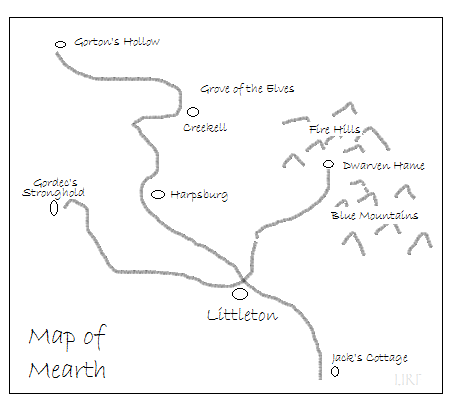 Maps are essential tools when you are building the world. Your map doesn’t have to be fancy. You need to know north, south, east, west, where rivers and forests are relative to towns, and locations of mountains.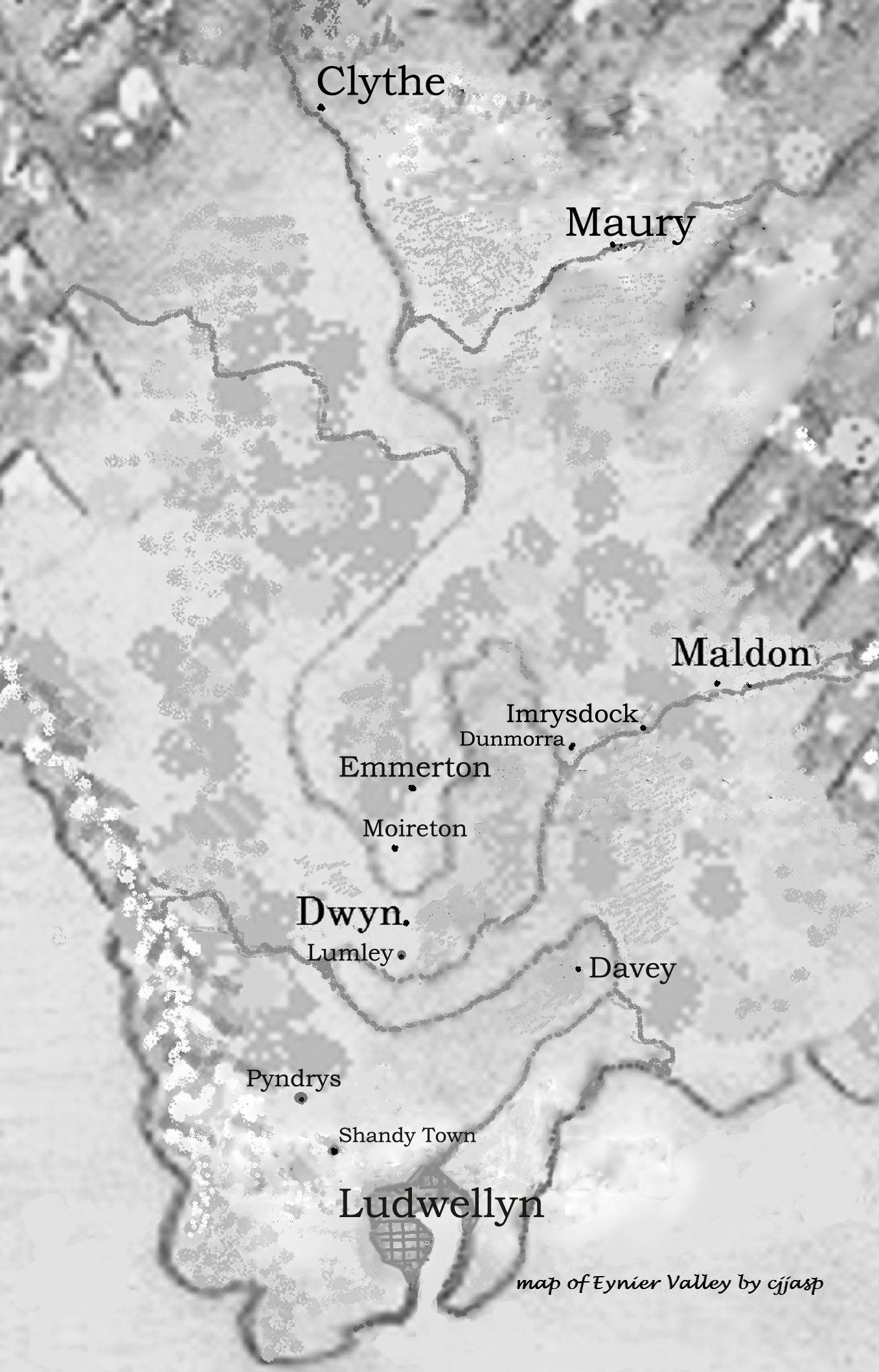
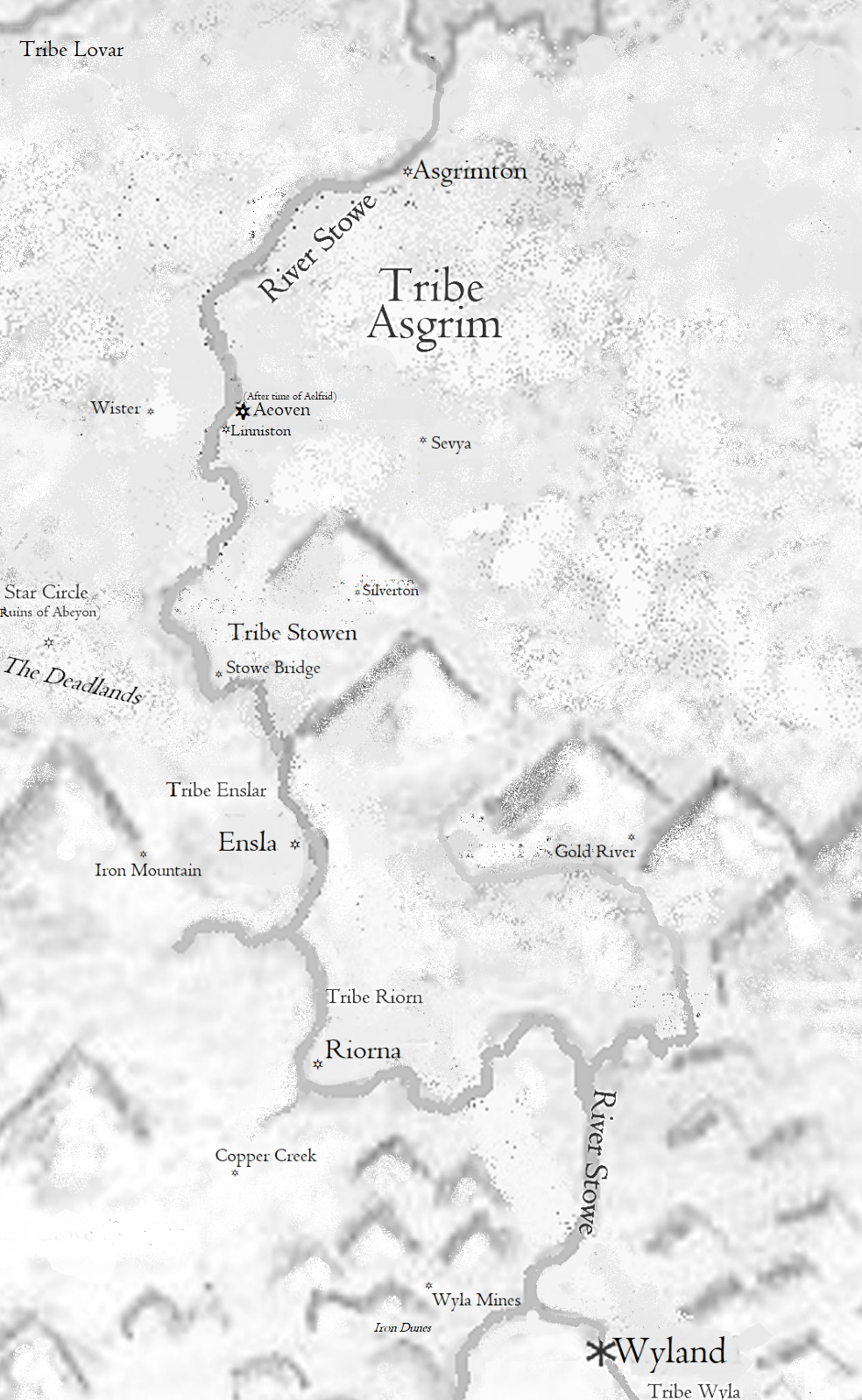 And we’ll just toss this out there – while you can drop a tall tree across a narrow creek, building bridges over rivers requires a certain amount of engineering. Cultures from the Stone Age on to modern times have had the skills needed to make bridges.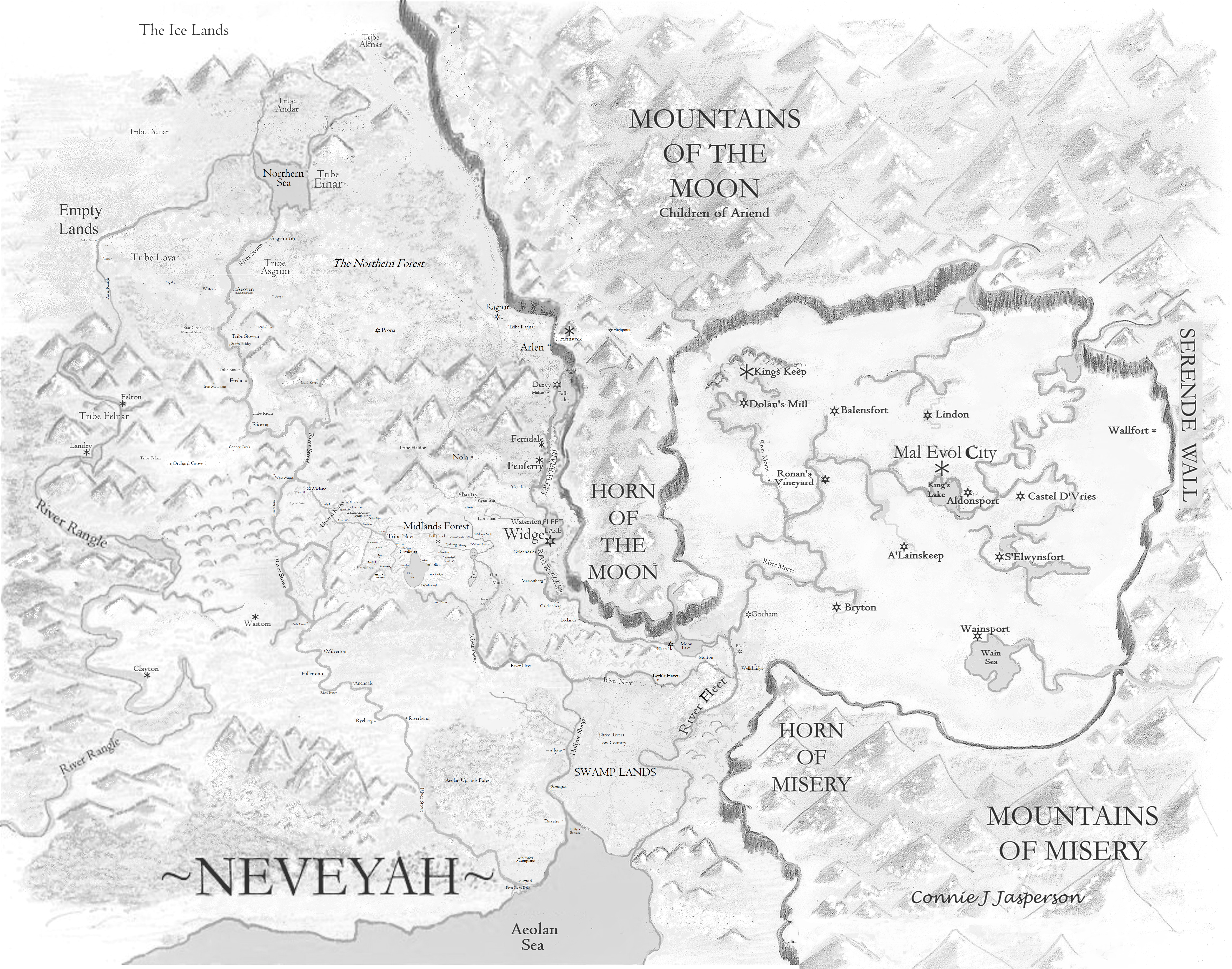
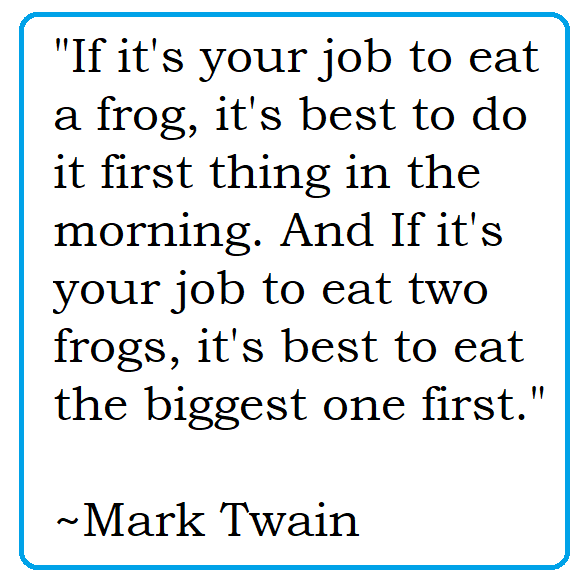 Many authors are just beginning their careers and trying to self-edit their NaNoWriMo manuscript. The problem is, they don’t know how to write a readable sentence or what constitutes a paragraph. If they are hoping to find an agent or self-publish, they have a big, ugly job ahead of them.
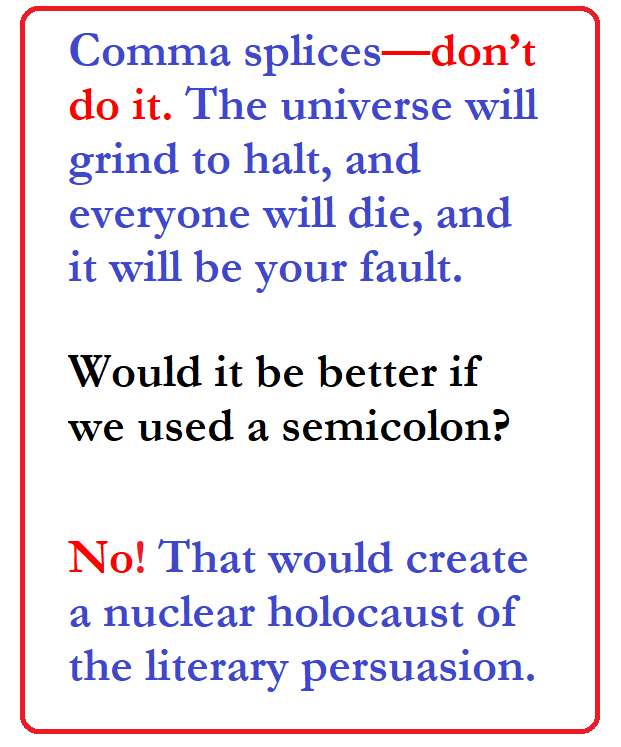 Comma Splice:
 I accept this Nebula award and thank my parents, Ralf and Maggie Jasperson, and Poseidon.


 Life in the Realm of Fantasy


