
Worlds are comprised of plants, animals, and geology, which we touched upon in the first post of this series. But if intelligent life-forms are living on that world, there will also be societies.
 We humans are tribal and like having an overarching power structure because someone has to be the leader, which isn’t a job most people want once they see what is involved. Being the leader means bearing the responsibility when things go wrong, usually more often than basking in the glory when it’s all good.
Proving how tribal we are, all smaller segments within societies, from families to businesses, to churches, to governments – all have organized leadership structures, even if they aren’t formally described as such.
We will be pantsing it (writing stream-of-consciousness) for the month of November, which means we’ll be writing at least 1667 new words every day, connecting the events that we will be storyboarding later in this series. We won’t have time to think about logic once we begin writing the narrative, which is why we’re creating the storyboard.
If your society is set in modern suburbia, that culture and those values will affect your characters’ view of their world.
But perhaps you are writing a sci-fi or fantasy novel. To show a world logically and without contradictions, we must know how things work in the cities and towns, whether set in a medieval world or on a space station. Merchants, scientists, priests, soldiers, teachers, healers, thieves – each occupation has a place in the hierarchy and has its own chain of command.
 Society is always composed of many layers and classes. Below is a list of questions for you to consider when building your fantasy or sci-fi civilization. I admit it’s long, but please bear with me.
These are what I think of as “porch questions.” This is the stage where I sit on the back porch and consider the world my characters will inhabit. Going somewhere quiet and pondering these questions will make the culture your characters inhabit clearer in your mind.
How is your society divided? Who has the wealth? (Feel free to copy and paste the list to a page you can print out.)
- Is there a noble class?
- Is there a servant class?
- Is there a merchant class
- Is there a large middle class?
- Who makes up the most impoverished class?
- Who has the power, men, women—or is it a society based on mutual respect?
Ethics and Values: What constitutes morality and how do we treat each other?
- Is marriage required?
- How are women treated?
- How are men treated?
- How are the different races viewed?
- Is there a cisgender bias or is there acceptance of different gender identities?
- How are same-sex relationships viewed?
- How are unmarried sexual relationships seen in the eyes of society?
- How important is human life?
- How is murder punished?
- How are treachery, hypocrisy, envy, and avarice looked upon?
- What about drunkenness?
- How important is the truth?
- What constitutes immorality?
- How important is it to be seen as honest and trustworthy?
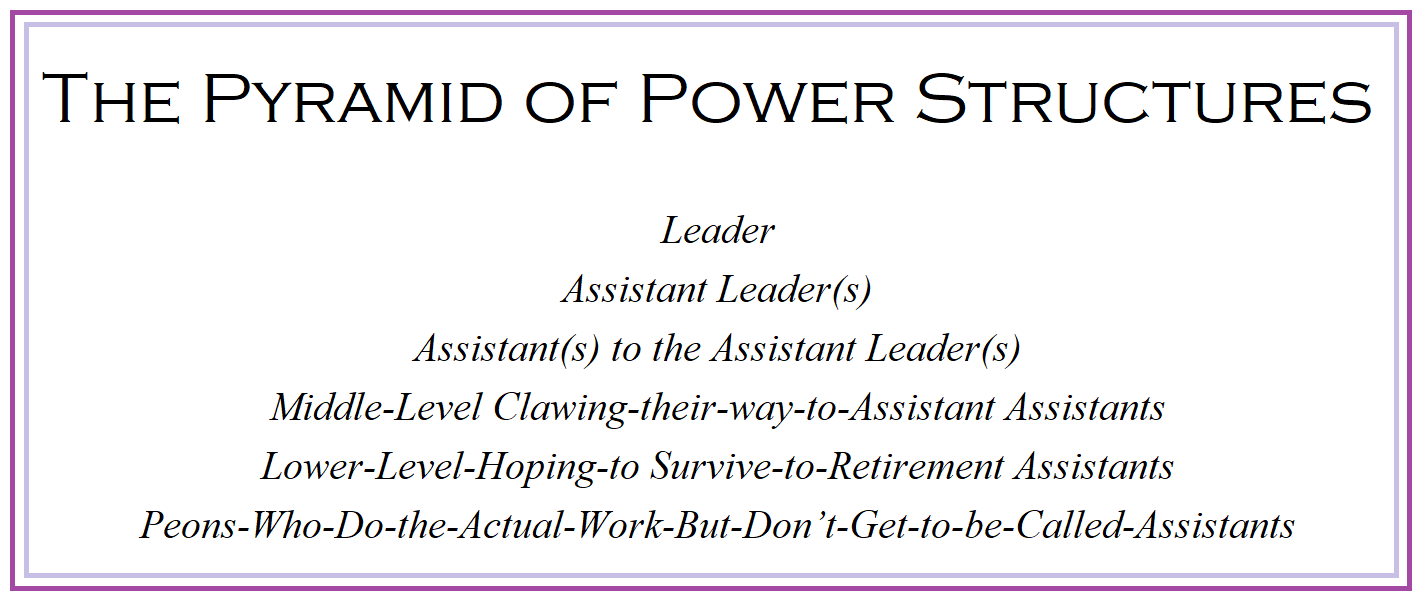
Power structures are the hierarchies that encompass the leaders, the people with the power. It is an overall system of restraint and control among selected members of a group. Think of it as a pyramid.
Religion rarely is a component of sci-fi but often figures prominently in fantasy work. In sci-fi, science and technology take the place of religion, with similar hierarchies and fanatics, just with different job titles.
Archbishop might be replaced with Head of Research and Development.
Cardinal or Pope might be replaced with General, Admiral, or CEO (Chief Executive Officer).
Level of Technology: What tools and amenities are available to them? What about transport?
- Hunter/Gatherers?
- Agrarian/farming?
- Greco-Roman metallurgy and technology?
- Medieval metallurgy and technology?
- Pre-industrial revolution or late Victorian?
- Modern-day?
- Or do they have a magic-based technology?
- How do we get around, and how do we transport goods? On foot, by horse & wagon, by train, or by space shuttle?
 Government: There will be a government somewhere, even if it is just the local warlord. Someone is always in charge because it’s easier for the rest of us that way:
- Is it a monarchy, theocracy, or a democratic form of government?
- How does the government fund itself?
- How are taxes levied?
- Is it a feudal society?
- Is it a clan-based society?
- How does the government use and share the available wealth?
- How do the citizens view the government?
Crime and the Legal System: What constitutes criminal behavior, and how are criminals treated?
Foreign Relations: Does your country coexist well with its neighbors?
- If not, why? What causes the tension?
Waging War: This is another area where we have to ask what their level of technology is. It is critical for you, as the author, to understand what weapons your characters will bring to the front. You must also know what the enemy will be packing. Do the research and choose weaponry that fits your established level of technology.
- What kind of weaponry will they use?
- How are they trained?
- Who goes to battle? Men, women, or both?
- How does social status affect your ability to gain rank in the military?
A common trope in fantasy is magic, which brings up the need to train magic-gifted people. Authors use everything from dumb luck and experimentation to apprenticing to sorcerers, to training by religious orders, and in the case of Harry Potter, a school of some sort. (Never fear, we’re going to build believable magic and future-tech systems next week.)
In many real-world historical societies, the Church/Temple is the governing power. The head of the religion is the ruler, and the higher one rises within the religious organization, the more power one has. The same is true of both universities and research facilities.
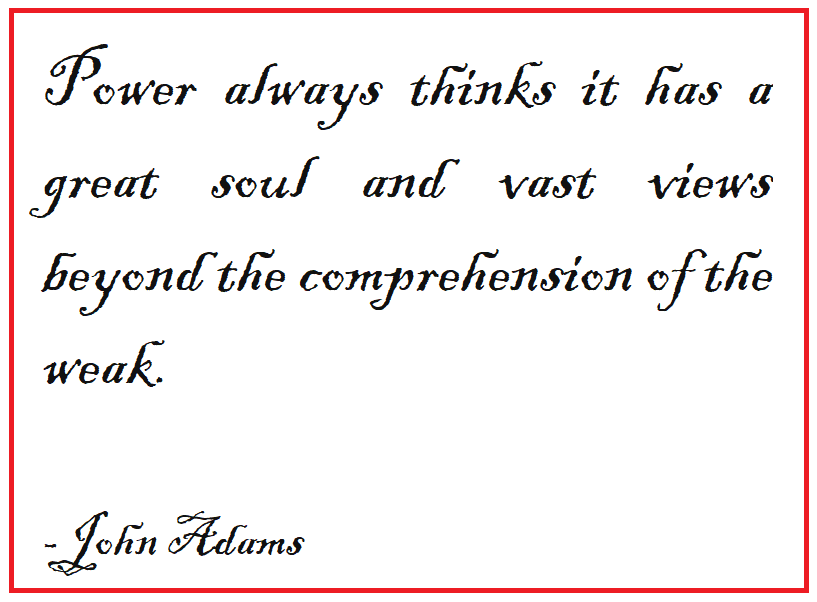 Power in the hands of only a few people offers many opportunities for mayhem—followers may inadvertently create a situation where the leader believes they are anointed by the Supreme Deity. Even better, they may become the God-Emperor/Empress.
The same sort of God-complex occurs among academicians and scientists. Some people are prone to excess when presented with the opportunity to become all-powerful.
If you were unsure what your plot was before you got to this stage, now you might have a real villain, one presented to you by your society.
SO, in your world, what sort of society do you envision? How will that culture shape your characters?
Up Next: Magic and Future-tech
#NaNoPrep series to date:
#NaNoPrep: part 1: What’s the Story?
#NaNoPrep, Setting: Creating the Big Picture
#NaNoPrep, Building Characters
#NaNoPrep, More Character Building
Credits and Attributions:
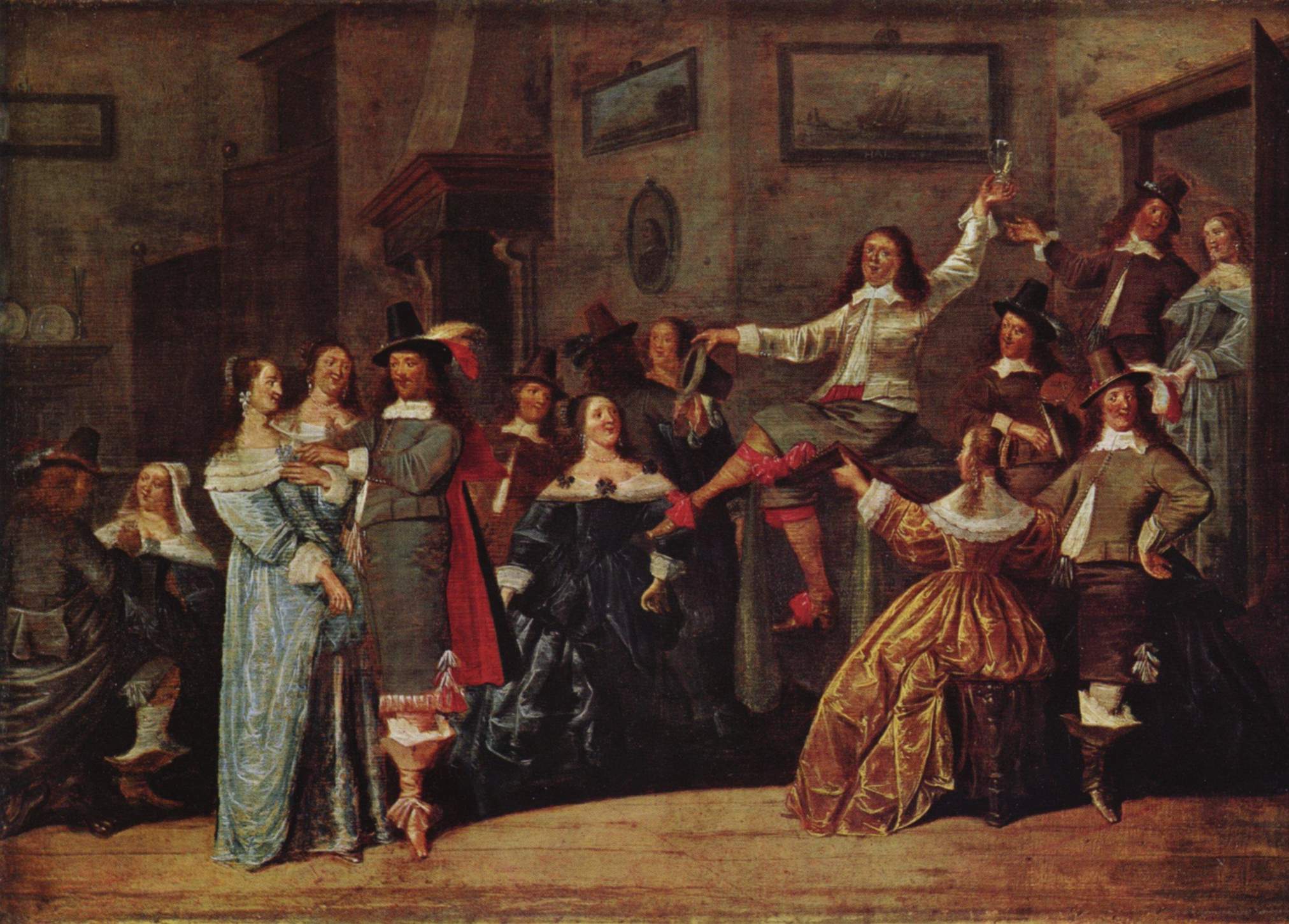
Image: The Merry Company, Wikimedia Commons contributors, “File:Dirck Hals 001.jpg,” Wikimedia Commons, the free media repository, https://commons.wikimedia.org/w/index.php?title=File:Dirck_Hals_001.jpg&oldid=549782256 (accessed September 13, 2021).
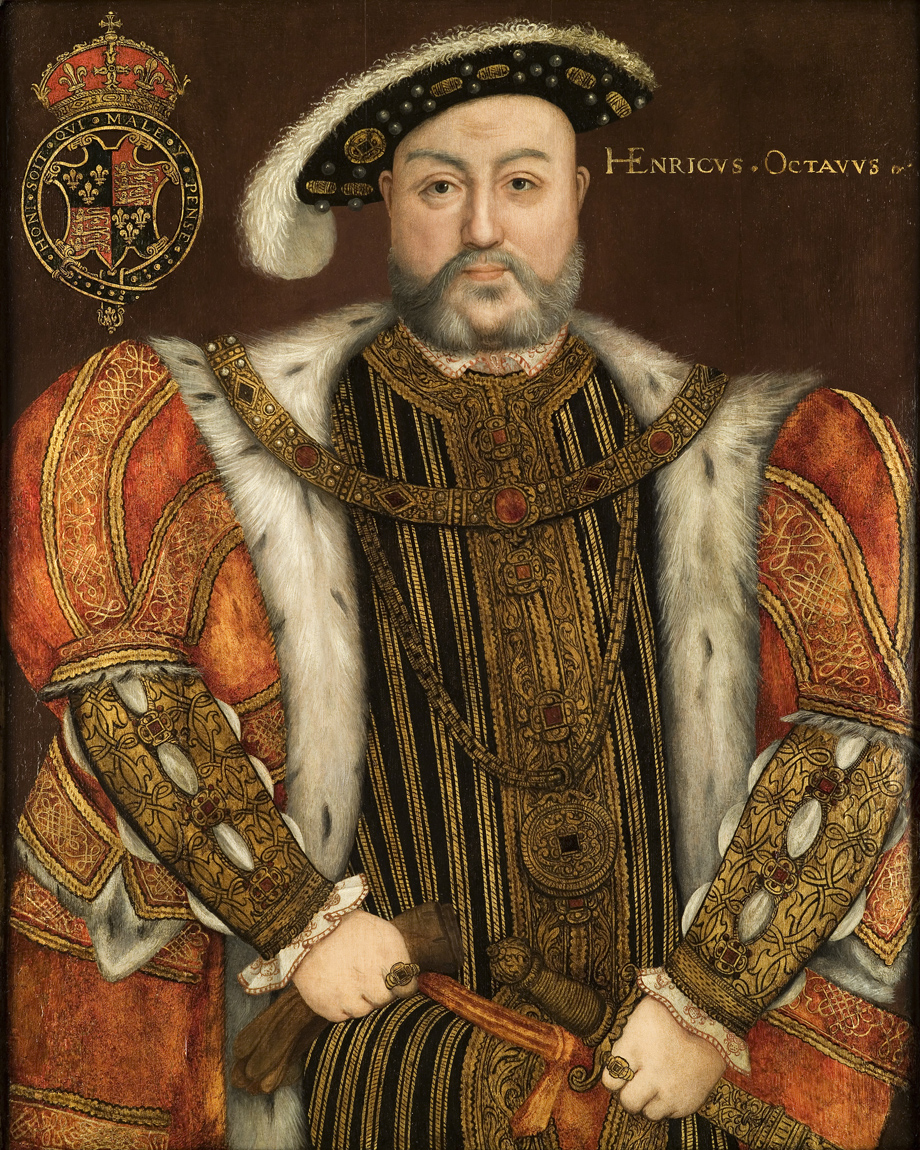
Image: Henry VIII of England, Wikimedia Commons contributors, “File:Portrait of King Henry VIII.jpg,” Wikimedia Commons, the free media repository, https://commons.wikimedia.org/w/index.php?title=File:Portrait_of_King_Henry_VIII.jpg&oldid=250517909 (accessed September 13, 2021).
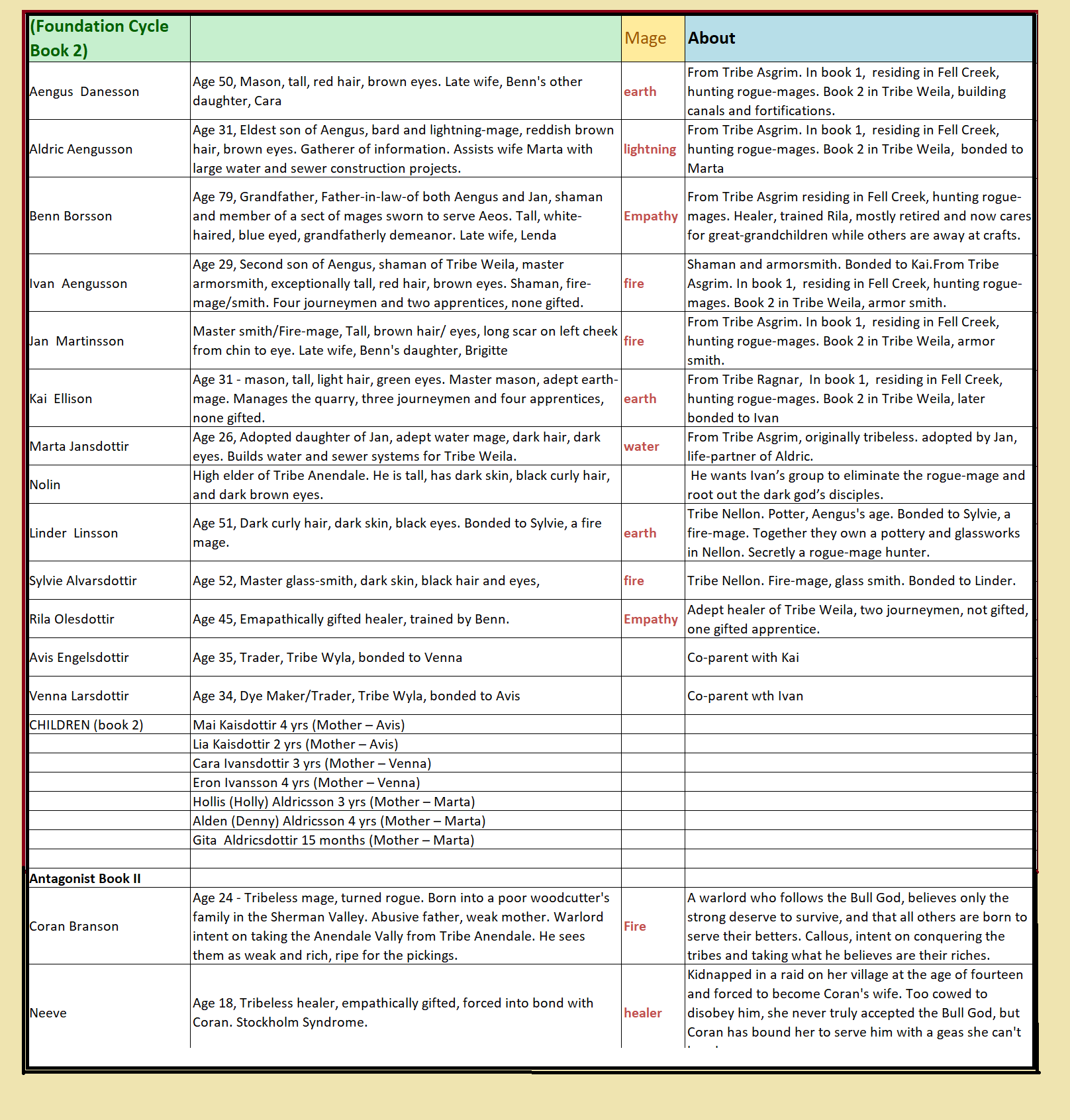 Every side character has hopes and wants something, so that will be noted.
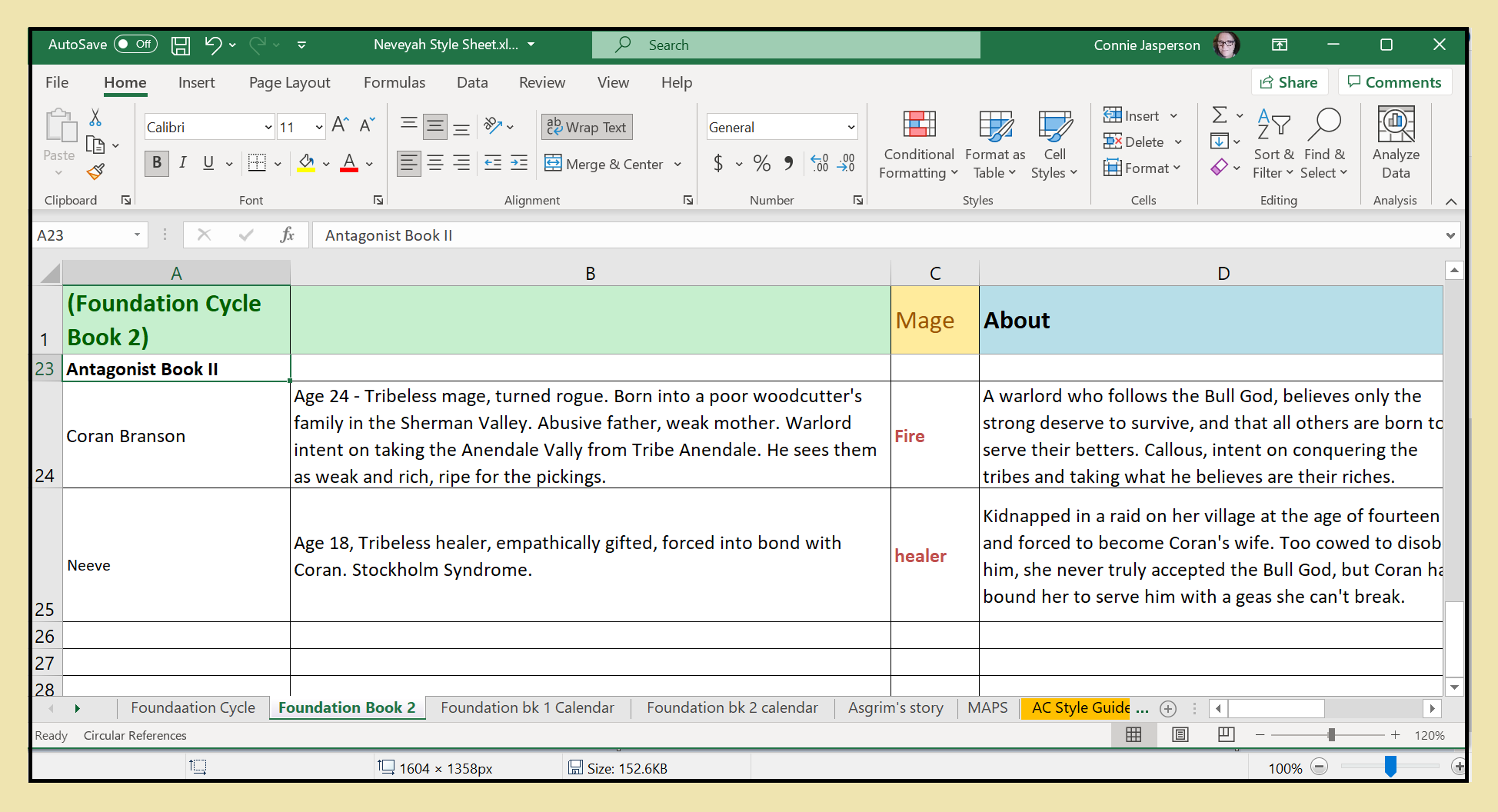 My antagonist will have trusted captains, who will carry out his orders. I just haven’t met them yet, and probably won’t until I begin plotting the antagonist’s arc of the story.
 Race: This is a post-apocalypse world. When the survivors were preparing to leave the catacombs, they divided into 50 tribes and blended the various races and ethnicities as evenly as possible to widen the gene pool. Everyone is of mixed-race heritage, regardless of outward coloring and appearance.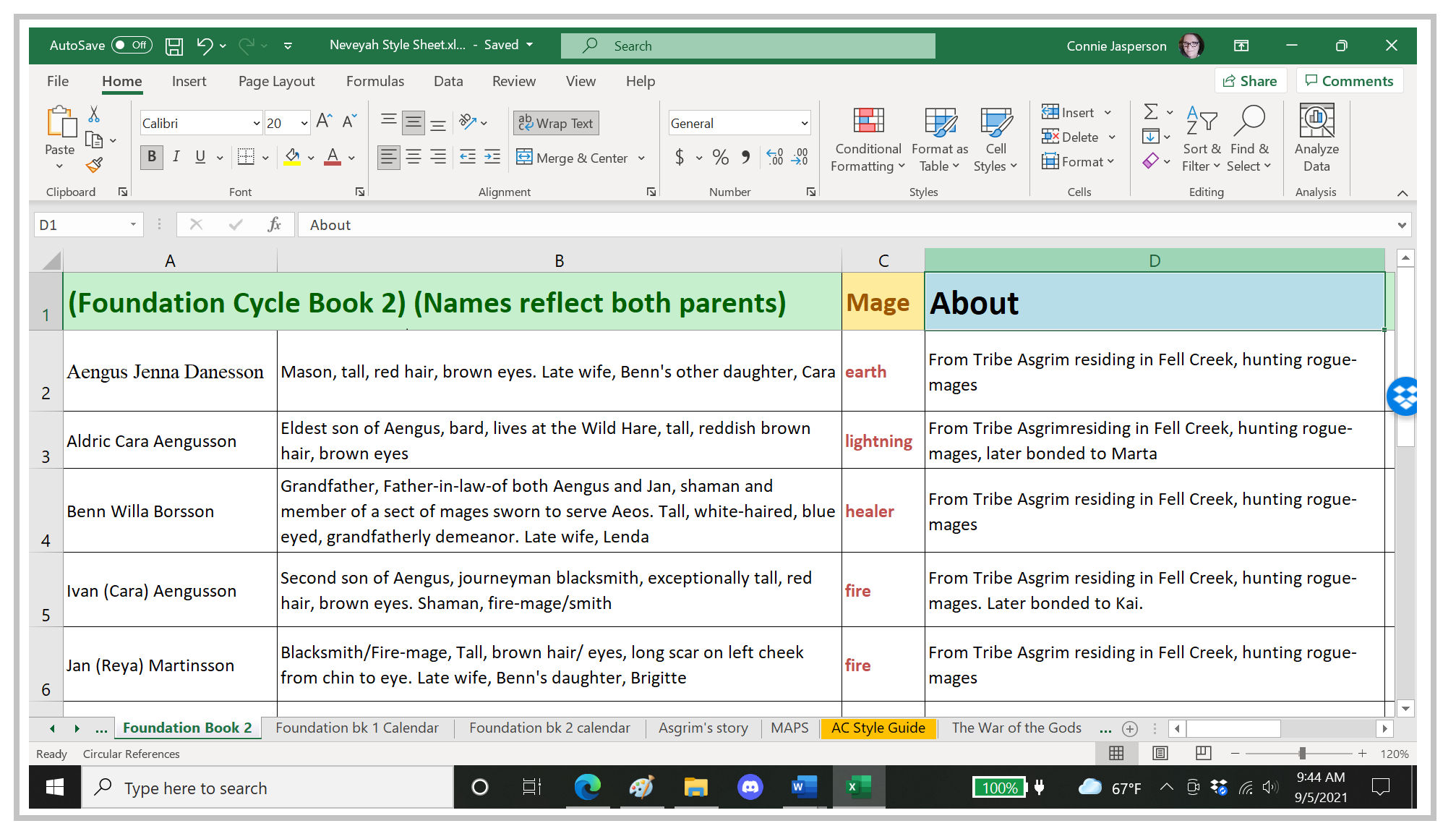
 Next up, we will look closer at our characters and see who their companions are. Some of Ivan’s companions are already established as they were featured in last year’s NaNoWriMo novel. Others are new, and I need to understand who they are and how they fit into Ivan’s story.
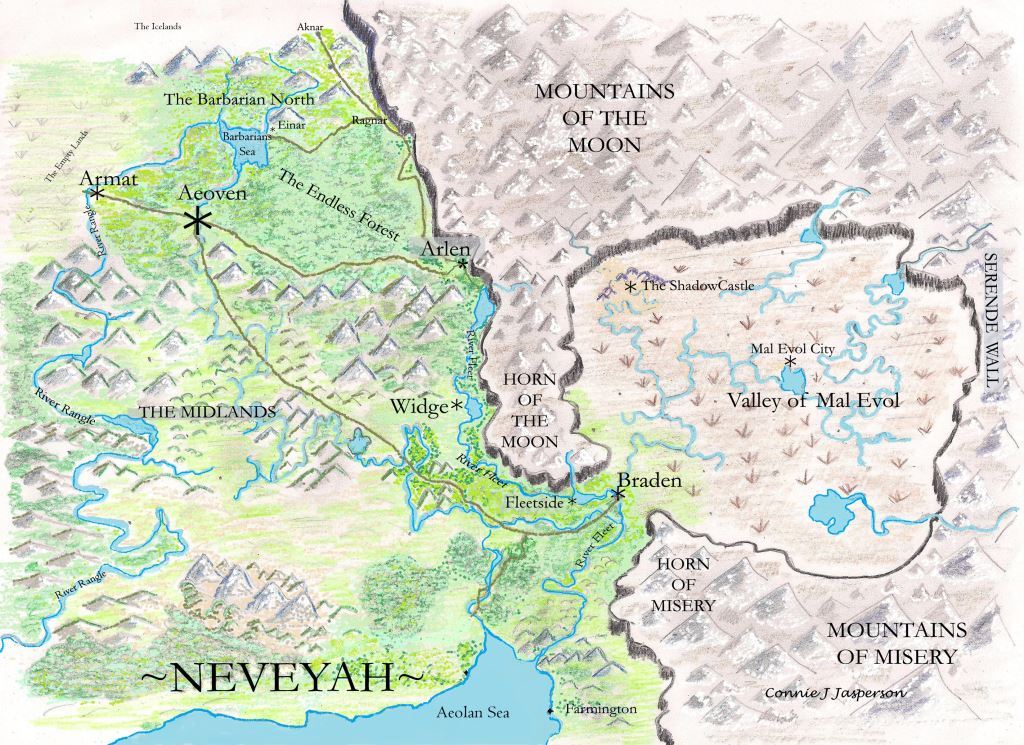 Every series set in this world happens at a different point in their history. The current novel is set in the year 131 AS (After the Sundering). The Tower of Bones series begins in the year 3254 AS. In that era, the Sundering of the Worlds is almost a legend, yet the black wall of the Escarpment topped by the Mountains of the Moon still testifies to the reality of the event.
 It’s a low-tech agrarian society. Tribal villages are communal, run by a council of elders. Everyone contributes to the community’s storehouses and benefits equally. While some earn more and others less, there is no class disparity. Ivan lives in Weiland, the main citadel of a western tribe, Weila.
 If our work is set in an actual location, we should know where to find resources for appropriate slang, urban myths, and other local peculiarities. I suggest adding a list of where to easily access the resources about your chosen community to your storyboard. My co-Municipal Liaison, Lee French, reminds us that we don’t have to immerse ourselves immediately, just lay the groundwork for November.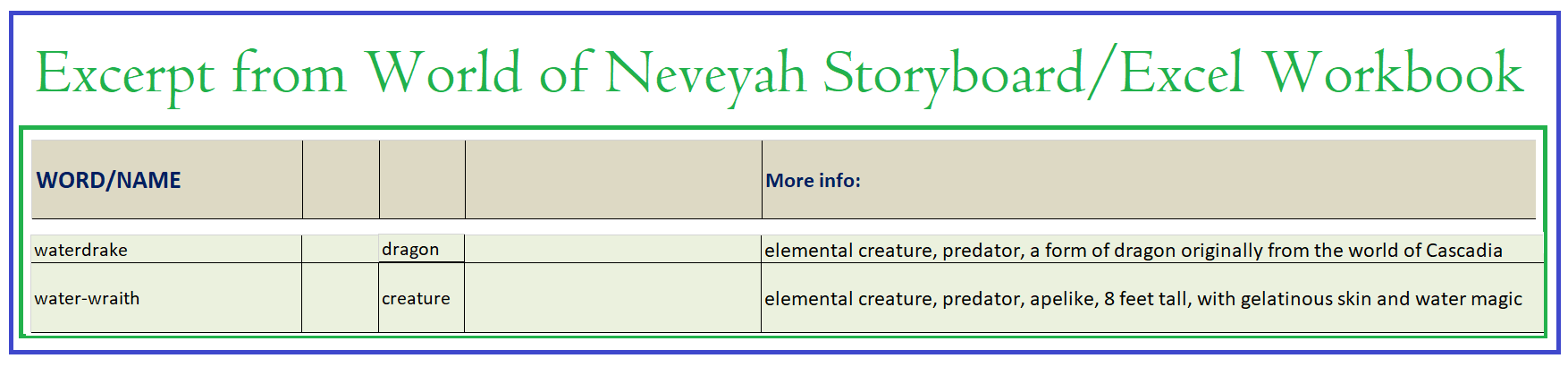
 I do this by having my daily prompts all set out in advance in the outline. Then I set myself in front of my computer and wing it for at least two hours.
 Lee French, my co-municipal liaison, has given us great advice over the years. One thing she starts us with is something writers usually don’t think of until they have to: genre and keywords.
 Other things to consider are point of view and narrative tense. Who can tell the story most effectively, a protagonist, a sidekick, or an unseen witness? And will it be written in the 1st person, 2nd person, 3rd person limited, or 3rd person omniscient? What narrative time will the story be set in, the present or past tense?
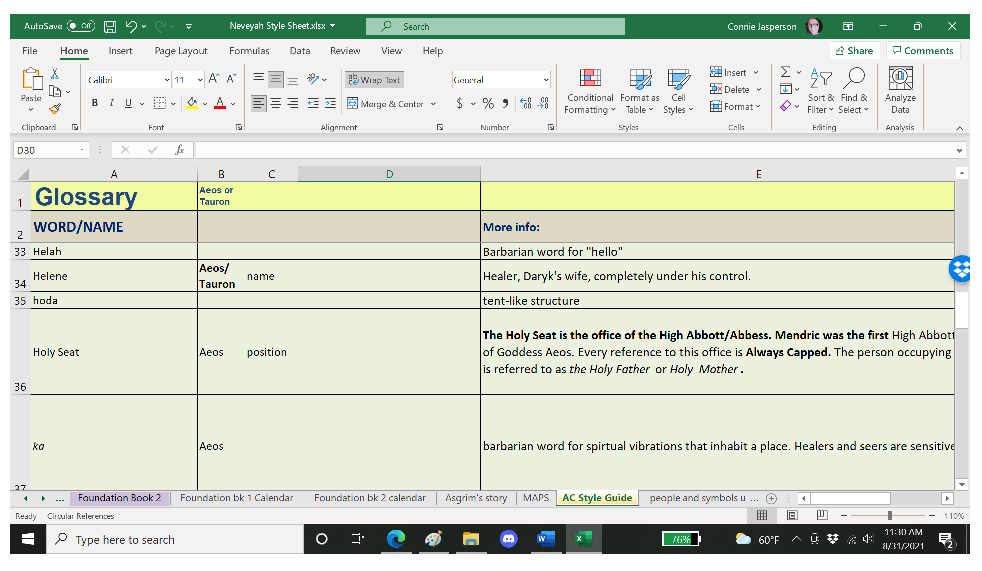 I always give the proto novel a working title that becomes the storyboard’s label. The book I am writing is set in the world of Neveyah, and so it belongs with the rest of the books set in that world. The workbook is labeled Neveyah.xls, and the spreadsheet that I will be working on will be labeled “Ivan’s Story II,” as I currently don’t have a title.
 Preplanning takes advantage of all the pertinent ideas I have at the outset and offers me a jumping-off point. Like a connect the dots game, I know how to write the story that happens between and because of each event. Having this knowledge helps me take the story to its conclusion, allowing me to have the full story arc written in thirty days.
 If you haven’t heard of this before, it’s a worldwide event that happens in November. Each year thousands of people in all parts of the world dedicate themselves to writing a 50,000-word narrative in only thirty days.
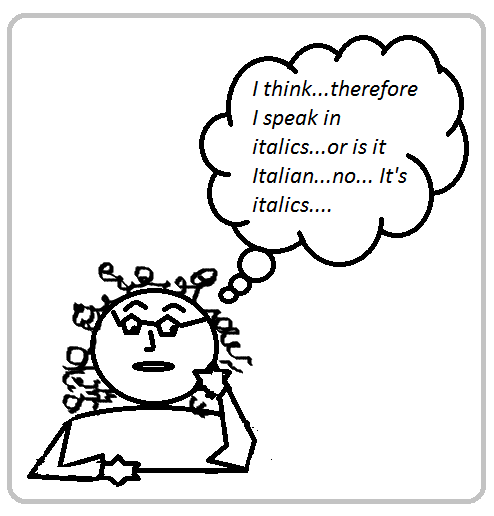 But I got side-tracked. On day 5, I thought about an artifact’s origin that has a role in my still-unfinished novel. 80,000 words later, that bunny trail had become a novel, The Ruins of Abeyon.
 Succeeding in writing even a short story gives many authors the confidence to continue. In their case, NaNoWriMo is about writing and completing a novel they had wanted to write for years, something that had been in the back of their minds for all their lives.
 Over the next few weeks, we will focus on laying the groundwork for our novels so that we will be ready and able to write when November comes. Much of what I will be discussing has emerged from our experience and comes from my co-ML Lee’s prep work as much as from mine.
 My parents also had bought
 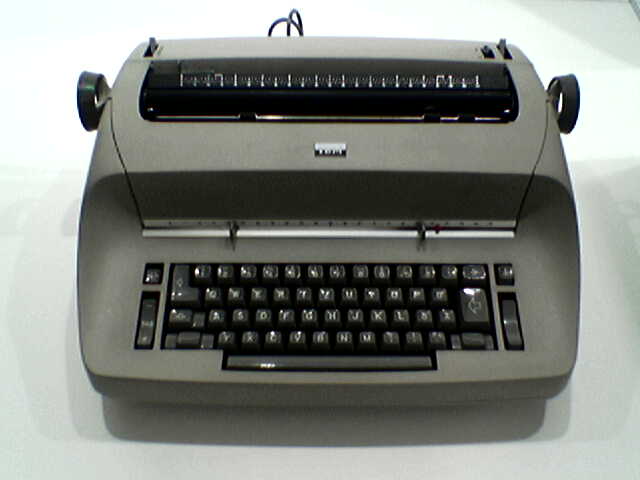 Then, in 1987, my father bought me a secondhand
 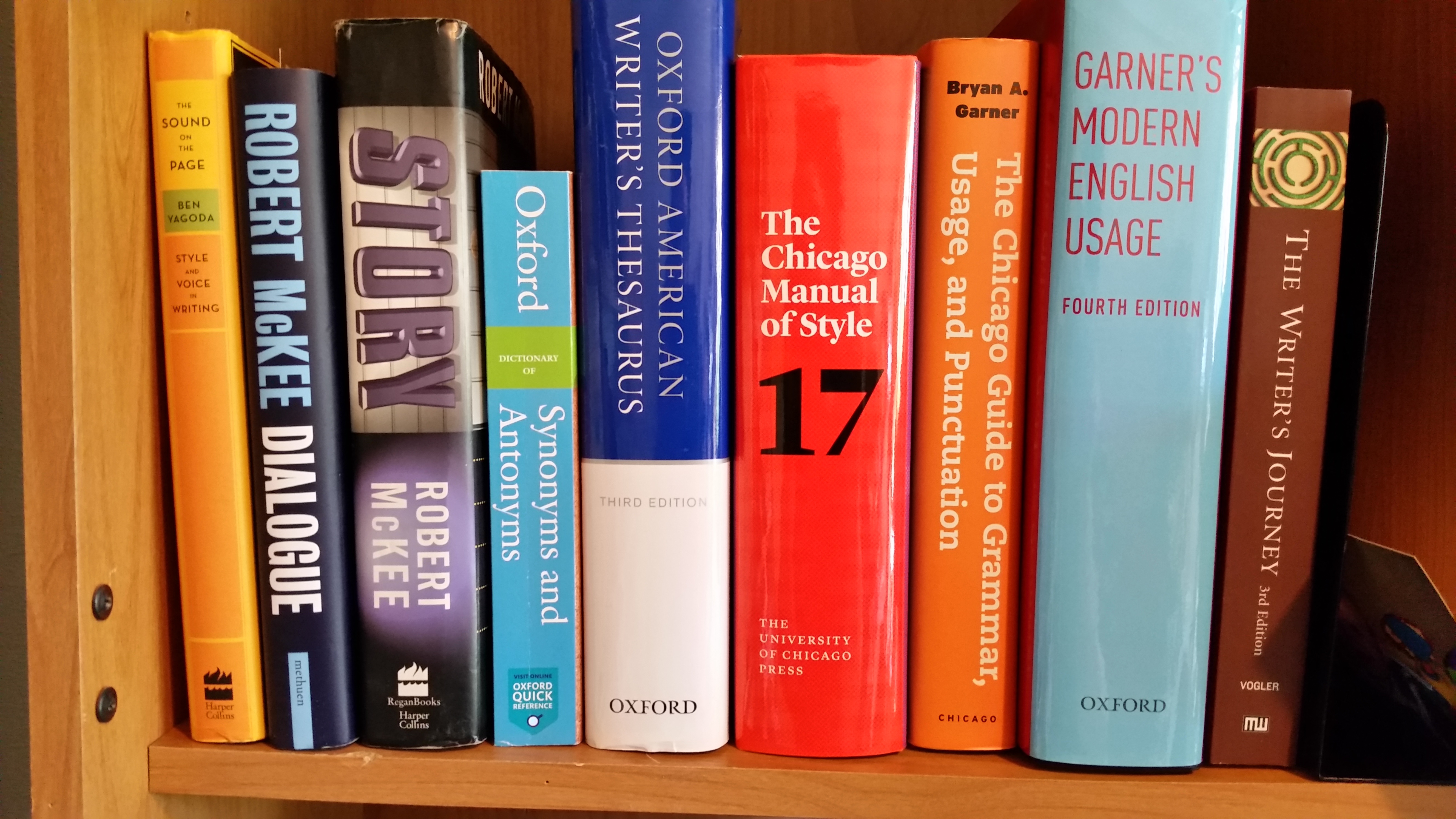 I’m proud to admit that my literary influences can be traced back to dragons, booze, elves,
  I shared what I wrote with other people and got feedback, some good, some bad. I learned from it all and kept trying. I bought books on the craft of writing.
 Lee French and Jeffrey Cook co-authored the book,
  Earning a living is tough for an author, whether you go the indie or traditional route. Many writers have turned to
 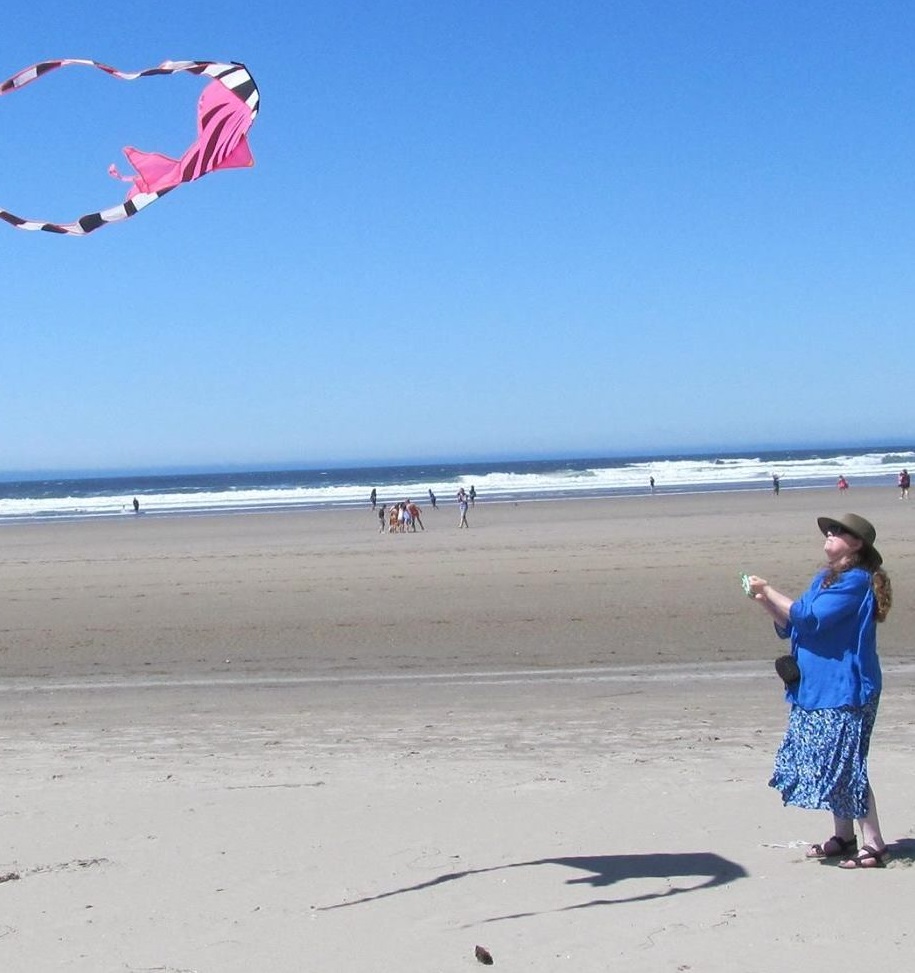 Such is NaNoWriMo—you never know what will happen during that month of madness and hilarity. I’ve been participating since 2010 and a Municipal Liaison since 2012, and every year is different. Some years I can only churn out short stories and poetry; other years, I’m cursed with novels.
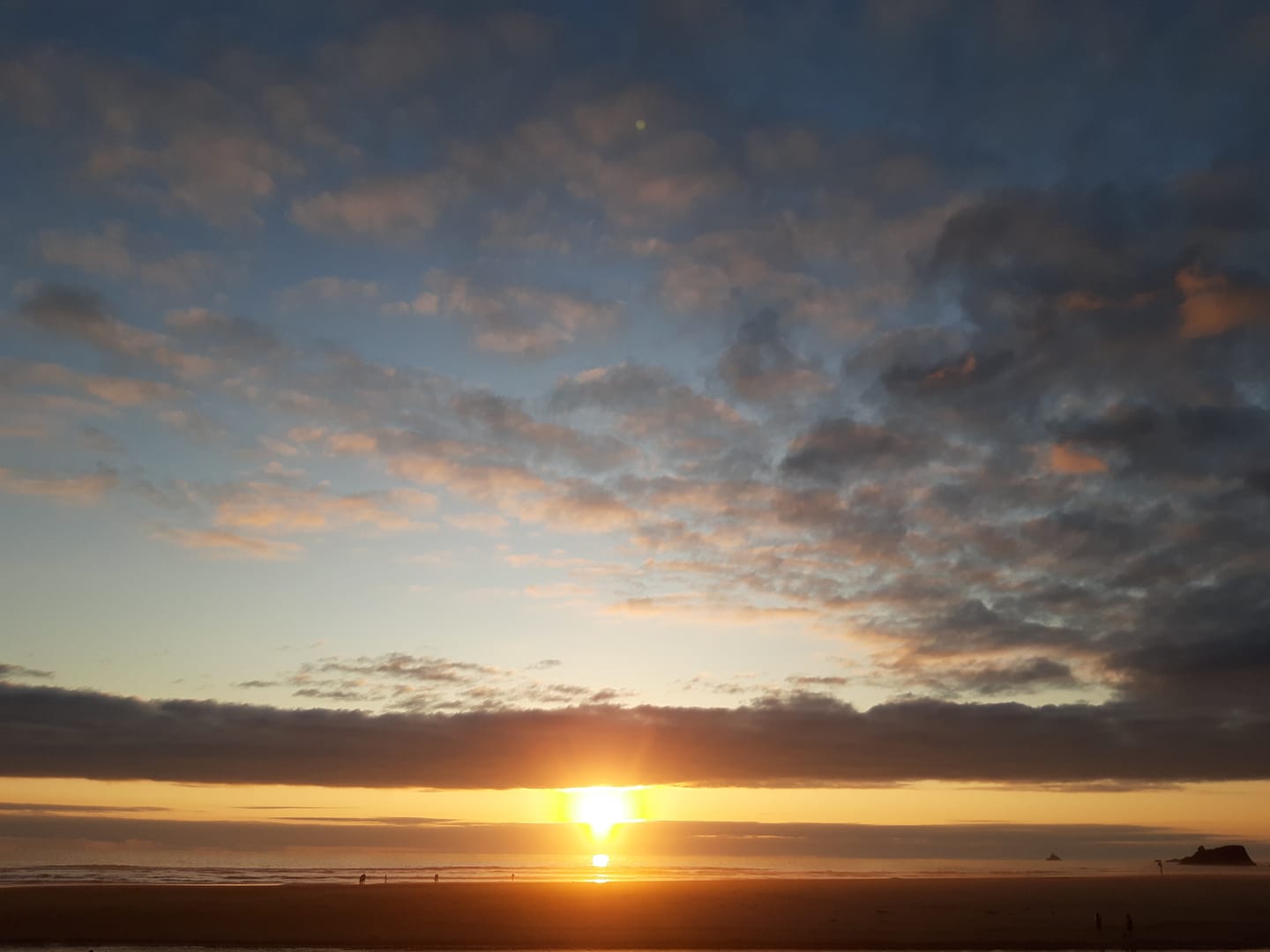 We booked in January, so we got our favorite condo on the beach. Some years we don’t get it, but we always have fun. My sister-in-law and her husband are in a small house a bit further toward the other end of town. The daughter with the teenagers is staying in the neighboring town of Seaside, which is more oriented to teenagers and caters to their idea of fun.
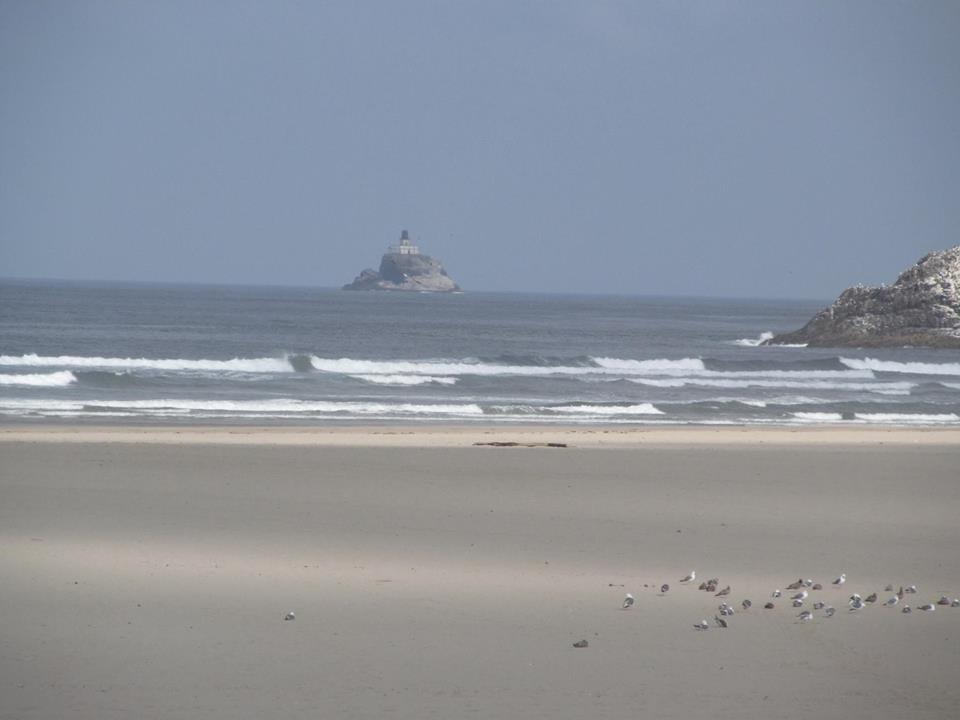 In September 1879, a third survey was ordered, this time headed by John Trewavas, whose experience included the
 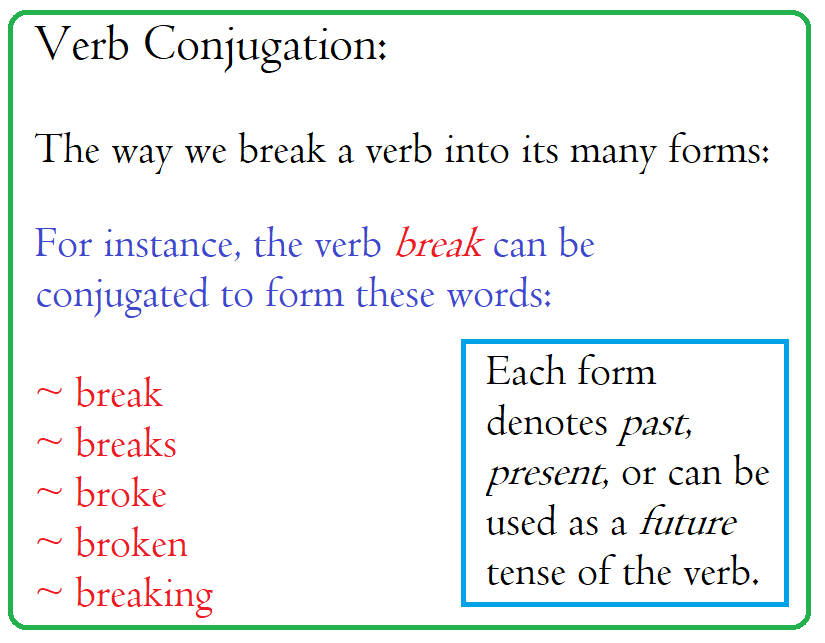 Today we’re discussing how narrative time, or what we call tense, affects a reader’s perception of character development. In
  In the rewrite, we look for the code words that tell us the direction in which we want the narrative to go.


 Life in the Realm of Fantasy
