
I am in the process of making an outline for a new novel, which I intend to begin writing in November for NaNoWriMo. I have the setting and the society, as it’s an established world, and I have the basic idea for the plot—a murder. But before I get to that, I need the characters.
 When I plan a character, I make a simple word picture of them. The word picture is made of a verb and a noun, the two words that best describe each person.
At the outset, I want to know the good things about these characters. I make a personnel file for them. But I need more than a picture of my favorite actor and a brief bio. I must decide the verb (action word) that drives them and the noun (object of the action) that holds them back.
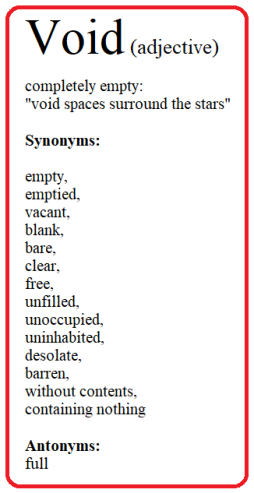
This is their void, the emptiness they must fill.
First, I assign nouns that tell us how they see themselves at the story’s outset. I also look at sub-nouns and synonyms, which means I must put my thesaurus to work.
Let’s look at four characters from my novel, Julian Lackland, published in 2020. Each of these side characters impacts Julian’s life for good or ill.
Julian’s Noun is: Chivalry (Gallantry, Bravery, Daring, Courtliness, Valor, Love)
Beau’s Noun is: Bravery (Courage, Loyalty, Daring, Gallantry, Passion)
Lady Mags’s Noun is: Audacity (Daring, Courage)
Bold Lora’s Noun is: Bravado (Boldness, Brashness)
The way we see ourselves is the face we present to the world. These self-conceptions color how my characters react at the outset. By the end of the story, how they see themselves has changed because their experiences will both break and remake them.
Next, we assign a verb that describes their gut reactions, which will guide how they react to every situation. They might think one thing about themselves, but this verb is the truth. Again, we also look at sub-verbs and synonyms:
Julian has 2 Verbs. They are: Defend, Fight, (Preserve, Uphold, Protect)
Beau’s 2 Verbs are: Protect, Fight (Defend, Shield, Combat, Dare)
Lady Mags’s 2 Verbs are: Fight, Defy (Compete, Combat, Resist)
Bold Lora’s 2 Verbs are: Desire, Acquire (Want, Gain, Own)
 When I write my characters, I know how they believe they will react in a given situation. Why? Because I have drawn their portraits using words:
Julian must Fight for and Defend Chivalry. Julian’s commitment to defending innocents against inhumanity is his void, and ultimately it breaks his mind.
Golden Beau must Fight for and Protect Bravery. Beau’s deep love and commitment to protecting and concealing Julian’s madness is his void. Ultimately, it breaks Beau’s health.
Lady Mags must Fight for and Defy Audacity. She’s at war with herself in regard to her desire for a life with Julian and Beau. Despite their often-expressed wish to have her with them, a triangular marriage goes against society’s conventions more than even a rebel like Mags is willing to do. That war destroys her chance at happiness and is her void.
Bold Lora must Fight for and Acquire Fame. She believes that to be famous is to be loved. Orphaned at a young age and raised by various indifferent guardians, she just wants to be loved by everyone. Julian’s fame has made him the object of her obsession. If she can own him, she will be famous, adored by all. This desperate striving for fame is Lora’s void.
Placing a verb phrase (Fight for and Acquire) before a noun (Fame) in a personality description illuminates their core conflict. It lays bare their flaws and opens the way to building new strengths as they progress through the events.
Or, it will be their destruction.
By the end of the book, the characters must have changed. Some have been made stronger and others weaker – but all must have an arc to their development.
What two words describe the primary weaknesses of your characters, the thing that could be their ultimate ruin? The case of Julian’s story, it was:
Julian Lackland: Obsession and Honor
Golden Beau Baker: Love and Loyalty
Lady Mags De Leon: Stubbornness and Fear (of Entrapment)
Bold Lora: Fear (of Being) Forgotten
So, in that story, a girl who was ignored by everyone, a child who’d lived on the outside of things, decides that the one person who had ever shown her kindness should become her lover, and then fame would follow. The way she goes about it changes everything.
Julian Lackland took ten years to get from the NaNoWriMo novel to the finished product. He spawned the books Huw the Bard and Billy Ninefingers, both of which were written and published before the final version of Julian’s story was completed. Billy and Huw play a huge role in shaping Julian’s life.
 Sometimes the path to publication is fraught with misery; next week, we will discuss that. Other times, the book writes itself and flies out the door. Who knows how my next novel will go?
I do have four characters for my next novel. I have discovered their verbs and nouns—and I need to settle on one of these people as my protagonist. I’ve written a great deal of backstory for each of them and still haven’t figured out who can best tell this story.
Plotting and pacing is my next problem. When I make the outline, I must place events in their path so the plot keeps moving forward. These events will be turning points, places where the characters must re-examine their motives and goals.
I am a step ahead in this process, though. When I begin plotting the events for my next novel, I already know my characters’ weaknesses. I just need to discover the situations they believe they can’t handle.
 A character’s preconceptions color their experience of events. We readers see the story through their eyes, which shades how we perceive the incidents.
Our characters are unreliable witnesses. The way they tell us the story will gloss over their own failings. The story happens when they are forced to rise above their weaknesses and face what they fear.
But the truth is, once I begin writing on November 1st, the characters will ignore all my hard work and drive the story far off the plotted track. But that’s fodder for a mid-November blog post.
 This is a literary theme and is known as the hero’s journey. But it is only the overarching theme. For that hero’s main character arc to work, they need subthemes.
 What is the “hero’s journey” and why am I so fond of it?
  When
When Other novels are entirely character-driven, focusing on the protagonist of the narrative. Much thought is given to how prose is crafted stylistically, using a wide vocabulary. These novels feature thoughtful, in-depth character studies of complex, often troubled, characters. The story is in their day-to-day dealings with these issues. Action is less important than introspection, and the setting frames the characters and their arcs of growth.
 Let’s look again at J.R.R. Tolkien’s
  When we are constantly prodded to make our work focus on action and events, it becomes easy to forget that characters have an internal arc. They must grow for good or ill.
 I step away from my project for a week or two or even longer when stuck. When I come back to it, the characters and their journey is new again, inspiring me to finish their story. This is why I am a slow writer.
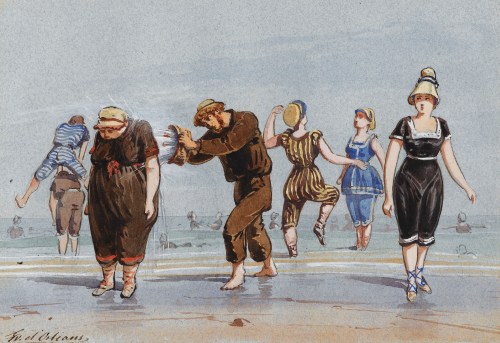 Artist: François d’Orléans, prince de Joinville (1818-1900)
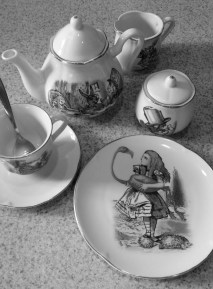
 It’s a mystery. The cup is full, and then it is empty, a Schrodinger’s cup of tea, there and not there.
 Humans are amused by things and incidents that violate the accepted way things should work and which do so in a non-threatening manner. We see the characters having difficulty in certain situations and find humor in the fact their dilemmas are so relatable.
 I like things that surprise me, situations that detour sharply from the expectations of normal. In
 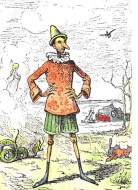 I do have a cruel streak when it comes to my written characters. The ability to laugh at oneself and to learn from missteps is critical in real life. Admitting you are the architect of your own disaster and accepting your own human frailty is a major step to adulthood.
 Do you write your heroes with few flaws, or do you portray them as “warts and all?” That becomes a matter of what you want to read.
 Still, I write stories about people who might have existed and have their own views of morality. In each tale, I try to get into the characters’ heads. I want to understand why they sometimes make terrible choices, acts that profoundly change their lives.
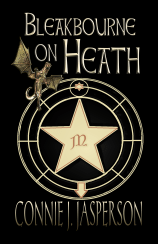 To me, the flawed hero has much to offer us. In my most recently published book, a stand-alone novel called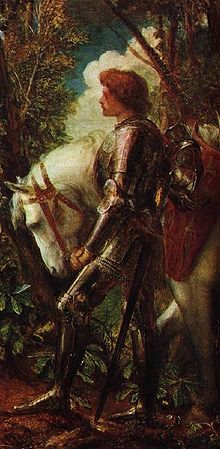
 The difference between the antagonist and the hero is the amount of grayness in their moral compass. When does the gray area of morality begin edging toward genuinely dark? What are they not willing to do to achieve their goal?



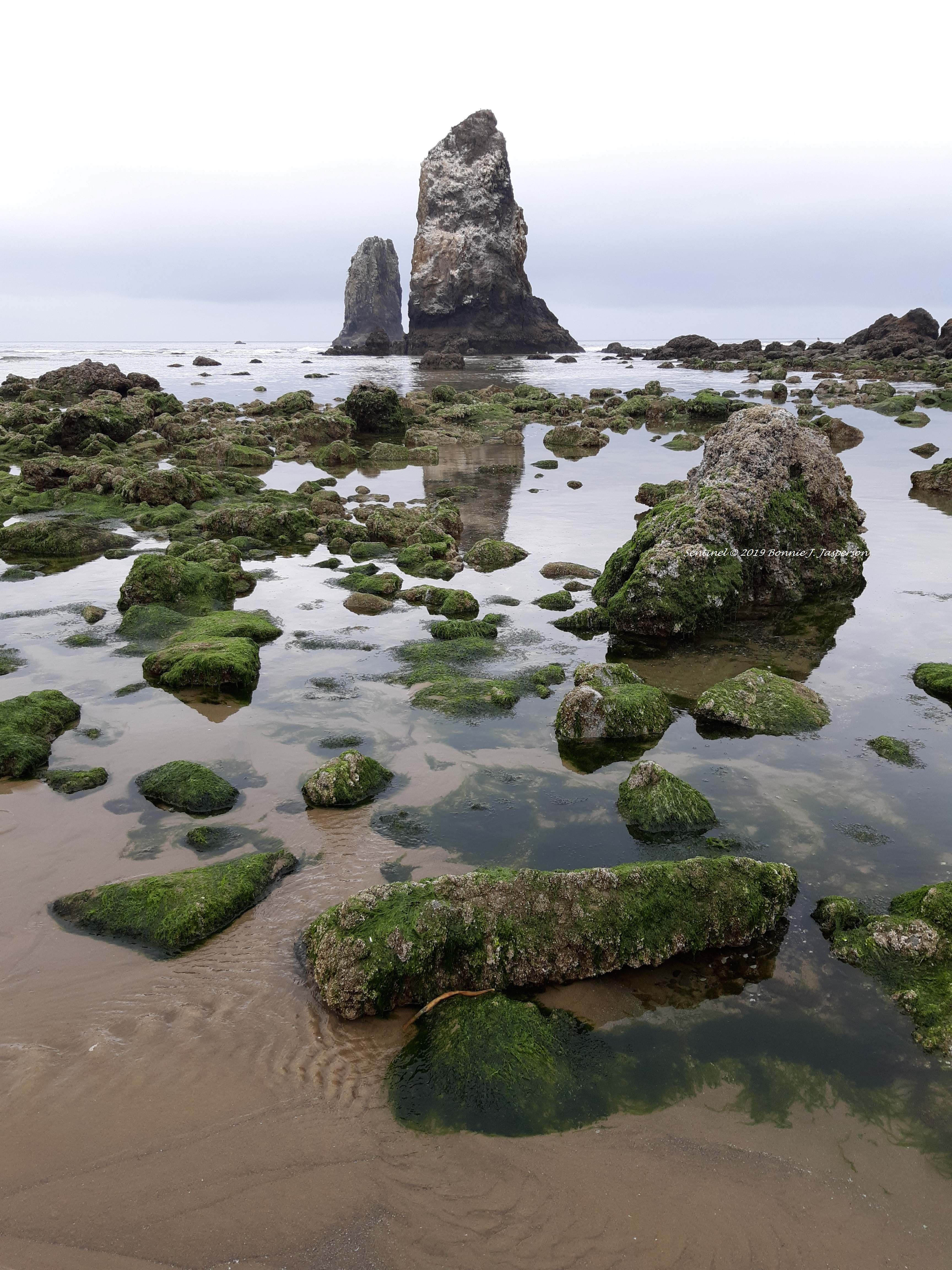

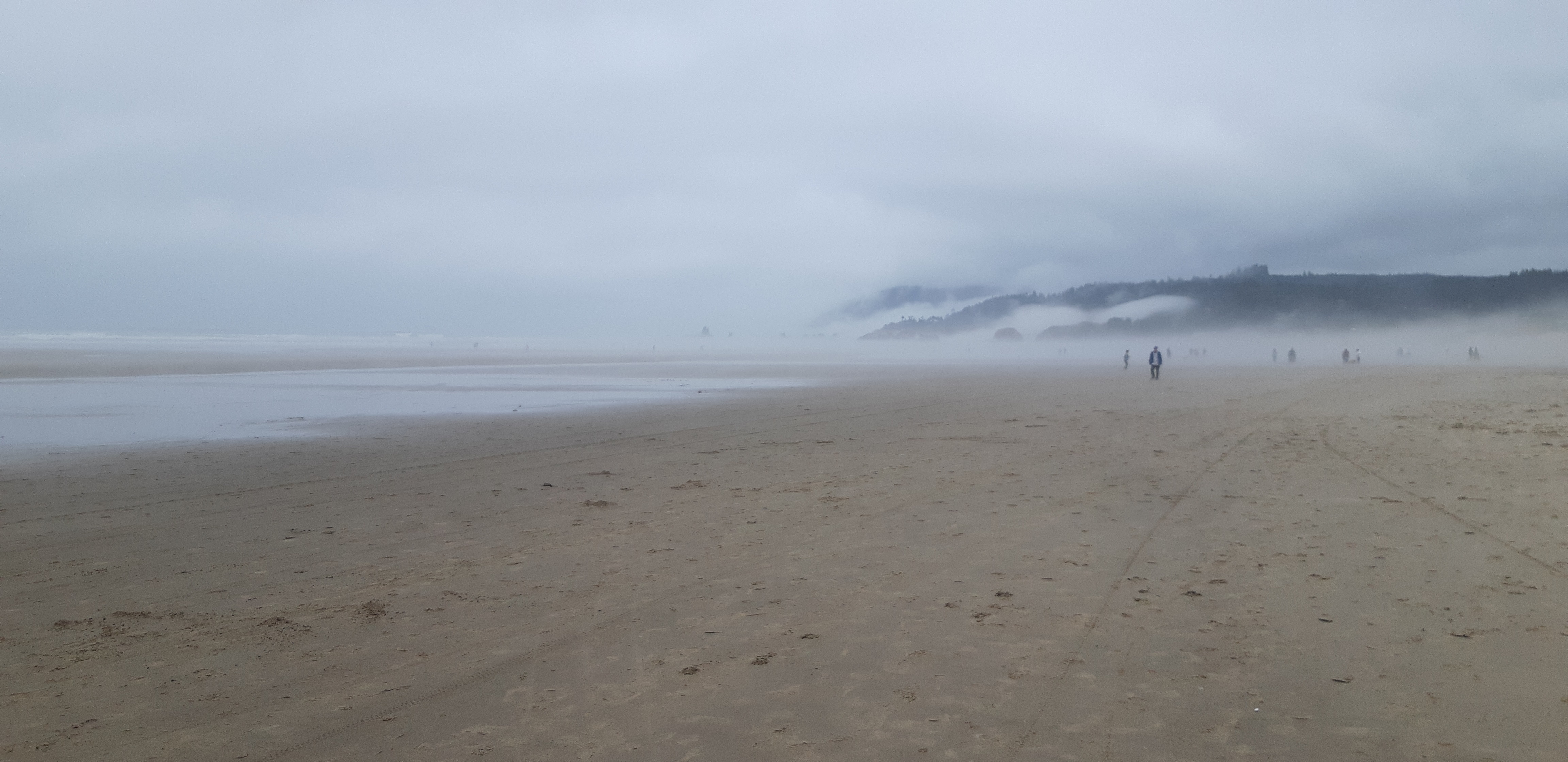
 Most years, we visit the brewery and each of the several coffee roasters and sit for long hours, enjoying both the view and la vita dolce. This year we plan to do more than window-shop in the numerous art galleries. We have a wall in our new apartment that needs art. Of course, we will spend time in the local bookstores.
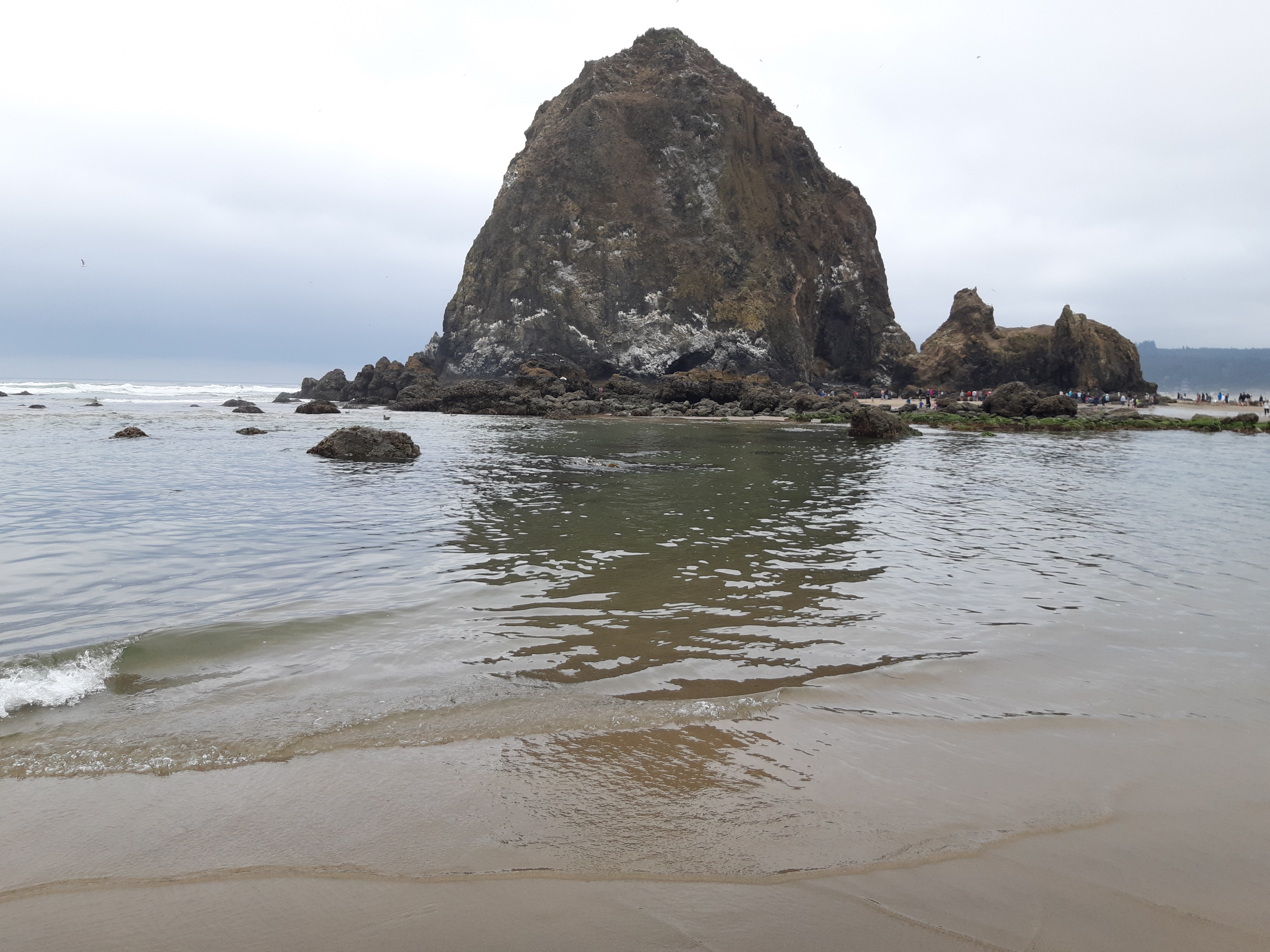 Each year I watch the everchanging weather as it blows in, imagining stories about the pelicans and other seabirds who hang out on the sandbar opposite our condo.
 One of my favorite authors writes great storylines and creates wonderful characters. Unfortunately, the quality of his work has deteriorated over the last decade. It’s clear that he has succumbed to the pressure from his publisher, as he is putting out four or more books a year.
 This frequently happens to me in a first draft, but whoever is editing for him is letting it slide, as it pads the word count, making his books novel-length. I suspect they don’t have time to do any significant revisions.
 When we lay down the first draft, the story emerges from our imagination and falls onto the paper (or keyboard). Even with an outline, the story forms in our heads as we write it. While we think it is perfect as is, it probably isn’t.
 Inadvertent repetition causes the story arc to dip. It takes us backward rather than forward. In my work, I have discovered that the second version of that idea is usually better than the first.
 You see things from a different angle when you start reading the chapter from the end and work your way toward the beginning. It’s amazing how many bloopers show up when you do this, even though you have already read it aloud. When you read it aloud you were going the direction you always go, the way you know so well. The mind tricks us, and we read what should be there instead of what is.
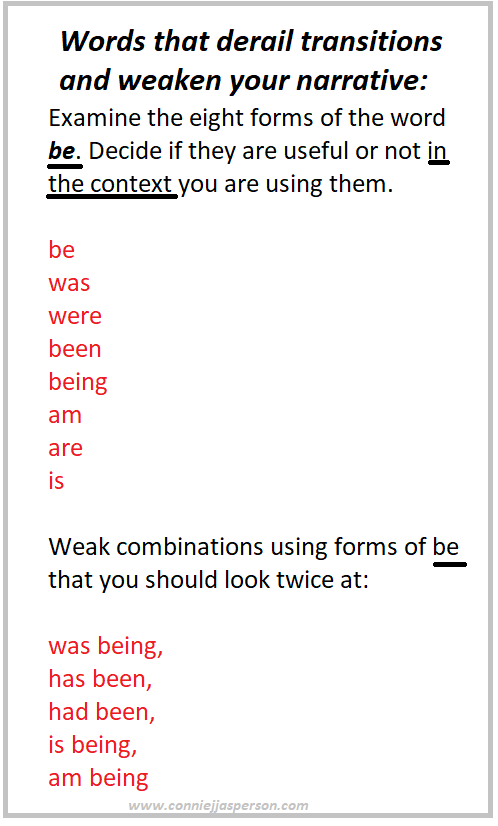 Here are a few things that stand out when I do this:
 If you have the resource of a good writing group, you are a bit ahead of the game. I suggest you run each revised chapter by your group and listen to what they say. Some of what you hear won’t be useful, but much will be.
 I am fortunate to have excellent friends willing to do this for me. Their suggestions are thoughtful and spot-on.
 Characters: Is the point of view character (protagonist) clear? Did you understand what they were feeling? Were they likable? Did you identify with and care about them? Were there various character types, or did they all seem the same? Were their emotions and motivations clear and relatable?
 Editing is a process unto itself and is the final stage of making revisions. The editor goes over the manuscript line-by-line, pointing out areas that need attention: awkward phrasings, grammatical errors, missing quotation marks—many things that make the manuscript unreadable. Sometimes, major structural issues will need to be addressed. Straightening out all the kinks may take more than one trip through a manuscript.
 A reader won’t be familiar with it and will notice what we have overlooked.
 When observed by others, a person who is daydreaming appears lazy. Mind-wandering has no obvious purpose, but it is critical for creativity. Every groundbreaking discovery in science, every great invention we enjoy today—all were inspired by ideas that came to a person while thinking about something else or when they were mind-wandering.
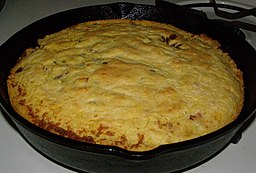 My oldest daughter, looking at our dinner, a casserole of beans with cornbread baked on top like a cobbler: “What the heck is that?”
 Perception is in the eye of the beholder. Observation and thought are seeds that inspire extrapolation, leading the viewer to come away with new ideas. When I see the story captured in a single scene by an artist, my mind always surmises more than the painting shows. I see the picture as depicting the middle of the story and imagine what came before and what happened next. Unintentionally, I put a personal spin on my interpretation, and ideas are born. I don’t mean to, but everyone does.
 This means that daydreaming is actually good for you. It boosts the brain, making our thought process more effective. Letting the mind wander allows a kind of ‘default neural network’ to engage when our brain is at wakeful rest, as in meditation, rather than actively focusing on the outside world. When we daydream, our brains can process tasks more effectively.
 You could be watching the birds, as my husband and I often do. Or maybe you’re perusing the display in a local art gallery or listening to music. I love all genres of music, but for writing I often find inspiration in powerhouse classical pieces such as Orff’s cantata,


.jpg&oldid=449104554)