
The transition scene is the most challenging part of the narrative for me to devise in the first draft. I get stuck, trying to decide what information needs to come out and what should be held back. I forget that the first draft is only the foundation of the bigger picture.
 We add the details when we begin the revision process. One of the elements we look for in our narrative is pacing, or how the story flows from the opening scene to the final pages.
Our manuscript is finished in the regard that it has a beginning, middle, and ending, but it’s not yet ready for a reader. Now that we have the story’s skeleton, it’s time to flesh it out.
Stories are comprised of a string of moments that are connected by common themes. These moments are scenes, and when you put them together in the right order, they combine to form a narrative.
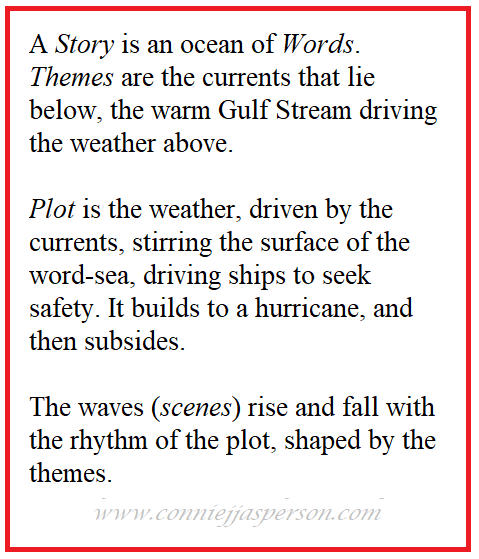 This string of scenes is like the ocean. It has a kind of rhythm, a wave action we call pacing. Pacing is created by the way an author links actions and events, stitching them together with quieter scenes: transitions.
Genre fiction has one thing in common regardless of the tropes: characters we can empathize with are thrown into chaos-with-a-plot.
But while the characters might be immersed in turmoil, the reader needs an underlying order in the layout of the narrative. This pacing is subliminal, but without it, the book is chaos.
- action,
- processing the action,
- action again,
- another connecting/regrouping scene
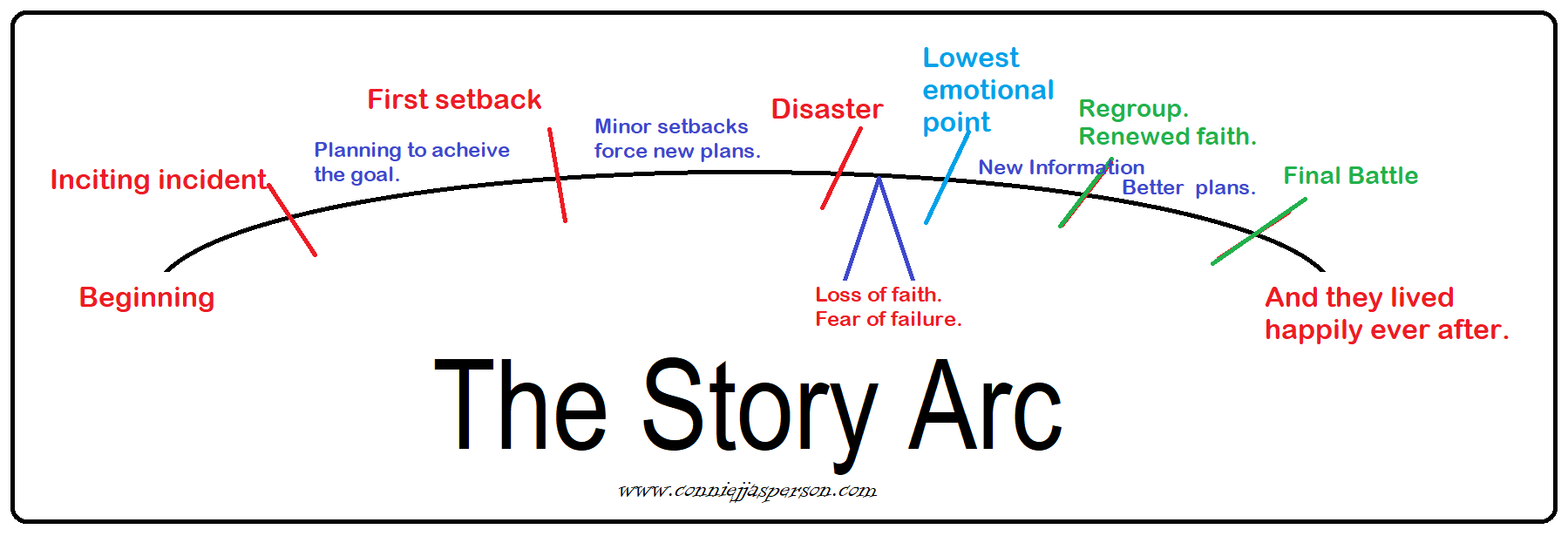
The scene’s arc is like any other: it begins, rises to a peak, and ebbs, ending at a slightly higher point of the overall story arc than when it started.
If you ask a reader what makes a memorable story, they will tell you that the emotions it evoked are why they loved that novel. They were allowed to process the events, given a moment of rest and reflection between the action. The characters can take a moment to think, but while doing so, they must be transitioning to the next scene.
While I am not always successful, I work hard to make each scene as emotionally powerful as possible without going overboard.
Here are a few things a transition scene can show:
- Capitulation (defeat, surrender, change of heart, retreat, giving in).
- Catalyst (spark, stimulus, goad, incentive, the means by which we can fire things up).
- Confrontation (disagreement, opposition, conflict, dispute, sorting things out).
- Contemplation/Reflection (thinking things through, analyzing, seeing events from a different perspective).
- Decision (making a choice for good or ill).
- Emotions (Feelings, passions, reactions, sentiments).
- Information (receiving or offering knowledge, news, the data we must have to go forward).
- Negotiation (mediation, arbitration, “I’ll do this if you’ll do that”).
- Resolution (answer, solution, end, outcome, upshot).
- Revelation (the “oh my god” moment).
- Turning Point (the “it’s now or never” moment).
Make one or more of these functions the core of the scene, and you will have a compelling story.
Plot points are driven by the characters who have vital knowledge. The fact that some characters are working with limited information can create high emotional tension.
A scene comprised only of action can be confusing if it has no context. A properly placed argument or dispute gives the reader the context needed to process the action and understand why it happened. The reader and the characters should receive information simultaneously when they need it.
What concessions will have to be made to achieve the final goal? A transition scene must reveal something new and push the characters toward something as yet unknown, but which is unavoidable.
I picked up my kit and looked around. No wife to kiss goodbye, no real home to leave behind, nothing of value to pack. Only the need to bid Aeoven and my failures goodbye. The quiet snick of the door closing behind me sounded like deliverance.
The character in the above transition scene completes an action (departing for somewhere). It reveals his mood and some of his history in 46 words. Don’t waste words on empty scenes. This is why I find the revision process the most challenging aspect of writing.
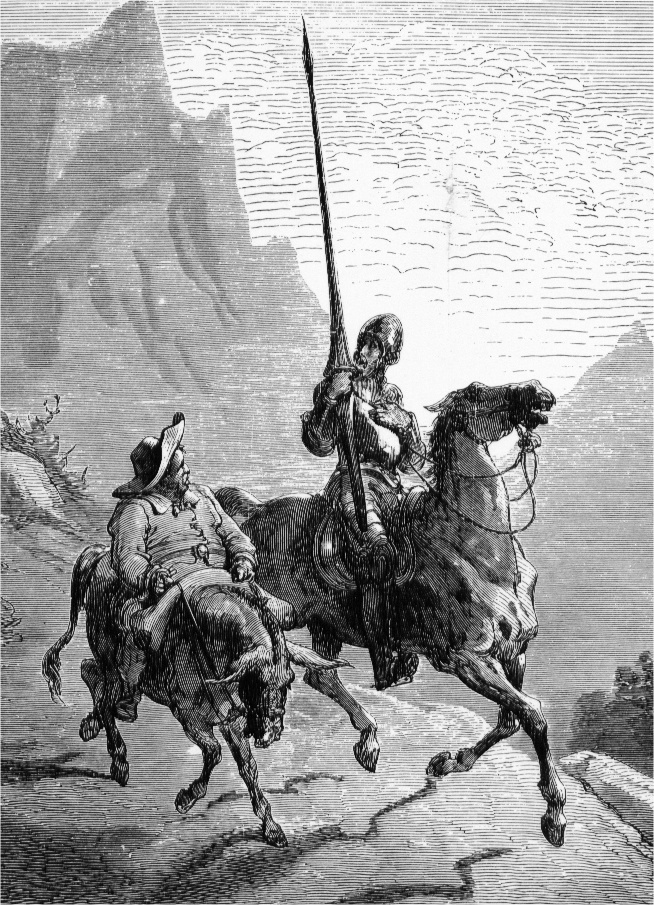
Don Quixote and Sancho Panza, Gustave Dore PD|100
We can’t natter on about nothing, but conversely, we can’t have non-stop action. Pandemonium is exhausting to write and more exhausting to read. The characters and the reader both need to process information, so the character arc should be at the forefront during these transitional scenes. That period of relative calm is when you allow your characters’ internal growth to emerge.
We allow the characters to justify the decisions that led to that point and plan their next move, making it believable.
The transition is also where you ratchet up the emotional tension. Introspection offers an opportunity for clues about the characters to emerge. It opens a window for the reader to see who they are and how they react. It illuminates their fears and strengths. It makes them real and self-aware.
Keep the moments of mind wandering brief. Go easy if you use italics to set your thoughts off. A wall of italics is hard to read, so don’t have your characters “think” too much if you use those.
Characters’ thoughts must illuminate their motives at a particular moment in time and explore information not previously discussed.
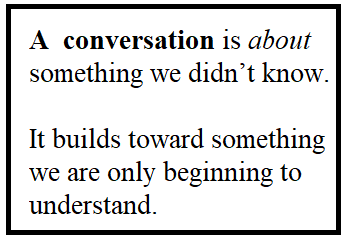 Internal monologues should humanize our characters and show them as clueless about their flaws and strengths. It should even show they are ignorant of their deepest fears and don’t know how to achieve their goals. With that said, we must avoid “head-hopping.” The best way to avoid confusion is to give a new chapter to each point-of-view character. Head-hopping occurs when an author describes the thoughts of two point-of-view characters within a single scene.
Visual Cues: In my own work, when I come across the word “smile” or other words conveying a facial expression or character’s mood, it sometimes requires a complete re-visualization of the scene. I’m forced to look for a different way to express my intention, which is a necessary but frustrating aspect of the craft.
Fade-to-black is a time-honored way of moving from one event to the next. However, I don’t like using fade-to-black scene breaks as transitions within a chapter. Why not just start a new chapter once the scene has faded to black?
One of my favorite authors sometimes has chapters of only five or six hundred words, keeping each character thread separate and flowing well. A hard scene break with a new chapter is my preferred way to end a fade-to-black.
Chapter breaks are transitions. I have found that as I write, chapter breaks fall naturally at certain places.
The struggle to connect my action scenes into a seamless arc with good pacing is why writing isn’t the most uncomplicated occupation I could have chosen. But it is the best job I’ve ever had.
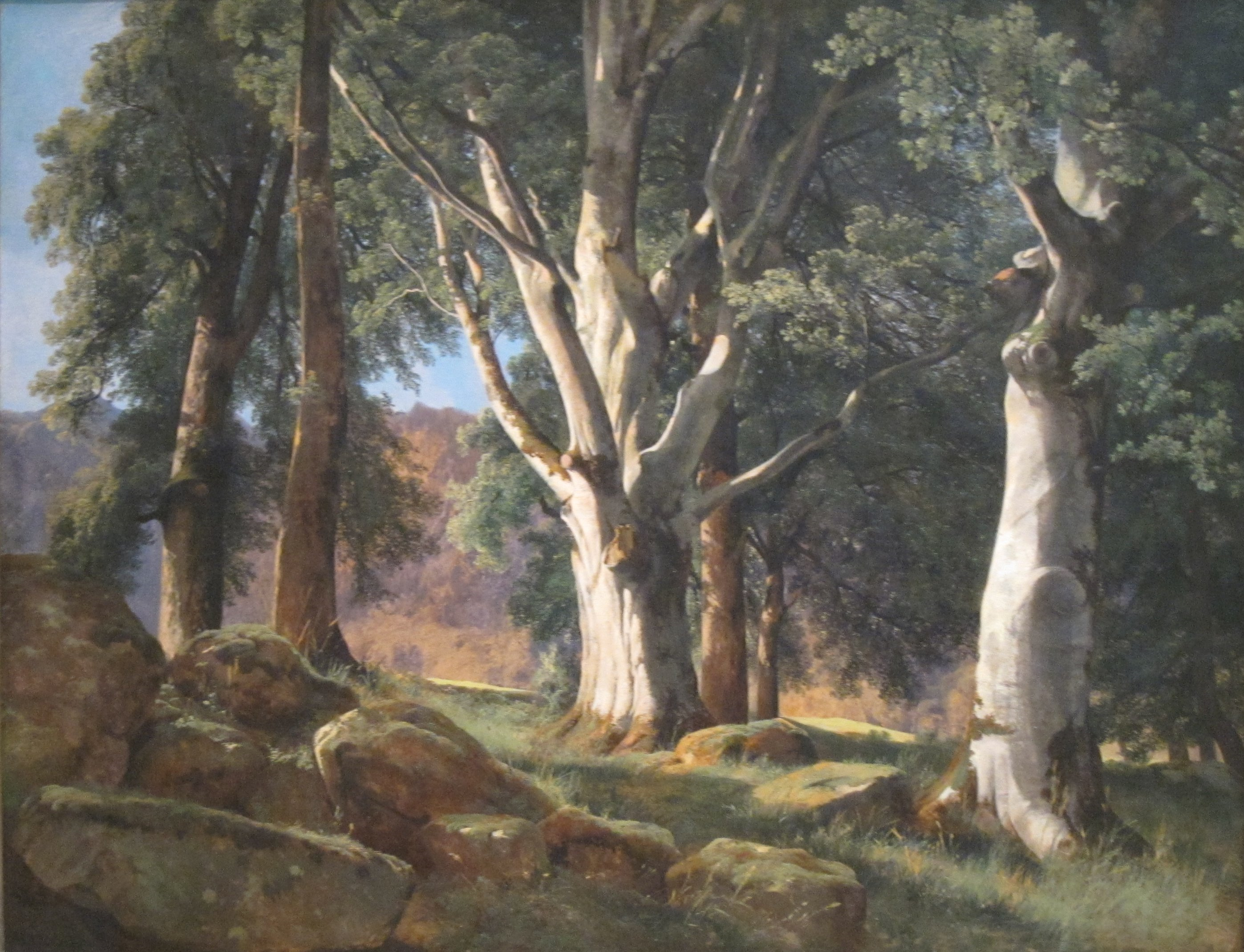 Title: The Sycamores by Alexandre Calame
 They often detail an experience or event and how it shaped the author on a personal level. For those of us who wish to earn actual money from writing, the narrative essay appeals to a broader audience than short stories, so more magazine editors are looking for them.
 But just what is an essay in the first place? The primary purpose of an essay is to offer readers thought-provoking content. The narrative essay conveys our ideas in a palatable form, so writing this sort of piece requires authors to have some idea of the craft of writing.
 HOWEVER – if you want to be published by a reputable magazine, you must pay strict attention to grammar and editing.
 Don’t be discouraged by rejection. Rejection happens far more frequently than acceptance, so don’t let fear of rejection keep you from writing pieces you’re emotionally invested in.
 First of all, camp is relaxed, not an ordeal. You are only tied to the loose goals you set for yourself. You can choose any kind of project, whatever word count goal you feel comfortable with, and there is no pressure.
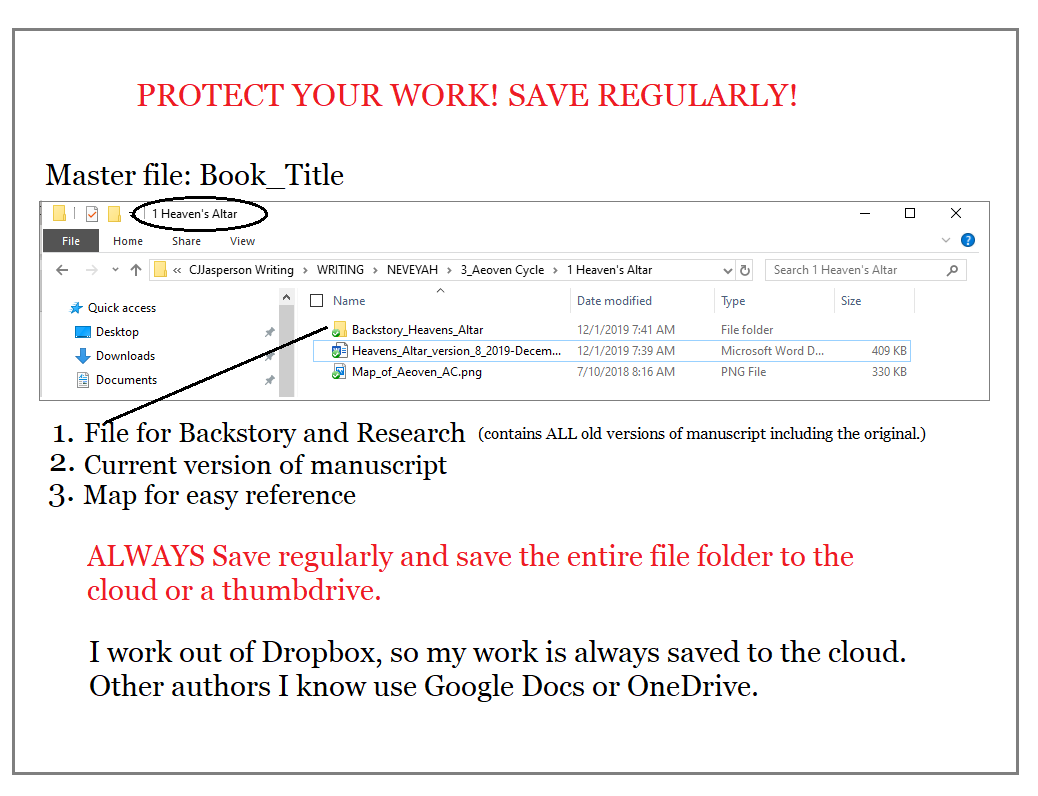 Even if you don’t have a title, name your manuscript with a good, descriptive working title, such as The_Vampire_Story. You can call it something else later.
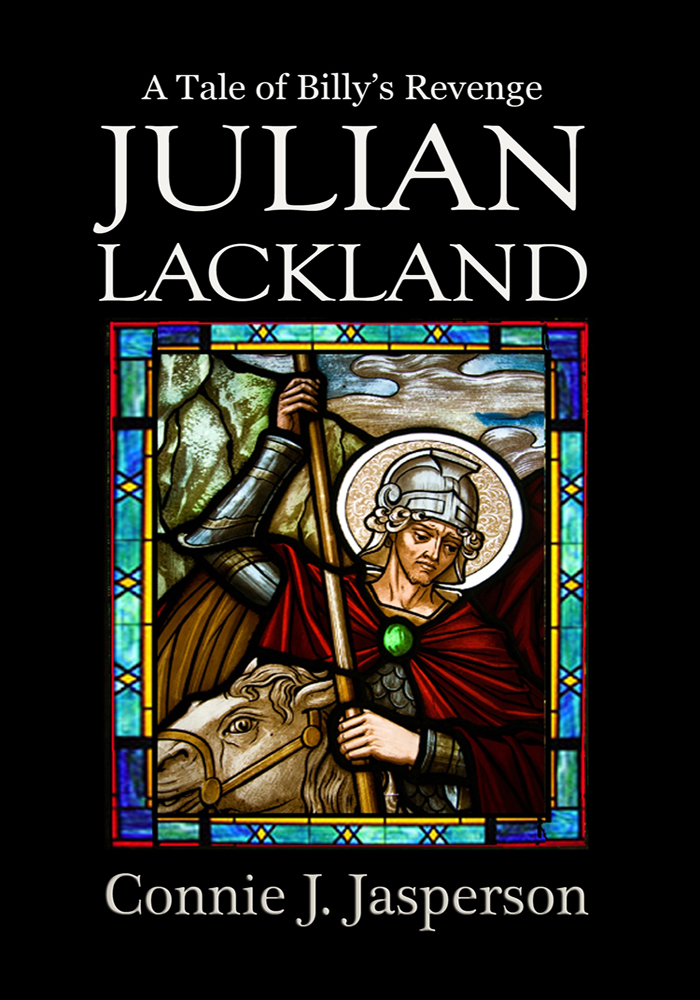 But that first book was a nightmare to edit and straighten out. It became three books, Huw the Bard, Billy Ninefingers, and Julian Lackland.
 Unfortunately, maps have fallen out of favor thanks to satellite technology and the GPS in our cell phones. Many people don’t know how to read a map.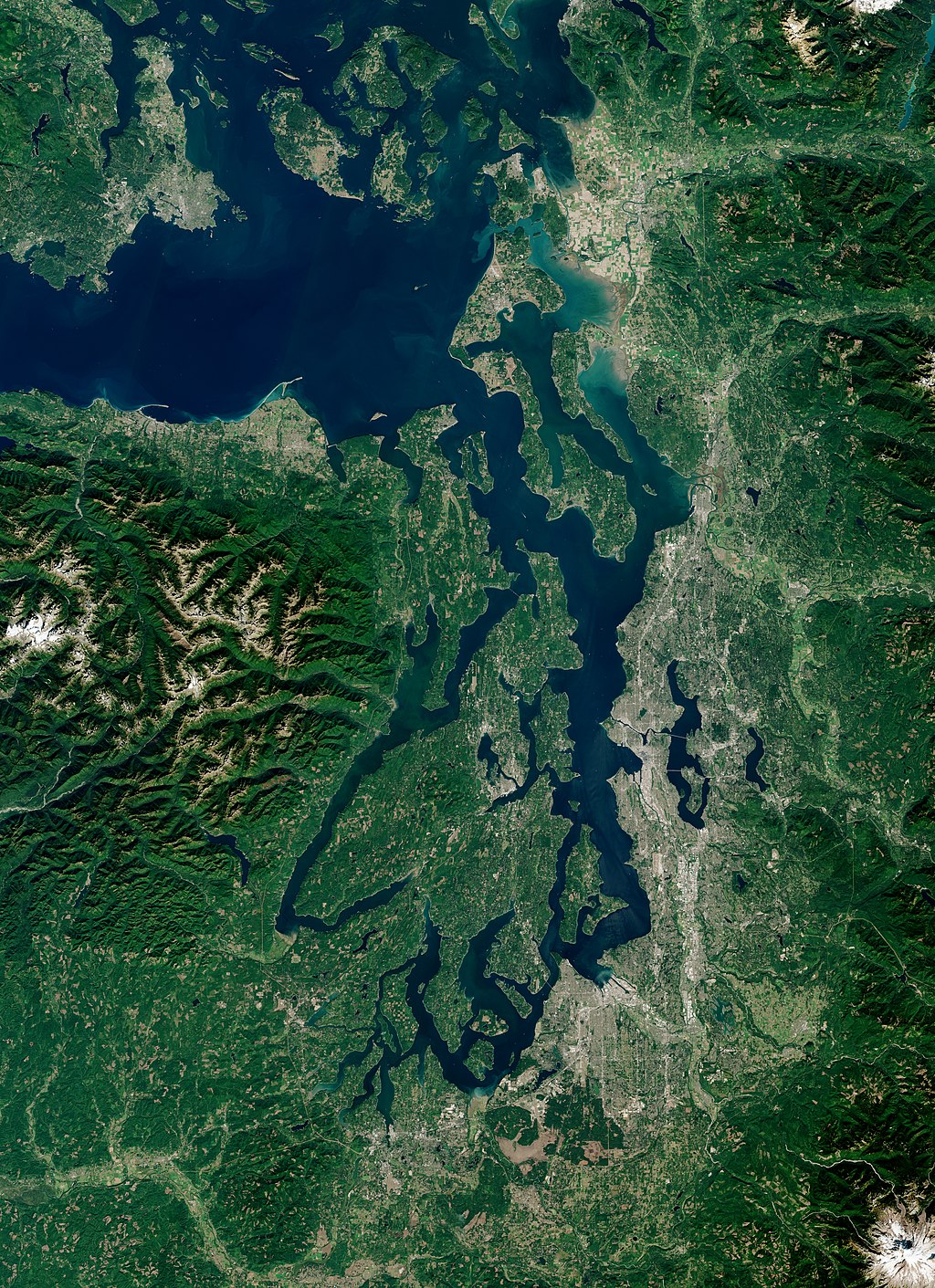
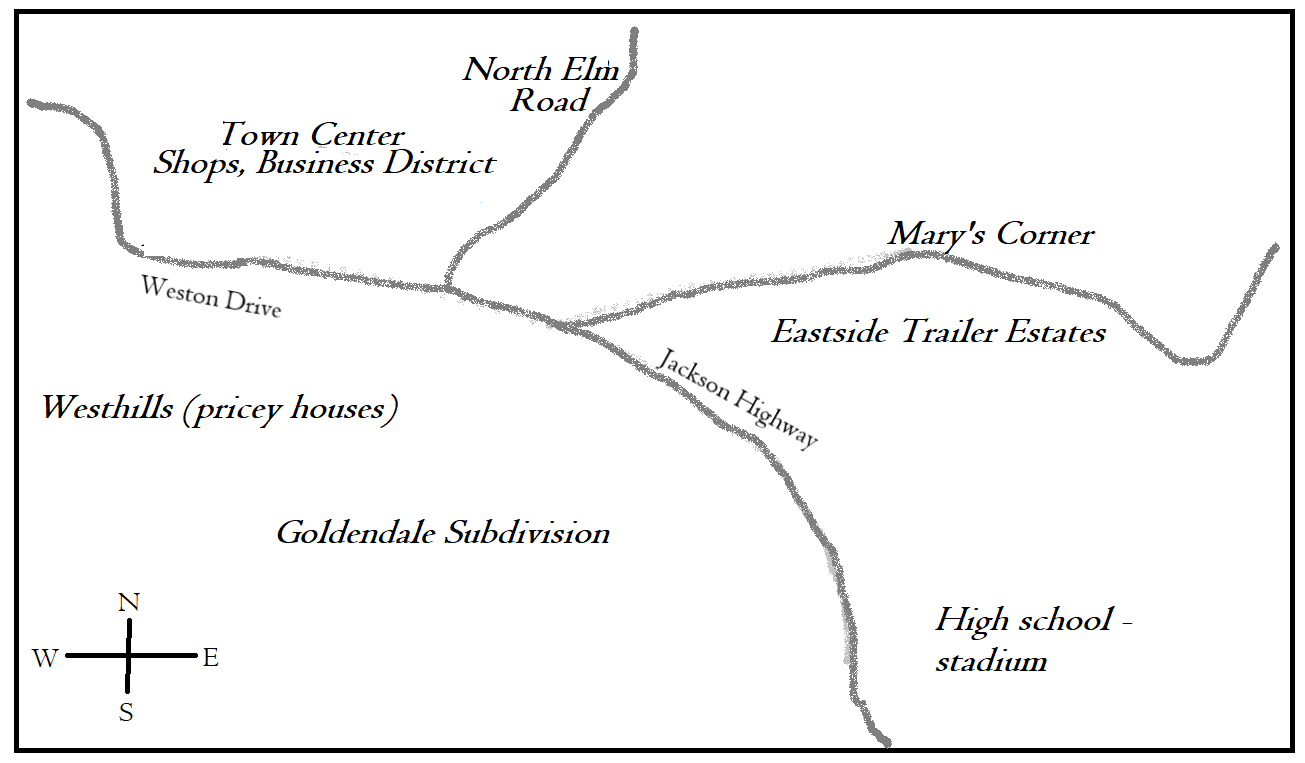 If you are designing a fantasy world, you only need a pencil-drawn map. Place north at the top, east to the right, south to the bottom, and west to the left. Those are called
 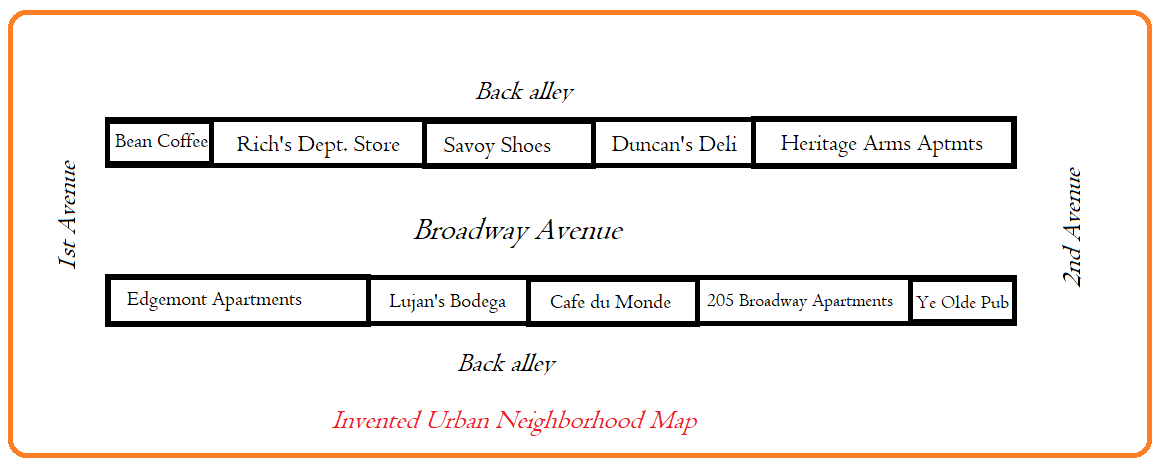 Use a pencil, so you can easily note whatever changes during revisions. Your map doesn’t have to be fancy. Lay it out like a standard map with north at the top, east on the right, south at the bottom, and west on the left.
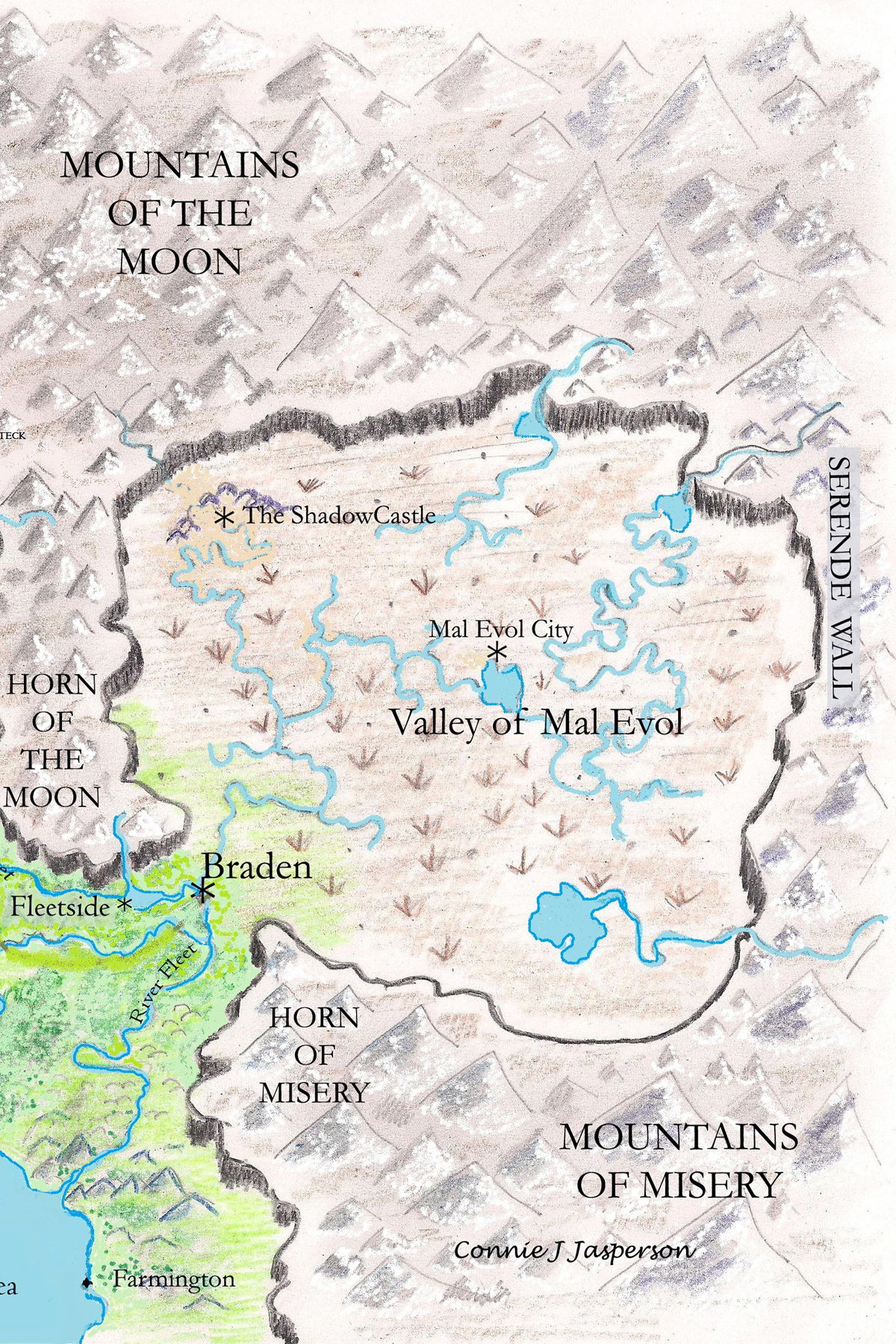 Many towns are situated on rivers. Water rarely flows uphill. While it may do so if pushed by the force of wave action or siphoning, water is a slave to gravity and chooses to flow downhill. When making your map, locate rivers between mountains and hills.
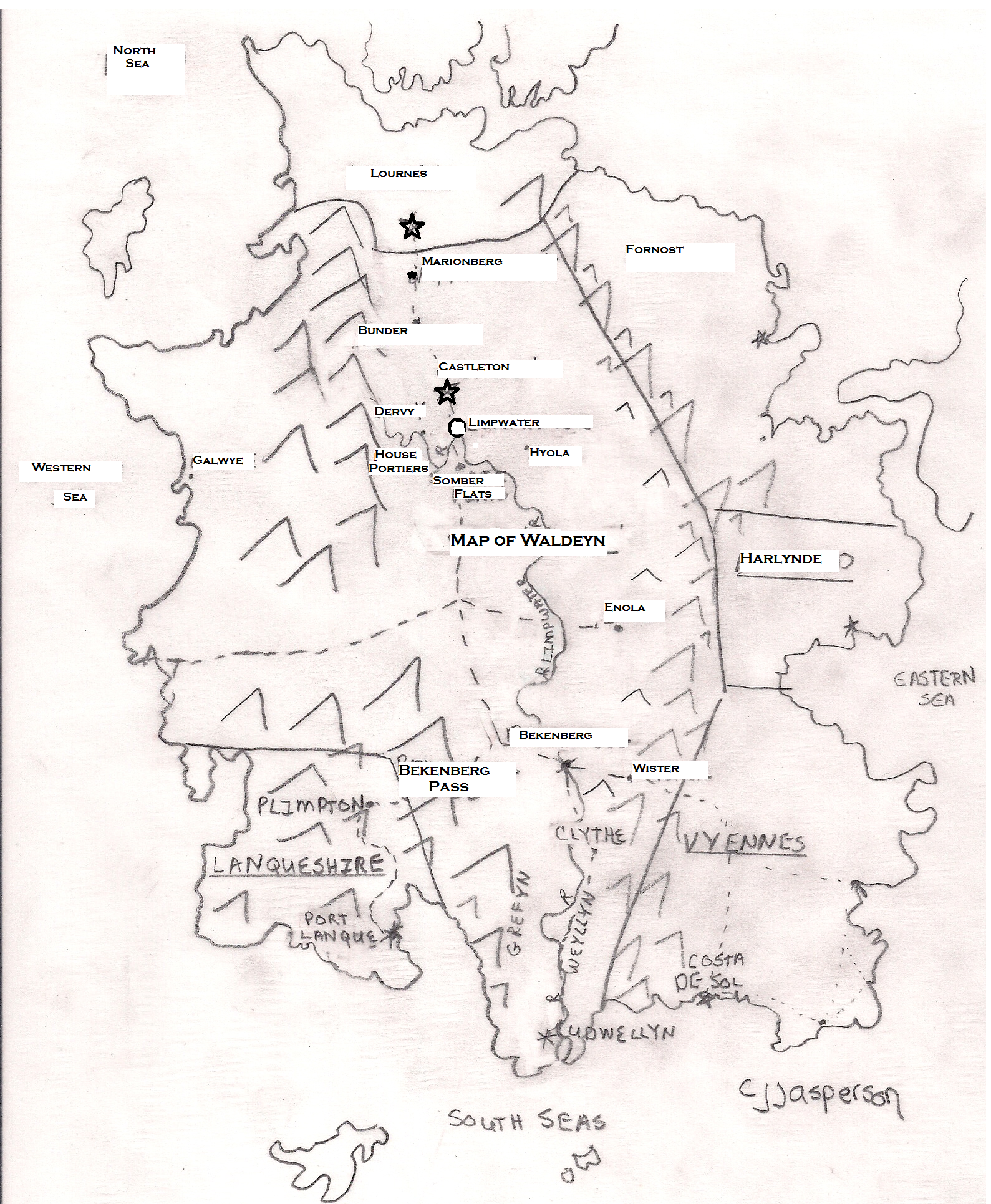 Maybe you aren’t artistic but will want a nice map later. In that case, a little scribbled map will enable a map artist to provide you with a beautiful and accurate product. An artist can give you a map containing the information readers need to enjoy your book.
 In my part of the world, the native forest trees I see in the world around me are mostly Douglas firs, western red cedars, hemlocks, big-leaf maples, alders, cottonwood, and ash. Because I am familiar with them, these are the trees I visualize when I set a story in a forest.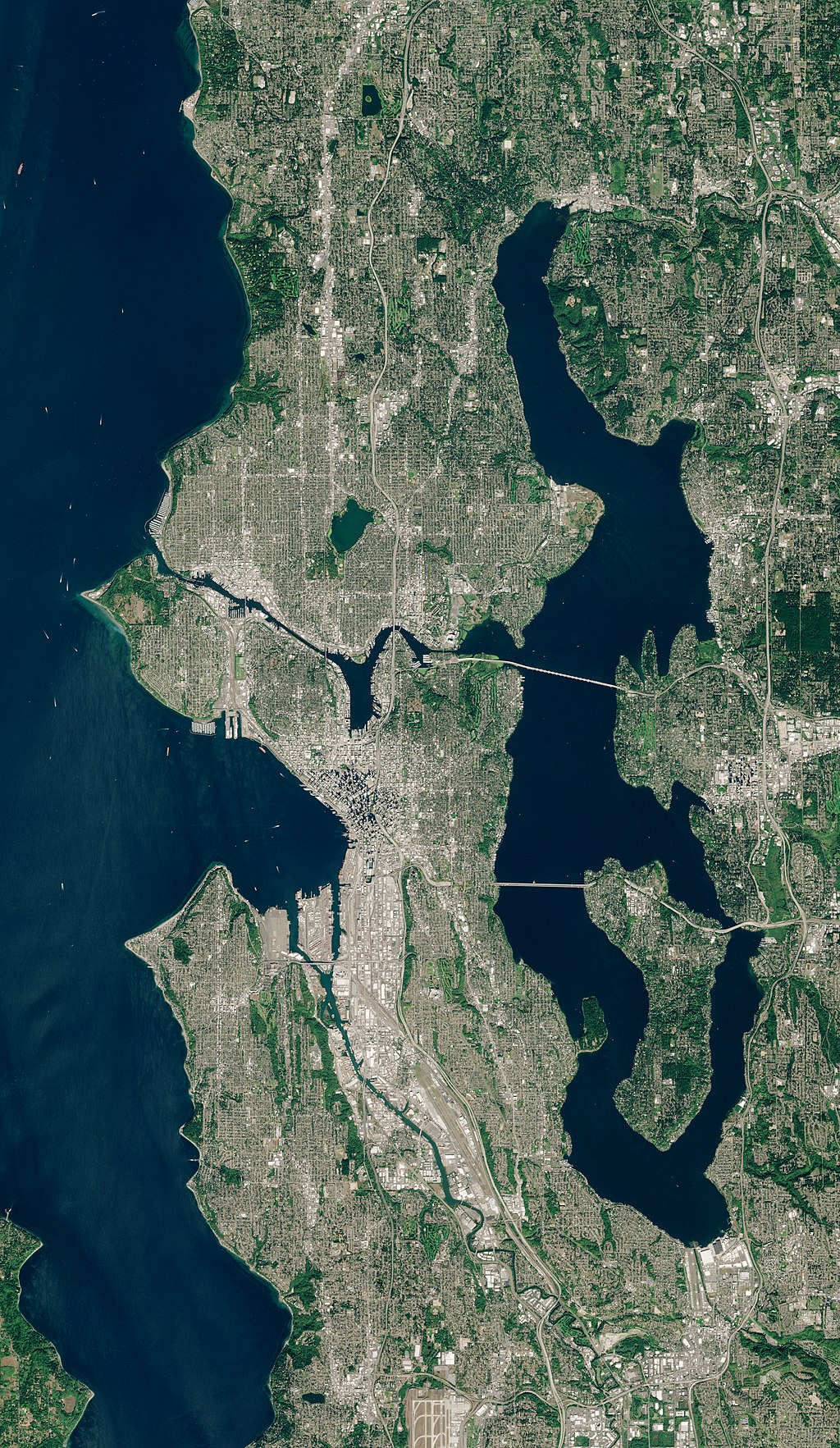
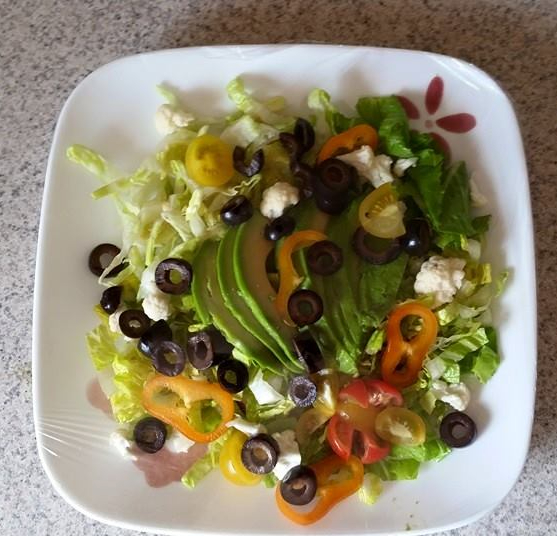
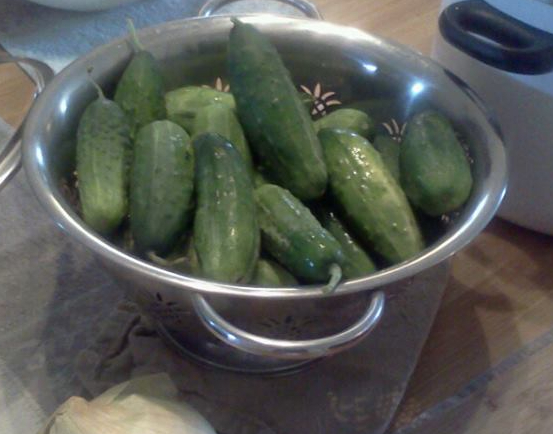
 Every fantasy world has a setting, and that environment has a climate. Certain climates limit the variety of foods available.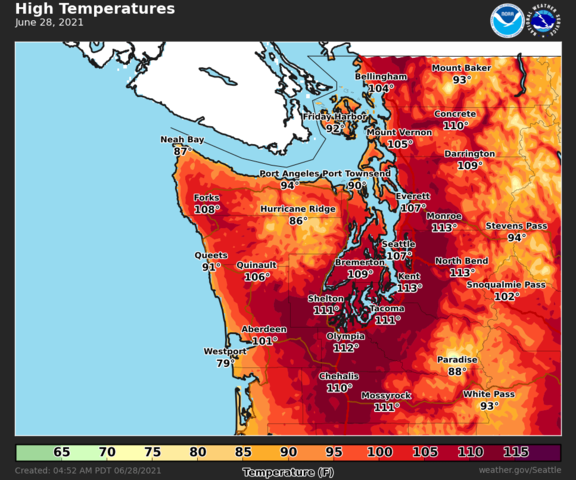
 We know from bitter experience that weather affects the food we produce and influences what is available in grocery stores. Abnormal heat waves across temperate states, category 4 hurricanes along the Atlantic seaboard and the Gulf of Mexico, and category 4 tornadoes down the center of the US and Canada, and even deep freezes in Texas and the deep south have been our lot in the last five years.
 Once you have decided your historical era, terrain, and overall climate, research similar areas of the real world to see how weather affects their approach to agriculture and animal husbandry. Look into the past to discover ancient agricultural methods to see how low-tech cultures fed their large populations:
 Also, if your story is set in a particular era, how plentiful was food at that time? Famines occurring all across Europe and Asia over the last two-thousand years are well documented. Egyptian, Incan, and Mayan history is also fairly well documented so do the research.
 We have witnessed monumental changes since the turn of the millennium. We know California teeters on the edge of disaster, that a water shortage threatens the lives of millions, as well as one of the largest agriculture industries in the US.
 Title: Summer, Lake Ontario by Jasper Francis Cropsey (1823–1900)
 Escape from Spiderhead is a science fiction story set in a prison. It is built around several themes. The central theme is crime and punishment, and Saunders grabs hold of this theme and runs with it.
 Saunders takes a deep dive into the theme of redemption in this tale. He didn’t take the expected path with his plot arc and didn’t opt for revenge by giving Abnesti the drug, which was the obvious choice.
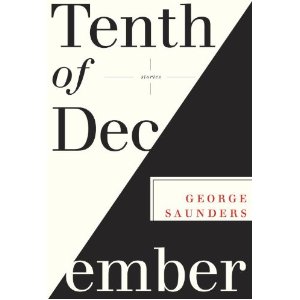 I will say now – the story and the movie are two different things. The film bears some resemblance to the story it is based on but – it is not that story. All writers should be aware that you no longer control the direction of your story when you sell the movie rights.
 The summer I turned ten, I was scavenging the house for something to read and discovered my father’s personal library. He had the entire collection of Encyclopedia Britannica’s
 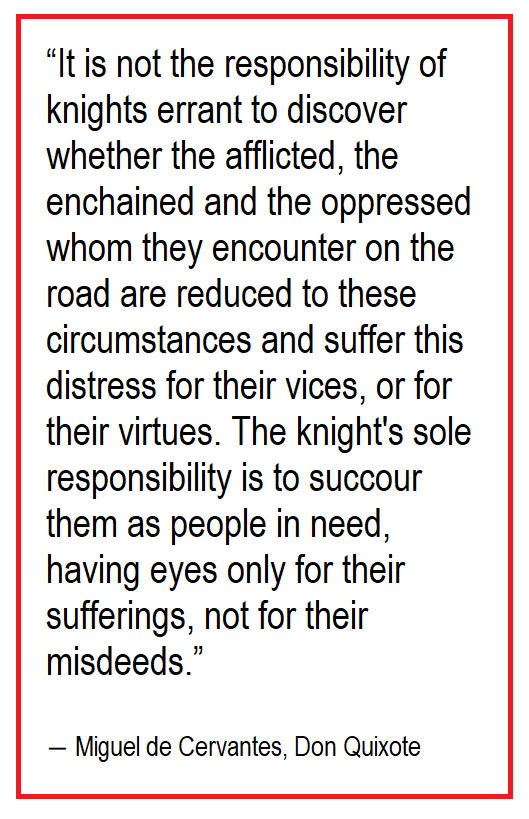 Knightly virtues
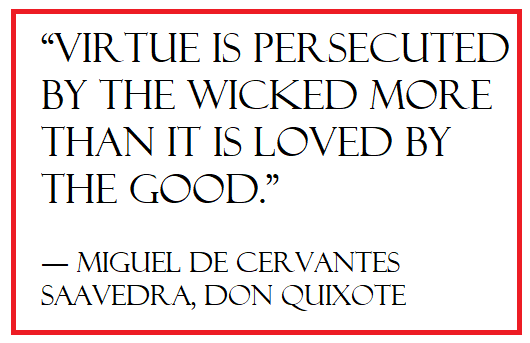
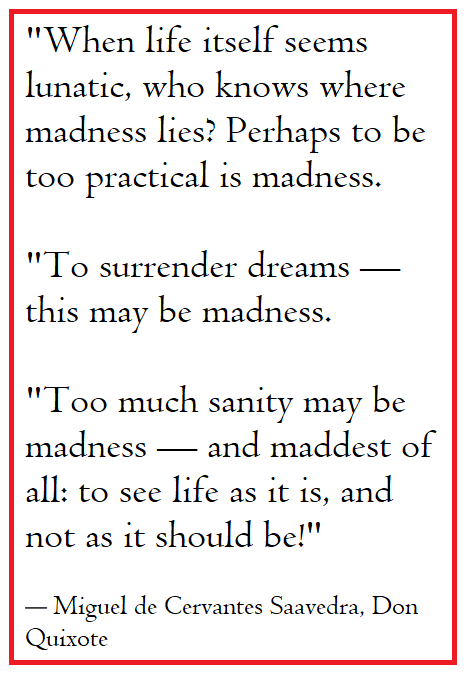 Quixote’s insanity is gentle and easy to sympathize with—he can’t understand the harshness of the people around him. He is a man of action and a champion of the oppressed.


.jpg&oldid=670161517)