
 So, you want to be a writer. You have written several unpublished short works, and they were darned good, if you do say so yourself. Your novel is half finished, and your cousin, Phil, says he’s never read anything like it.
One of the many things I didn’t realize when I first began this crazy journey, is that your family and friends are not editors. Even if they are teachers, it’s likely they won’t notice anything but the most glaring errors in your work, and they will miss a great many of those.
Unless your cousin Phil is an author himself, he won’t mention places where you have repeated yourself ad nauseum, nor will he point out places that are phrased in a convoluted way.
Because these places are both annoying and confusing, Phil has most likely skipped over them, and didn’t mention it because he didn’t want to hurt your feelings. Large plot-holes, inadvertent use of clichés, and intriguing auto-correct mistakes get missed when your eager-to-help friends try to edit your work.
Your friends might know they don’t like what you wrote, but they don’t know why they don’t like it so they plow through it as fast as they can just to get the misery done with. They will spot a few problems, which helps, but isn’t going to make your manuscript readable.
Oh, your friends aren’t going to tell you they don’t like it, but they will think it: “This is awful. What’s up with the dog…is he an arsonist? No…it was apparently the Guinea pig but…no. God, this is the worst drivel I’ve ever read. How do I get out of this? Um…I’ll tell her it was great, I loved it.”
Consider joining an online beginners’ writing group. A lot of useful information can be found through these two free resources:
- NaNoWriMo (National Novel Writing Month) nanowrimo.org They operate year round and have many resources available to help you get started.
- Critters Workshop critters.org
Critter is an excellent place to get feedback on your work, in a way that doesn’t feel threatening. New authors should definitely consider joining the critters workshop.
 PLEASE don’t publish your work without first having it edited professionally, or at the very least, read by an advanced writers group. You have no idea what your manuscript actually looks like. An advanced writing group will tell you the ugly truth, and they won’t be kind about it, but once they are done with you, you will reconsider your decision to not hire an editor.
If you plan to submit it to a large publisher, do hire an editor so that what you submit will be the best you can offer them.
If you are in the beginning stages of your writing career, invest in books on the craft of writing. Many books are available used through Amazon dot com, and many are available as affordable eBooks, also through Amazon. And you don’t need a Kindle, as you can download the free app for your PC, Mac, Android, or Apple device.
Books on the craft that are on my desk and in use today:
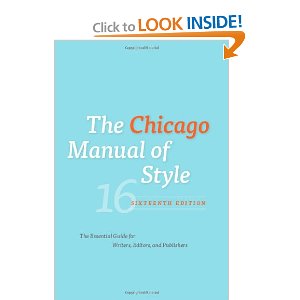
- The Chicago Manual of Style
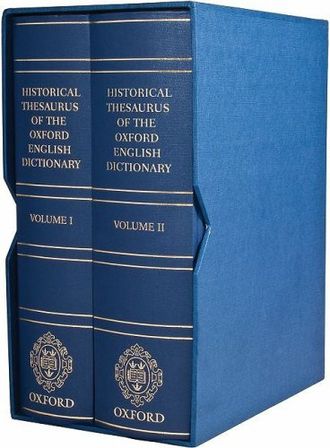
- The Oxford American Writer’s Thesaurus
- Rhetorical Grammar by Martha Kolln
- Story: Substance, Structure, Style and the Principles of Screenwriting by Robert McKee
- The Sense of Style by Stephen Pinker
- The Sound on the Page by Ben Yagoda
- Outlining Your Novel by K.M. Weiland
Books that help when I am stuck:
- The Negative Trait Thesaurus by Angela Ackerman and Becca Puglisi
- The First Five Pages by Noah Lukeman
Three websites a beginner should go to if they want instant answers in plain English:
Writing is not just a career for me—it is an obsession. Anything involving books is the proverbial shiny thing for me. All of my inspiration has come from the many excellent writers whose works moved me.
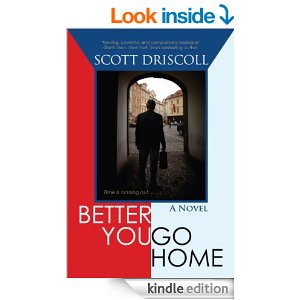 I am also inspired by those authors whose workshops I have been fortunate enough to attend. Consider this high quality online option for learning the craft of writing:
Introduction to Fiction Writing at The Writer’s Workshop, instructor, Scott Driscoll.
This is admittedly not free, but it is an exceptionally in-depth exploration of the craft. I have attended some seminars offered by Scott at several conferences and have never come away disappointed.
Remember, writing is a career path that requires dedication, and commitment to learning and growth. The money you spend going to workshops and conferences is an investment you make in your career. You not only learn about the craft of writing, but you will also learn the business aspect, and make no mistake: regardless of whether you are traditionally published or indie published, this is a business.
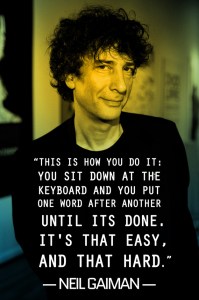
via buzzfeed
It’s not always easy, and sometimes it is hard to see progress. But with each completed project you gain strength and confidence. Your work evolves, growing in readability and your voice as an author becomes recognizably yours.
Writers finish their work. Many people will begin walking this path, believing they want to be writers. They like the idea of being a writer, and may claim to be a writer, but when you ask them about their work, they will tell you they don’t have time to write, and their work was only halfway begun when they had to stop.
The fact that you once sat in a Ferrari does not make you a Formula One driver.
I always urge writers to write every day, even if it is only for fifteen minutes. If you are not committed to writing regularly, your novel will never see the light of day.
Write regularly, and finish that book.










 Life in the Realm of Fantasy