
Poems are stories told in a highly structured fashion. They are stories about the feelings one has for a place or a person, the emotions one feels when faced with shattering circumstances. Poems can be heroic and epic or tightly constrained to one moment, one person’s thoughts.
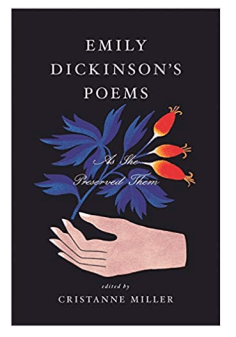
 Poets understand how central a theme is to the story. A poet takes the theme and builds the words around it. Emily Dickinson’s poems featured the themes of spirituality, love of nature, and death, which is why she appealed so strongly to me during my angsty young-adult life.
Via Wikipedia:
Emily Elizabeth Dickinson (December 10, 1830 – May 15, 1886) was an American poet. Little-known during her life, she has since been regarded as one of the most influential figures in American poetry.
Evidence suggests that Dickinson lived much of her life in isolation. Considered an eccentric by locals, she developed a penchant for white clothing and was known for her reluctance to greet guests or, later in life, to even leave her bedroom. Dickinson never married, and most friendships between her and others depended entirely upon correspondence.
While Dickinson was a prolific writer, her only publications during her lifetime were 10 of her nearly 1,800 poems, and one letter. The poems published then were usually edited significantly to fit conventional poetic rules. Her poems were unique for her era. They contain short lines, typically lack titles, and often use slant rhyme as well as unconventional capitalization and punctuation. Many of her poems deal with themes of death and immortality, two recurring topics in letters to her friends, and also explore aesthetics, society, nature and spirituality.
If one only knew that she had been agoraphobic and never left her room in an era where the internet didn’t exist, one would think she knew nothing of the world and had nothing to say that would be worth reading.
 But that would be wrong. Poets write words that range far more widely than their physical surroundings. Some poets are constrained by unrewarding jobs, others may be “on the spectrum,” as they now say, and still others are constrained by physical limitations.
Poetry is a craft that uses words to explore the interior life of a moment, a place, or an idea. Fleshing out and exploring every nuance of a theme is a core function of poetry.
A theme that Emily Dickinson often wrote about is “the undiscovered continent.” Literary scholars consider that Dickinson saw the mind and spirit as tangible visitable places she inhabited for much of her life.
As solitary as her life was, this interpretation of the undiscovered continent makes sense. It is the “landscape of the spirit,” embellished with nature imagery. It is imagery meant to convey a dwelling place of “oneself” where one resides with one’s other selves. It is an expansive, liberating force.
For example, in “They shut me up in Prose –,” she sets out the idea that society enforces limits upon the speaker, confining her to the acceptable female roles, concealing her to prevent her from expressing herself. But her prose is a product of her mind and refuses to be constrained.
Those constraints inspire her, fuel her drive to write. Society cannot limit her mind, no matter how they try. In the poem “I dwell in Possibility –”she shows us that limits are an illusion to one who dwells in possibilities.
Quote from GradeSaver:
“I dwell in Possibility –”is deeply interested in the power gained by a poet through their poetry. In the first stanza, the poem seems to just be about poetry as a vocation as opposed to prose and is explicit in comparing the two. The metaphors and similes used make it so that poetry is possibility, poetry is more beautiful, poetry has more doors and windows open for access, for different perspectives and interpretations, while prose by default, then, is more closed and limited and homely. [1]
Dickinson showed us how important employing themes can be when finding words to express our intent. Her work demonstrates that themes can be as common and ordinary as the juxtaposition of chaos and stability (or order), the fear of death, love of nature, or the expression of faith in God.
The 19th-century songwriter Stephen Foster employed the theme of rural poverty, using the term hard times to turn his simple songs into anthems that people embraced and are still singing. Tommy Fleming’s version can be heard here. The crowd embraces that song today as much as they did when it was written. Its popularity is due to the way Foster employed his theme, the way he presented it with words and melody.
‘Tis a sigh that is wafted across the troubled wave,
‘Tis a wail that is heard upon the shore
‘Tis a dirge that is murmured around the lowly grave
Oh! Hard times come again no more. [2]
But what of writers who don’t write poetry? How do we who write novels and short stories use themes in our work?
The possibilities are limitless.
An aspect of a setting can become a theme. These can be as solid and physical as a particular rock or tree that acquires an emotional meaning to the characters in the narrative. These physical objects gain a sense of presence that recurs throughout the story.
Or they can be as complex and intangible as a mental landscape that allows a prisoner to roam freely.
Poets have a lot to teach those of us who write narrative prose.
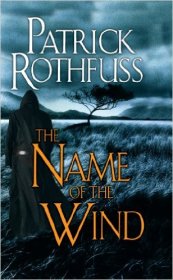 Fantasy author Patrick Rothfuss knows how to make use of a strong theme. He uses the theme of silence to create a powerful opening to his novel, The Name of the Wind. The opening paragraphs of that novel hooked me.
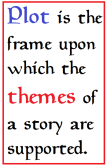
To wind up this dip into poetry, themes are the unifying threads woven through our work, connecting the dots and holding the plot together. The words we choose and other elements of the story, such as the setting, are how we present our themes. Themes, in turn, color our words and setting and steer the plot.
Credits and Attributions:
[1] Cullina, Alice. Chainani, Soman ed. “Emily Dickinson’s Collected Poems “I dwell in Possibility –” Summary and Analysis.” GradeSaver, 26 July 2009 Web. 20 March 2022.
[2] “Hard Times Come Again No More” (sometimes, “Hard Times“) PD|100. Written by Stephen Foster. Published in New York by Firth, Pond & Co. in 1854.
 Even today, her humor shines with sharp-edged wit delivered without condescension. Her most memorable protagonists rise above the trivialities of life that absorb the sillier characters.
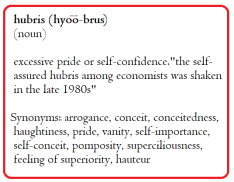 Pride is a powerful theme because it is the downfall of many characters in all literature, not just Jane Austen’s work.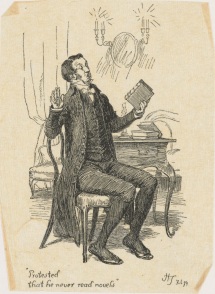
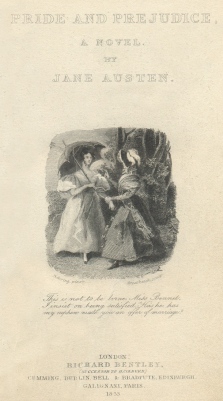 Clearly, Mrs. Dashwood feels that ensuring her sisters-in-law are not impoverished would make her only son less rich. Less appealing to other affluent families.
 Many of James’s books feature one common theme—lust.
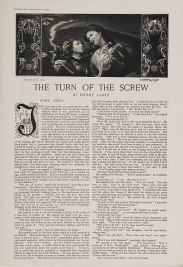 Henry James is famous for his novels and short stories laying bare the deepest motives and manipulations of the society he knew. However, he wrote one of the most famous novellas ever published,
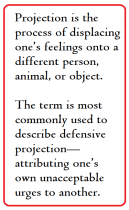 Projection
 Why is this so? Let’s look at an example.
 So how is social class different from economic class? In some parts of the world, they are the same. In others, social class is inherited, and economic class is acquired.
 For instance, I grew up in a financially stable lower-middle-class family. But I never buy pre-distressed furniture, no matter how much the designers on TV love it. This is because, by the time my youngest child left home, all my hand-me-down furniture was distressed. I like my furniture to reflect my life—un-distressed.
 February here in my little town was dryer than usual, far less rainy than in other parts of the Northwest. We have seen the sun much more than usual over the last two weeks, which doesn’t bode well for the summer. I can’t help but think of the horrible heat we had last June. We don’t like it when it gets up to 110 degrees Fahrenheit (43.3 Celsius). It’s literally hell when you realize most people here don’t have air conditioning in their homes. Up through the 1980s, we never needed it, as summers rarely topped 80 degrees (26.6).
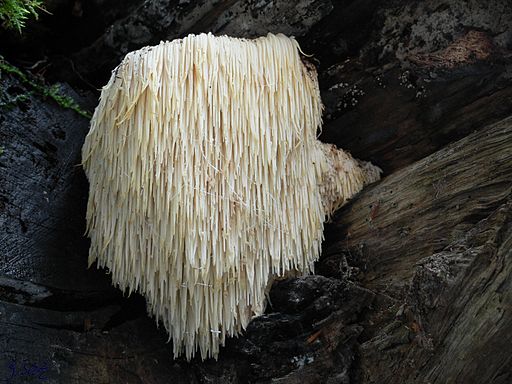 Edible mushrooms of all sorts abounded. One I hadn’t seen before, the lion’s mane mushroom, was the central feature in the displays of the two local craft fungi growers. It was interesting to look at, but … no.
 On the writing front, last week was quite productive. I received the final chapters back for my blended novel from my editor and am now going over the manuscript one last time. This is a merging of the stories of two characters and the events of one overarching plot arc. It’s the parallel stories of two battle mages, a father and son, told from their unique generational viewpoints.
 This merger of two novels into one involved cutting a number of chapters out of each and layering the stories so that the timeline moves forward at the right pace and doesn’t repeat what we already know.
 Also, I submitted my 2020 NaNoWriMo novel to
  Today we are discussing a particular kind of editor: the submissions editor. When I first began this journey, I didn’t understand how specifically you have to tailor your submissions for literary magazines, contests, and anthologies. Each publication has a specific market of readers, and their editors look for new works their target market will buy.
 The quality of your work isn’t the problem, and you have selected a publication that features work in your chosen genre. But your subgenre may not match what the readers of that publication want to see. After all, both spaghetti Bolognese and bruschetta are created out of ingredients made from wheat and tomatoes, but the finished meals are vastly different.
 Some hobbyists expect special consideration and are offended when they don’t get it. Egos are rampant in this business, but in reality, no one gets to be treated like a princess.
 er sending your work.
 Please, if you consider yourself a professional, format your submissions properly. You want to stand out but getting fancy with your final manuscript is not the way to do that—you will be rejected out of hand if you don’t make this effort.
 For new and beginning authors, it may take an editor more than one trip through a manuscript to straighten out all the kinks. This may be a three-step process involving you making the first round of revisions and/or explanations, sending them back to the editor, who will make final round of suggestions. At that point, the editor is done. You have the choice to either accept or reject those suggestions in your final manuscript.
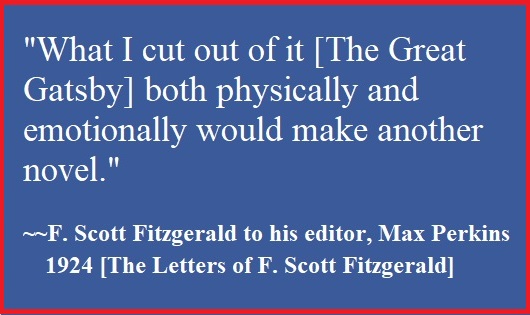 For creative writing, editing is a stage of the writing process. A writer and editor work together to improve a draft by correcting punctuation and making words and sentences clearer, more precise. Weak sentences are made stronger, info dumps are weeded out, and important ideas are clarified. At the same time, strict attention is paid to the overall story arc.
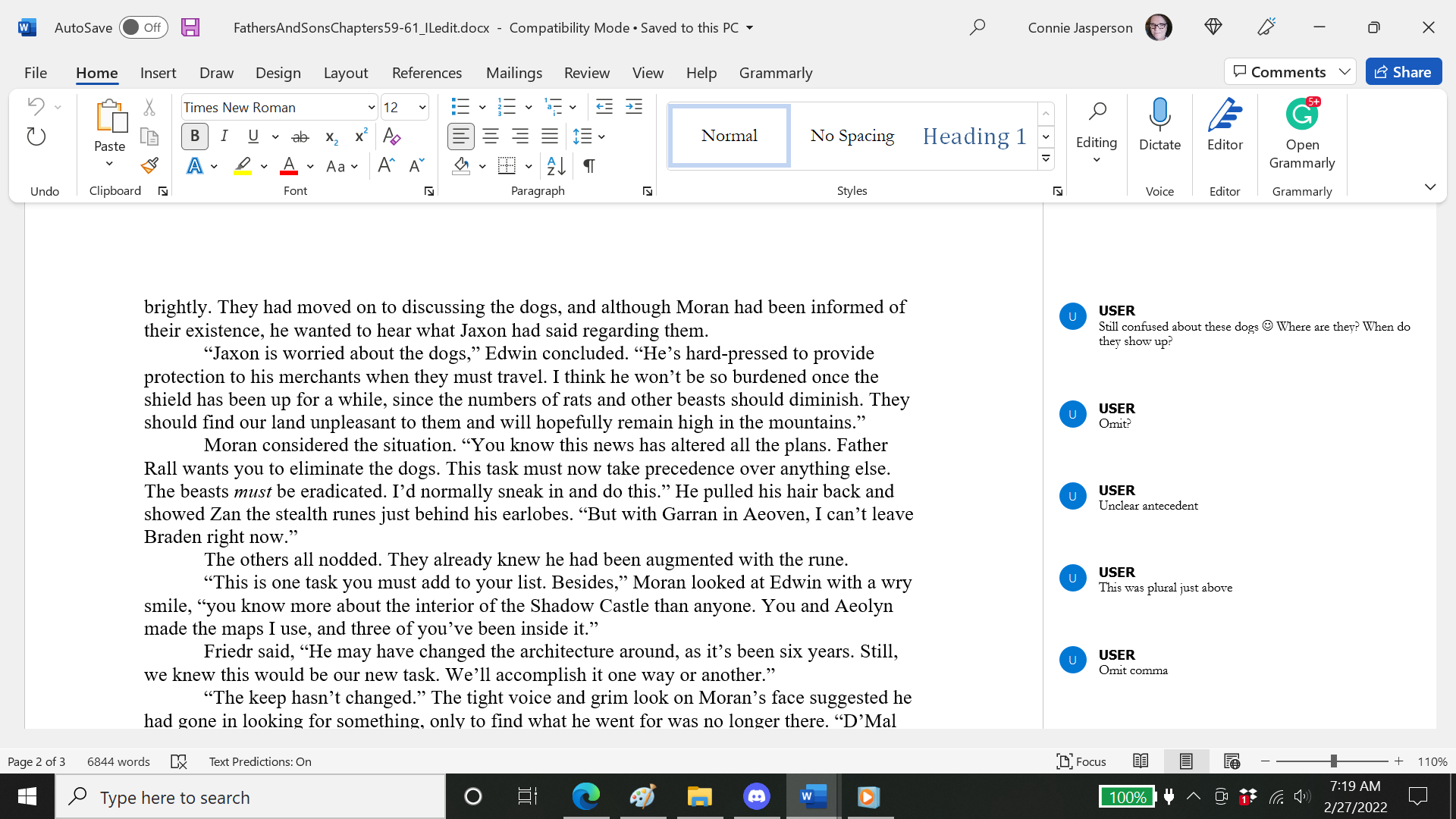 Editors who have been in the business for a long time find it much faster to use the markup function and insert inline changes. A new author or someone unfamiliar with how word-processing programs work might find it confusing and difficult to understand.
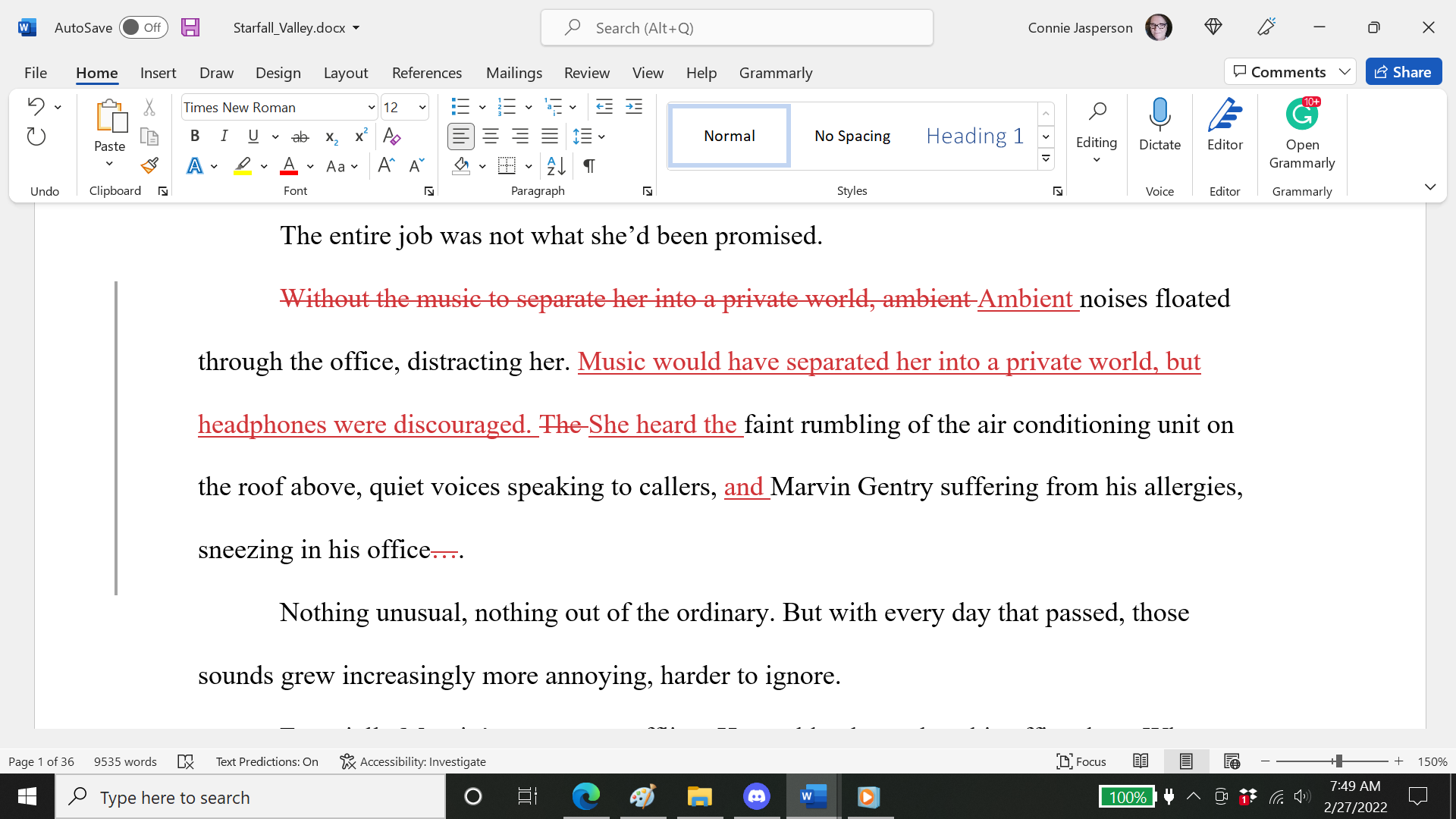 Inserting the changes and using Tracking cuts the time an editor spends on a manuscript. Writing comments takes time, and suggestions may not always be clear to the client.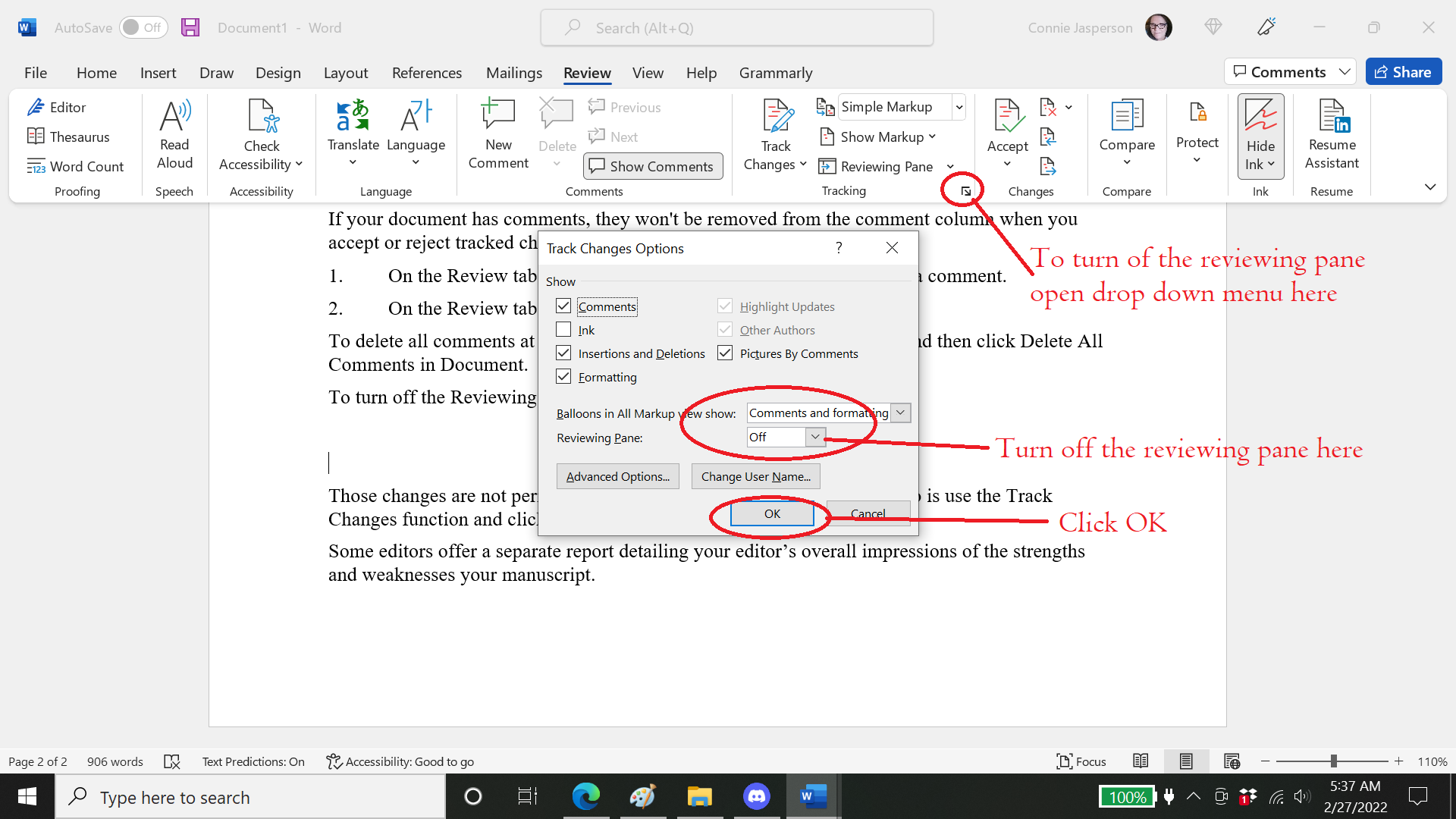
 However, many authors don’t have the money to hire an editor. If that is the case, you may have a friend in your writing group who has some experience editing, and they will often help you at no cost. Your writing group is a well of inspiration, support, and wisdom, and they are invested in your book. They want you to succeed and most will gladly trade services.
 When I am finished with the revisions, I will format my manuscript as both ebooks and paper books. At that point, I will be looking for proofreaders.
 If you didn’t see it when I mentioned it above, I will repeat it: proofreading is not editing. We discussed self-editing in my previous post,
 Repeated words and cut-and-paste errors. These happen when making revisions, even by the most meticulous of authors. The editor won’t see any mistakes you introduce after they have completed their work on the manuscript.
 Unfortunately, my last book went live when I thought I was ordering a pre-publication proof.
 So, realizing I knew nothing was the first positive thing I did for myself. I made it my business to learn all I could, even though I will never achieve perfection.
 I use this function rather than reading it aloud myself, as I tend to see and read aloud what I think should be there rather than what is.
 This is a long process that involves a lot of stopping and starting, taking me a week to get through an entire 90,000-word manuscript. I will have trimmed about 3,000 words by the end of phase one. I will have caught many typos and miskeyed words and rewritten many clumsy sentences.
 This is the phase where I look for info dumps, passive phrasing, and timid words. These telling passages are codes for the author, laid down in the first draft. They are signs that a section needs rewriting to make it visual rather than telling. Clunky phrasing and info dumps are signals telling me what I intend that scene to be. I must cut some of the info and allow the reader to use their imagination.
 Editing programs operate on algorithms and don’t understand context. I am wary of relying on Grammarly or ProWriting Aid for anything other than alerting you to possible problems. If you blindly obey every suggestion made by editing programs, you will turn your manuscript into a mess.
 I wrote poetry and lyrics for a heavy metal band when I first started out. I was young, sincere, and convinced I had to impart a message with every word. I didn’t know until twenty years later when I came across my old notebook that my poems weren’t honest. Eighteen-year-old me was trying to make a point rather than offering ideas for further thought.
 Children are unimpressed by the fact their parents might write a story or play music or paint or do any of the creative arts.
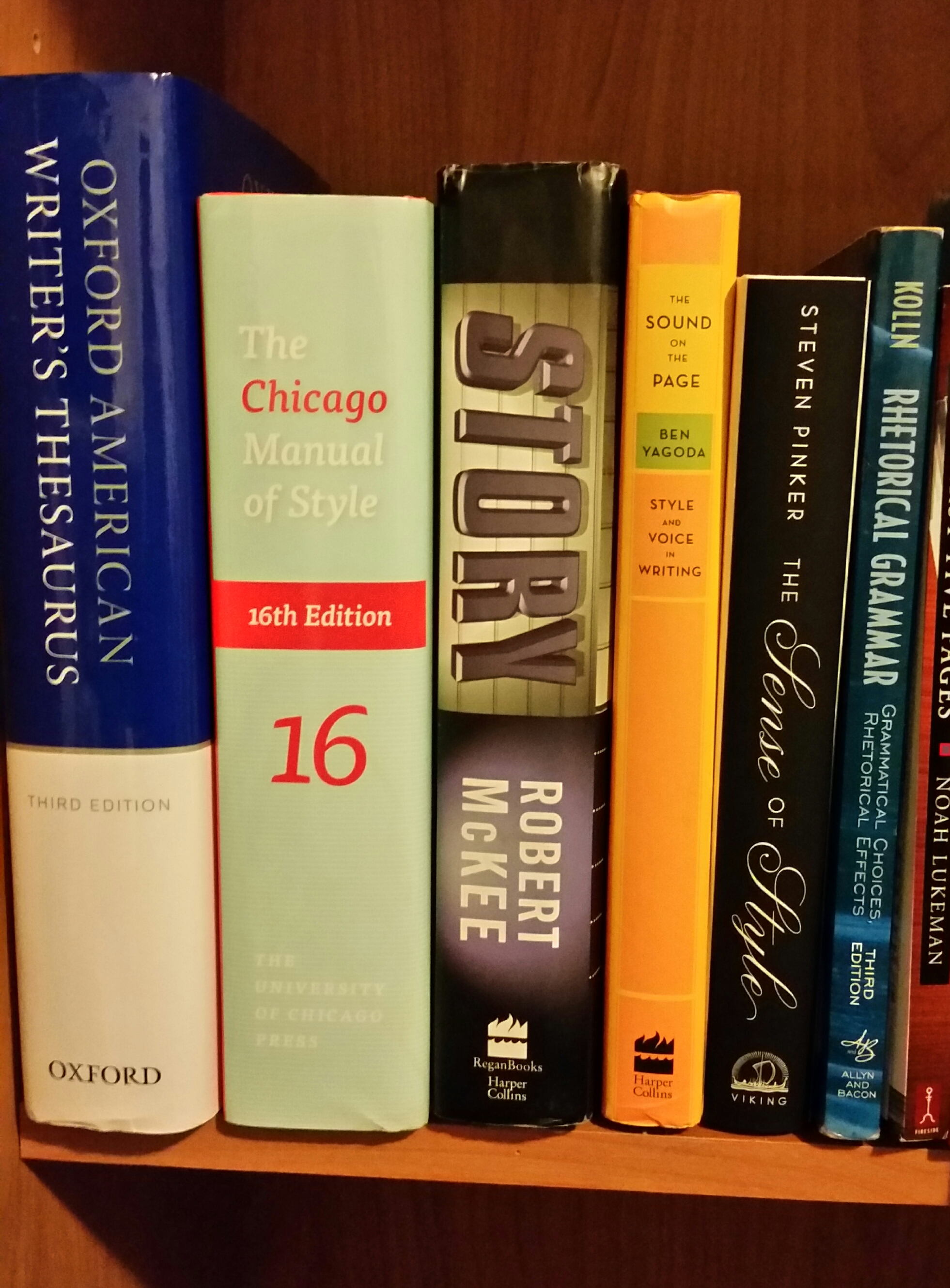
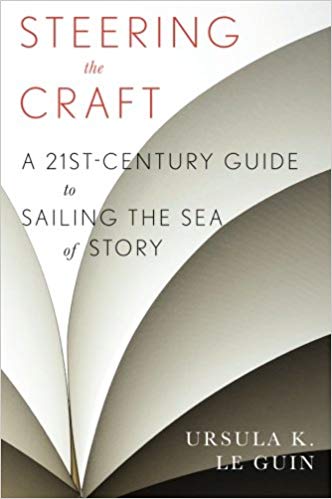 As Ursula K. LeGuin said in her excellent book,
 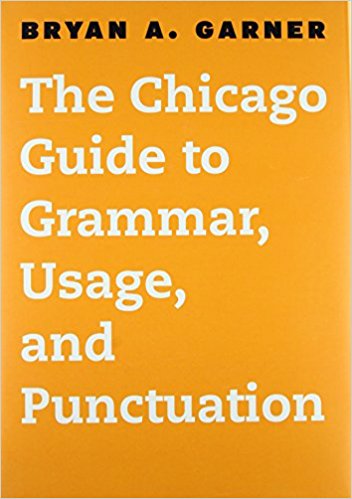 day, should we so desire. Reading is how we come to understand writing and the art of story. Mr. King also admonishes us to learn the fundamentals of punctuation and grammar.
 Every editor will tell you no amount of money is worth the time and effort it would take to teach an author how to write coherent, readable prose. That is what seminars, books on craft, and books on style and grammar are for.
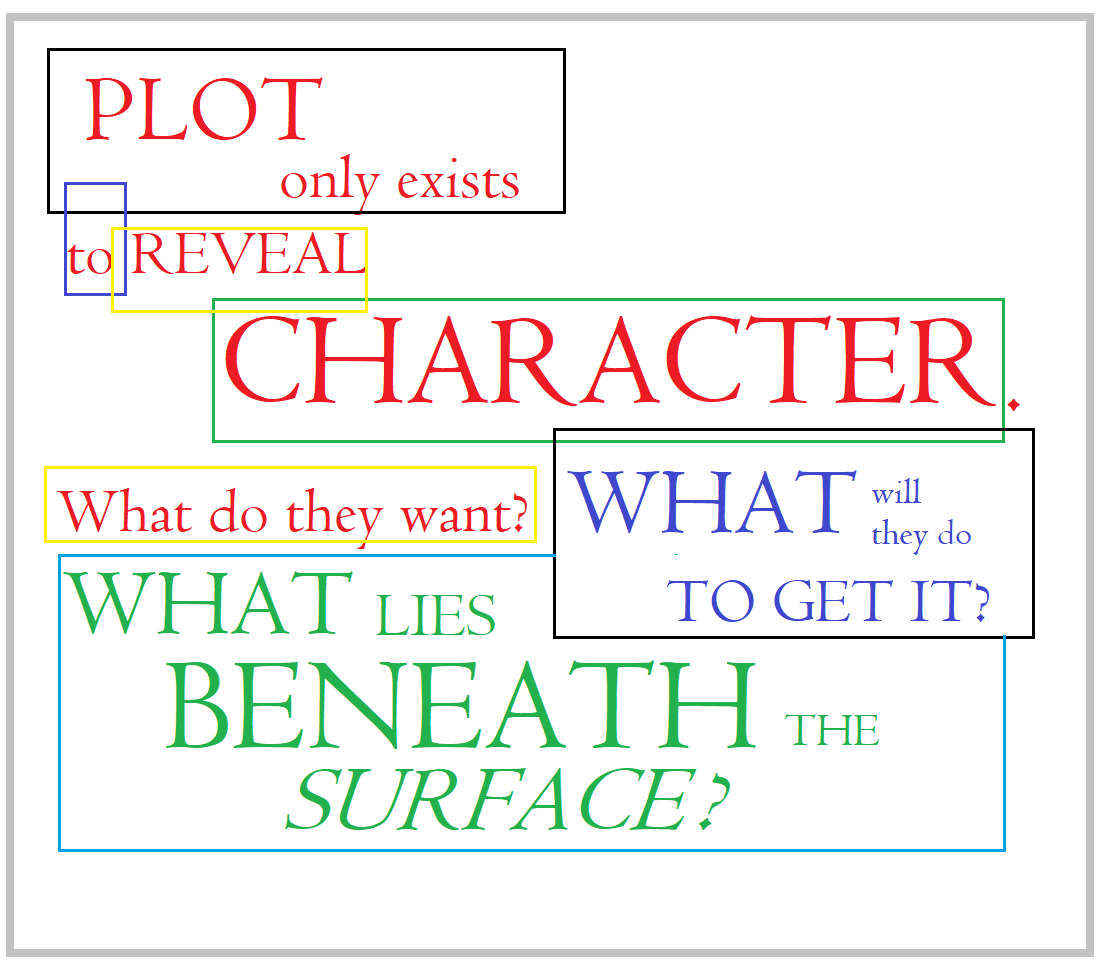
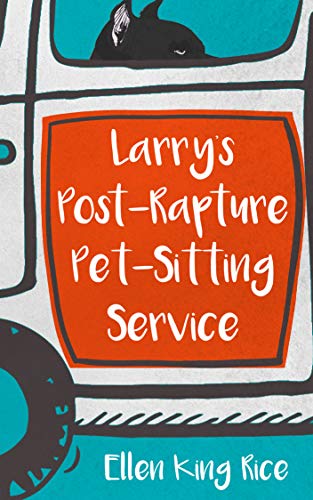 I want to read an honest story about people who seem real, who have the kind of problems we can all relate to on a human level. I want to read a story that comes from an author’s deepest soul. The setting doesn’t matter—it can be set on Mars or in Africa. Characters matter, and their story matters.


 Life in the Realm of Fantasy