Category Archives: Battles

To blurb or not to blurb

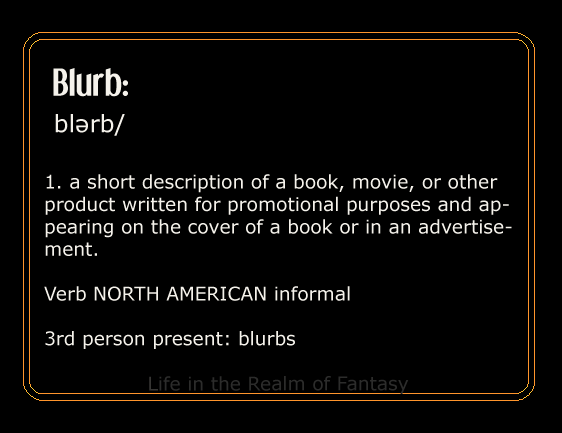
Blurb definitionOne of the things that sucks about being an indie is that you have to sell your books. I know that seems pretty obvious, but but it’s harder than it looks! In the old days, every book had a blurb on the back of it, or inside the flap on the dust jacket, and that blurb gave us just enough intriguing insight into the book that we bought it.

Here in the US, the word blurb originated in 1907. American humorist Gelett Burgess’s short 1906 book Are You a Bromide? was presented in a limited edition to an annual publishers’ trade association dinner. The custom at such events was to have a dust jacket promoting the work–they did things right in those days! His definition of “blurb” was “a flamboyant advertisement; an inspired testimonial.”

Blurbs can and do sell books.
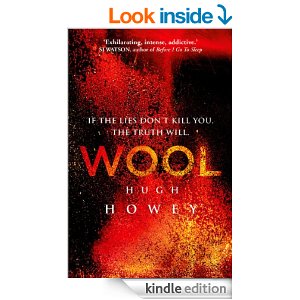
wool by hugh howeyBut what will sell books? Let’s take a look at Wool, by Hugh Howey:

This is the story of mankind clawing for survival, of mankind on the edge. The world outside has grown unkind, the view of it limited, talk of it forbidden. But there are always those who hope, who dream. These are the dangerous people, the residents who infect others with their optimism. Their punishment is simple. They are given the very thing they profess to want: They are allowed outside.
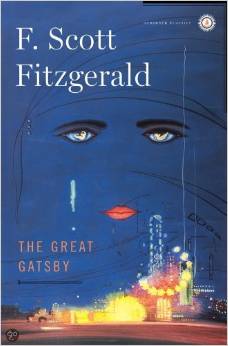
f scott fitzgerald The Great GatsbyOr F. Scott Fitzgerald‘s classic novel, The Great Gatsby:

“Whenever you feel like criticizing any one,” he told me, “just remember that all the people in this world haven’t had the advantages that you’ve had.”

He didn’t say any more, but we’ve always been unusually communicative in a reserved way, and I understood that he meant a great deal more than that. In consequence, I’m inclined to reserve all judgments, a habit that has opened up many curious natures to me and also made me the victim of not a few veteran bores. The abnormal mind is quick to detect and attach itself to this quality when it appears in a normal person, and so it came about that in college I was unjustly accused of being a politician, because I was privy to the secret griefs of wild, unknown men. Most of the confidences were unsought — frequently I have feigned sleep, preoccupation, or a hostile levity when I realized by some unmistakable sign that an intimate revelation was quivering on the horizon; for the intimate revelations of young men, or at least the terms in which they express them, are usually plagiaristic and marred by obvious suppressions. Reserving judgments is a matter of infinite hope. I am still a little afraid of missing something if I forget that, as my father snobbishly suggested, and I snobbishly repeat, a sense of the fundamental decencies is parcelled out unequally at birth.

There are huge differences in these blurbs:

Hugh Howey (an indie) tells us about the plot of his book-and it is intriguing. I bought it based on that blurb.

(Charles Scribner’s Sons) (Fitzgerald’s original publisher) used the opening lines of the book–and that was intriguing as well.

Choosing to use the opening lines for marketing is dangerous–it could be an epic failure, for those who want to know what the book is about.
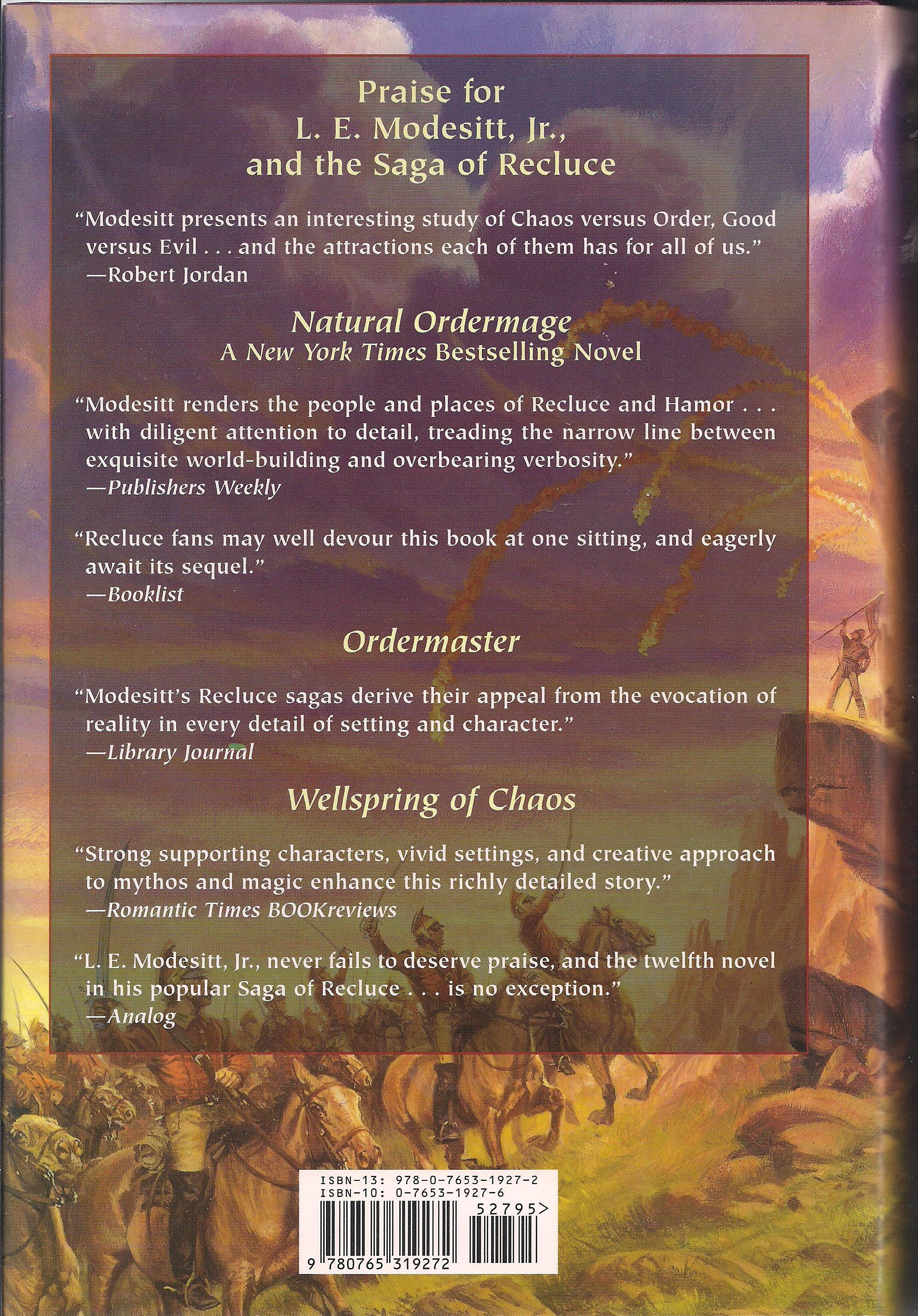
Back Cover of Mage-Guard of Hamor by L. E. Modesitt Jr.

Back Cover of Mage-Guard of Hamor by L. E. Modesitt Jr.

Even more dangerous than that is the increasing trend toward eliminating the blurb and going with nothing but recommendations mentioning other works by that author.  Let me just say now, I HATE THAT! For the love of Tolstoy–talk about the book I am going to buy, please! Any blurb, even a bad one, is better than glowing reviews by paid reviewers. 

But this trend just proves to me that the BIG PUBLISHERS are just as much as sea in the this regard as we poor indies are, small comfort though it is.

I will be writing blurbs for my own work again soon, and so I am looking at blurbs on the covers in my library, and trying to see what it was that attracted me to that particular book. I admit that many times it was the cover art, and not the blurb, but when I picked up a book by an author that was unknown to me, I read the blurb, and considered carefully whether or not to spend my dearly earned wages on that book. I was taking a risk–because what if I hated it?

It’s a conundrum.  Perhaps I can go with “One ring to rule them all…”

No… I suppose that’s been done…but it’s an awesome blurb, short and to the point….
4 Comments

Filed under Adventure, Battles, Blogger, blogging, Books, Fantasy, Humor, Literature, Publishing, Self Publishing, Uncategorized, writer, writing

Never been there

©connie j jasperson 2014

©connie j jasperson 2014

Maps are awesome additions to books.  I love drawing them, and I love books that have them.  When I was reading Robert Jordan’s Wheel of Time series I was constantly paging back and forth to the maps, wishing for smaller, more localized maps. They don’t have to be accurate–but they do have to give some idea of where the action is taking us.

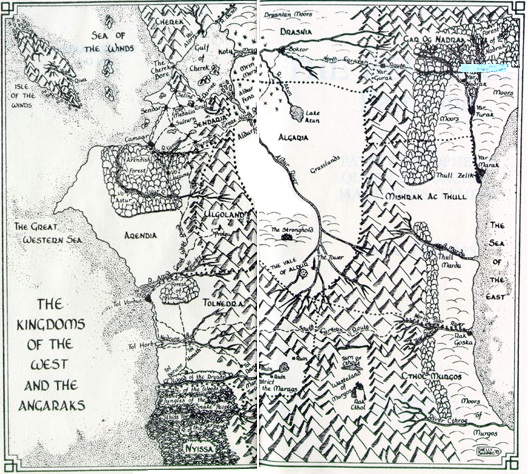
When I formatted Huw the Bard, I included three maps. At the front I left the whole map of Waldeyn. Then I split the the map, north and south,  so curious readers could see how the two halves of Waldeyn differ from each other, and how that difference in terrain affected his journey. The  second map is inserted where the second stage of Huw’s journey begins.

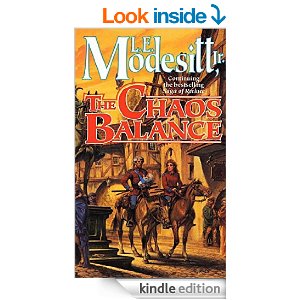
the chaos balance l.e. modesitt jrI did it that way because I am a voracious reader, of anything by L.E. Modesitt Jr.  but I am angry with his publisher, TOR Fantasy, for not updating the maps in his Recluce books. The maps in the front of that series of books detail the world AFTER The Chaos Balance, and bear absolutely NO resemblance to the towns in fully half of the books that are set before that time!

Sigh. All that money spent for beautiful artwork for the cover was a good investment, oh, mighty publishing giant, TOR–but the interior could use NEW MAPS! Give me the coordinates and I’ll draw them for you! (oh dear, I’m hyperventilating again….)

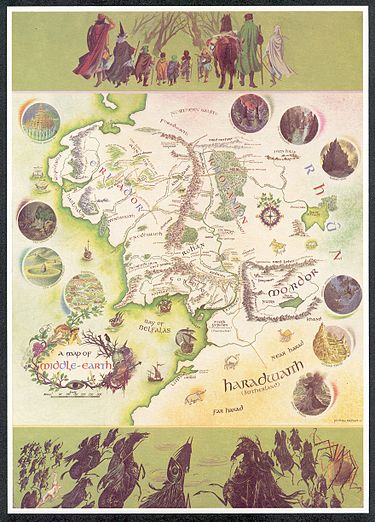
375px-Baynes-Map_of_Middle-earthOne of the best maps of of a fantasy realm that I’ve ever seen was the map of Middle Earth as done by Pauline Baynes in 1970. It is beautiful, a complete work of art on its own, as all maps once were in the golden age of discovery.

I won’t lay claim to being an artist on this level, nor will my maps ever achieve this kind of style and creativity, but I am working on new maps for the world of Neveyah, and the Tower of Bones series. The ones I have right now are all in color, and they don’t translate to black and white for print.

So I am back to square one, but I will have the new maps for TOB complete by February 1st. The new cover is done, and the manuscript has been re-edited. Now we are down to the final stage of proof-reading, to ensure I have not made any strange new errors in the ms. I am not in a hurry for this, as rushing to publish is why that book has been pulled and re-edited. This is where being an indie is both dangerous and awesome–I bear the sole responsibility for the final product.

I leave you with another great map, David Eddings’s original map for the epic fantasy series, The Belgariad:

BelgariadMap

4 Comments

Filed under Adventure, Battles, Books, Fantasy, Humor, Literature, Publishing, Self Publishing, writer, writing

Finding demographics is not finding Nemo

My New Year’s resolution this year is to identify who I am writing for, and tailor my marketing strategy to that segment of the population.

I should have picked something simple, like losing weight, or bringing about world peace.

I would be lying if I said I write for one particular type of person–although Huw the Bard falls into the not-for-children category. I like to think my books can be enjoyed by both men and women.

Who are youIt’s just that I write whatever I’m in the mood to read, and I read everything, Fantasy first, sci-fi second, then mystery, historical, paranormal, books of political intrigue, books filled with naughty vampires. Romance, YA, hard sci-fi, epic fantasy–I read it all. This makes it difficult to categorize myself .

Looking in the mirror doesn’t help.

At IHop, I am a 55+, getting discounts and a special old people’s menu. I am a senior, according to AARP, and am entitled certain discounts when I produce that all-important AARP card.

These things tell me I am an older person, as does the mirror.

However, these visible signs don’t show the woman with mad kick-ball-skills, who plays Lego Star Wars until the grandchild says she’s had enough games for one day, and he’d like to play outside now. They don’t shed any light on me. the person who will read and reread a book until it is nothing but shreds–if I fell in love with it. The gray hair, the slightly less-than-svelte physique–these clues don’t offer a hint about my obsession with Final Fantasy XII.

And that is the problem.

I write for me, and I don’t know who I am.

The Creative Penn offers 5 tips to assist me in this process:

1. First we must isolate what types and/or groups of people the content of the book would interest.

Well-that is just the problem, isn’t it…but they do give an idea on how to approach that:

 "Diego Delso, Wikimedia Commons, License CC-BY-SA 3.0

“Diego Delso, Wikimedia Commons, License CC-BY-SA 3.0

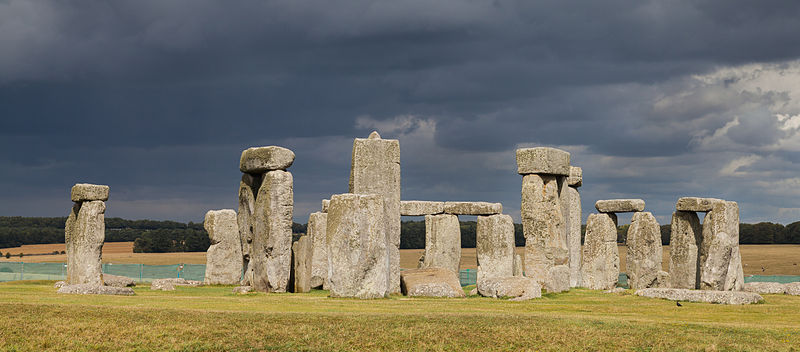
“Example: If your book is about an archaeologist who uses Stone Henge to travel into the future, your book would probably interest history buffs as well as fans of speculative fiction/sci-fi.  If that hero happens to be a former Marine, your book might also interest military personnel and/or the families.” (It’s a direct quote, so I am ignoring the terrible itch to edit out the misspelling of Stonehenge.)

Okay–I think I can do this. My book details the adventures of a bard who is forced to  flee his comfortable existence and who finds himself running from one disaster to another with death-defying regularity.

2. Second, we must: identify other books that are comparable to your book and look at the profiles of those books’ main buyers/readers.

They also explain that concept a little further “The target audience isn’t always who the book was written for, but rather, who it ends up appealing to.  Twilight draws in tween and teenage girls with its premise involving a normal, everyday girl falling into a romance with an young, attractive male (the bread and butter of many young girls’ dreams), but it’s appeal stretched to the cross-section of middle-age female readers who love romance and enjoyed Anne Rice in her heyday.”  

Alrighty then–I was heavily drawn, as a reader, to David Eddings, Anne McCaffrey, Tad Williams, J.R.R. Tolkien, P.D. James, Carl Sagan, Agatha Christie, Piers Anthony, and Fritz Lieber–so I suppose my books reflects a certain amount of their (rather jumbled) influence.

Oh, and don’t forget Roger Zelazney. And Mercedes Lackey.

Well that has narrowed it down quite a bit! (Sarcasm–I know, it’s a nasty habit.) I could have included Tolstoy, James Joyce, Horace Walpole, and Louisa May Alcott, but I didn’t have time.

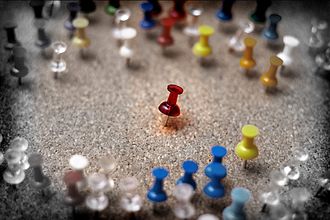
330px-Pin-artsy3. You are next encouraged to pinpoint what is special about your book.

Again, the Creative Penn offers us some insights on how to go about this: “If you tell someone you’re writing a book about a witch who uses her power of communing with animals to rescue a lost dog from an evil dog-napper, then A. Wow, you have an interesting imagination!  B. You may or may not have taken in 101 Dalmatians too much as a child and C. With such a premise, chances are, your story is more light-hearted than scary, so your target readers to which the mystery aspect of your story will entice are more cozy-type mystery consumers.” So what are the few key words, the hook I can use to sell Huw the Bard? How do I boil the plot down to a few key words? This could take a while, but I’m sure I can do it.

Honest.

4. Now we need to determine some demographics.

That’s the problem–I am the demographic, and I don’t know who I am. Mature Audiences, definitely. There is some graphic sex, although it doesn’t devolve into a porn-fest, There is violence, a witnessed rape, and murder. These are all there because they are watershed moments in Huw’s life, things that change his view of the world. There are also a haunted village and a bisexual knight who talks to his horse, so there is humor midst the misery.

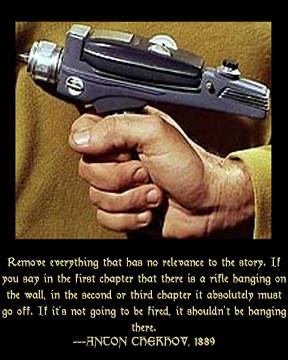
chekhov's gun5. Finally, the Creative Penn suggests we feed the previous four tips into each other to gain even more insight and narrow down who our target audience/s is/are.

Just give me Chekhov’s gunnow. I need to shoot something.

Several times.

Seriously–the article I’ve drawn these suggestions from is a good article, and it goes on to discuss how to use your target audience, which I did find somewhat illuminating.

At this point, if I can get even ONE concrete idea that works, I am feeling good about it. After all, it’s January! I’ve got a whole year to get this down, before I have to admit that this New Year’s resolution has gone the way of my weight-loss dreams and visions of world peace.

2 Comments

Filed under Adventure, Battles, Books, Fantasy, Humor, Literature, Publishing, Self Publishing, Uncategorized, writer, writing

Wild Things, Maurice Sendak, and kindness

Where_The_Wild_Things_Are_(book)_coverFirst published in 1963, Where the Wild Things Are by Maurice Sendak is one of the most iconic books of my childhood. Not because I was given it, because I was ten years old when it was published, but because my little brother was given it, and I read it aloud to him and my little sister. This was one of the books that taught them how to read.

The art and philosophy of both Maurice Sendak and Dr. Seuss shaped my young life as an author and as a reader.  It was through reading their wonderful works to my younger siblings that I developed my love of reading aloud.

When you read aloud, you share the experience of the tale with another person, and their enjoyment of the tale increases your own.

At least, that is how I see it, and to this day I enjoy reading a book aloud to my family.

The-Martian-ChroniclesI didn’t start out wanting to read to my little sibs–it was forced on me. I really wanted to be left alone so I could read my stolen volumes from Dad’s bedside library–Bradbury, Asimov, M.A. Foster, Phillip K. Dick–the great pioneers of speculative fiction resided in that overburdened bookshelf, and I spent my pre-teen years inventing ways to sneak in and snag a book without getting caught. Simply entering the room where the shelf was enshrined was a crime worthy of the supreme punishment, so I developed crafty ways to liberate a book, and return it–feeling somewhat like Bond as I did so. (Mother was a Bond girl–along with steamy Jacqueline Suzanne novels.) (Ewww.) (Until I hit the age of about 14.) (Everything I know about sex I learned from my mother’s bedside library.)

300px-Sendak-nightkitchenIt was the mid 1960’s. My parents were a typical post-war couple. Dad was a disabled vet and worked as a draftsman, earning a good income, and Mom was an unhappy, bored housewife who hated being a stay-at-home mom. My maternal grandmother lived with us, and to say we lived in a pressure cooker, sometimes, would be an understatement. As the oldest one in that batch of kids, it was my job to entertain the younger siblings.

I wasn’t always kind about it, but once I got into the swing of things, it was fun. In those days, TV was a privilege, not a right. We only had 3 channels, which were boring. But the best way for me to “keep those kids quiet” was to read a story, and we all loved stories with great pictures. Maurice Sendak’s fun, fantastic art fired the mind, for sure.

I still see very little television. I don’t have that connection, that invisible tether that others seem to have to the electronic mind-wipe device. I get quite bored with the predictable storylines and redundant catch-phrases that permeate the airwaves.

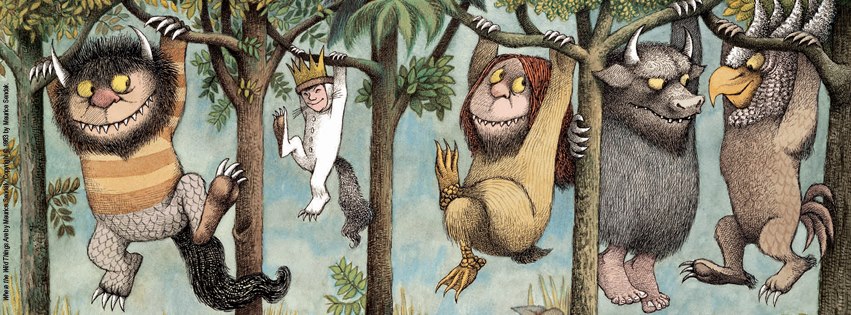
318637_570373639644170_1168940723_nWhere the Wild Things Are is a song of  childhood rebellion,  just 338 words. It focuses on a young boy named Max who, after dressing in his wolf costume, wreaks such havoc through his household that he is sent to bed without his supper. (I did the same, many, many times–sans the wolf costume. Costumes were a bother, and were not encouraged in our house.) Max’s bedroom undergoes a mysterious transformation into a jungle environment, and he winds up sailing to an island inhabited by malicious beasts known as the “Wild Things.” After successfully intimidating the creatures, Max is hailed as the king of the Wild Things and enjoys a playful romp with his subjects; however, he decides to return home, to the Wild Things’ dismay. After arriving in his bedroom, Max discovers a hot supper waiting for him–which I never did.

Being forced to be kind to my younger siblings didn’t hurt me at all. In fact it forged an alliance, three angry, rebellious children against the often capricious adult world of the 1960’s. When everything else was going to hell in our outwardly perfect world, we had each other, and we had our books.


4 Comments

Filed under Adventure, Battles, Books, Fantasy, Humor, Literature, Publishing, Uncategorized, writer, writing

Rendering my brain obsolete

Garmin GPSI have quit using the Garmin, except on long trips.  I like to find my own way around, and I think that getting the directions from Google Maps and finding the path keeps you sharp.  I’m one of those lucky people who usually always knows where I am, and which way is west, unlike my hubby who has no sense of direction.

I navigate by landmarks, and I am always updating my mental map of the area, so that new landmarks are duly noted and don’t throw me off track.

However, some of our best adventures have been at the hands of the Garmin lady.

One of the first things we found out was that if you have the Garmin set on “Pedestrian” mode, it will tell you how far and how fast you have walked. This has been really helpful for my hubby who regularly takes long walks on his lunch break. It’s amazing how far he can walk in an hour.

I will say, there is a down side to this:

IF you forget to switch it back to driving mode, and you decide to make a random trip down Interstate 5  from Olympia, Washington to, oh, let’s say McMinnville, Oregon, you may have a random encounter with The Garmin Lady that goes like this:

6a0120a85dcdae970b0120a86d6130970b-piGarmin Lady: “Exit Freeway at next exit.”

Me and Greg: “What? No way, we aren’t even in Chehalis yet!”

Garmin Lady “Recalculating. Take Next Exit, to the right.”

Me and Greg: “There’s something wrong with this thing. We’re passing Longview. We’re nowhere near McMinnville yet. We’re still in Washington, so what she wants us to do, I can’t imagine.”

Garmin Lady “Recalculating. Make U-Turn at next police turnout and then exit freeway, to the right.”

Us: “What?!? That’s just plain crazy, not to mention illegal! Turn that damned thing off!  It’s broken!”

I kid you not–that actually happened. The Garmin was on pedestrian mode, and was trying desperately to get us off the freeway. However smart the Garmin is, it did not connect the fact we were traveling 70 mph, which is a brisk pace for your average walker, with the notion that maybe we were in a vehicle.

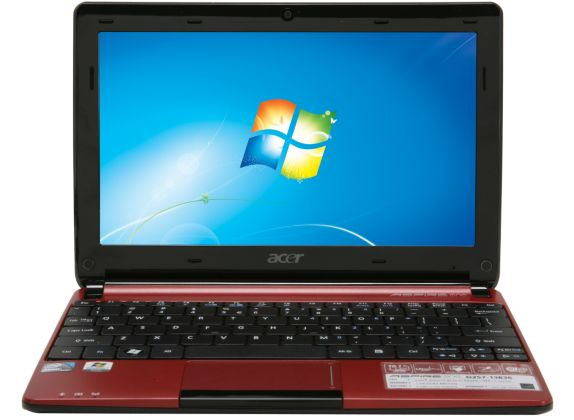
Acer-Aspire-One-AOD257-4I sometimes wonder if all my helpful devices aren’t rendering my brain obsolete. I have my PC, which I am using right now. I have my ancient Acer Aspire laptop, which is a difficult device to enjoy using, and which gets sworn at regularly in coffee shops. It’s slower than a pencil and paper, and is less likely to make a connection to the internet when I really want one. It shall be replaced someday.

I have my Kindle, with more than a thousand books in it. A thousand books! That’s the library of my dreams, and it takes up less space than a regular book! I have my iPod for walking, and I stream music all over my house through the PS3. I have more music in my iPod and on my computer than most radio stations have in their music libraries.

Locutus of BorgSigh.

I’m in possession of more external brain power than a bus full of physicists.

But it’s not enough.

The only way to get the speed and connectivity I really want is to go Borg.  Of course, I will want my headset to coordinate with my clothes–I don’t wear leather, so mine will have to go with tie-dyed cotton. And maybe I can Be Dazzle it, for special occasions.


be dazzle kit


1 Comment

Filed under Adventure, Battles, Books, Fantasy, Humor, Literature, Publishing, Uncategorized, writer, writing

Virtual unreality

midnight-new-years-champagneWhat are your New Years traditions? Normally my hubby and I do something a little fun to celebrate, but this year we were pretty low-key. I’ve been suffering from a flu-like virus, and I was finally fairly mobile, enough to go out to dinner at the local Mexican restaurant we like so much.

Then we spent New Year’s eve at an all-night party with friends from all over the world. I love the virtual reality of the internet universe. You’re never alone unless you log off Facebook.

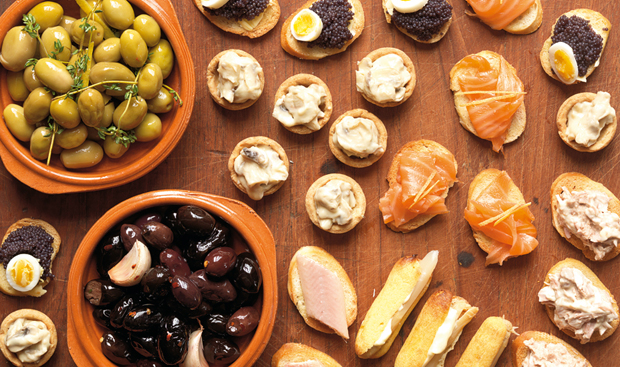
canapes (1)My publisher, Myrddin Publishing threw a great virtual New Year’s party on Facebook where the authors and readers got to meet and have a rollicking time in the virtual universe. For a short time (until Sunday Jan 4th 2015) kindle downloads of Huw the Bard and Tales From The Dreamtime are on sale for .99 cents.

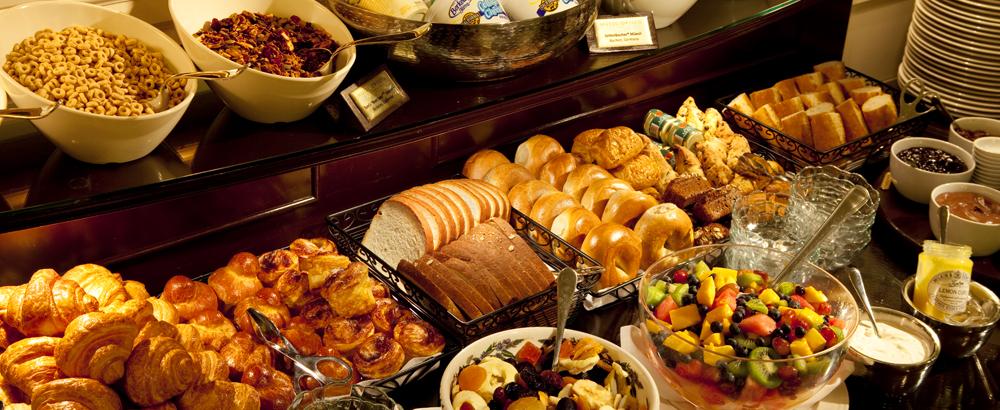
breakfastThe party is still going on today, with a virtual breakfast being served, and people popping in and out. I’ve had a lot of fun with that, despite being under the weather. And this morning on New Years Day, I actually feel good.

So what are my goals for this new year that looms fresh and untrammeled before us?

My goal is to create and implement a marketing plan for my books.  This is something I have attempted, but have always become side-tracked by life, and never got back to it. From what I’ve read on the internet this involves a combination of things:

1. During January I’m going to create a plan-of-action, and map out my strategy. Once I know the answers to the next two questions I will be able to develop a plan of attack.

2. I will identify my audience.  This is hard–I write for my own amazement, so I’m not sure what my audience is! But I will spend some  time figuring that out, and I will blog about the process.

2. I will figure out what makes my books different from all the other books out there, aside from their obvious, amazing wonderfulness. This is also difficult! I wrote these things while in a trance, apparently, as the minute someone asks me about them, my mind goes blank and I have no idea how they got here, or what they’re about. I will probably blog about that process too.

3. I will budget $$ for Google ads and Goodreads ads, and see how they perform. My Goodreads ad seems to get a lot of clicks, but I’m not sure it translates into sales. I haven’t done a Google ad yet.

Possibilites copyI’m pretty lousy at blatant self-promotion. But I intend to make this a good year for honing my marketing skills in such a way that I can sell a few books without annoying my friends!

It’s a brand new beginning, with endless possibilities. In completing and publishing my books, I’ve already achieved dreams I never thought possible, and now a new year lies before me. How wonderful to know that anything can happen!

Comments Off on Virtual unreality

Filed under Adventure, Battles, Books, Fantasy, Humor, Literature, Publishing, writer, writing

Winter’s Heart

HolidayTree2012Web Olympia Downtown Association

Olympia Downtown Association

I love the way the Christmas lights  light up the dark streets at this time of the year. It removes a little of the creepy ‘horror movie’ factor from being downtown at night. Why can’t we have them on the bare trees all winter long? They make the long, dark nights feel so much kinder.

It rains a lot here, some years more than others. This year seems to be a ‘more’ year, but that’s what we like up here. Something about the  gloomy days fires my desire to write. The climate of Northern Waldeyn in my book, Huw the Bard, is inspired by the weather here in the great Northwest, as are the forests and the mountainous countryside. Even the waterfalls are inspired by those that can be found here in my home state of Washington.

We made the weekend journey north to see our kids and drop off presents for our grandkids this weekend, slogging up I-5 in the pouring rain and heavy traffic. It’s not too bad if you aren’t in a hurry-so I never make that trip with high expectations of arriving anywhere in a timely fashion–it can’t be done. Far too many vehicles clog the lone artery that connects Olympia Washington with Vancouver, British Columbia to the North, and San Diego, California to the South.

With our traveling done, and the winter solstice past us, we’re just preparing for our small Christmas day celebration here at Casa del Jasperson. After Christmas, I intend to settle in and get serious about writing again. I’ve been editing a wonderful book, which is a pleasure. I also have several irons in the fire, so to speak–the third book in the Tower of Bones series, Mountains of the Moon, is in the middle of the editing process at Eagle Eye Editors. MOTM is a prequel to Tower of Bones, and is a lighthearted book.

I’m in the final stages of reformatting Tower of Bones to be republished sometime in early 2015–new cover, new maps, all new interior, and Forbidden Road also has a new cover, new maps and a newly reformatted interior. I am still working on the cover for Mountains of the Moon, but I have an idea of what I want to do. The design studio in my Room of Shame is cranking out artwork as fast as I can think it up.

I’ve gotten the two followup books to Forbidden Road through the rough draft stage and into to the final fleshing out. The Wayward Son, and Valley of Sorrows had to be written concurrently, and the story line necessitated a name change in the earlier books, as a minor character became a major character, and her name was nearly identical to that of another major character. Since I had already pulled the two earlier books for reformatting, I decided to just take the plunge, and make that change globally. The Wayward Son is the story of John Farmer’s redemption, and takes place during the same months as Forbidden Road.

I’ve learned how to make vectors, and am getting the hang of creating digital art, and have found that I have a talent for graphic design. At least I like my pretty pictures.

All in all, it’s going to be a busy year. I can hardly wait to see what is going to come along next–maybe I’ll take up alpaca ranching. I’ve never done that before. They can’t be any worse than sheep…which were a pain, if you want the truth.

Okay. No alpacas. But they are awfully cute.

4 Comments

Filed under Adventure, Battles, blogging, Books, Fantasy, Humor, Literature, Publishing, Self Publishing, writing

Sinking the Hook

book-cover-middlemarchThe books that ring my bells all start out with a really great hook–in some cases the first line is the clincher, but most definitely by the time the first page has passed, I am hooked and ready to be enthralled.

Some of the best first lines ever: George Eliott’s Middlemarch starts, “Miss Brooke had that kind of beauty which seems to be thrown into relief by poor dress.” That line makes you want to know Miss Brooke. And who is the observer who chronicles this?

How about this first line from Ulysses, by the king of great lines, James Joyce: “Stately, plump Buck Mulligan came from the stairhead, bearing a bowl of lather on which a mirror and a razor lay crossed.”

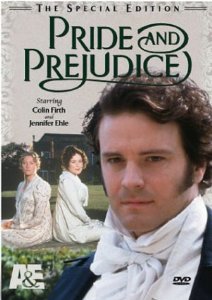
pride and prejudiceOr, take this quote from the Guardian regarding the first line of Jane Austen’s Pride and Prejudice“It is a truth universally acknowledged, that a single man in possession of a good fortune, must be in want of a wife.” The one everyone knows (and quotes). Parodied, spoofed, and misremembered, Austen’s celebrated zinger remains the archetypal First Line for an archetypal tale. Only Dickens comes close, with the beginning of A Tale of Two Cities: “It was the best of times, it was the worst of times, it was the age of wisdom, it was the age of foolishness, it was the epoch of belief, it was the epoch of incredulity, it was the season of Light etc…” 

Good first lines are critical. They have a singular duty, to involve the reader and kidnap them for the length of the book. Our first lines must make the reader beg to know what will happen next.  We have to think about that first line, those first paragraphs, and how to land our reader.

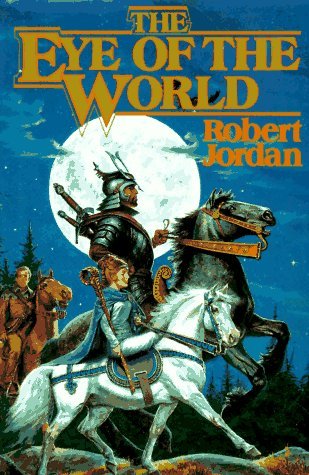
TheEyeOfTheWorldDoes your first line have to introduce your main character? I think not. Dickens introduced an era in his opening lines, and it works. In his Wheel of Time series, Robert Jordan frequently opened with a glimpse into the side of evil, illuminating that which Rand Al Thor must somehow prevail against, and that always hooked me.

Regardless of what you introduce, the hook MUST pertain to the tale. It must reveal something about the book in such a way that it sticks with the reader. Do not waste time in getting to the plot, because even a good hook cannot save a bad novel.

The first pages of books that intrigue me introduce a “dramatic question” and even if the reader doesn’t realize it, that question can often be answered with a yes or a no–will the hero succeed? Will good conquer evil? Will love triumph? What the hell happened to drive Lews Therin Telemon mad and what will happen next?

Consider these things when writing the opening paragraphs:

1. The opening lines set the tone for the story

2. The opening lines introduce the dramatic question that is the core of the story

3. The opening lines introduce the sense of place, the setting of the story.

Ask yourself where the story truly begins, and start there. What came before that can be cut from the final draft, as it is just background information that is necessary for your reference.

I think it’s good to read books outside your genre, and read them with the idea of understanding what makes them classics. Read literary fiction, read romance, read sci-fi–read widely if only to see what a different genre is about, how it is different from what you write. In all fiction, the first pages are the ones that kidnap the reader. Covers and blurbs may sell the book, but the first pages plunge the reader into your world.


Comments Off on Sinking the Hook

Filed under Battles, Blogger, blogging, Books, Fantasy, Humor, Literature, Publishing, Self Publishing, WordPress, writer, writing

The author’s voice

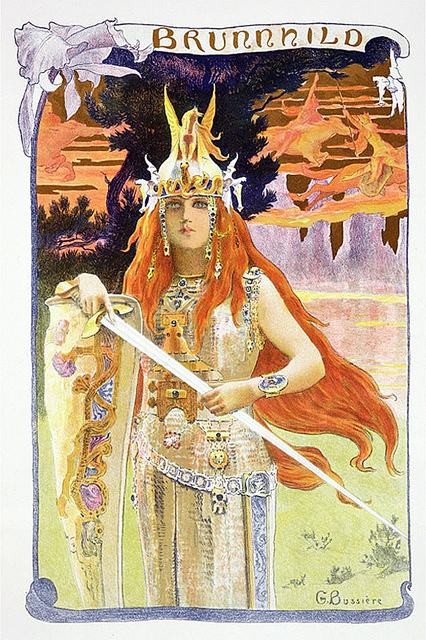
Brunhild_(Postkarte),_G._Bussiere,_1897All authors have a voice, although many can’t sing. I have 8 good notes and I’m not afraid to use them in singing the odd song now and again. Tad Williams can sing, and has the cd to prove it.

But what do I really mean when I speak of an author’s voice?

We become attached to certain authors because when we read their works, we hear their “voice.” We hear them speaking to us.

Each author writes with a certain style, or in other words, the words he or she habitually uses that makes his or her writing unique. “Voice” conveys the author’s attitude, personality, and character.

You have all heard me say that having a manuscript properly edited before publishing it is crucial for the indie author’s credibility. You may ask, “what is this process, and how do I retain my voice, and control of my work when someone else is intent on hijacking it?”

First of all, a good editor will never try to hijack your work. Writers intentionally use symbolism and thematic consistency. We sometimes intentionally repeat certain words for emphasis. These things are significant to us, and a good editor will recognize that.

So what does an editor look for in a manuscript?

Indies are looking for an editor who “helps a writer develop a book from idea or outline or initial draft. Makes sure the book will meet the needs of the publisher and its readers. Will work with the author through any number of drafts. Often works with writers of non-fiction. Guides the writer in topics to be covered in or omitted from the book.” quoted from the Editors Blog.

In other words indies want a structural editor.  What will this editor do for them?

The professional freelance editor will read your manuscript, looking for the rough spots and inconsistencies that work their way into every final draft. They will suggest you correct certain grammatical errors and habits that interfere with the flow of your work, and give you an idea of how those corrections could be made. They will also point out things that are unnecessary background–info-dumps that have slipped through, and suggest you remove them.

Also a structural editor may suggest that a section be moved to a different, more appropriate place in the manuscript. This editor will devote a month or more of their time to your manuscript. This is a hefty commitment on their part, and is one that is not lightly made.

Raymond chandler quote split infinitivesA good editor will not try to take over your manuscript and erase your voice.

You, as the author, have the final say on your manuscript–it is after all your intellectual property. If you don’t want to change something you feel is intrinsic to what you are trying to express, you don’t have to.

Sometimes editors don’t see the forest for the trees–and a good conversation with the author will straighten those areas out. If your editor does not respond to your emails, or indicate in some way that they have heard your concerns, you should not work with them.  

The best part of being an indie is having the control of your work. A good relationship with your editor is crucial to turning out a good product.

7 Comments

Filed under Adventure, Battles, Blogger, blogging, Books, Fantasy, Humor, Literature, Publishing, Self Publishing, WordPress, writer, writing

What I’m reading

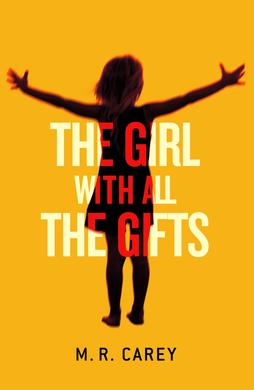
The_Girl_with_All_the_Gifts m.r. careyI just finished reading a great book, The Girl With All the Gifts, by UK author M.R. Carey (Mike Carey, of X-Men Legacy fame). I loved it as much as I did The Martian, by Andy Weir. At first glance the two novels have nothing in common other than they are both considered speculative fiction, but they do have one common feature–they both really rang my bells.

My friend, who also does not normally read dystopian fiction, directed me to it. The action is intense, and it is at times gory, but what makes this book so significant is not the fact it is about Zombies and the war against the undead (which is a theme I don’t usually gravitate to.) The truly powerful character of Melanie, the ten-year-old girl is the real driving force behind this novel.

I really get into character-driven works. That’s why I enjoy such a wide variety of genres in my eternal search for a good read.

The main character in this tale is Melanie, a girl who loves school and her favorite teacher is Miss Justineau.  Melanie is multi-layered and despite the horrible truth of what she is, she is innocent and trusting.

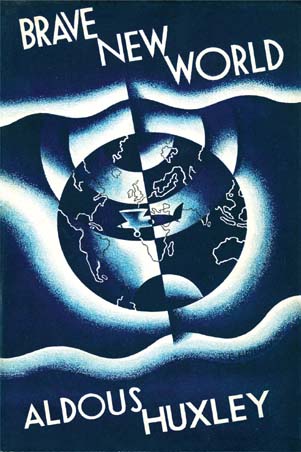
BraveNewWorld_FirstEditionSo what is dystopian fiction? The core plot of dystopian fiction revolves around the premise that society has crumbled for one reason or another, and details the struggle to survive and raise humanity from the ashes. According to Wikipedia, the fount of all knowledge:

Dystopia is defined as a society characterized by a focus on negative societies such as mass poverty, public mistrust, police state, squalor, suffering, or oppression, that society has most often brought upon itself. Most authors of dystopian fiction explore at least one reason why things are that way, often as an analogy for similar issues in the real world. In the words of Keith M. Booker, dystopian literature is used to “provide fresh perspectives on problematic social and political practices that might otherwise be taken for granted or considered natural and inevitable.”

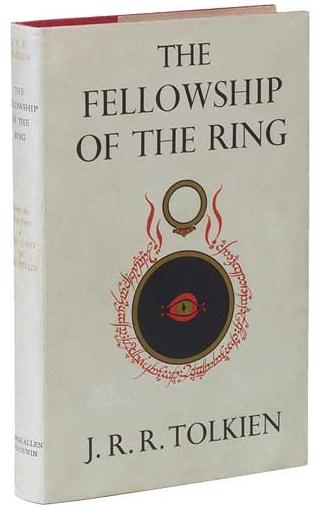
FellowshipOfTheRingNo matter the genre, stories are all driven by one of two elements, plot or character. A plot driven story is one where the plot defines who a character is. Take J.R.R. Tolkien’s Lord of the Rings: Even if you remove Frodo, who is the main protagonist and replace him with another hobbit, the event, which is the battle for middle earth still takes place, the call to action still exists. He is an awesome character who leaps off the page, yes–but this is a plot-driven tale.

But in  The Girl With All the Gifts, the plot is completely driven by Melanie. Her emotions, her love for her teacher and the innocent faith she has in both Miss Justineau, who sees her as a child, albeit a dangerous one, and Sergeant Eddie Parks, who sees her as a monster, but who nonetheless does the right thing–take these away and you just have a book about humanity dealing with zombies and the collapse of society.

In all of the books I have lately read, several that were character driven really stand out. Characters who are not flat, who leap off the page and grab you–characters who strike some chord within you and who stay with you long after the last page. When I close the book after the final paragraphs, if those characters are still with me, that book is a winner.

2 Comments

Filed under Adventure, Battles, Blogger, Books, Fantasy, Humor, Literature, Publishing, Self Publishing, Uncategorized, WordPress, writer, writing