Category Archives: Literature

Hyphens, style guides, and writing conventions

adult-footie-pjsYou need a good style guide. No, I am not suggesting that you need help with your wardrobe–those footie pajamas are awesome, and are the perfect uniform for the dedicated author. What I am suggesting is that you develop consistency in your writing, and there are guides to help you with that.

English is a completely wonky language, even for those of us who grow up speaking some form of it. My dialect is that of the western United States, specifically the Pacific Northwest, near the Canadian border. As in every other part of the world, we speak informally in our homes and with friends, but in writing, we should conform to certain standardized rules, or those who speak OTHER versions of English will not be able to follow us, despite the many similarities in our dialects.

Kathleen Cali, in an article at Learn NC, says: “Conventions are the surface features of writing — mechanics, usage, and sentence formation. Conventions are a courtesy to the reader, making writing easier to read by putting it in a form that the reader expects and is comfortable with.”

Since I am a US citizen, I use American writing conventions. In the United States, many non-journalistic professional writers use The Chicago Manual of Style, and this is the manual I use.
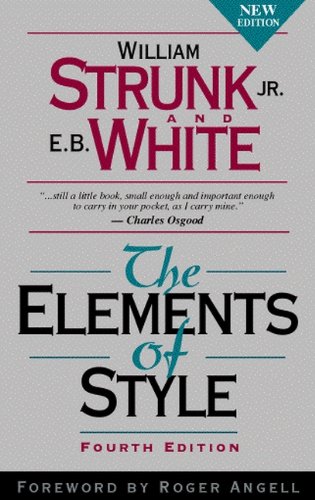
elements of styleA classic style guide for new authors and the general public is Strunk and White’The Elements of Style. This is a popular reference among writers just beginning in the craft. I sometimes use this guide, but as I have advanced as an editor, I find myself referring to the more in-depth Chicago Manual of Style. However, either one is excellent for the US author, and for any Europeans editing for a US author in this era of the internet and the global market for editing services.

Any author or editor who tries to tell you that one particular style guide is “the only” style guide is simply voicing an opinion, and if they are obnoxious and defensive about it, ignore them. Each style guide is an excellent reference tool, and each one plays to different requirements. But all of them are for the benefit of the reader.
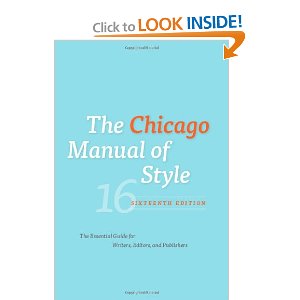
chicago manual of styleThe Chicago Manual of Style is one of the oldest and most comprehensive style guides available, and for me in my role as an editor, it’s an indispensable tool because it contains information that I can’t find anywhere else. While I could easily access it all via the online version, I do like having my large book at my fingertips.

As a writer I rely on a style guide because  it often feels  like every rule has an exception, and knowing what those are makes huge difference in a manuscript’s consistency and readability.

For example, sometimes we don’t know if we should hyphenate or not. Or, we are unsure when to capitalize a direction or an honorific. When this occurs, our work becomes uneven and hard to read, because it’s rife with  inconsistency, hyphenating words in one place but not another. This happens because not every set of words needs to be hyphenated, and how do you know which to decorate with that dear little dash?

There are answers to these questions, in the handy-dandy style guides we have available to us.

So how DO we employ those little morsels of madness that work their way into every corner of my manuscripts? I love them!

Unfortunately, hyphens are not toys. As I discovered when creating my world of Neveyah for the Tower of Bones series, they are the gate-way drug to writer’s hell. Take my advice and do not use a hyphen unless it serves a purpose. If a compound adjective cannot be misread or its meaning is established, a hyphen is not necessary.

  • An English-speaking country
  • A time-saving device
  • A thirty-floor building
Some compounds are created on the spot to fulfill a specific need (on-the-spot creations). Permanent compounds start out as improvised compounds, but become so widely accepted that they are included in the dictionary as permanent compounds. Examples of temporary compounds that have made the transition to permanent compounds are words like  know-it-all, heart-stopping, free-for-all, and down-at-the-heels.
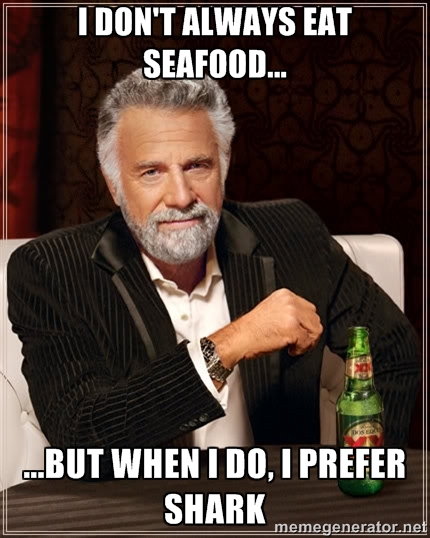
shark memeContext determines whether or not to hyphenate.  Ask yourself, “How will the words be interpreted by the reader if I don’t hyphenate?” Wikipedia offers the following examples:
  • Man-eating shark (as opposed to man eating shark, which could be interpreted as a man eating the meat of a shark)
  • Wild-goose chase (as opposed to wild goose chase, which could be interpreted as a goose chase that is wild)
  • Long-term contract (as opposed to long term contract, which could be interpreted as a long contract about a term)
  • Zero-liability protection (as opposed to zero liability protection, which could be interpreted as there being no liability protection).

And finally, especially if you are writing in a fantasy genre, as you are writing your tale down and creating your world, also make a style sheet that pertains to your manuscript noting what words must be capitalized and what the proper spellings for invented places are.

Refer back to it frequently, updating it as needed. I learned this the hard way. Whether it is handwritten or a WORD document, a simple directory of compound words and phrases that are unique to the world you have created will be as invaluable to you as your copy of The Elements of Style.
4 Comments

Filed under Adventure, Blogger, blogging, Books, Fantasy, Humor, Literature, Publishing, Self Publishing, WordPress, writer, writing

Weak Prose vs Passive Voice

Book- onstruction-sign copyI read voraciously, and I read in many genres. I love books written with passion, but I don’t always love passionate writing. By that I mean—be crafty with how you deliver your descriptions, because I don’t want to be told what to think.

In various writing forums I regularly see authors complaining that Beta Readers don’t understand their ‘voice.’

Several things could cause that disconnect:

  1. The person who agreed to Beta Read for you does not read your genre, and genuinely does not like the kind of books you write. This happens all the time, so find a reader who enjoys romantic, urban fantasy, if that is what you write. A woman who reads hard sci-fi likely won’t love a fantasy-romance involving elves and vampires.
  2. Also, perhaps the person reading as a Beta Reader does not understand that Beta Reading is NOT picking a manuscript to shreds, it is giving general opinions on the manuscript as a whole. This is why I am selective as to who I share a manuscript with—the reader must be familiar with and read my genre, and understand the rules for Beta Reading, as set down by Orson Scott Card.
  3. We also must consider the possibility that we are mistaking lazy writing habits for voice. We love our glorious, elegant prose, but our reader was not as impressed. I hate it when that happens!

I had a conversation with an author who said, “My editor wants to change my voice. She won’t let me use ‘there was,’ but I don’t know how to tell my story without using it.”

She was not trying to change his voice, she was trying to encourage him to be creative and to write strong sentences.  Weak prose tells the story, holds the reader away from the immediacy of the experience.

Passive voice also tells a story, but when done well, it can be beautiful and immersive.

What is passive voice? I absolutely adore this paragraph from the American Bar Association website article “Writing Clear and Effective Legal Prose” by George D. Gopen:

“Lawyers cannot write sophisticated, powerful prose without a skillful use of the passive voice. I could offer you a theological proof: God would not have created the passive had it no use. Or perhaps you might prefer the Darwinian argument: The passive could not have survived unless it was fittest for something. But I prefer this circular reasoning: The passive is better than the active in all cases in which the passive does a better job than the active. It only remains to learn what those cases are.”

Notice how he meanders through that thought, but eventually arrives at the point? He never devolves into weak prose. This is also the way many new authors approach writing genre fiction, and is where they run afoul of their readers. Readers of genre fiction expect lean, action-oriented prose driving each scene toward a final conclusion.

So now we come to another point—what is GENRE FICTION? Modern genre fiction avoids passive voice, opting for active, pared-down sentences that have one purpose—resolving a conflict. Literary fiction often uses passive voice, but knows how to apply it correctly. Literary fiction takes the reader on a journey, often where they witness events as seen through other eyes. Both styles of writing have to be carefully crafted, and both must immerse the reader in the experience. Stephen Petite, in his article, “Literary Fiction vs Genre Fiction” says:

“An argument can be made that there are two types of fiction when it comes to novels: Genre Fiction and Literary Fiction. The former includes many subcategories such as Mystery/Thriller, Horror, Romance, Western, Fantasy, Science Fiction, etc. The latter is more difficult to classify or break apart into subcategories. To put it simply, Literary Fiction is anything that does not fit into a genre.”

The fact that literary fiction is anything that does not fit into a genre offers authors the option of writing in a more leisurely style, if that is their desire. However—do not mistake bad craftsmanship for literary style.

I read genre fiction for entertainment, for a riveting story, an escape from reality.

Literary fiction is not about escaping from reality. It seeks to better understand the world and delivers real emotional responses, often though situations that are rooted in fantasy. I often read and enjoy literary fiction.

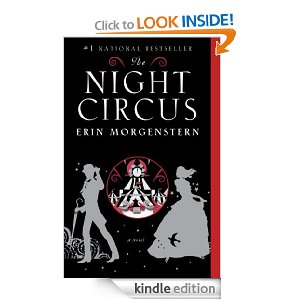
the night circus by erin morgensternDo you see the crossover there? Some fantasy qualifies as literary fiction because of the way in which the story is delivered. Erin Morgenstern’s beautiful fantasy, The Night Circus is a perfect example of this cross-over. Genre fantasy purists decry her lush, beautiful prose, and lack of direct conflict between the two magicians, while readers of literary fiction enjoy her lush, beautiful prose, and the deeper story that underlies the politely waged war between two magicians.

Know who your readers are. Select your beta readers from people who read in the genre you think you are writing for. It’s likely you are writing for yourself, so identify the sort of books you gravitate to, and choose your readers accordingly. If you’ve chosen the right beta readers, you will also know what your chosen market will be.

10 Comments

Filed under Books, Fantasy, Humor, Literature, Publishing, Self Publishing, writer, writing

Create a Hyperlinked Table of Contents

TOC 1One great convenience that an indie author can place in their Kindle, Nook or Smashwords e-book is a Hyperlinked Table of Contents. This is something I use all the time –it allows me to easily page back and forth.

The one I am using for this is an ancient file for the book that spawned Huw the Bard,  so ignore the page numbers. In those days I didn’t know that page numbers are like prisoners—they just weigh you down!  If you have seen my previous post on this subject you can quit now and I won’t hold it against you.  However, if you are in the middle of formatting your first manuscript, this post may be of use to you!

For print versions, I keep costs down by not wasting precious pages on something the reader won’t use. However, printed technical manuals, textbooks, and cookbooks must include a TOC. In print books, every page you can do without when publishing your novel in paper form will keep the final cost down and make your paperback more affordable for your prospective reader. Very few people will pay $18.99 for a book by an unknown author.

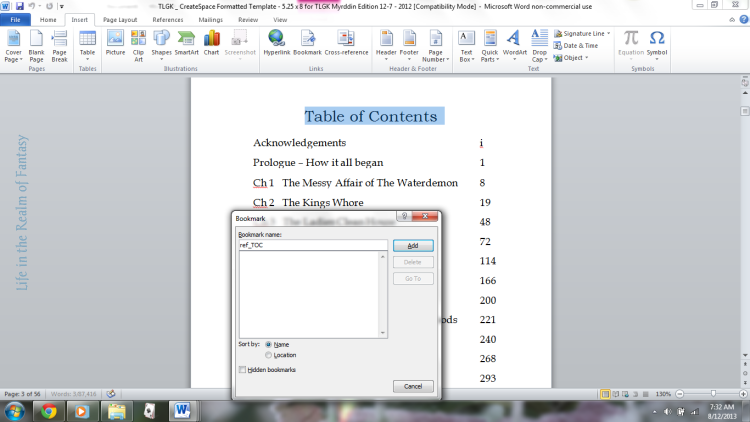
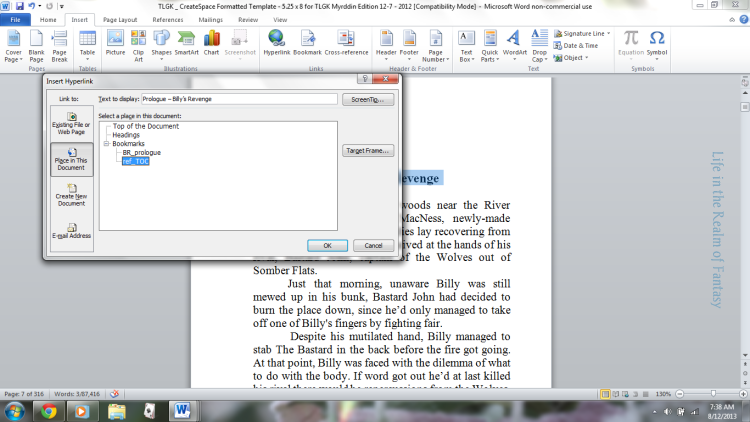
The first thing you want to do is create a bookmark.  First highlight the words  “Table of Contents” and then go to your ‘Insert’ tab.  Click on ‘Bookmark’in that ribbon. Type in the words ref_TOC

TOC 2

Then click “Add”.  In every ms it is important to name the Table of Contents bookmark exactly that, including the underscore, because that’s what Smashwords looks for and it is simply a good practice to have a uniform system for naming files.

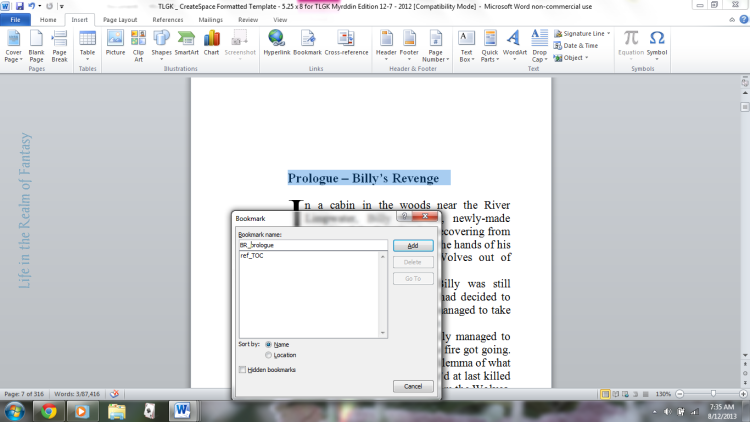
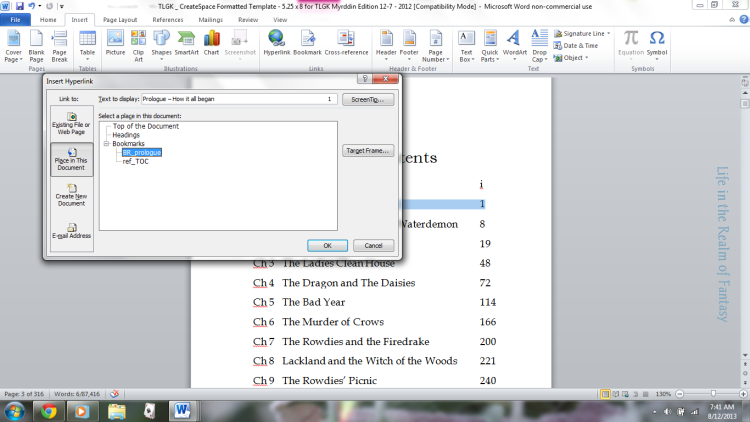
Now it’s time to bookmark  the prologue. Scroll down to your prologue and do it exactly the same way as you bookmarked the TOC, but for this ms let’s name it BR_prologue. You will name yours with your ms initials and the word prologue. If you have no prologue, skip this step.  See the picture below:

TOC 3

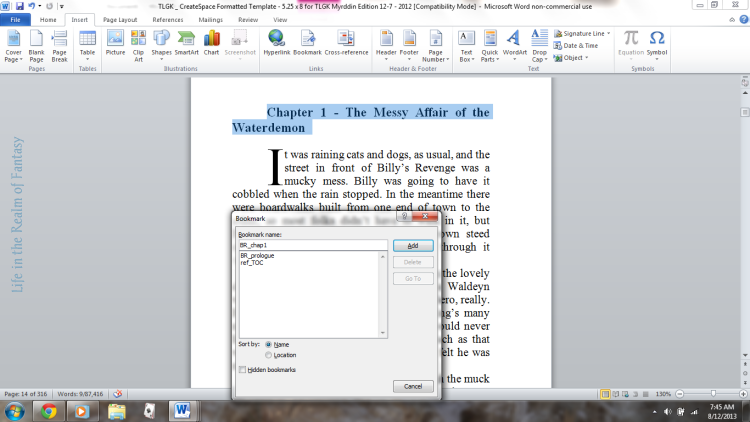
As long as you are there, with the chapter title highlighted, click “insert Hyperlink” on the ribbon. On the left, you want to ‘Link to:’  “Place in this Document”.  That will bring up your bookmarks. Select ‘ref_TOC’  and click OK.  This will turn your heading blue, which is called a ‘hyperlinky’. Press control and click on the link. it will take you back to the table of contents. Once you have used the hyperlinky it will turn purple. How cool is that! This is how that screen looks:

TOC 4

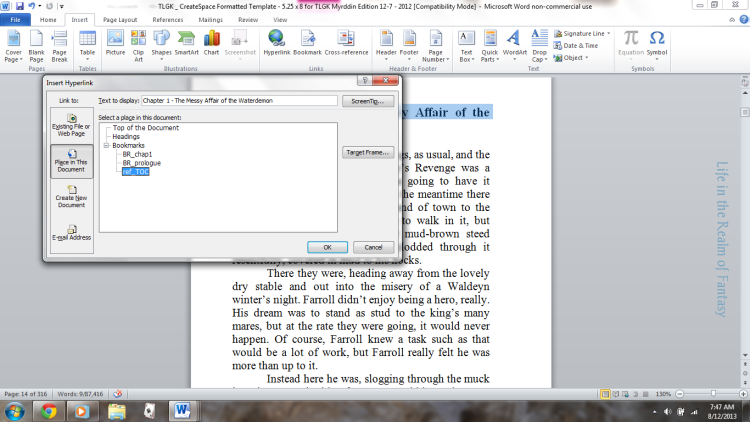
Now that you are back at the Table of Contents, highlight “Prologue and click “insert Hyperlink” on the ribbon. On the left, you want to ‘Link to:’  “Place in this Document”. That will bring up your bookmarks. Select ‘BR_prologue’  and click OK.  That will turn it blue. Press control and click on the link. it will take you back to the heading of your prologue.

Do this for the entire table of contents, always remembering to link your chapter heading back to “ref_TOC”, and test each link as you go.  Four more pictures just to help you remember:

TOC 5

—-

TOC 6

—-

TOC 7

—-

TOC 8

—-

I hope this helps you in formatting your eBook manuscript. All my books have Smart TOCs. I build the TOC into my final formatted manuscripts when I am assembling the final proofed chapters and inserting maps.

On a side note, a hyperlinked TOC is an incredibly useful tool to help you navigate within any long manuscript whether you intend to publish it or not. Although I had used bookmarks before in the course of my work, when I first began this journey I had no  idea that the fancy TOCs I admired so in other people’s e-books were such a simple thing to create.

But that’s the way it always goes–things that seem like they should be hard are often the most simple, while something that should be easy turns into a drama of epic proportions.

Here’s to less drama and more simplicity! Learning how to format an e-book isn’t really that hard, and the wonderful people at both Smashwords and at Amazon have a lot of information freely available to you. Remember, as an indie, you are your own publisher, and what you put out there has to be the best you can make it.

Making use of the free information that is out there on the internet can only help you in this regard!

24 Comments

Filed under Adventure, Battles, Books, Fantasy, Humor, Literature, Publishing, Self Publishing, writer, writing

Heart Search book three: Betrayal

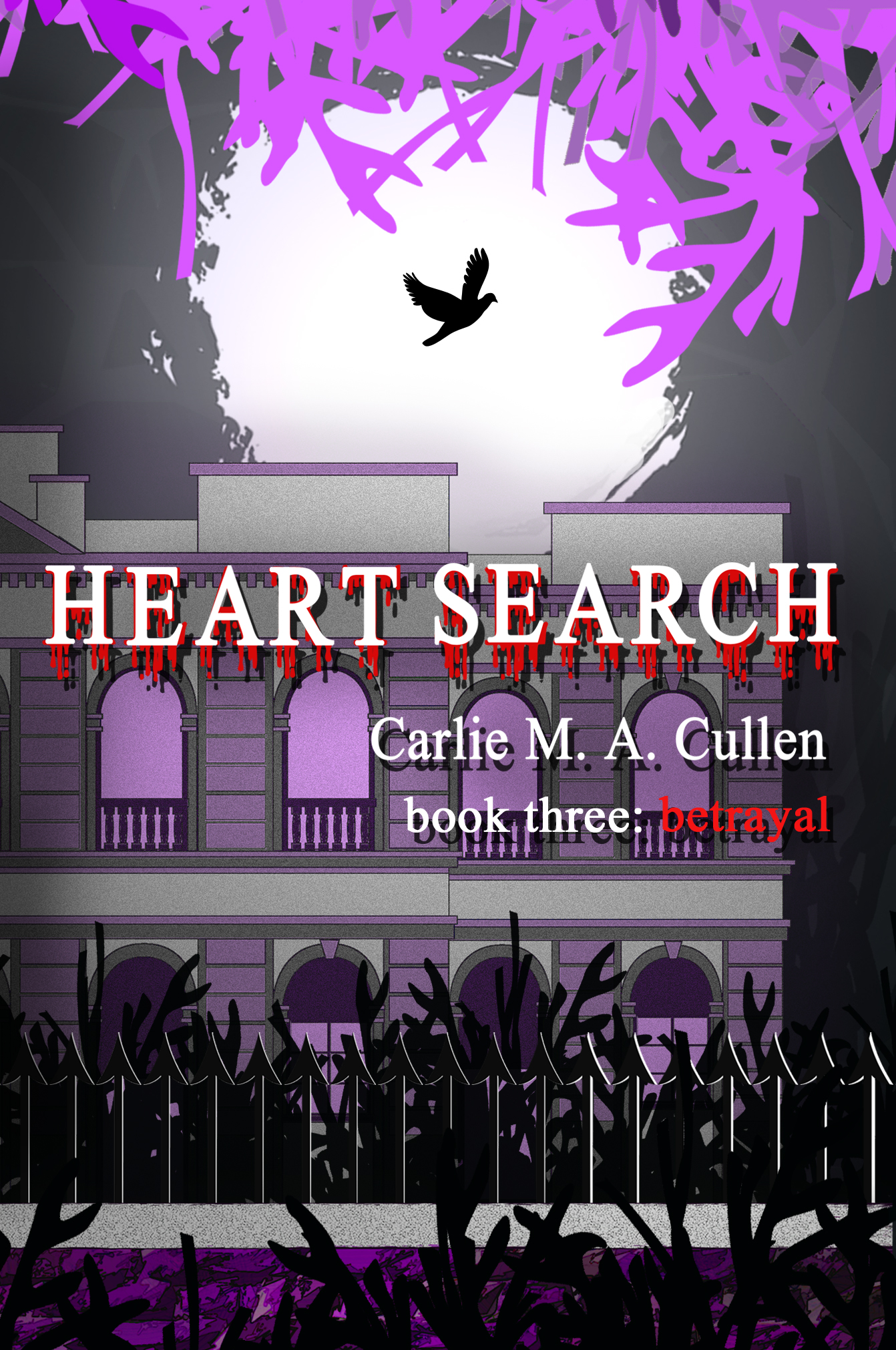
Betrayal front cover Today is the release of a book that I had a great time being a part of–Heart Search  book three: Betrayal, by UK author, Carlie M. A. Cullen. I had the privilege of being a structural editor for this, and it was a project I really enjoyed.

Where to start? It is the third book in a trilogy, and so it picks at the end of the previous book, of course–but a new reader could start with this book and not feel too confused.

For me, this book is a roller-coaster of events and emotion, as Samir’s and Joshua’s covens prepare to defend themselves from an upstart rival’s attempted takeover. The disappearance and kidnapping of Erika casts suspicion on several people, and the discovery of a traitor in their midst is an unpleasant monkey-wrench tossed into the works, making it difficult for Samir and Joshua to know who to trust.

Their enemy, Liam, is a low-class thug who has no problem starting the equivalent of a gang-war within the vampires’ society. His heavy-handed bullying of his subordinates and cruelty to his victims is evidence of that. His second in command, Max, is much smarter vampire, a man who could have been quite decent under other circumstances and isn’t quite sure that his maker is all that sane.

Phoenix, the hidden traitor in their midst is an arrogant, self-absorbed twit, and definitely a jerk. The traitor claims to care for the person handed over as a hostage, but does it anyway, knowing the hostage will not be treated well. Phoenix manages to cause nothing but trouble before their identity is finally revealed.

Remy’s sudden separation from her family has her twin in an uproar. Her emotional instability affects Becky, her twin, as do other aspects of her life, although neither woman is aware of that connection. The stilted, angry phone conversations between the two only serve to complicate things.

This book has many, many threads that are woven together to create a compelling story of intrigue, Stockholm Syndrome, and the arrogance that comes with immortality. It is filled with strong characters and inventive plot twists—some creepy, some chilling, and some downright horrifying.

It’s a paranormal romance, so some graphic sex and a great deal of violence make this book definitely an adult read.

When launching a new book, marketing is always a tough thing for an indie. I must say, Carlie has really stepped up for this:

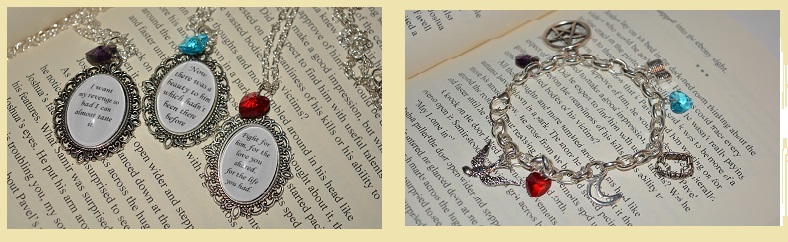
She is putting forth a Raffle Copter Giveaway of some gorgeous Heart Search themed jewelry.

heart search jewelry

That is some fabulous bling for her loyal fans!

Another thing that Carlie Cullen had done for marketing is she has created a really awesome book trailer for YouTube, The trailer is very noir, and really shows the atmosphere of the books:

Heart Search book three: Betrayal Trailer

These are really good marketing tools, and I feel sure her investments will pay off in the long run with good initial sales.

5 Comments

Filed under Adventure, Books, Fantasy, Humor, Literature, Publishing, Self Publishing, Uncategorized, vampires, writer, writing

Don Quixote

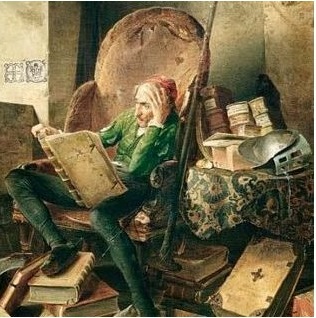
Don Quixote in the library Adolf Schrödter 1834

Don Quixote in the library by Adolf Schrödter 1834

Lately I have been on a Don Quixote binge. Published in two volumes, in 1605 and 1615, volume I, The Ingenious Gentleman Don Quixote of La Mancha, and volume II, The Ingenious Knight,  written by by Miguel de Cervantes Saavedrais considered the most influential work of literature from the Spanish Golden Age and the entire Spanish literary canon (a body of books traditionally accepted by scholars as the most important and influential in shaping culture.)

As a founding work of modern Western literature,and one of the earliest canonical novels, it regularly appears high on lists of the greatest works of fiction ever published, such as the Bokklubben World Library ( a series of classical books, mostly novels, published by the Norwegian Book Club since 2002) collection which cites Don Quixote as authors’ choice for the “best literary work ever written.” It is also said that the two parts of this masterpiece have been  translated into more languages than any book other than the Bible. 

Don Quixote had major influence on the literary community, as shown by direct references in Alexandre DumasThe Three Musketeers (1844) and Mark Twain’s Adventures of Huckleberry Finn (1884).

The Story:

Alonso Quixano, the protagonist of the novel (though he is not named until much later in the book), is a retired country gentleman nearing fifty years of age, living in La Mancha with his niece and housekeeper. Although he is mostly a rational man, his excessive reading of books of chivalry has produced a skewed view of reality and what we might consider dementia. In keeping with the theories of the time, not sleeping adequately–because he was reading–has caused his brain to dry. (I LOVE that!) As a result, he is easily given to anger and believes every word of these fictional books of chivalry to be true.

Don Quixote’s niece commits, what is to me, the most heinous crime–she and the Parrish curate burn his library, and lie to him, telling him it was the work of an evil magician. Criminal!!!

He decides to become a knight-errant in search of adventure. To these ends, he dons an old suit of armor, renames himself “Don Quixote”,  and renames his poor old horse “Rocinante.” Cervantes was a genius when he penned the horse–Rocinante is not only Don Quixote’s horse, but is a reflection of Don Quixote himself, ungraceful, past his prime, and in way over his head.

Don Quixote asks his neighbor, Sancho Panza, to be his squire, promising to make him governor of an island. Sancho agrees, and the pair sneak off in the early dawn. At this point their adventures begin, starting with Don Quixote’s attack on the windmills.

Miguel de Cervantes Saavedra created a wonderful, hilarious masterpiece when he penned Don Quixote. Even in today’s society the plot is relevant and and the characters leap off the pages. The extremes of the human condition are all laid out in glorious prose that has been beautifully translated to English in 2003 by Edith Grossman. The New York Times called Grossman’s translation a “major literary achievement.”

In the original version of Don Quixote there are basically two different types of Castilian Spanish: Old Castilian is spoken only by Don Quixote, while the rest of the roles speak a modern version of Spanish. The Old Castilian of Don Quixote is for comic relief – he copies the language spoken in the chivalric books that made him crazy; and many times, when he talks nobody is able to understand him because his language is too old. This comedic effect translates well to Modern English when the translator has Don Quixote use  Shakespearean English phrases.

I write fantasy, and I read widely. But to those purists who decry the work of genre fiction writers as being “created for the masses,” I would like to say this: it is quite clear that the modern perception of “fantasy” as having no literary merit is complete hogwash when you look at the books that make up the western cannon of great literature. ALL of them are fantasies of one sort or another, beginning with Don Quixote and going forward, and all of them were created for the enjoyment of the masses.

2 Comments

Filed under Adventure, Battles, Blogger, blogging, Books, Fantasy, Humor, knights, Literature, Publishing, Self Publishing, WordPress, writer, writing

Heart Search 3-Betrayal, Carlie Cullen

Betrayal front coverI read voraciously, in all genres and one of my not-so-secret vices is the occasional lust for a good paranormal fantasy.

One of my favorite authors in that genre is Carlie M.A. Cullen, who just happens have a new book coming out in her Heart Search Trilogy. Today she is revealing the cover for the final book in the series–and as with the first two covers, I  really love it. It totally speaks to the book’s dark theme. Her cover artist is Nicole Antonia Carro, who is one of the best indie graphic designers in the business, and an accomplished author in her own right.

I was fortunate enough to be one of the first to read this manuscript, and it is quite the finish to a bold trilogy.

What I find most intriguing about this series is that it revolves around people who have become vampires, and who no longer think the way humans do. But despite the real difference that having the kind of power they have makes in the way they view the world, they are family oriented and deeply committed to each other.

I’ve never considered writing about vampires and likely won’t, as my creativity doesn’t turn that way right now, but I confess I am curious about many things in regard to the conception of this series. To that end, I will be interviewing Carlie at a later date, and she has promised to answer most of my questions.

In the meantime here are the particulars for this book that is so beautifully covered:

Blurb for Heart Search: Betrayal

One bite started it all . . .

Joshua, Remy, and the twins are settled in their new life. However, life doesn’t always run smoothly. An argument between Becky and her twin causes unforeseen circumstances, an admission by Samir almost costs him his life, and the traitor provides critical information to Liam. But who is it?

As Jakki’s visions begin to focus on the turncoat’s activities, a member of the coven disappears, and others find themselves endangered.

And when Liam’s coven attacks, who will endure?

Fate continues to toy with mortals and immortals alike, and as more hearts descend into darkness, can they overcome the dangers they face and survive?

>>>—<<<

Carlie M.A. Cullen, Author

Photo of CarlieCarlie M A Cullen was born in London. She grew up in Hertfordshire where she first discovered her love of books and writing.

She has always written in some form or another, but started to write novels in 2011. Her first book was published by Myrddin Publishing in 2012. She writes in the Fantasy/Paranormal Romance genres for New Adult and Adult.

Carlie is also a principal editor for Eagle Eye Editors.

Carlie also holds the reins of a writing group called Writebulb. They have published four anthologies so far, two for adults and two for children, all of which raise money for a local hospice.

Carlie currently lives in Essex, UK with her daughter

>>>—<<<

You can find Carlie’s books at:

>>>—<<<

You can connect with Carlie via these social links:

>>>—<<<

Do take a look at her books–if you are a fan of paranormal romances, these books are a fun read, filled with characters that are larger-than-life, and adventures into the dark and mysterious world of the immortals who surround us.

Editors Note: I did make a typo in the Title of this post.  It is Heart Search : Betrayal, not Betrayed as was originally posted.

4 Comments

Filed under Battles, Blogger, blogging, Books, Fantasy, Humor, Literature, Self Publishing, Uncategorized, vampires, WordPress, writer, writing

Final Fantasy XV and Unremembered Things

225px-Ff12castI’m just going to come out and say it–I play console-based RPG video games, and I love it. I am still playing Final Fantasy XII, and finding new things to love about it.

I’m not a huge fan of first-person-shooter games, because I prefer swords and magic,  although I do like a good story-line with well-developed characters. That’s why I am a true Final Fantasy Fanatic–the stories are intricate and compelling, and the characters are multifaceted and strike a chord in the player’s psyche.

So I am quite intrigued by the upcoming release of Final Fantasy XV. Off the top, it looks a bit reminiscent of Final Fantasy VIII in that there are many elements of the first-person shooter in it, and the characters appear to be more real-world.

One of the things that interests me about this upcoming game is the dynamic weather system, with transient effects such as rain affecting things such as the characters’ clothing. In Final Fantasy XII, the  changing weather is an integral part of the game, and the type of creatures encountered changes when the weather does.

FF_XV_screenshotAnother element that intrigues me is Time: a day-and-night time system will affect the appearance of monsters on the world map. One in-game day equates to one hour real-time, and characters who do not sleep have decreased combat ability. Just like in the watershed RPG Final Fantasy VI, camping during the night is necessary for characters to maintain combat performance and level up. The cool thing here is that experience points earned in battle during the day are converted into new levels during camping periods. Camps form a safe haven during exploration, and cooking in them using ingredients from both towns and the wilds grants character bonuses. I expect that no time will be wasted by actually cooking, but I like the notion that the characters must adhere to real-world constraints, or become sickly.

The gamers’ website, VG24-7 released some screen-shots of the action on their  Monday, Jan . 26, 2015 blogpost , and I like the look of this thing. It will be released for PlayStation 4, which I currently do not own, and it may push me to get one.

5squallAs you can imagine, I normally go more for sword and sorcery games, but I adored Final Fantasy VIII, in which the main character, Squall Leonhart, used a gun-sword, and the characters were set in a more real-world type of society. You have to admit, that is an awesome concept for a weapon. Even I would never have thought that one up!

>>>—<<<

Since we are talking about new releases, and my other passion is books, Rachel Tsoumbakos has a new book that will be coming out soon, and it looks as awesome as her previous books. It’s called Unremembered Things, and I must admit that title has me quite intrigued. For an excerpt and a chance to enter the Rafflecopter Giveaway of some pretty awesome prizes, check out  Carlie M.A. Cullen‘s blog today! But wow! What a cover:

unremembered_things_cover_for_kindle

4 Comments

Filed under Adventure, Battles, Books, Fantasy, Games, Humor, Literature, Publishing, Self Publishing, writer, writing

The wisdom of the ages

Caution this sign has sharp edges meme funny-image-2598-600x512

Memes–the internet is rife with them. I love them! Snarky little one-liners, inspiring quotes, cute kitty pictures–memes are the guru at the top of the mountain, waiting to dispense the wisdom of the ages! I especially love book-oriented memes. How do these people know what I am thinking?

book hangover

Wow meme writer–I know! I have the same trouble!

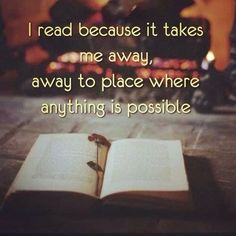
i read because meme

True dat!

And my personal favorite:

BQ5

Ooohh!  Here’s a good one for all you devoted Percy Jackson fans!!

rick riordan tumblr_mczecjFqas1r2ycgu

But life isn’t complete without a Harry Potter meme!

piseed-off-harry-meme-generator-harry-potter-grammar-wizard-gets-really-ticked-off-when-people-don-t-use-commas-correctly-2cdeb5

Comments Off on The wisdom of the ages

Filed under Books, Fantasy, Humor, Literature, Publishing, Self Publishing, Uncategorized, writer, writing

Cover Reveal Darkness Rising 5–Broken, by Ross M. Kitson

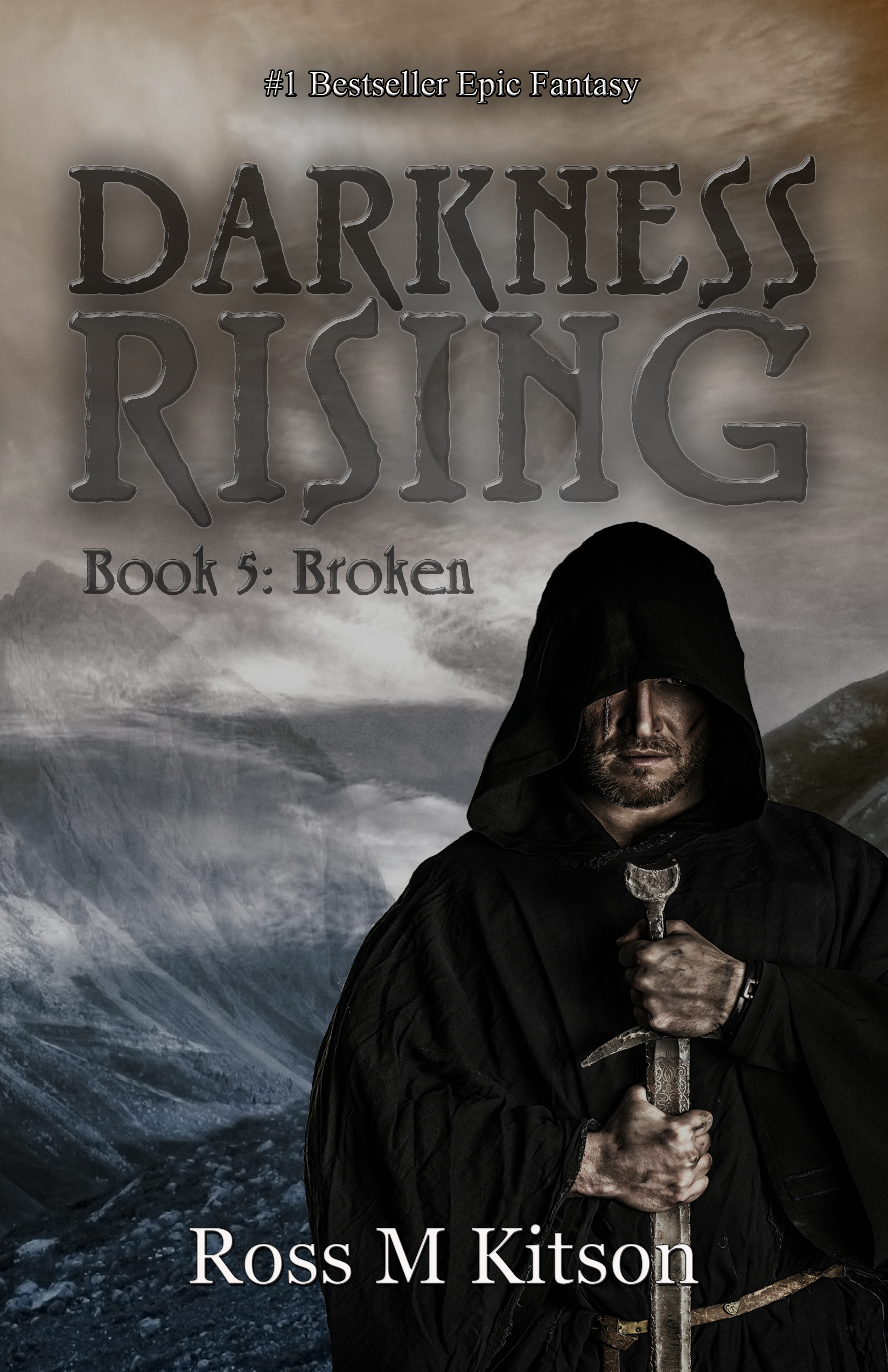
Darkness Rising 5 - BrokenOne the best aspects of my life is to be involved in the process as some of the finest fantasy authors out there make their work ready for publication. A longtime friend of mine is Ross M. Kitson, author of the Prism Series. Several years ago I had the privilege of working with him on Darkness Rising 3–Secrets, and I recently had the absolute joy of working with him on the soon-to-be-released Darkness Rising 5–Broken, the new cover of which has just been unveiled.

This new cover completely speaks to what is inside this book. And let me just say I LOVE that series of books–Kitson’s world is dark and dirty, and yet it teems with vibrant, colorful life. His characters leap off the page, and for those like me who love a really deep fantasy read, he creates an epic-fantasy that is truly original.

The Blurb:

‘Beneath the veneer, beneath the beauty, there is always the coldness of stone.’

Tragedy has torn apart Emelia and her companions, a terrible betrayal instigated by the Darkmaster, Vildor. A devastated Jem struggles to control the fearful power of the crystals, becoming distant from his closest friends. Hunor and Orla are tested by a secret from the past, a revelation that will change everything between them. In the Dead City, Emelia begins a search for her past, a journey that will plunge her deeper into the darkness of Vildor and his twisted schemes.

Desperate to seek aid in their battle against Vildor, the companions travel north to Belgo, capital of North Artoria. But everything is not what it seems in the palace, and danger lurks in every shadow, whether cast by friend or foe.
Separated and alone, can Emelia, Jem and Hunor hope to prevail? Or will the evils of the present and the past overcome them at last?

Darkness Rising 5 – Broken is the fifth in the epic fantasy series that reviewers are calling  ‘epic and spellbinding.’ It is a must read for fantasy fans the world over.

That’s pretty intriguing. But let me just say that Ross Kitson doesn’t rely on the great bastions of fantasy, Tolkien’s Lord of the Rings or Tad William’s Memory, Sorrow and Thorn for his inspiration, although he is a great fan of theirs. Kitson’s world is nothing like anything I’ve ever read, yet it is familiar enough that the reader becomes immersed. His characters are  uniquely individual, with great strengths and each with weaknesses that can and do create tension within the group.

If you are looking for a new, truly epic fantasy series, book one of the Prism Series is currently on sale for .99 for the ebook

Darkness Rising (Book One: Chained)


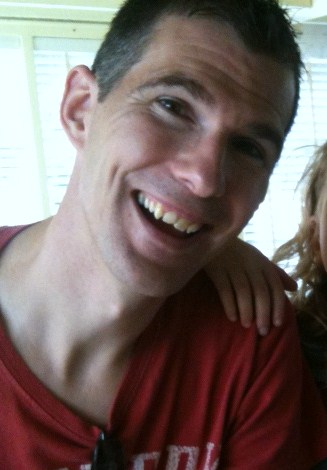
Ross M. KitsonAuthor Bio

Ross M Kitson is a published author in the fantasy genre, with an ongoing series (The Prism Series), a number of short stories on Quantum Muse web-zine and several stories in Steampunk and fantasy anthologies.

His debut series for Myrddin is due for release in October 2012, and is a sci-fi series set in modern-day York. It is written for ages 12+, although its combination of killer androids, steam-powered airships, kick-ass heroines and action packed chases will appeal to all ages.

Ross works as a doctor in the UK specializing in critical care and anaesthesia. He is happily married with three awesome children, who nagged him incessantly to write something that they could read. His love of speculative fiction and comics began at a young age and shows no signs of fading.

Follow Ross on Twitter:          @rossmkitson

Find Ross on Facebook:

http://www.facebook.com/TheNuKnights

http://www.facebook.com/ross.kitson.9

Websites:

For the infinity Bridge:         http://thenuknights.weebly.com/

Blogs:

http://mouseroar.blogspot.co.uk

http://rossmkitson.blogspot.co.uk

http://skulldustcircle.blogspot.co.uk

Comments Off on Cover Reveal Darkness Rising 5–Broken, by Ross M. Kitson

Filed under Adventure, Battles, Books, Fantasy, Humor, Literature, Publishing, Self Publishing, Uncategorized, writer, writing

To blurb or not to blurb

Blurb definitionOne of the things that sucks about being an indie is that you have to sell your books. I know that seems pretty obvious, but but it’s harder than it looks! In the old days, every book had a blurb on the back of it, or inside the flap on the dust jacket, and that blurb gave us just enough intriguing insight into the book that we bought it.

Here in the US, the word blurb originated in 1907. American humorist Gelett Burgess’s short 1906 book Are You a Bromide? was presented in a limited edition to an annual publishers’ trade association dinner. The custom at such events was to have a dust jacket promoting the work–they did things right in those days! His definition of “blurb” was “a flamboyant advertisement; an inspired testimonial.”

Blurbs can and do sell books.

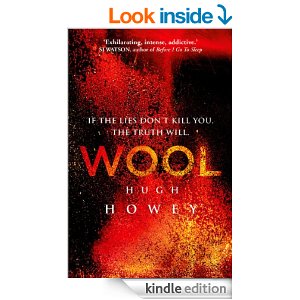
wool by hugh howeyBut what will sell books? Let’s take a look at Wool, by Hugh Howey:

This is the story of mankind clawing for survival, of mankind on the edge. The world outside has grown unkind, the view of it limited, talk of it forbidden. But there are always those who hope, who dream. These are the dangerous people, the residents who infect others with their optimism. Their punishment is simple. They are given the very thing they profess to want: They are allowed outside.

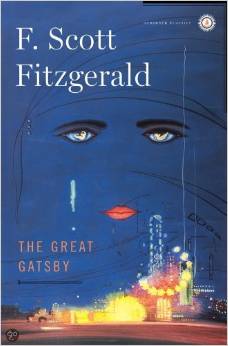
f scott fitzgerald The Great GatsbyOr F. Scott Fitzgerald‘s classic novel, The Great Gatsby:

“Whenever you feel like criticizing any one,” he told me, “just remember that all the people in this world haven’t had the advantages that you’ve had.”

He didn’t say any more, but we’ve always been unusually communicative in a reserved way, and I understood that he meant a great deal more than that. In consequence, I’m inclined to reserve all judgments, a habit that has opened up many curious natures to me and also made me the victim of not a few veteran bores. The abnormal mind is quick to detect and attach itself to this quality when it appears in a normal person, and so it came about that in college I was unjustly accused of being a politician, because I was privy to the secret griefs of wild, unknown men. Most of the confidences were unsought — frequently I have feigned sleep, preoccupation, or a hostile levity when I realized by some unmistakable sign that an intimate revelation was quivering on the horizon; for the intimate revelations of young men, or at least the terms in which they express them, are usually plagiaristic and marred by obvious suppressions. Reserving judgments is a matter of infinite hope. I am still a little afraid of missing something if I forget that, as my father snobbishly suggested, and I snobbishly repeat, a sense of the fundamental decencies is parcelled out unequally at birth.

There are huge differences in these blurbs:

Hugh Howey (an indie) tells us about the plot of his book-and it is intriguing. I bought it based on that blurb.

(Charles Scribner’s Sons) (Fitzgerald’s original publisher) used the opening lines of the book–and that was intriguing as well.

Choosing to use the opening lines for marketing is dangerous–it could be an epic failure, for those who want to know what the book is about.

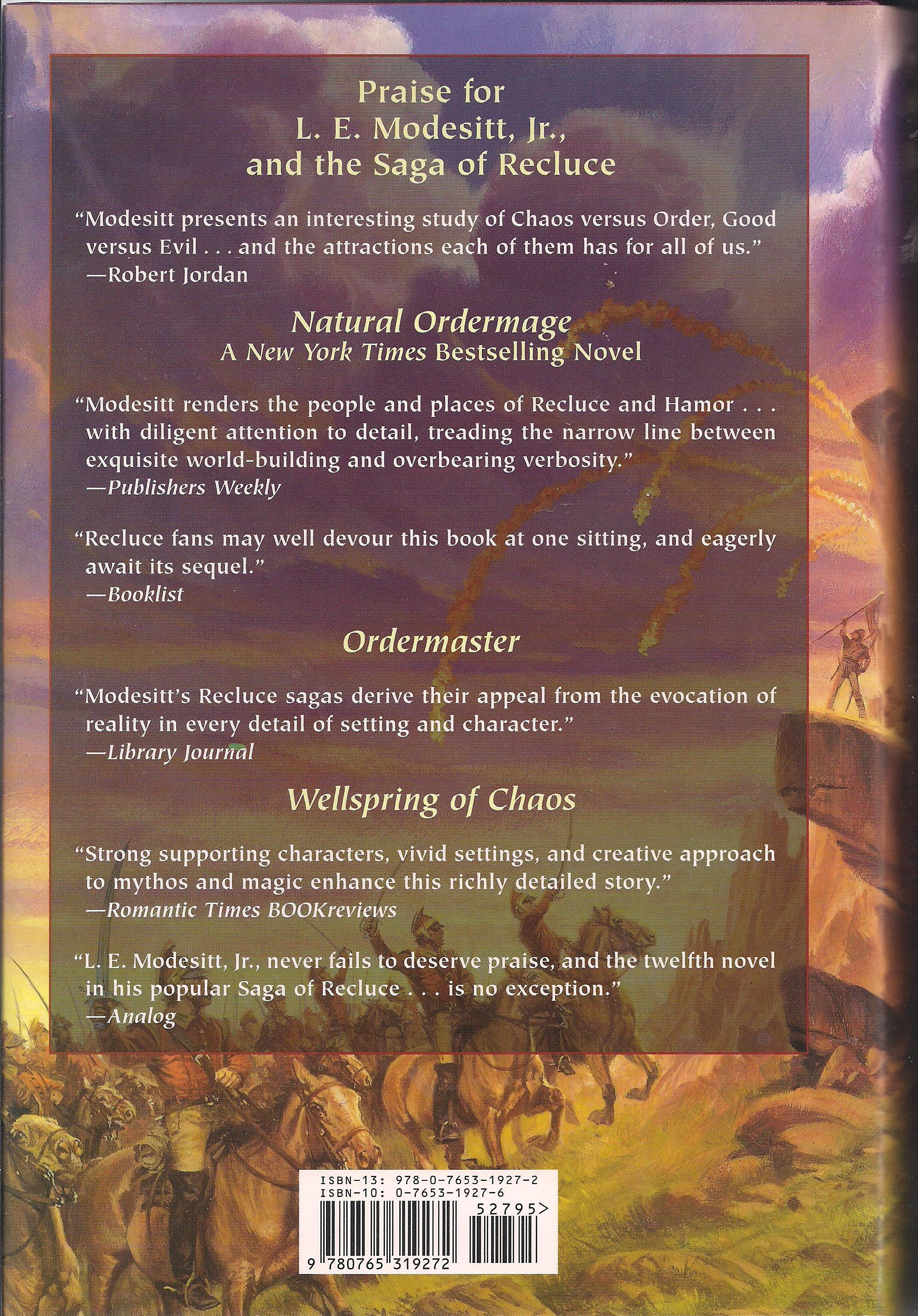
Back Cover of Mage-Guard of Hamor by L. E. Modesitt Jr.

Back Cover of Mage-Guard of Hamor by L. E. Modesitt Jr.

Even more dangerous than that is the increasing trend toward eliminating the blurb and going with nothing but recommendations mentioning other works by that author.  Let me just say now, I HATE THAT! For the love of Tolstoy–talk about the book I am going to buy, please! Any blurb, even a bad one, is better than glowing reviews by paid reviewers. 

But this trend just proves to me that the BIG PUBLISHERS are just as much as sea in the this regard as we poor indies are, small comfort though it is.

I will be writing blurbs for my own work again soon, and so I am looking at blurbs on the covers in my library, and trying to see what it was that attracted me to that particular book. I admit that many times it was the cover art, and not the blurb, but when I picked up a book by an author that was unknown to me, I read the blurb, and considered carefully whether or not to spend my dearly earned wages on that book. I was taking a risk–because what if I hated it?

It’s a conundrum.  Perhaps I can go with “One ring to rule them all…”

No… I suppose that’s been done…but it’s an awesome blurb, short and to the point….

4 Comments

Filed under Adventure, Battles, Blogger, blogging, Books, Fantasy, Humor, Literature, Publishing, Self Publishing, Uncategorized, writer, writing