Tag Archives: humor

What I #amwriting

Alarm clock quote ray bradburyI normally begin my day at about 5:30 a.m. with editing for my clients–I like to do that when I am at my sharpest which is always in the morning.  I spend the afternoons writing, and right now I have two manuscripts that I am working on, and several short-stories. My evenings I either write blog posts or work on designing book covers.

Other than writing, most of my work these days centers around finishing up publishing the second editions of the Tower of Bones Series. The book itself, Tower of Bones, has been republished, and book II in the series, Forbidden Road, is in the process of being proofed and should be available soon–hopefully within two weeks.

In addition to revamping the TOB series, I hope to have the prequel to the series, a stand-alone novel, Mountains of the Moon, published by July 15, 2015, with a few copies to take to the PNWA conference. That means it has to be finished and ready to proof by June 25–which may be pushing it. However, things are moving so perhaps I will be able to meet this new deadline.

As I said, I have two novels in the works: concurrently with The Wayward Son, I am fleshing out the final book of the Tower of Bones series, Valley of Sorrows. This book deals with the aftermath of the events in Forbidden Road and winds up that story.
The road to hell Phillip Roth QuoteIn the aftermath of an incident that occurred in the last days of the war in Mal Evol, John lost the use of most of his magic. He has managed to keep that disability a secret for thirty years. The Wayward Son is the story of John’s redemption, and explains the events that happened in Aeoven while Edwin and the others were gone. These incidents culminated in John and Garran being sent to meet Edwin in Braden at the end of Forbidden Road. 

John Farmer’s story is intriguing to me, because he is a man concealing many secrets. A lot is going on under the surface–he suffers from survivor’s guilt and PTSD, which often develops after a person is exposed to one or more traumatic events. In The Wayward Son, John’s rocky relationship with Garran is explored, and also his love affair with the Abbess of Aeoven, Halee.

While I was re-editing the series to date, I took the liberty of changing several once-minor characters’ names, as they had suddenly become important in the two later books, and their names were too close to other, already prominent, characters’ names. Since I was changing them anyway, I made them widely different. Thus Marta Randsdottir is now Halee Randsdottir. Her original name was nearly identical to Edwin’s wife, Marya, a problem since the two women figure prominently in The Wayward Son.

The problem was inadvertently begun in 2009 when I was writing Tower of Bones as the story-line and walk-through for an RPG, and was scrounging around for good character names. I didn’t know at that time it would become a book, and it didn’t occur to me that NEVER naming any character with a similar sounding, looking, or rhyming name is something every author should take note of. This is important, no matter how minor the characters seem to be, because, just like Halee, they may have a larger part to play later and the confusion will ruin the story.

The magnitude of the problem first became evident when I was writing Forbidden Road, but I thought I was stuck with it. Referencing the two women in the same paragraph was dreadfully confusing, since their names were only one letter off from each other.

ok to write garbage quote c j cherryhFor a long time, I didn’t know what to do about the name problem. I thought I was stuck with it, but one of the beauties of being an indie is the freedom I have to make adjustments when a gross error is discovered. Since I was completely revamping the series anyway, it was the perfect time to take the plunge and rectify that mistake. The series now has new maps, new interiors, and new covers.

It was just another lesson I’ve learned since leaping into this mad circus of indie publishing, but now I know to never name two characters in the same book with names that begin and end with the same letters. Don’t do it!
 

Comments Off on What I #amwriting

Filed under Adventure, Battles, Books, Fantasy, Humor, Literature, Publishing, Self Publishing, Uncategorized, writer, writing

When this job becomes work: the book signing event

SUPPORT YOUR LOCAL AUTHORSI must admit, I am not really a people person. I’m a bit awkward, and not really sure of myself, and I have a sense of humor that is too off-the-wall for most people. That is one reason why being an author is such a good fit for me–I can work from home and most of my interactions are imaginary.

Nevertheless, there are times when I must put on the public persona of the Successful Author. I’m not really that good at this one-on-one public thing…yet. I’ve had the good fortune to be involved in multi-author events with other indie authors, with more experience at it, and I’ve been able to see how they approach the gig.

It’s tricky–you can’t just assault people, shouting “Buy my book!”

Walking the line between being obnoxious, and telling people what they want to know about the book is tricky. The minute someone asks me what Huw the Bard is all about, my mind grinds to a halt. It’s almost like I never even read it, although I do remember writing it.

My first public event was last month at NorWesCon, and that was interesting because I was a vendor, so I was there all four days, but in the vendors’ room. For me, that was a tee-shirt-and-jeans event, because I don’t own any costumes, or ren-fair clothes (yet).

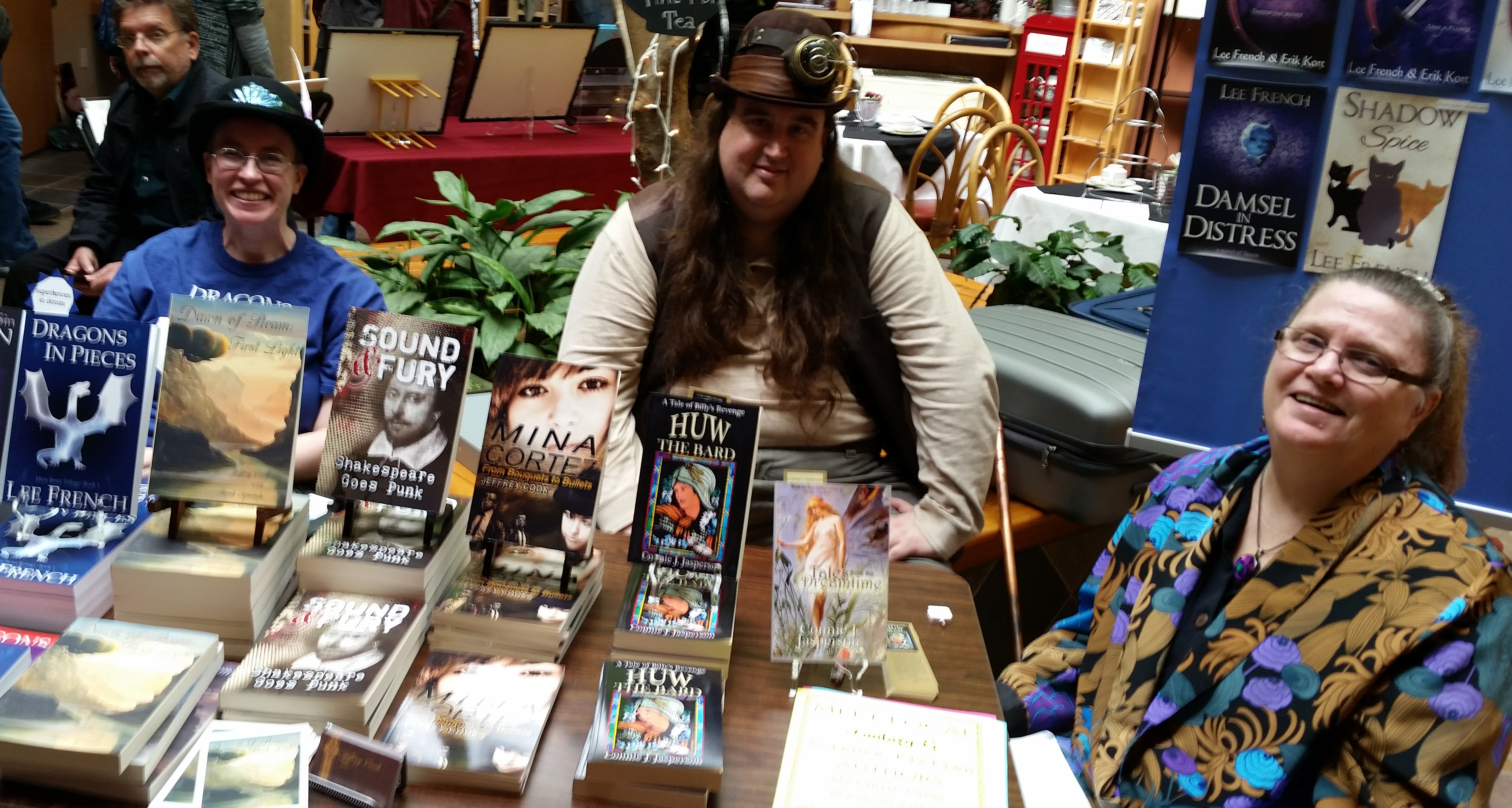
My second public event was this last Saturday. Two other local indies, fantasy author Lee French, and steampunk author Jeffrey Cook joined me at the Two Sister’s Tea Room in downtown Olympia for a book signing. This was a very different situation, and was much more pleasant. This signing was timed for the middle of one of the largest festivals in the the city, the annual Procession of the Species, so we had many people stopping and conversing with us.

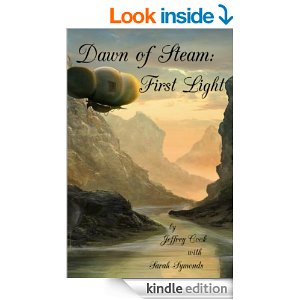
Dawn of Steam First LightSeveral people really stand out in my mind–I was moved to tears by one lady from Hawaii who bought Dawn of Steam, First Light, from Jeffrey.  She said she was a new reader, that she had come from a place where reading was not encouraged. She also said she was currently enjoying Charles Dickens’ classic novel,  The Pickwick Papers. I was awed by the absolute joy she took in the written word as she looked through Jeffrey’s book, and by how happy it made her that he signed it for her.

It was really brought home to me then that reading is still a privilege denied to many people of the world, often not by their wish, but by circumstances beyond their control.

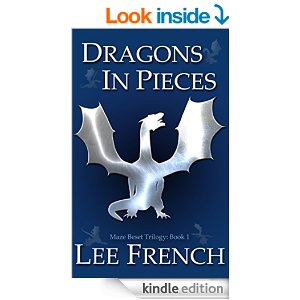
dragons in pieces lee frenchThen there was the wonderful character who was absolutely crazy for dragons. He not only bought Lee’s book, Dragons in Pieces, but insisted on buying one of the little plastic Dragon heads she had created with her 3-d printer as decorations.

Lee was selling books like she owned the only snocone stand in the desert.

I wasn’t, but I had a great time anyway, and handed out a lot of book marks.

From left: Lee French, Jeffrey Cook, Connie Jasperson

From left: Lee French, Jeffrey Cook, Connie Jasperson

For that event, I went all out clothing-wise. I went to the Goodwill and shopped the fat-lady rack on senior citizens’ half-price day, and found what seemed like the perfect, brilliantly-garish, machine-washable, fancy-label jacket to wear with my rather boring black blouse and black trousers. It was only about twenty years out of style, and was the perfect price for my tapped out pocket-book: $3.99, with my old-peoples’ discount.

I am still looking for the right event-outfits. I want something a little wonderful, but with not quite as much purple as the flashy jacket. I love purple, but as an accent color.

Our next event is in three weeks, so that gives me a lot of time to find something suitable for the comfy grandma who writes RPG game-based hack-and-slash epic adventures, and also sometimes writes literary fantasy.

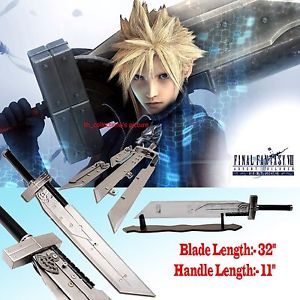
Maybe what I need is a green velvet renaissance faire dress, with Cloud’s buster-sword from Final Fantasy VII in a shoulder scabbard. That  should get my style of writing across well enough.

cloud strife and buster blade


2 Comments

Filed under Adventure, Battles, Books, Fantasy, Humor, Literature, Publishing, Uncategorized, writer, writing

Structuring the Novel: the third plot-point, crisis of conscience

I don’t feel well. I have a mountain of work, and a spring virus has destroyed my very tight schedule.  I would bang my head if I didn’t already feel so crappy.

Today I have a client’s MS to begin editing.

Today I have revisions of my own to make on a ms I am getting ready to publish.

Today I was supposed to have a blog post ready to post on structuring the epic fantasy novel.

The Arc of the StoryWe were going to talk about the story arc, and how the third quarter of the book always begins with another life-changing plot-point. I was going to talk about how the the plot drives personal growth for the protagonist and his/her friends at this point.

And then I was going to discuss how this is the place where the protagonists often lose their faith or have a crisis of conscience. What personal revelations come out about the protagonist, or conversely what does he discover about himself?

I had intended to discuss how difficult this part of the novel often is to write, due to the fact that the protagonist has been put through a personal death of sorts–his world has been destroyed or shaken to the foundations and he no longer has faith in himself or the people he once looked up to.

  • How is he/she emotionally destroyed by the events?
  • How was her/his own personal weakness responsible for this turn of events?
  • How does this cause the protagonist to question everything she ever believed in?
  • What makes him pull himself together and just keep on going?
  • How is she different after this personal death and rebirth event?

quarrantine symbolI had intended to talk about that, but I don’t want to expose you to this crummy virus.  It always puts me through the emotional wringer to write this particular section of a tale, and I don’t feel well, so I can’t deal with talking about it. This low point is such a crucial part of the hero’s journey, the place during which he is taken down to his component parts emotionally, and rebuilds himself to be more than he ever believed he could be.

This is where she makes the hard decisions and learns that she truly does have the balls to do the job–

But I am too sick to talk about it.

I blame The Boy.  He was sniffling during his visit last week, and you know what a germ factory the average eight-year-old is.

4 Comments

Filed under Adventure, Books, Fantasy, Humor, Literature, Publishing, Self Publishing, Uncategorized, writer, writing

More Wisdom of the Ages: Write the Damned Book

tumblr_mxurcgAUxq1rbp59ao1_500

Yes. Even Loki loves my work and want’s me to just get on with it. But here I am, stalled and unable to concentrate. because of things…strange, annoying things…. And what about this word? Is it even real?

tumblr_mainykvINL1r0wqrdo1_500


Never mind. I’ll just sit here and. sulk for a while. What is my purpose? Why do I do this?

tumblr_ndi15fZRpu1syd000o1_500

But I have a gift–a gift, I tell you!  Someday people will say “I knew that loser back when she had a job!”

tumblr_ng6dg8wwg51u02tlio1_1280


But no…I must hold fast to my dreams of someday selling vast quantities of kindle downloads! Someday I will sell more books than Hugh Howey. And he sold a bunch…so many that he scared the big publishers into acting like dumbasses…they showed up  at his house with pitchforks and Hachettes….

tumblr_ng6esx01YT1syd000o1_1280


Someday I will be more than just the crazy old lady locked in the office for everyone’s safety. Someday I will be famous for having written a fantasy series that rivals Tolkien…someday.

batman-game-of-thrones-meme-quotes-Favim.com-896707

Special thanks to Tumblr for providing me with all the diversions!

4 Comments

Filed under Adventure, Books, Humor, Publishing, Uncategorized, writing

Marketing tips from the eight-year-old

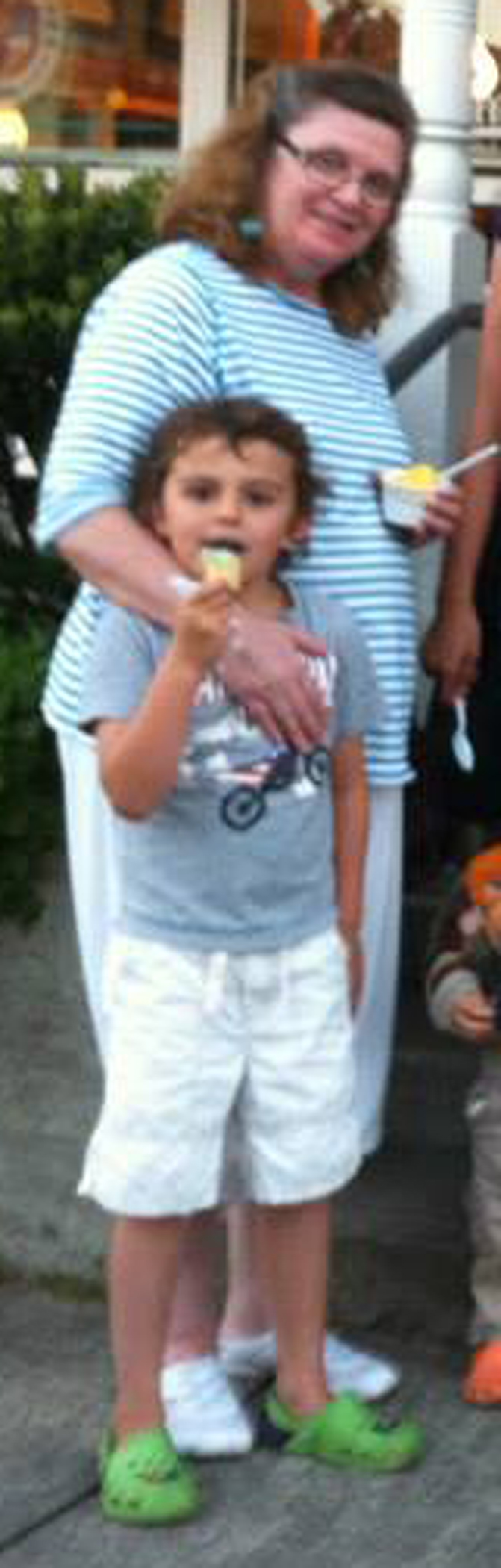
Me & Logan, Cannon Beach Oregon August 2014

Me & The Boy

My oldest daughter and her son came to stay for a long weekend. It was fun, and wonderful, having The Boy around, especially now that he is eight. He is becoming a well-behaved person, and developing a few manners, although he is still only eight, and rather a barbarian in many ways

Of course, it poured down rain while he was here. but we had fun anyway.

He discovered that grandma is a writer, and writes “real books.” He was quite proud. “I’m gonna read these when I’m a grown up.”

I confess, I did bask in the glory, until he explained that I had made a huge marketing error.

My biography is in the back of my books, but not my picture. The Boy said, “I want the kids at school to know that my grandma writes real books, but they won’t believe it if there’s no picture.”

I didn’t want to tell him that the camera steals my soul, and I hate every picture I’ve ever seen of me. But, after thinking about it, I agreed that he might have a point.

I also didn’t tell him that people who write books are a dime a dozen. Everyone you meet either is an author, or has a couple of the ne’er-do-wells in the family. Apparently people who are otherwise unemployable write books, in order to appear useful.

I didn’t tell him that, because for a shining moment, I was special. He was proud of me, his grandma, because I can write real books. I have to admit, that felt pretty good.

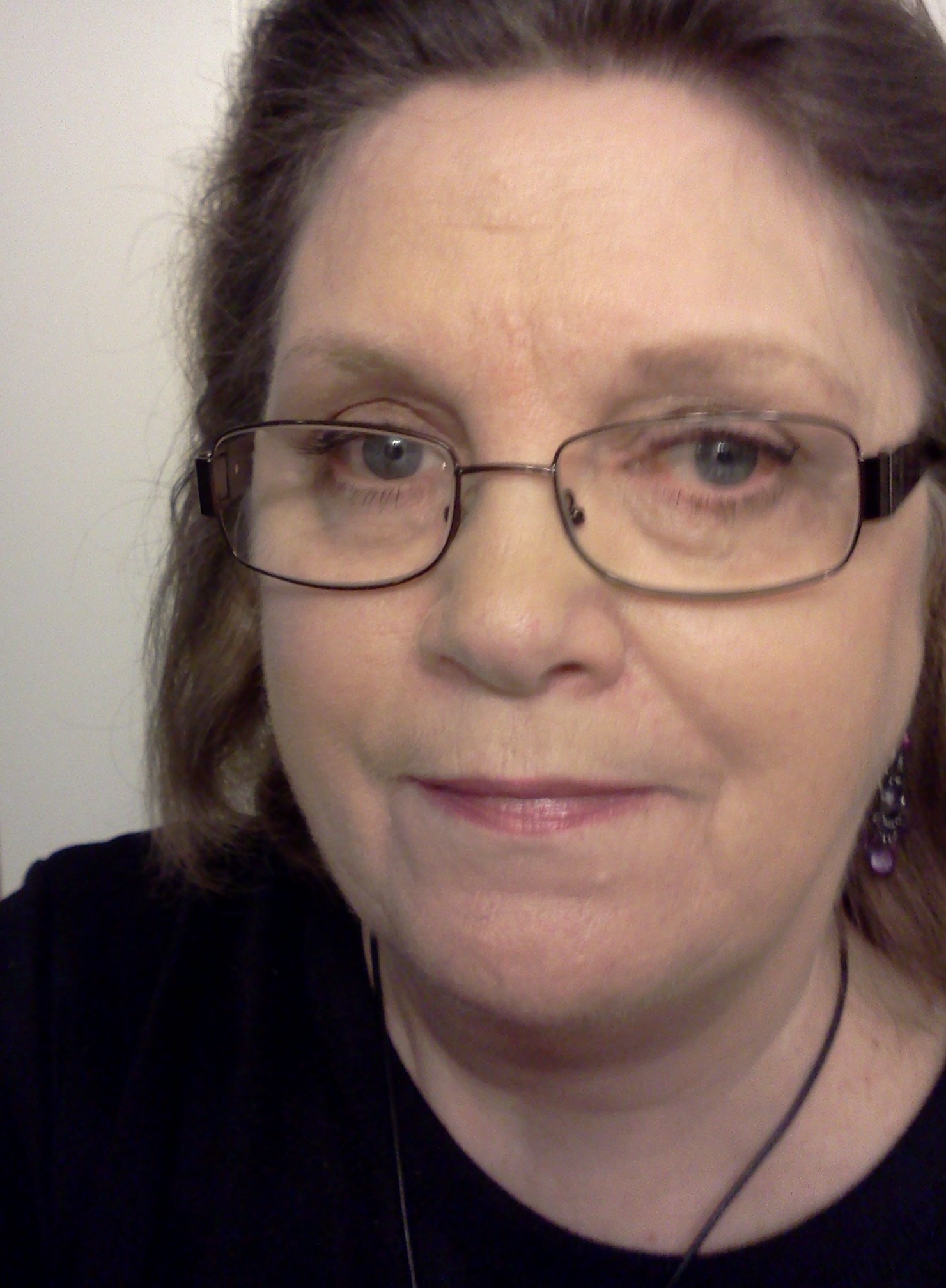
So we looked through the pictures of me. I thought this one would work, as it’s the most recent and hides my ample, middle-aged waistline.

Connie J. Jasperson profile pic 3

He said, “No–it doesn’t really look like you. You’re hair is a lot fuzzier than that.”

I said, “But I combed it just for that photo. I even put on lipstick.”

He wasn’t swayed.

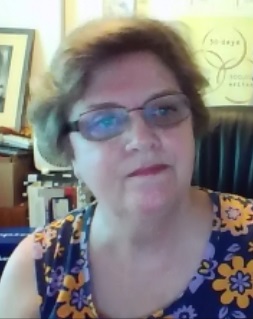
So I tried a different one. “This one is only two years old.”

Connie J. Jasperson Profile Pic

I thought it was perfect, as it also hides the ample, middle-aged, waistline.

He was not impressed.  “Are you kidding? Your hair’s too short in that one.”

Heavy sigh. “This one?”

Connie J. Jasperson


“Get real, Grandma–people want to see the real you. The one who cooks and stuff.”

“No, they don’t,” I said. “People don’t care about that. I don’t think I need a picture in the back of my books.”

“Trust me, Grandma. I’ve read a lot of books, and they all have the writer’s picture in the back. I want my friends to know it’s you.”

After much discussion he picked a picture.  I doubt it will go in the back of a book, but this is what he picked.

Fall 2014 profile foto for avatars

“Why did you pick that one? I use that one as my Facebook icon. ”

“Because that’s how you look. Comfy, and like a grandma. With fluffy hair.”

It’s hard to argue with that sort of logic. But I’ll probably have to have a professional picture made at some point.

One that doesn’t show my middle-aged waistline or the comfy fluffiness of my hair.

extra small caricature of connie  by street artist Stacey Denton


10 Comments

Filed under Books, Fantasy, Humor, Literature, Publishing, Uncategorized, writer, writing

Elements of the story: Circumstances and Objectives

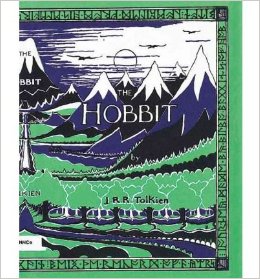
the hobbitAt the outset of any good story, we find our protagonist, and see him/her in their normal surroundings. An event occurs, and Hero is thrown out of his comfort zone and into the Situation, which is the core idea of your plot. This is the circumstance in which your protagonist finds himself in the beginning of the story. 

In the opening pages of The Hobbit, by J.R.R. Tolkien, a respectable hobbit, Bilbo Baggins, is living a comfortable life in a prosperous, sheltered village, and has no desire to change that in any way. However, a casual, polite greeting made to a passing wizard sets a string of events into motion that will eventually change the course of history of Middle Earth.

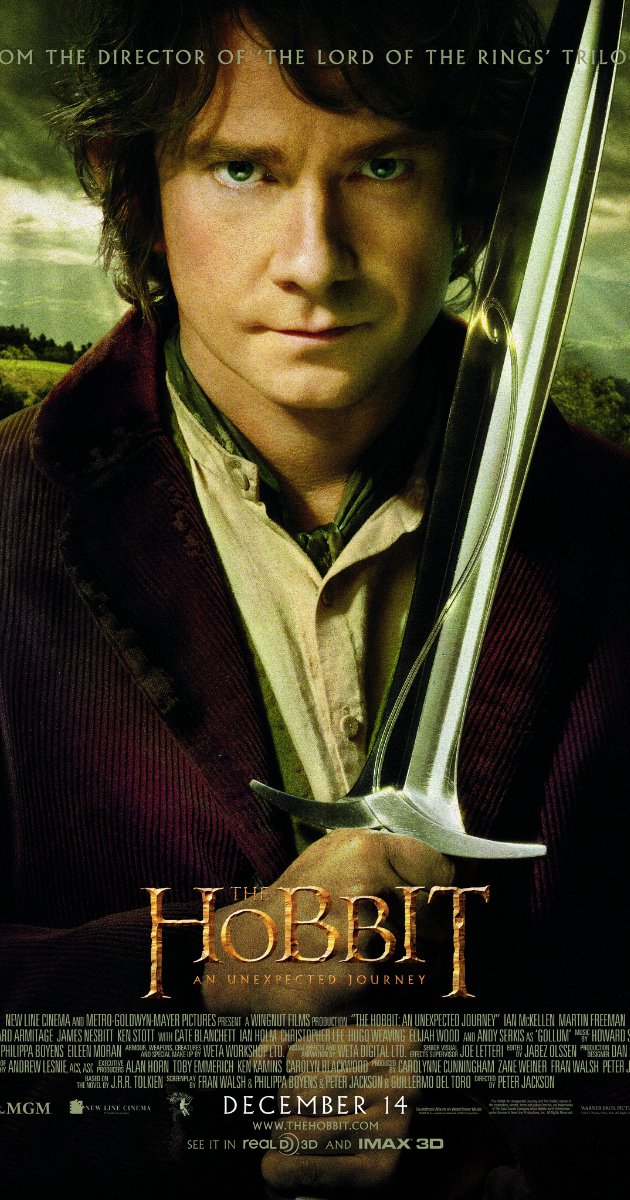
the hobbit movie poster 3The wizard, Gandalf, tricks Bilbo into hosting a party for Thorin Oakenshield and his band of dwarves, who sing of reclaiming the Lonely Mountain and its vast treasure from the dragon Smaug. When the music ends, Gandalf unveils a map showing a secret door into the Mountain and proposes that the dumbfounded Bilbo serve as the expedition’s “burglar”. The dwarves ridicule the idea, but Bilbo becomes a little indignant, and joins despite himself. The next morning he has second thoughts, but the last minute Bilbo literally runs out the door, with nothing but the clothes on his back.

  • How will the story start?
  • What is the hero’s personal condition (strength, health) at the beginning?
  • How will that condition be changed, for better or worse, by the hero himself or by the antagonistic force?
  • What could possibly entice him out of his comfort zone?

Now we come to the next part of the core of your plot: Objective

the hobbit movie posterA protagonist has no business showing up on the page unless he/she has a compelling objective. If he doesn’t want something badly enough to do just about anything to achieve it over the next couple hundred pages, then he doesn’t deserve to have a story told about him.

Bilbo does have an objective. Once he gets past his feeling of having made a terrible mistake, he desires nothing more than to help his friends achieve their goal: that of regaining their lost kingdom. Gandalf exerts a parental influence over Bilbo at the outset, guiding him and pushing him out of his comfortable existence.  But it is Bilbo who has common sense and compassion, who gradually takes over leadership of the party, guiding and rescuing them from their own greedy mistakes. This is a fact the dwarves can’t bear to acknowledge, and also a fact he doesn’t realize himself.

Those turning points where with each adventure Bilbo gains confidence and a tool or weapon he will later need are what make up the best parts of the adventure. That is what you must inject into your adventure, be it urban fantasy or science fiction.

  • At the beginning of the story, what could the hero possibly want to cause him to risk everything to acquire it?
  • How badly does he want it and why?
  • What moral (or immoral) choice is he going to have to make in his attempt to gain that objective?

Perhaps your tale is set on a space station. What does your protagonist need that is in short supply? What does he have to do to get it?

Perhaps you are writing an urban fantasy. Perhaps your main character is a vampire. He/she requires sustenance–what will he/she do to get it? Or conversely, if a human, what will he/she do to avoid becoming vampire-food?

Protagonists begin their tale in their current surroundings. They are thrown out of their comfortable existence by circumstances, and forced to identify objectives they must achieve or acquire in order to resolve their situation.

hobbit-battle-five-armies-bilbo-posterCircumstances and Objectives combine to form the plot. Character A desires Objective B–and will do anything to acquire it.  Along the way, Character A has a series of adventures that force him to grow and change, but which in the end give him the strength, the moral courage to enable the final resolution.

Thus, whichever you conceive first, characters or objective, you need to know why your character is willing to leave his circumstances and embark on his adventure. That objective must be compelling enough for him to risk everything he values to achieve it.

But what if a side character has such a compelling story that the book becomes about him, and not our hobbit? If you notice that is the case, rewrite your book so that the character with the  most compelling story is the protagonist from page one.

Potential for gain must outweigh the potential for loss–so if he is risking his life, there had better be a damned big payoff at the end, whether monetary or in moral coin. Without that risk and potential for gain, there is no story.


2 Comments

Filed under Books, Fantasy, Humor, Literature, Publishing, Uncategorized, writer, writing

Conventions: Hawking your books vs attending the convention

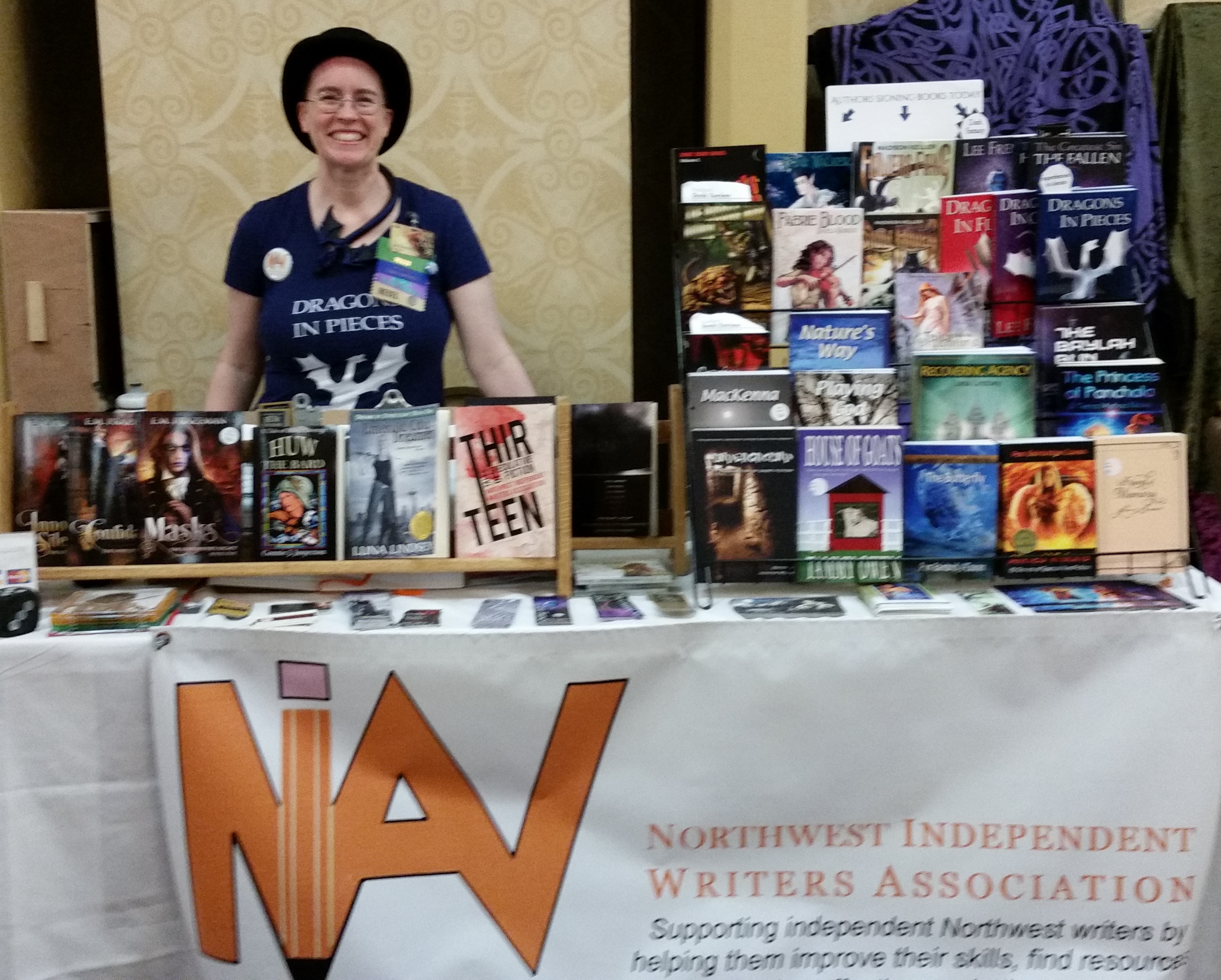
Lee French at Norwescon 2015 in NIWA Booth

Lee French at Norwescon 2015 in NIWA Booth

Going Indie means going it alone, and doing it the hard way. However–there are now small bands of indies coming together to help each other, and in the process, help themselves.

One such organization is Northwest Independent Writers Association, an organization of indie and small-press authors based in Western Oregon and Western Washington. We seem to be situated along the I-5 corridor from south of the Portland area north through the Seattle area.

This last week I attended Norwescon, carpooling the first day with fellow Myrddin Publishing Group author, Lee French. She is an awesome person, as well as a wonderful, creative author.

My book, Huw the Bard, was in the rack at the NIWA table, and I met some of the most wonderful people: Angela Korra’ti, Madison Keller, Jake Elliot, and Luna Lindsey were all there, manning the table and helping each person who stopped to find a book that fit them, regardless of if it was their own book or not–we were selling each others’ books as well as our own.

I ran into my good friend, fellow NIWA  member, Thomas Gondolfi , who was working his own booth.

Saturday night, Lee, Jake, Angela and I had dinner with fellow NIWA member, steampunk author, Jeffrey Cook.

Huw the Bard at NorwesconMy feet are killing me–today, I am not sure I will do it again, but I am glad I did this time.  My view will likely change as I begin to feel rested again.

Huw the Bard was not a good fit for that venue–they were more into fairies and steampunk, which Huw is obviously not. However, I think he would do well at a ren-fair, as the people who were interested in him were all ren-fair people.  Most likely my best books for a gaming venue will be my World of Neveyah series, as it is RPG game-based, and gaming of all varieties is what Norwescon is all about.

Standing in the booth for most of 4 days did me in, I do confess.  I also was somewhat of a 5th wheel, in that the booth was too small for the number of authors who were there and willing to contribute their time and energy to the project. There was only room for 1 chair, and so we stood. I felt a bit unnecessary, at times, which is not a good way to feel, but they very kindly tolerated me.

Angela Korra’ti has a knack for selling her books, and I tried to learn as much as I could from her. Jake Elliot and Lee French seemed to know what they were doing too–there is definitely a learning curve to pitching your book live and in person.

norwesconBeing an indie author, or being published by a small press means you are on your own as far as getting the word out about your books.  This means if you want your books seen at a convention, you have to pay for the table, buy your stock, and get the word out, because no one else will.

It also means you must spend the convention in the dealers’ room at your booth, pitching your product to strangers, rather than taking in the panels and hearing speakers like George R. R.  Martin. But I did see him in the lobby while I was getting coffee, and I saw many, many people who really love his work, far more than I do–and they stood for hours to get to see him.

I would have loved to hear George speak, but I had books of my own to hawk. I never thought I would live long enough to be able to say that.

This is where you discover that going indie means honing an elevator pitch that will sell your book in thirty seconds. That will be my next trick.

cashbox 3This is also where you discover that the Sparco cash-box you bought, and  that was not cheap, is nearly impossible to unlock, but it makes an awesome weapon if you are ever mugged on the way back to your hotel. Which I wasn’t, but I’m an author, and that’s how I think.

It’s also where you discover that your target audience was not at that convention.

Most importantly, this is where you realize that your poor old feet are  just not up to you spending 10 hours a day standing on them.

I understand there is some controversy regarding the Hugo award nominations–but I didn’t hear them announced, as I was trying to sell books. I suppose a shakeup is inevitable, and I will have to do some reading to find out for myself what the problem is, in the eyes of the reading world.  That will be interesting–accusations of blocks of special interest groups gaming the outcome and such intrigue me, and I will definitely want to get to the bottom of that!

14 Comments

Filed under Adventure, Books, Fantasy, Humor, Publishing, Uncategorized, writer, writing

Creating Conversations

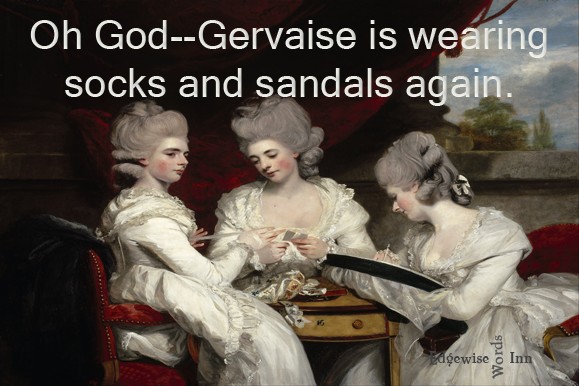
Socks and Sandals MemeConversations are easy to write…badly.

Unless the author thinks about it carefully, they can be stilted, stiff, and an unnatural wall of blah-blah-blah. Good writing involves learning the craft, and nowhere is that more apparent than in a conversation.

So how does the intrepid author write this phenomenon in such a way that it sounds natural? I always think of a conversation as having an arc: It begins, rises to a peak, and ebbs, an integral part of the scene, propelling the story forward to the next scene.

We might jabber about nothing, but in writing,  a good conversation is about something and builds toward something. J.R.R. Tolkien said that good dialogue must have a premise and moves toward a conclusion of some sort. If nothing comes of it, the dialogue is a waste of the reader’s time.

First, when we write about conversations between our characters, we want to ensure they don’t all sound like the same person. Imagine you are at a party. If you look around you, observing the conversations going on in small clusters, you will notice that every person has different mannerisms. The same is true of your characters when you see them in your head. With that image in mind,  you want to include those differences in their gestures, and their manner of speech.

When people talk, they rarely follow grammatical rules. Any English class you’ve taken will have stressed the importance of using proper grammar and punctuation in your writing, and believe me, those rules are important. However, when we attempt to write dialogue, those same rules should be thrown out of the window. People speak in broken sentences, with pauses, and even use incorrect words.

Now we get to the part where my editor and I have our own little conversation—the one where I stick random bits of punctuation in at odd places and she puts them where they belong or removes them entirely:

She: “I agree with the grammar part. I take exception to the punctuation. Punctuation rules MUST be followed especially in dialogue so that the reader reads the dialogue in the same manner the writer intended it to be read.”

Me: “Yes, ma’am.” (Muttering as I find ways to insert action where I want the pauses to go.)

Leonard_Nimoy_William_Shatner_Spock's_Brain_Star_Trek_1968We all take breaths at different places. Some people speak quickly and off the cuff, with short bursts. Others consider their words before they say them and speak more slowly. Every person in a given room speaks with their own unique style and pattern.

What are the roots of these patterns?  Speech habits are born in the environment the speaker grows up in, but they become identifiable mannerisms acquired throughout our lives.

Consider how the conversation fits into the arc of the scene.

We’ve talked about this before, but it bears repeating: first we must identify what must be conveyed in our conversation.

  1. Who needs to know what?
  2. Why must they know it?
  3. And how many paragraphs do you intend to devote to it?

My rule of thumb is, keep the conversations short and intersperse them with scenes of actions that advance the plot. Walls of meaningless conversation don’t keep the action moving and will lose readers, so  the conversations you include in your narrative must be important—and intriguing.

Author James Scott Bell says dialogue has five functions:

  1. To reveal story information
  2. To reveal character
  3. To set the tone
  4. To set the scene
  5. To reveal theme

SHotel California Memeome people will have the characters discuss the back-story, and this can be good if done the right way, in small snippets at critical points, and only when that information is needed. But this can be bad, especially when used as away to dump history in long, bloated paragraphs of dialogue.

Don’t give your characters long paragraphs with lines and lines and lines of uninterrupted dialogue. Those are sometimes seen as a wall of words by the reader. When asked how to write a good book, Elmore Leonard said, “Try to leave out the part that readers tend to skip.”

That goes double for dialogue. When I think of the novels I’ve enjoyed the most, the important information in their conversations is dealt with up front, and the minor details emerge later as they become important.

We don’t want our characters to be just a bunch of talking heads, sitting around, yammering on. It’s unnatural and doesn’t happen in real life except on the nightly news.

I’ve mentioned this before, but your characters should pause in their conversations, and sometimes miss a few beats. Beats are what screenwriters call the little bits of physical action that are inserted into dialogue and which in a novel can serve to indicate who said what without a dialogue tag interfering with it. Actions serve to punctuate the dialogue, to give the scene movement, and to maintain a strong mental picture, especially when an author is trying to balance the use of dialogue tags.

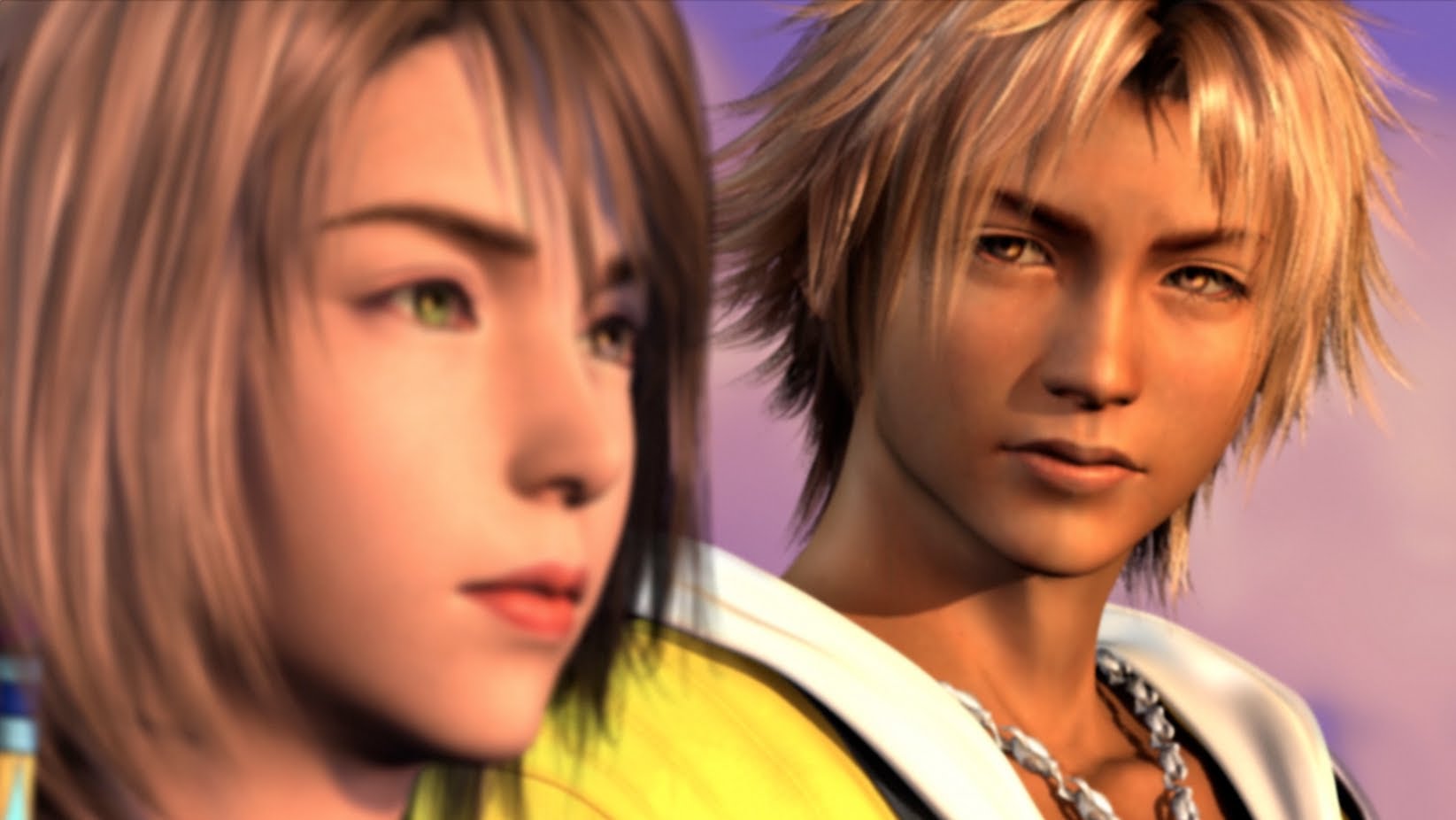
e3-2013-trailer-final-fantasy-x-x-2-hd-remasterRemember, actions are best placed where there’s a natural break in the dialogue. They show the mood and personality of your characters and allow the reader to experience the same pause in the dialogue as the characters do, and increase the sense of immediacy, making the scene real in the reader’s mind. It’s through the small habits we give our characters that we convey a little bit of their back-story, without having to resort to an info dump.


3 Comments

Filed under Books, Fantasy, Humor, Literature, Publishing, Self Publishing, Uncategorized, writer, writing

Serial commas

serial commas meme, martha stewartCommas: those little morsels of goodness that few authors understand. In general, serial commas are used to resolve ambiguity. When we have a list in a sentence, not using commas can create some interesting situations.

Comma use is part of what we call ‘style:’

  1. Google says: “Style is the way writing is dressed up (or down) to fit the specific context, purpose, or audience. Word choice, sentence fluency, and the writer’s voice — all contribute to the style of a piece of writing.” 
We use a style to ensure consistency in our phrasing and punctuation, and make it easier for the reader to enjoy the book. The books I use to help me with that are Elements of Style, the Chicago Manual of Style, and the Oxford A-Z of Grammar and Punctuation.   In my opinion, as an avid reader, the style that always uses the serial comma is less likely to result in ambiguity. Consider the legendary book dedication often attributed to Teresa Nielsen Hayden:

To my parents, Ayn Rand and God.

There is ambiguity about the writer’s parentage, because Ayn Rand and God can be read as meaning that the writer claims Ayn Rand and God are the parents. That is actually rather hilarious because Ayn Rand is famously atheist in her beliefs. (I’m not qualified to say whether or not God believes in Ayn Rand.)

Lets-eat-GrandmaHowever, a comma before and removes the ambiguity: To my parents, Ayn Rand, and God.

But lists can also be written in other ways that eliminate the ambiguity without introducing the serial comma, such as using other punctuation, or none, to introduce or delimit them. For example, in the following manner:

To God, Ayn Rand and my parents. Hemingway used and in place of commas in much of his work, and it was quite readable.

A famous example reportedly collected by Nielsen Hayden was found in a newspaper account of a documentary about Merle Haggard:

Among those interviewed were his two ex-wives, Kris Kristofferson and Robert Duvall.  This could be taken to mean that Kris Kristofferson and Robert Duvall were Merle Haggard’s ex-wives.

Although Merle Haggard has been married five time, he was never married to either Kris Kristofferson or Robert Duvall,  and a serial comma would resolve that inaccuracy:

Among those interviewed were his two ex-wives, Kris Kristofferson, and Robert Duvall.

chicago manual of styleI’ve seen people launch into rants  against serial commas, claiming that it’s too many and looks awful.

I’m just going to say that argument  is hogwash.

Who are your writing for, yourself or an unknown reader who may one day buy your book?

If you are writing for your own eyes only, do whatever you like.

But if you expect others to enjoy your work, you need to think about the reader: consider what is going to make your work easy for the reader to understand what you are saying.

Other aspects of commas may escape me at times, but the serial comma, also known as the Oxford comma, is one I adhere to in my own work, and heartily wish other authors would too.


4 Comments

Filed under Books, Fantasy, Humor, Literature, Publishing, Self Publishing, writer, writing

World building part 5: history

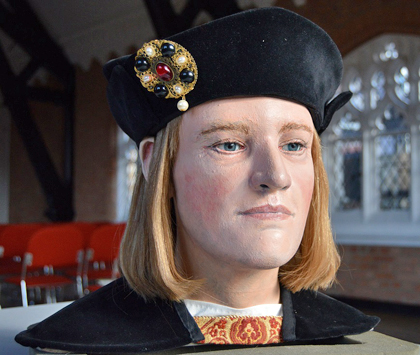
Richard IIISometimes we feel like our plot is in motion but the reasons driving the action feel purely random. It’s a worldbuilding failure, but an easy fix. In writing historical fiction, a sense of randomness can be a factor, despite having accounts of real events to go by. This is where research becomes critical, because those who win the wars write the history, and they write it to show themselves in the best light. Consider Richard III:

Richard’s history was written by the victors. He was the last Plantagenet King of England, and he was defeated at the Battle of Bosworth by the Henry Tudor. The Tudor dynasty lasted for a long time, including Henry VII, Henry VIII, (Bloody) Mary, and Elizabeth I. Consequently, he was mythologized as a tyrant, particularly by Shakespeare, writing during Elizabeth’s reign, two generations later.

Richard III new lookYet with uncovering of his bones in a parking lot, there is a growing evidence that the Richard III Society may not be entirely wrong: his story may have been a bit less damning, and certainly he was no worse than those who followed him. He was a man of his era, as much as Henry Tudor was.

That all-too-human tendency to cover up  our failures and atrocities in the light of our righteous victory over a declared evil introduces contradictions and ambiguities into official accounts of events. That makes the work of creating an accurate portrait of large-scale events difficult.

Looking backward from our viewpoint, and with our values, it’s hard to figure out how things really happened in a particular era, without going well beyond the general, official history offered up by the fount of all knowledge, Wikipedia, and doing sincere, dedicated research. It’s easy to say “this happened this way and that’s that.” (It’s repetitious, too.)

But there will be accounts somewhere, and if they exist you will find them on the internet. Wikipedia is the starting point. Search for accounts that disagree with accepted dogma, and keep rephrasing your questions until you hit on the right one. Bookmark or keep a list in a word document of links directing you to the sites you have found, even if they had little to offer–you might need them later.

Remember, if you’re drawing on real-life history you must dig deep–don’t just skim the surface, reading the official recounting of events as written by the victors.  The internet is amazing. Historians are continually building our database of information and new discoveries regarding how ordinary people and marginalized groups truly lived. Many resources exist that will give a rounded account of life in the Middle Ages both in Western Europe and in countries around the world.

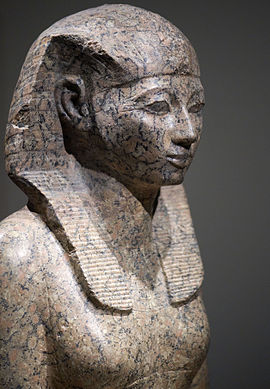
220px-HatshepsutIf you are relying on actual history to provide a framework for your world-building, you should reach beyond the official history of Europe. Asian history is rich and well documented, as is Egyptian. Of course the old adage that history is written by the victors holds true, as I said before, so let’s consider the story of Hatshepsut:

She was described by early Egyptologists as a minor player, only having served as a co-regent from approximately 1479 to 1458 BC, during years seven to twenty-one of the reign previously identified as that of Thutmose III. However, recent evidence shows that in reality, Hatshepsut reigned as pharaoh for more than twenty years.

Her successors, for whatever reason, attempted to rewrite history, erasing her name from monuments. Yet Hatshepsut was one of the most prolific builders in the ancient world, commissioning hundreds of construction projects throughout both Upper Egypt and Lower Egypt. Her buildings were considered far grander than those of any of her Middle Kingdom predecessors’ works, and were certainly more numerous.

Despite the long period of prosperity during her rule and the amazing constructs she built of stone, Hatshepsut’s influence and accomplishments were marginalized and credit for her work was given to others. Early Egyptologists superimposed their own ideas and values on their interpretations of history.

270px-WLANL_-_koopmanrob_-_Maat-ka-Re_Hatsjepsoet_(RMO_Leiden)They failed to understand the ritual religious symbolism of statues an art depicting her and didn’t take into account the fact that many women and goddesses portrayed in ancient Egyptian art often lack delineation of breasts, and that the physical aspect of the gender of pharaohs was never stressed in the art. This is in part due to the fact that in ancient Egyptian religious art, subjects were romanticized to fit the ideal of the time, and viewing it from an Edwardian mindset, early scholars believed her merely an overly ambitious “King’s Great Wife” or queen consort.  Recent discoveries, however, are righting that wrong, and she is now considered one of the greatest pharaohs of Egyptian history.

Nowadays, it may be easier to find good, unbiased information on ancient Egypt than it is to get an impartial history of post WWII America.

Reality aside, what if your story revolves around a conflict of some sort in your fictional world?

A major worldbuilding trap that is easy to fall into is not clarifying why an event of apocalyptic proportions is taking place at this moment in time, rather than, say thirty years ago.

So in our second draft, one thing we want to strengthen is our sense of history. WHY is Evil Badguy making his move now? What stopped him from putting his nefarious plan into motion two years ago, and conversely, why can’t he wait until next week? Some critical factor must have prevented him from making his move, some obstacle which no longer holds him in check.

What you have to do is identify what it was that  kept your villain in check, and make sure it is somehow introduced into the story. This can be done in the same unobtrusive way you slip in other background. In the process you will discover factors that kept other political actors in your society in check as well. It’s all about checks and balances. What are the unwritten rules that everyone knows and which constrain their actions?

The main difference between writing historical fiction and speculative fiction is that the writer of speculative fiction can make the history fit the tale. The writer of historical fiction does not have that latitude.


2 Comments

Filed under Books, Fantasy, History, Publishing, Self Publishing, writing