
Today’s post is the final installment of the four-part series on narrative voice, or an author’s style. Over the last two weeks, we’ve discussed how the way we use punctuation, and how the habitual choice of words shapes the tone of our writing. Every story, poem, newspaper article, or song has a recognizable fingerprint: the author’s voice and style.
 The final aspect of narrative voice or style arises from our deeply held beliefs and attitudes. We may or may not consciously intend to do it, but our convictions emerge in our writing, shaping character and plot arcs.
Our values can be seen in the contrasts we employ in the setting and how we portray the layers of society. They are shown in the arc of growth we give each character, changing for good or bad as the story progresses. As a reader, I believe the characters are the story, and the events of a narrative exist only to force growth upon them.
The way a world is portrayed reflects the author’s innermost concerns and values. The author might have considered them at length or might not. Possibly they couldn’t explain them. However, these core values remain beneath the surface and influence how the written characters see their world. They shape a narrative’s actions, and reactions.
The hero embodies what the author considers right and moral, and the antagonist embodies the author’s perception of wrongdoing.
Some authors see good and evil as black-and-white. One is good or evil, with no middle ground. Often a simple story of good and evil is precisely what I want.
Other authors are more aware of the gray area between and write wonderful novels exploring that concept. Sometimes I’m looking for that sort of story.
 Whether or not we are aware of it, our societal and religious beliefs emerge in our writings. Subliminal fears of climate change, worry about a world on the edge of economic collapse, and our hopes for a better society come out in our plot arcs and world-building. How they appear may have nothing to do with real life, but they add color to our worlds.
In many ways, writing is undertaking a pilgrimage. We go on pilgrimages for many reasons, often in search of moral or spiritual wisdom. Sometimes we go to a location that has significance to our beliefs and faith. Other times, we undertake an inner, symbolic journey. Creating a world and writing a society involves delving into our principles and values.
People are often changed by a journey to a different place and seeing how other people live. We evolve as human beings through our experiences and interactions.
Writing has the same effect on us as a journey. In the process of writing, we explore experiences that affect our emotions and challenge our values. We usually don’t realize it, but writing helps us identify our beliefs and firms our understanding of our own moral code. It’s as if we are brainstorming our principles and philosophies.
 We each grow and develop in a way that is unique to us. Sometimes we are hardened by our life experiences, and our protagonists have that jaded sensibility. Other times, we accept our own human frailties, and our protagonists are more forgiving.
J.R.R. Tolkien wrote fantasy showing the evil the world was capable of in the first part of the 20th century. He also laid bare his hope for a better future. He understood how the masses are swayed by charismatic leaders and how tenuous the difference between what is right and moral and that which is expedient and easily glossed over can be.
He understood how societies lie to themselves and justify their actions.
In the Hobbit, J.R.R. Tolkien put a face on the Engine of War. In our real world, the Engine of War is an evil that seems unstoppable, an endlessly hungry entity made up of faceless soldiers acting on commands given by faceless leaders, committing unspeakable violence against faceless people.
Tolkien had been a soldier in one of the most horrific conflicts in history – World War One. He wrote about his experiences and how they had changed his values but framed them in fantasy. Bilbo is yanked out of his comfortable middle-class existence. Over the next year, he experiences many things. Where once our hobbit was a little xenophobic and slightly disdainful of anything not of The Shire, he discovers that other cultures are as valuable as his, meeting people of different races whom he comes to love and trust. He experiences the loss of friends and gains compassion.
When Bilbo returns to the Shire, he is a different person than he was when he ran out his front door without even a handkerchief.
Whether we write fantasy, literary fiction, comedy, sci-fi, or romance—our characters must be changed by their experiences. Their long-held views of morality must be challenged or put to the test. How they are changed by these experiences is up to us.
Most of us don’t intentionally write to preach to people, but the philosophies we hold dear do come out.
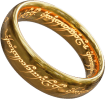
The One Ring, Peter J. Yost, CC BY-SA 4.0
The works that I love are those in which the events are the catalysts of personal growth for me, the reader, as well as the protagonist. In the process of writing, we might find ourselves looking at things differently. Our deeply cherished views might be challenged – and how will we react to that?
Historically, the authors whose works resonate down the centuries had opinions about politics, religion, and society in general. Their views were written into their work, sometimes more bluntly than others. Those values and motifs are why certain novels are considered classics despite having been written more than one or two centuries ago.
Wuthering Heights by Emily Bronte – Wikipedia challenges Victorian morality and addresses mental and physical cruelty, including domestic abuse.
A Christmas Carol by Charles Dickens – Wikipedia addresses society’s view of who is responsible for poverty and challenges the idea the poor are impoverished because they are lazy and deserve it.
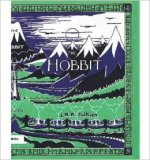
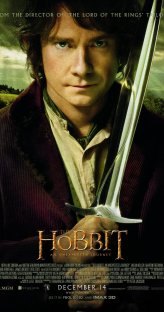
The Hobbit by J.R.R. Tolkien – Wikipedia depicts how greed and selfishness are insidious and can destroy even good people. The Desolation of Smaug warns us against repeating the tragedies of WWI, which of course, we did, and do, and will do again.
CREDITS AND ATTRIBUTIONS:
Dustcover of the first edition of The Hobbit, taken from a design by the author, J.R.R. Tolkien.
The Hobbit – An Unexpected Journey, Theatrical release poster © 2012 New Line Cinema, Metro-Goldwyn-Mayer, WingNut Films, Distributed by Warner Bros. Pictures, Fair Use.
 Why do I say such a terrible thing? It’s true. All stories are derived from a few basic plots, and we have only so many words in the English language with which to tell them.
 Overcoming the monster
 For that reason, I have the
  Noisy
Noisy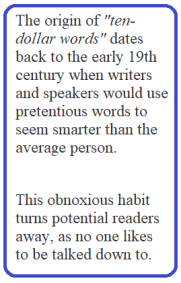 My Texan editor refers to those convoluted morsels of madness as “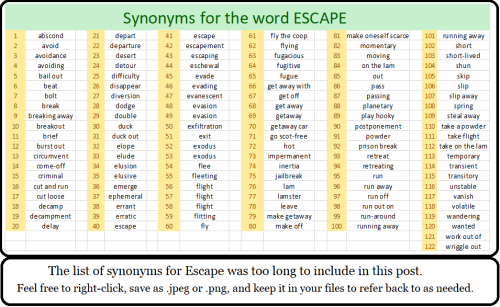
 Today’s post focuses on word choice. What do you want to convey with your prose? This is where the choice and placement of words come into play. Active prose is constructed of nouns followed by verbs or verbs followed by nouns.
 The second draft revisions are where I do the real writing. It involves finetuning the plot arc, character arcs, and most importantly, adjusting phrasing.
 Some types of narratives should feel highly charged and action-packed. Most of your sentences should be constructed with the verbs forward if you write in genres such as sci-fi, political thrillers, and crime thrillers.
 What clues should you look for when trying to see why someone says you are too wordy?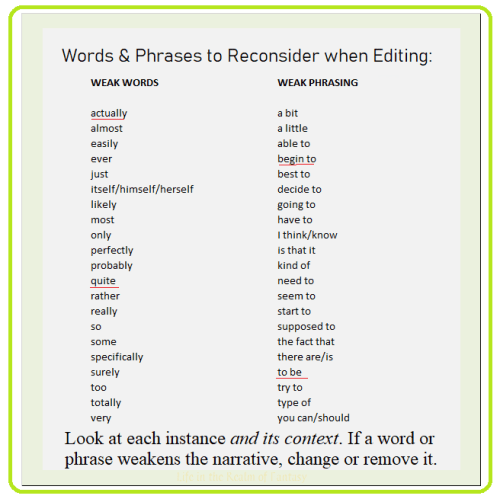
 Some authors are forceful in their style and throw you into the action. They have an in-your-face, hard-hitting style that comes on strong and doesn’t let up until the end.
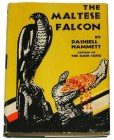 “I’m going to send you over. The chances are you’ll get off with life. That means you’ll be out again in twenty years. You’re an angel. I’ll wait for you.” He cleared his throat. “If they hang you I’ll always remember you.” [1]
 But I prefer to keep my research in hardcopy form, rather than digital.
  As we become confident in our writing, we learn more about grammar and punctuation in our native languages. We learn to write so others can understand us.
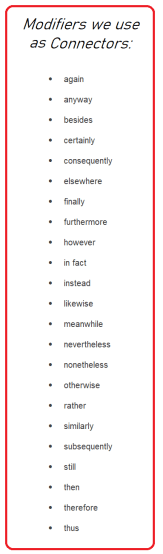
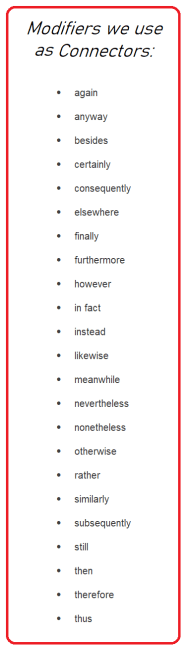
 However, quantifiers have a bad reputation because they can quickly become habitual, such as the word very.
 Our narrative voice comes across in our choice of hard or soft words and where we habitually position verbs in a sentence. Where we automatically place the words in the sentence is a recognizable fingerprint.
 In
In 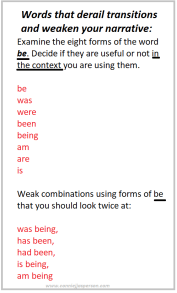 If we write a sentence that says a character is hot and thirsty, we leave nothing to the reader’s imagination. However, when we change the tense, we are often inspired to rephrase a thought.
 Other authors manipulate time. They may start with a chapter of action and commentary set in the past. The experiences shown in the prologue show the reason for present day events and actions that are yet to unfold.
 I’ve read some excellent narratives where the author uses the flashback to ratchet up the suspense in a danger scene. An example could be a character trapped in a small space while a killer searches for her. She remembers being a small child during the war and being hidden in a cupboard by her father when enemy soldiers arrived. Through the keyhole, she witnesses the slaughter of her family.
 Narrative time and calendar time are separate entities. Point of view and narrative time work together.
 Some stories work best with a first-person point of view, while others are too large and require an omniscient narrator.
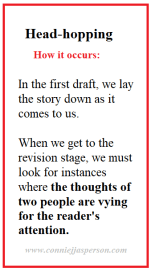 Head-hopping occurs when an author switches point-of-view characters within a single scene. It sometimes happens when using a third-person omniscient narrative because each character’s thoughts are open to the author.
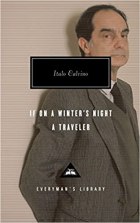 One example of a bestseller written in second person POV is
  Even if you have an MFA degree, you could spend a lifetime learning the craft and never learn all there is to know about the subject. We join writing groups, buy books, and most importantly, read. We analyze what we have read and figure out what we liked or disliked about it. Then, we try to apply what we learned to our work.
 You have just spent the last year or more combing through your novel. This is another example of silly advice that doesn’t consider how complex and involved the process of getting a book written and published is. I love writing, but when you have been working on a story through five drafts, it can be hard to get excited about making one more trip through it, looking for typos.
 When we first embark on learning this craft, we latch onto handy, easy-to-remember mantras because we want to educate ourselves. Unless we’re fortunate enough to have a formal education in the art of writing, we who are just beginning must rely on the internet and handy self-help guides.
 We can easily bludgeon our work to death in our effort to fit our square work into round holes. In the process of trying to obey all the rules, every bit of creativity is shaved off the corners. A great story with immense possibilities becomes boring and difficult to read. As an avid reader and reviewer, I see this all too often.
 However, I can always write a blog post—which is how I keep my writing muscles in “fighting form.”
 I’m always learning. While I love to talk about writing craft, I am a far better editor than a writer. Free-lance editing is like being a hired gardener—with a bit of work, a trim here, pulling a few weeds there, you enable an author’s creative vision to become real.

 In real life, nothing is certain. Adversity in life forges strength and understanding of other people’s challenges. Having the opportunity to make daily notes in a journal, to write poetry, blog posts, short stories, or novels is a luxury—one I am grateful for.
 However, (cue the danger theme music), once I have set it aside for a while, I will have to begin the revision process. That is when writing becomes work. This is the moment I discover the child of my heart isn’t perfect – my action scenes are a little … confusing.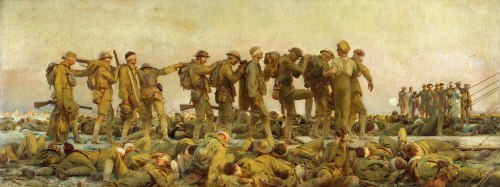
 What motivated the action?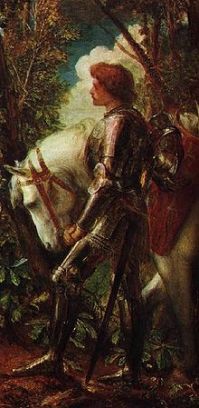
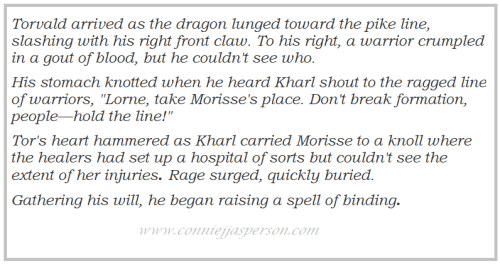
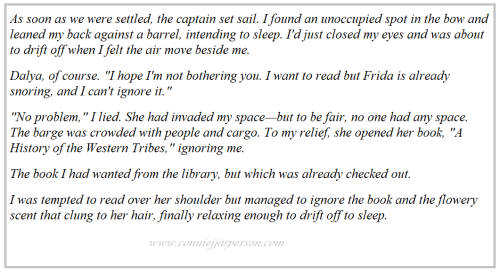
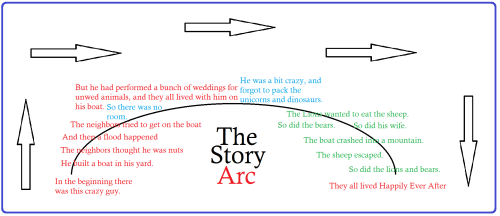
 We add the details when we begin the revision process. One of the elements we look for in our narrative is pacing, or how the story flows from the opening scene to the final pages.
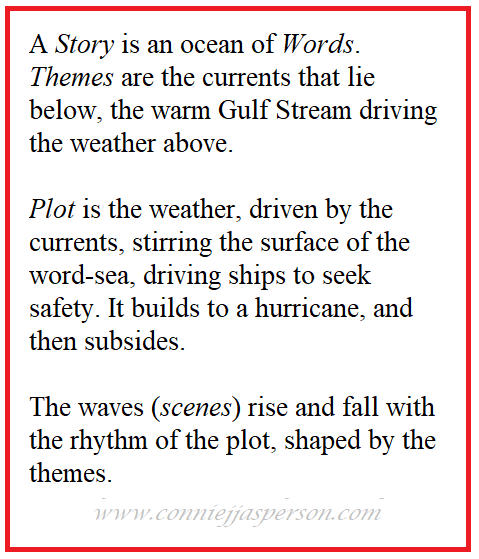 This string of scenes is like the ocean. It has a kind of rhythm, a wave action we call pacing. Pacing is created by the way an author links actions and events, stitching them together with quieter scenes: transitions.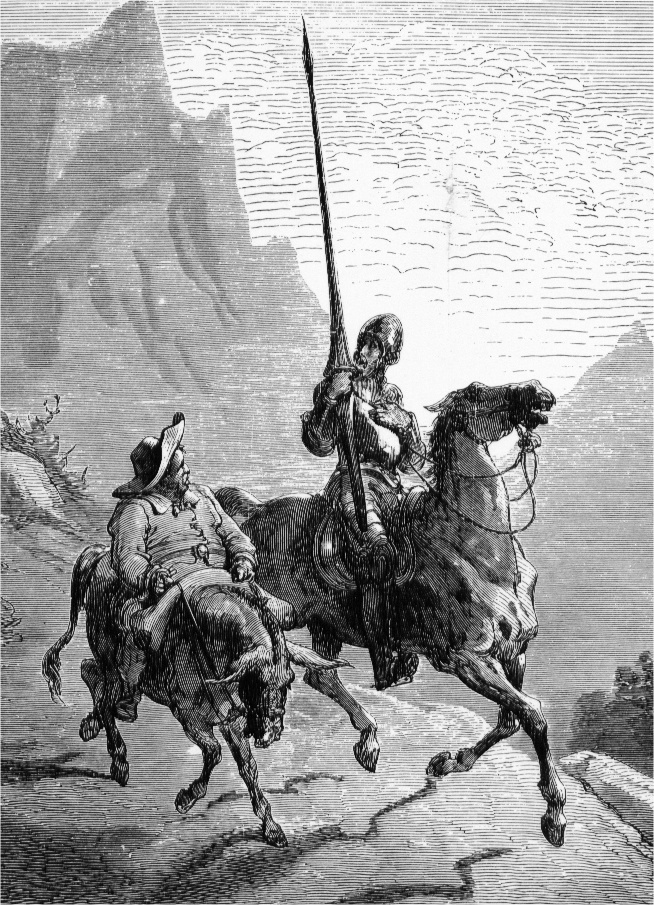
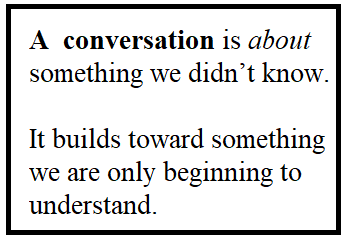 Internal monologues should humanize our characters and show them as clueless about their flaws and strengths. It should even show they are ignorant of their deepest fears and don’t know how to achieve their goals. With that said, we must avoid “head-hopping.” The best way to avoid confusion is to give a new chapter to each point-of-view character. Head-hopping occurs when an author describes the thoughts of two point-of-view characters within a single scene.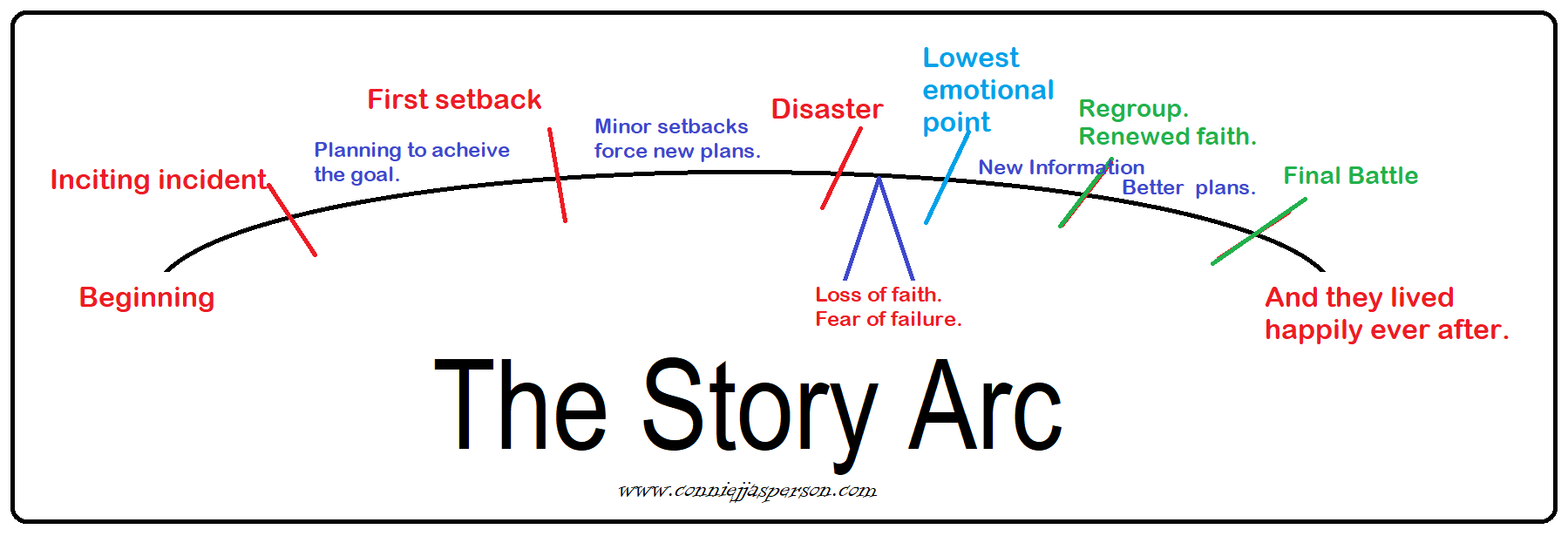


 Life in the Realm of Fantasy