Category Archives: Literature

My love affair with Willam Butler Yeats

Yeats Mural and quoteWilliam Butler Yeats was an Irish poet and one of the foremost figures of 20th century literature. A pillar of both the Irish and British literary establishments, in his later years he served as an Irish Senator for two terms.

His poetry is one of my favorite sources of inspiration.  In his early years he  was not afraid to write of faeries, and mystical things that fired my childish imagination. Later, as he grew as both a writer and as a person, he also wrote wonderful works that were more firmly rooted in reality.
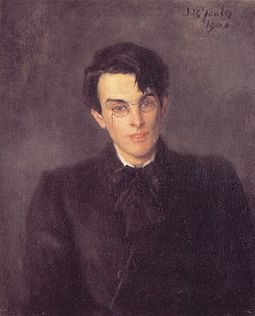
William Butler Yeats, painted by his father, John Butler Yeats, 1900

William Butler Yeats, painted by his father, John Butler Yeats, 1900

Born in Ireland on June 13 1865, Yeats was born into the Protestant, Anglo-Irish minority that had controlled the economic, political, social, and cultural life of Ireland. His free-thinking, bohemian parents counteracted that cultural bias, and raised him to be proud to be an Irish poet and writer. He was raised in a home where art and literature were celebrated, His father was a famous artist, John Butler Yeats, who was renowned for his portraits, though his work never earned enough to keep the family financially secure–thus they moved around a lot.

The entire Butler Yeats family were highly artistic; his brother Jack became an esteemed painter, while his sisters Elizabeth and Susan Mary—known to family and friends as Lollie and Lily—became involved in the Arts and Crafts Movement. That movement of decorative arts was exemplified by traditional craftsmanship using simple forms and it often used medieval, romantic or folk styles of decoration. It advocated economic and social reform and has been said to be essentially anti-industrial.
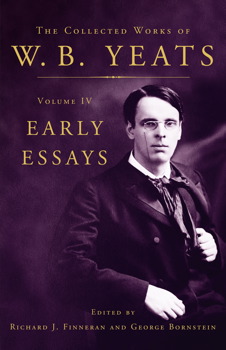
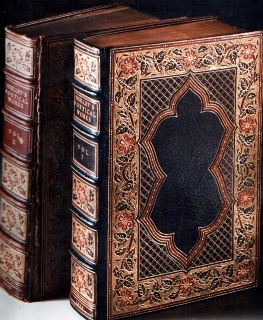
WB Yeats early essaysIn December 1923, Yeats was awarded the Nobel Prize in Literature, just after Ireland had gained independence. Fortunately, the prize led to a significant increase in the sales of his books, when his publishers Macmillan  capitalized on the publicity. He was able to repay not only his own debts, but those of his father–this was a huge source of relief for the whole family.

To a certain extent,  Yeats was a product of the arts and crafts movement. His poetry was whimsical and serious, and completely reflective of his passionate, turbulent life.  He has been quoted as saying a poet should labor “at rhythm and cadence, at form and style, ” and was a founding member of the Rhymers’ Club, a group of London poets who met to read and discuss their poems. The Rhymers placed a very high value on subjectivity,  how someone’s judgment is shaped by personal opinions and feelings instead of outside influences, and on craftsmanship.
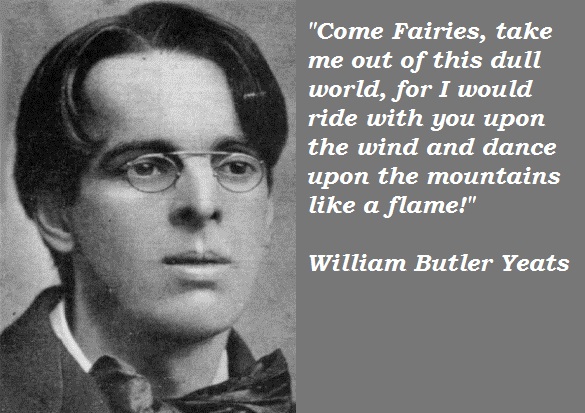
william-butler-yeatss-quotes-4This emphasizes to me the value of a writing group–even Yeats had a group of people to bounce ideas off, and that group improved his craftsmanship.

Reading the work of W.B.Yeats greatly shaped my own view of poetry and literature in general. His life was unconventional, and chaotic, and his love affairs were famous, especially his life-long, frequently unrequited love for the Irish revolutionary/actress, Maud Gonne. He struggled with love and morality as did all free-thinking artists and writers in his day–but his struggles and the struggles of his contemporaries freed their imaginations, and they produced great works.

Of all his works, this is my favorite:

The Stolen Child by  W.B. (William Butler) Yeats

WHERE dips the rocky highland
Of Sleuth Wood in the lake,
There lies a leafy island
Where flapping herons wake
The drowsy water rats;
There we’ve hid our faery vats,
Full of berrys
And of reddest stolen cherries.
Come away, O human child!
To the waters and the wild
With a faery, hand in hand,
For the world’s more full of weeping than you can understand.

Where the wave of moonlight glosses
The dim gray sands with light,
Far off by furthest Rosses
We foot it all the night,
Weaving olden dances
Mingling hands and mingling glances
Till the moon has taken flight;
To and fro we leap
And chase the frothy bubbles,
While the world is full of troubles
And anxious in its sleep.
Come away, O human child!
To the waters and the wild
With a faery, hand in hand,
For the world’s more full of weeping than you can understand.

Where the wandering water gushes
From the hills above Glen-Car,
In pools among the rushes
That scarce could bathe a star,
We seek for slumbering trout
And whispering in their ears
Give them unquiet dreams;
Leaning softly out
From ferns that drop their tears
Over the young streams.
Come away, O human child!
To the waters and the wild
With a faery, hand in hand,
For the world’s more full of weeping than you can understand.

Away with us he’s going,
The solemn-eyed:
He’ll hear no more the lowing
Of the calves on the warm hillside
Or the kettle on the hob
Sing peace into his breast,
Or see the brown mice bob
Round and round the oatmeal chest.
For he comes, the human child,
To the waters and the wild
With a faery, hand in hand,
For the world’s more full of weeping than he can understand.

 >>><<<
Loreena McKennitt, the Stolen Child  (via You Tube)

6 Comments

Filed under Books, Fantasy, Humor, Literature, Publishing, Uncategorized, writer, writing

When inspiration fails…

276px-Dante_Gabriel_Rossetti_-_ProserpineThere are days when I just can’t come up with a new idea. The creative juices are flowing, but they’re moving  more like unimaginative sludge. I don’t see these moments as writer’s block—the ideas are lying dormant. They just don’t want to bloom quite yet.

This is when I clean the house. For some reason, inspiration always strikes when I am doing some mindless task, and though you wouldn’t know it from my office, I work better when the house is in order. If that hasn’t jarred an idea loose, I put on some Loreena McKennitt or Blackmore’s Night and go out to the internet and search for ideas, by looking at fantasy images from Canstock or Dreamstime.

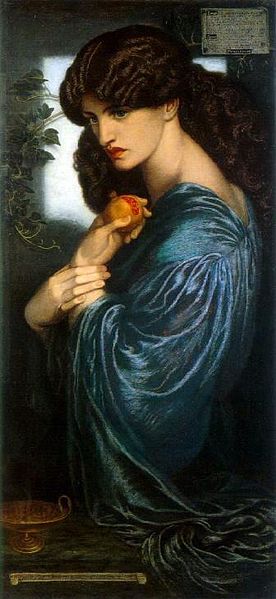
Sometimes I just peruse the old masters from the renaissance era out on Wikimedia Commons, like Dante’s Persephone.

Then there are times when I have a cornucopia of ideas. They can’t all be used, there are so many of them. I try to write them down for use later, and that helps when I have a temporary dry spell.

That is, they help unless I forget to make full notes about the whole idea—random notes like “Give the dog a biscuit” are just a bit too ambiguous to be really helpful. Know what dog would have been helpful–however that random note did inspire me to give Billy Ninefingers a hilarious sidekick, a dog named Bisket.

Sometimes I get going on a tale and all of a sudden my enthusiasm just sort of faints somewhere along the line and I don’t know why. It turns out that idea really wasn’t a novel—it was a short story and it just wanted to be done and over with.  Short stories are wonderful exercises for writing longer pieces. If you can, you should try to build up a backlog of short pieces under 7000 words in length, because you never know when a call for short stories will come along and you might have the chance to be published in an anthology.

Old Restored booksAlso, writing short fiction helps you get the hang of using a story arc in smaller increments, to help the layers of your longer pieces.

Sometimes I get stuck in the middle, and don’t know what is going to happen next. That is really frustrating, but I just set is aside to come back to it later. Other times I get a little bit of a jump-start by talking to members of my writing group.

But there are times the piece just has to be shelved for a while.  That’s okay, because when I pull it out, I will say, “Hey! This is awesome—I love this story.” I never fail to find that spark when I run across a tale I forgot I had half-written.

I never get bored with my characters, but I sometimes get bored with the drivel I write for them to do. That is why sometimes walking away from a stalled story for a short while is a good idea. At that point I am beating a dead horse and it’s a waste of time. Later I will see the manuscript through new eyes and a better way to get my heroes to the final battle will strike.

When I am stuck on a paragraph that I just can’t get right, I email a writing buddy and run it past them. We bounce it back and forth until it conveys the idea I think it needs to–or I throw it out.

I’m always happy to talk with them when they are stuck, so it all balances out.

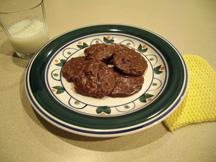
GrandmasNoBakeCookiesMy point is that we all suffer from occasional lapses of the creative muse. I never let lack of inspiration for one project stop me from pushing forward—I just find something that does interest me and do that for a while until I have my fire back.

Sometimes I just have to make cookies for a while. Chocolate no-bakes...yummy….

4 Comments

Filed under Adventure, Battles, blogging, Books, Fantasy, Humor, Literature, Publishing, Self Publishing, Uncategorized, writer, writing

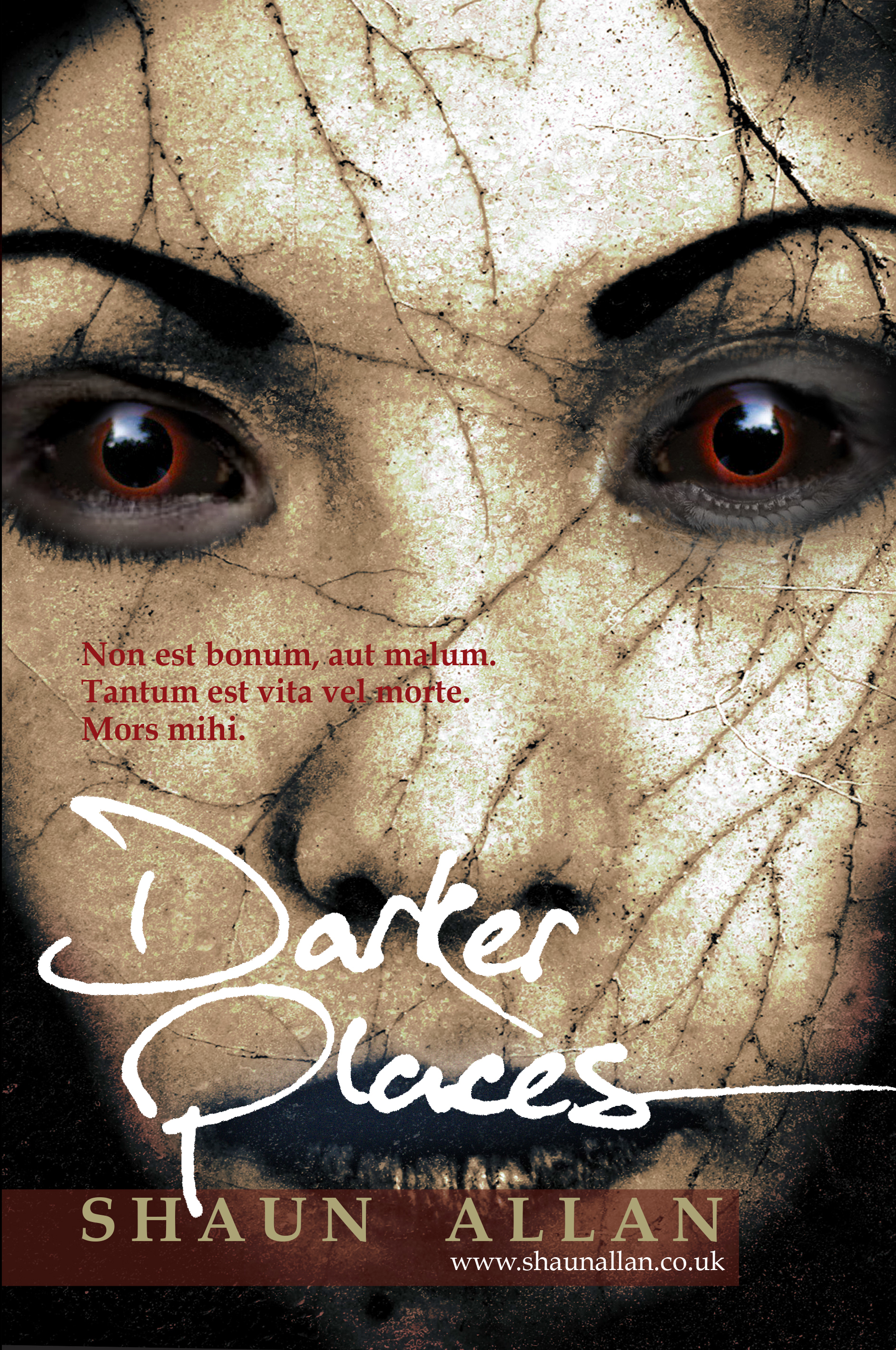
Darker Places, Shaun Allan

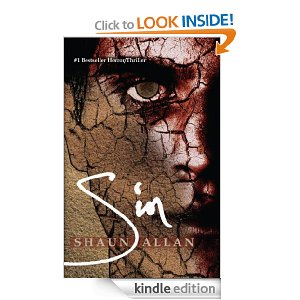
My Writing LifeOne of my favorite people is Shaun Allan, author of the bestselling novel, Sin–he  can write circles around me. Actually, he can write circles around ANYone.  Shaun has a new book out today, Darker Places. I was fortunate to be asked to edit this book, and I’m just going to say, very little effort on my part is ever required with Shaun’s work.

Darker Places is a dark, literary fantasy, comprised of thirteen poems and 13 short-stories, in the same vein as Dark Places,  his book of short works that was published in 2012.

Shaun has consented to answer a few questions about his writing life for us:

CJJ: Tell us a little of early life and how you began writing:

SA: Early life…  Can I remember that far back?  I’m not sure I can…  I can’t think of a time when I haven’t been writing.  I’m told (by my mother who also tells me I was a little terror as a young child, which I can’t quite believe) I used to write stories and draw the pictures to go along with them.  Nowadays, my artistic skills are probably somewhat lacking.  I’m hoping my writing skills have improved, though.  At school, English was easily my favourite lesson and I loved writing the essays.  I was a big fan of science fiction, back then (I still am a fan, of course), so read lots of Arthur C. Clarke and Isaac Asimov amongst others.  I moved on to fantasy, with David Eddings and Terry Brooks and then brought in horror.  All these found their way into my writing, with horror and the supernatural becoming the mainstay of my subject matter now.  I feel, without the darkness, you can’t appreciate the light.

CJJ: Those are books I loved too. Tell us about your most recent book.

SA: Darker Places, my new book, is the follow up to Dark Places.  It’s an anthology of 13 stories and 13 poems which walk the reader through the shadowy passages of my mind. There’s ome humour in there (with Gremlins and Little Dead Riding Hood), some touching stories (The Crow and Stolen Moments) and much darker ones (Home) where I kill off a number of my old school friends, with their permission!  And, we get to see what happened with Sin before the events of his novel.

CJJ: I have to say that is an awesome story–Sin is an amazing character. And Home is one of the best, short stories I have read in a long time. Now we come to the question people always want to know:  How did you come to write this novel?

sin - Shaun AllanSA: Sin took me ten years to write.  As it’s a very personal book, I occasionally had to step away and wrote short stories.  Many of these were collected together in Dark Places, which was prompted by a comment a writer friend of mine made.  As my mind tends to write what it wants rather than what I want, and another friend, who lives in Australia, was very forthcoming with writing prompts I couldn’t refuse, Darker Places became more and more a reality.  I mean, if you’re given a starter sentence of “The bird fell and the sky was silent,” how can you not work with it?

CJJ: Do you have a specific ‘Creative Process’ that you follow, such as outlining or do you ‘wing it’?

SA: Oh, I wing it.  I know wonderful writers (Connie) who outline, but I can’t.  I’ve tried, but my mind doesn’t work like that.  It goes where it wishes, my Muse being a right royal pain in the posterior.  I sat down to write some of Mortal Sin and ended up writing a Christmas story about Rudolph, for example!  Sometimes, as with Mr. Composure, I can write the start and almost immediately know how it will end, with ‘only’ the path it takes to figure out, but often, I start and I have no idea at all.

CJJ: How does your work differ from others of its genre?

SA: I think because it’s personal.  There’s aspects of me, my life and my darkness in everything.  There’s also my sense of humour.  I set the stories where I live.  When I was starting, and everyone was saying “write what you know,” I struggled somewhat.  What did I know?  Where I lived seemed boring, for a start!  But then I read a Clive Barker book (Weaveworld, I think) and he described going down back alleys in a town.  I didn’t know, but felt it could have been the alleys where he grew up.  It wasn’t boring.  So I moved my stories to Grimsby and Lincolnshire – the places I knew.  Once they came home, they allowed me more freedom.

CJJ: Your work is dark, but you are such a cheerful, light-hearted person. Why do you write what you do?

SA: Good question.  Though I can write silly children’s poetry as well as paranormal and psychological thrillers, it’s the darker work which I find easiest.  I find it therapeautic.  I can get stresses and bad memories out and turn them into something I and others seem to enjoy.  As I say, without darkness, you can’t appreciate the light.

CJJ: I know why I chose the indie route for my work, but I’m curious as to why you’ve chosen this path.

SA: I did try to be ‘properly’ published, but, with the indie route, I’ve made some amazing friends and reached people all over the world.  I have full control over my work and the only deadline (in most cases) is the one I set myself.

CJJ: What advice would you offer an author trying to decide whether to go indie or take the traditional path?

SA: Well, you have to go for what you feel is right, but I have to admit, though the indie route is hard work, its immensely rewarding.  I’d definitely recommend giving it a go.

~~~~~~

Thank you Shaun, for taking the time to answer these questions, and for being here today!

DarkerPlaces_96dpi_100%DARKER PLACES by Shaun Allan

What if you could steal the final moments from the dying? What if you had the darkest secret, but couldn’t think what it might be? What if you entered the forest in the deep of the night. Who is the melting man? And are your neighbours really whom they appear to be?

So many questions.

To find the answers, you must enter a darker place. Thirteen stories. Thirteen poems. Thirteen more doorways.

 ~~~~~


Shaun AllanA creator of many prize winning short stories and poems, Shaun Allan has written for more years than he would perhaps care to remember. Having once run an online poetry and prose magazine, he has appeared on Sky television to debate, against a major literary agent, the pros and cons of internet publishing as opposed to the more traditional method. Many of his personal experiences and memories are woven into the point of view and sense of humour of Sin, the main character in his best-selling novel of the same name, although he can’t, at this point, teleport.

A writer of multiple genres, including horror, humour and children’s fiction, Shaun goes where the Muse takes him – even if that is kicking and screaming. He has written for NBC Universal, and regularly holds writing workshops at local schools.

Shaun lives with his wife, two daughters and two cats. Oh and a manic dog. Though his life might, at times, seem crazy, he is not.

Honest.

~~~~~~

To see more of Shaun’s work, please visit Shaun’s author page at Amazon.com.

1 Comment

Filed under Adventure, Blogger, Books, Fantasy, Humor, Literature, Publishing, Self Publishing, Uncategorized, writer, writing

What I #amwriting

Alarm clock quote ray bradburyI normally begin my day at about 5:30 a.m. with editing for my clients–I like to do that when I am at my sharpest which is always in the morning.  I spend the afternoons writing, and right now I have two manuscripts that I am working on, and several short-stories. My evenings I either write blog posts or work on designing book covers.

Other than writing, most of my work these days centers around finishing up publishing the second editions of the Tower of Bones Series. The book itself, Tower of Bones, has been republished, and book II in the series, Forbidden Road, is in the process of being proofed and should be available soon–hopefully within two weeks.

In addition to revamping the TOB series, I hope to have the prequel to the series, a stand-alone novel, Mountains of the Moon, published by July 15, 2015, with a few copies to take to the PNWA conference. That means it has to be finished and ready to proof by June 25–which may be pushing it. However, things are moving so perhaps I will be able to meet this new deadline.

As I said, I have two novels in the works: concurrently with The Wayward Son, I am fleshing out the final book of the Tower of Bones series, Valley of Sorrows. This book deals with the aftermath of the events in Forbidden Road and winds up that story.

The road to hell Phillip Roth QuoteIn the aftermath of an incident that occurred in the last days of the war in Mal Evol, John lost the use of most of his magic. He has managed to keep that disability a secret for thirty years. The Wayward Son is the story of John’s redemption, and explains the events that happened in Aeoven while Edwin and the others were gone. These incidents culminated in John and Garran being sent to meet Edwin in Braden at the end of Forbidden Road. 

John Farmer’s story is intriguing to me, because he is a man concealing many secrets. A lot is going on under the surface–he suffers from survivor’s guilt and PTSD, which often develops after a person is exposed to one or more traumatic events. In The Wayward Son, John’s rocky relationship with Garran is explored, and also his love affair with the Abbess of Aeoven, Halee.

While I was re-editing the series to date, I took the liberty of changing several once-minor characters’ names, as they had suddenly become important in the two later books, and their names were too close to other, already prominent, characters’ names. Since I was changing them anyway, I made them widely different. Thus Marta Randsdottir is now Halee Randsdottir. Her original name was nearly identical to Edwin’s wife, Marya, a problem since the two women figure prominently in The Wayward Son.

The problem was inadvertently begun in 2009 when I was writing Tower of Bones as the story-line and walk-through for an RPG, and was scrounging around for good character names. I didn’t know at that time it would become a book, and it didn’t occur to me that NEVER naming any character with a similar sounding, looking, or rhyming name is something every author should take note of. This is important, no matter how minor the characters seem to be, because, just like Halee, they may have a larger part to play later and the confusion will ruin the story.

The magnitude of the problem first became evident when I was writing Forbidden Road, but I thought I was stuck with it. Referencing the two women in the same paragraph was dreadfully confusing, since their names were only one letter off from each other.

ok to write garbage quote c j cherryhFor a long time, I didn’t know what to do about the name problem. I thought I was stuck with it, but one of the beauties of being an indie is the freedom I have to make adjustments when a gross error is discovered. Since I was completely revamping the series anyway, it was the perfect time to take the plunge and rectify that mistake. The series now has new maps, new interiors, and new covers.

It was just another lesson I’ve learned since leaping into this mad circus of indie publishing, but now I know to never name two characters in the same book with names that begin and end with the same letters. Don’t do it!


Comments Off on What I #amwriting

Filed under Adventure, Battles, Books, Fantasy, Humor, Literature, Publishing, Self Publishing, Uncategorized, writer, writing

When this job becomes work: the book signing event

SUPPORT YOUR LOCAL AUTHORSI must admit, I am not really a people person. I’m a bit awkward, and not really sure of myself, and I have a sense of humor that is too off-the-wall for most people. That is one reason why being an author is such a good fit for me–I can work from home and most of my interactions are imaginary.

Nevertheless, there are times when I must put on the public persona of the Successful Author. I’m not really that good at this one-on-one public thing…yet. I’ve had the good fortune to be involved in multi-author events with other indie authors, with more experience at it, and I’ve been able to see how they approach the gig.

It’s tricky–you can’t just assault people, shouting “Buy my book!”

Walking the line between being obnoxious, and telling people what they want to know about the book is tricky. The minute someone asks me what Huw the Bard is all about, my mind grinds to a halt. It’s almost like I never even read it, although I do remember writing it.

My first public event was last month at NorWesCon, and that was interesting because I was a vendor, so I was there all four days, but in the vendors’ room. For me, that was a tee-shirt-and-jeans event, because I don’t own any costumes, or ren-fair clothes (yet).

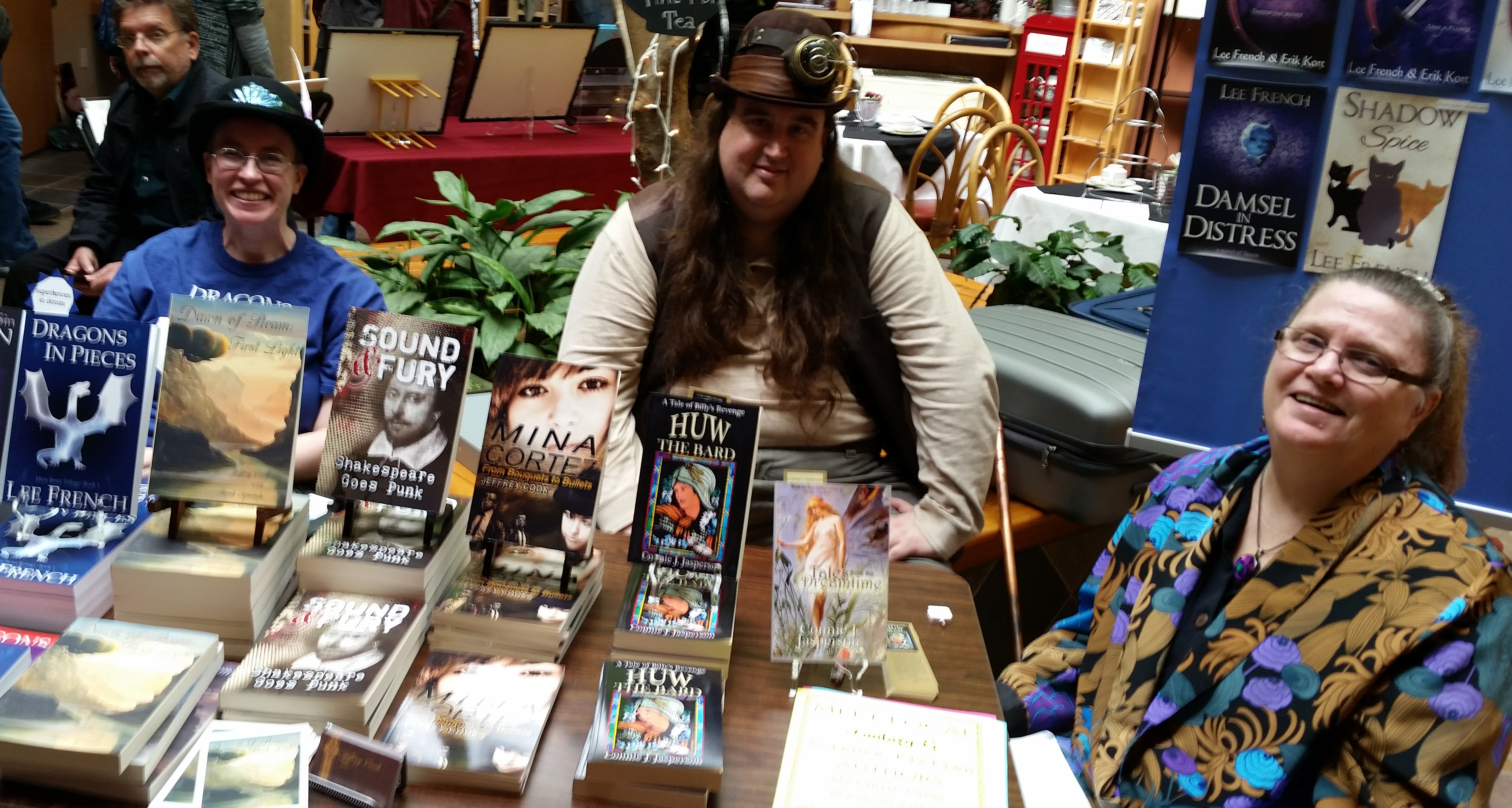
My second public event was this last Saturday. Two other local indies, fantasy author Lee French, and steampunk author Jeffrey Cook joined me at the Two Sister’s Tea Room in downtown Olympia for a book signing. This was a very different situation, and was much more pleasant. This signing was timed for the middle of one of the largest festivals in the the city, the annual Procession of the Species, so we had many people stopping and conversing with us.

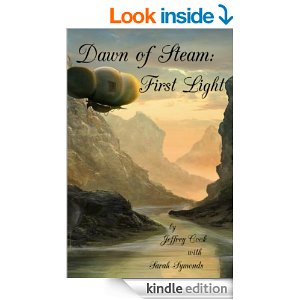
Dawn of Steam First LightSeveral people really stand out in my mind–I was moved to tears by one lady from Hawaii who bought Dawn of Steam, First Light, from Jeffrey.  She said she was a new reader, that she had come from a place where reading was not encouraged. She also said she was currently enjoying Charles Dickens’ classic novel,  The Pickwick Papers. I was awed by the absolute joy she took in the written word as she looked through Jeffrey’s book, and by how happy it made her that he signed it for her.

It was really brought home to me then that reading is still a privilege denied to many people of the world, often not by their wish, but by circumstances beyond their control.

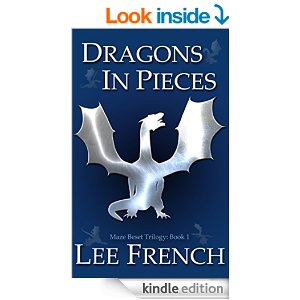
dragons in pieces lee frenchThen there was the wonderful character who was absolutely crazy for dragons. He not only bought Lee’s book, Dragons in Pieces, but insisted on buying one of the little plastic Dragon heads she had created with her 3-d printer as decorations.

Lee was selling books like she owned the only snocone stand in the desert.

I wasn’t, but I had a great time anyway, and handed out a lot of book marks.

From left: Lee French, Jeffrey Cook, Connie Jasperson

From left: Lee French, Jeffrey Cook, Connie Jasperson

For that event, I went all out clothing-wise. I went to the Goodwill and shopped the fat-lady rack on senior citizens’ half-price day, and found what seemed like the perfect, brilliantly-garish, machine-washable, fancy-label jacket to wear with my rather boring black blouse and black trousers. It was only about twenty years out of style, and was the perfect price for my tapped out pocket-book: $3.99, with my old-peoples’ discount.

I am still looking for the right event-outfits. I want something a little wonderful, but with not quite as much purple as the flashy jacket. I love purple, but as an accent color.

Our next event is in three weeks, so that gives me a lot of time to find something suitable for the comfy grandma who writes RPG game-based hack-and-slash epic adventures, and also sometimes writes literary fantasy.

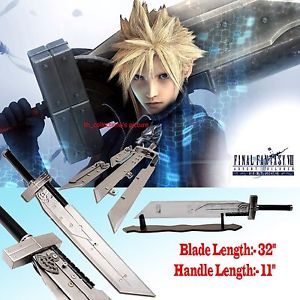
Maybe what I need is a green velvet renaissance faire dress, with Cloud’s buster-sword from Final Fantasy VII in a shoulder scabbard. That  should get my style of writing across well enough.

cloud strife and buster blade


2 Comments

Filed under Adventure, Battles, Books, Fantasy, Humor, Literature, Publishing, Uncategorized, writer, writing

The Gormenghast Novels

Gormenghast trilogyOne of the strangest, most compelling series of books I ever read was the literary, yet still fantastic, Gormenghast series of novels, written by the late Mervyn Peake during the years following WWII.

It has been said of this series that it is the the first true fantasy of manners.

Satirizing the manners and affectations of a social class or of multiple classes, often represented by stereotypical stock characters, a “Fantasy of manners” is fantasy literature that owes as much or more to the comedy of manners as it does to the traditional heroic fantasy of J. R. R. Tolkien and other authors of high fantasy.

The Washington Post Book World had this to say about the series:  “This extravagant epic about a labyrinthine castle populated with conniving Dickensian grotesques is the true fantasy classic of our time.” 

The immense,  labyrinthine Hayholt, featured in Tad Williams’ epic masterpiece, Memory, Sorrow, and Thorn,  seemed reminiscent of castle Gormenghast to a certain extent, when I first read that series. I don’t know if Williams is a Gormenghast fan–I’ve never asked him, although I should. I do know he is not afraid to write great literary fantasy.

The Gormenghast series opens with the book, Titus Groan. Although the book takes its name from Titus, and he  is technically the main character, the book only covers the first two years of his life. Titus-the-baby appears infrequently throughout, but is still an integral part of the plot, inciting change in the routine of the immense castle. At the age of one, he becomes the Earl of Groan. The great library has been deliberately burned, sending the old earl, his father, spiraling into madness. He vanishes, having been eaten by Death Owls (!) while attempting to hide the body of his murdered chef, Swelter, who was murdered by another of his servants.

225px-Titus Groan novel

Mark Robertson’s cover illustration for the Mandarin paperback edition

Wikipedia gives this as the plot introduction for the series: “The book is set in the huge castle of Gormenghast, a vast landscape of crumbling towers and ivy-filled quadrangles that has for centuries been the hereditary residence of the Groan family and with them a legion of servants.

“The Groan family is headed by Lord Sepulchrave, the seventy-sixth Earl of Groan. He is a melancholy man who feels shackled by his duties as Earl, although he never questions them. His only escape is reading in his library. His wife is the Countess Gertrude. A large-framed woman with dark red hair, she pays no attention to her family or the rest of Gormenghast. Instead, she spends her time locked away in her bedroom, in the company of a legion of cats and birds, the only things toward which she shows affection.”

GORMENGHAST-72dpiThese complicated, convoluted books of nonsense are not for everyone. They are beautifully written, but the less perceptive, more impatient type of reader will find this series confusing and plot-less. Despite being a dark, Gothic fantasy, the prose is literary. For some casual readers, this work will be considered too heavy on the descriptions  It may also contain too many “ten-dollar” English words–words of more than one syllable.

But for those readers like me, readers who adore beautiful prose, deep, involving  books, and darkly baroque settings peopled with unforgettable characters, the Gormenghast Novels strike a chord deep within the soul. These books must be savored, experienced in the fullest sense of the word. The focus is on the breathtaking visual descriptions, and while I am thrilled by it, the verbal beauty of Gormenghast is what will leave many impatient modern readers cold.

For me, Gormenghast is a surreal, visual painting, created of beautifully crafted words., and frankly, I say to hell with anyone who mocks my enjoyment of it.

Mark Robertson's cover illustration for the Mandarin paperback edition

Mark Robertson’s cover illustration for the Mandarin paperback edition

Just like J.R.R. Tolkien’s work, when you are reading this series of novels, the journey itself is more important than the destination. And speaking of J.R.R.–I just want to say that while this series is often compared to Tolkien’s work, there is very little similarity between the two, other than they are both extremely well written fantasy, written by authors with a good command of the English language and all its nuances.

Mervyn Peake was famous as a writer, portrait artist, and illustrator, and was considered brilliant in both fields. In 1959, after the publication of the third of his Gormenghast novels, the dreadful disease of dementia finally claimed him, eventually robbing him of his ability to draw.

Tragically Peake was unable to live normally for the last years of his life, and died in a nursing home 1968 at the age of 57, having left his literary masterpiece uncompleted in the way he had envisioned it.


10 Comments

Filed under Adventure, Books, Fantasy, Humor, Literature, Publishing, Self Publishing, Uncategorized, writer, writing

Elements of the Story: the story arc

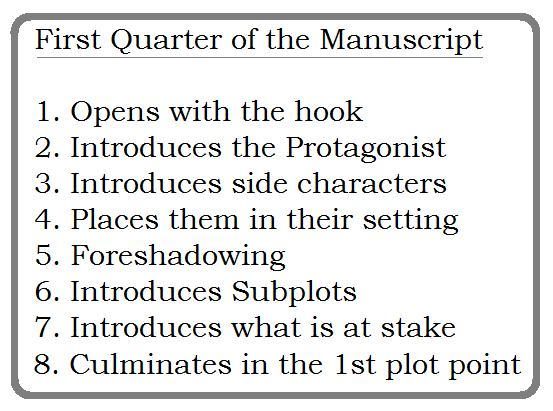
Elements of the Story 1st Quarter of the MSWhen I first began writing, I wasn’t concerned with the nuts-and-bolts aspects of a tale–I wrote stories to read to my children, and I wrote stories I wanted to read. The stories lived in my mind, and I got a great deal of pleasure from writing them. It never occurred to me to submit them to a publisher, and I wouldn’t have known how to do that anyway.

It wasn’t until my youngest child was in high-school that I began thinking about writing as a vocation, and began looking for places to submit my work. So my evolution as a writer was: I began by writing songs in high-school and also writing poetry, graduated to writing fairytales for my kids and short stories for myself, and finally began my serious attempt at a novel in 1996.

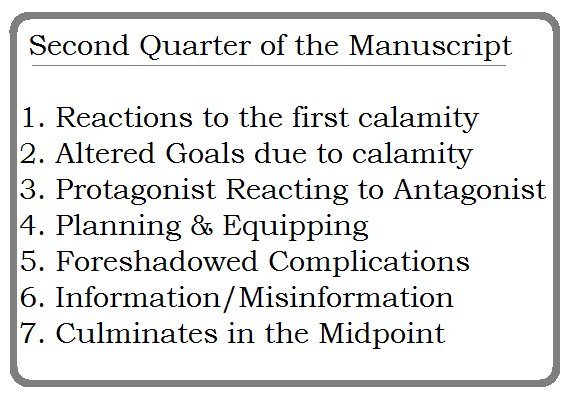
2nd quarter of the manuscriptI began writing for my own pleasure, and had no idea of how to plot a novel. Since that first attempt at a novel, I have completed six novels, and am working on 3 more at this time. Each book has been an improvement over the previous one. Through working with good editors and educating myself,  I feel like I finally understand how  a good novel is constructed.

In my early books, I didn’t understand the way a good story worked. I knew one when I read one, but I didn’t really understand what made that story immersive and memorable.

I had a grasp of how to create characters, and I had a good idea for the basic plot,  but I was weak in the area of structuring the novel. Once I realized that weakness, I set out to resolve it.

For the last two years, that has been the area I’ve worked hardest on putting into practice, and for those who have beta-read my yet to be published work, that change in my understanding of how to write a novel is clear.

Now, I have an instinctive understanding that the evolution of the story can be graphed out in an arc–the Story Arc. I had heard of this concept, and in writing groups some authors will talk about it as if they understand it, but when you read their work it’s clear they don’t.

It wasn’t until Scott Driscoll, author of Better You Go Home gave a seminar on it last year that the pieces fell into place for me.

The Story Arc copy

Some books are character-driven, others are event-driven. ALL of them follow an arc.  For my personal reading pleasure, I prefer Literary Fantasy, which has a character-driven plot. Events happen, often in a fantasy setting, but the growth of the characters is the central theme, and the events are just the means to enable that growth.

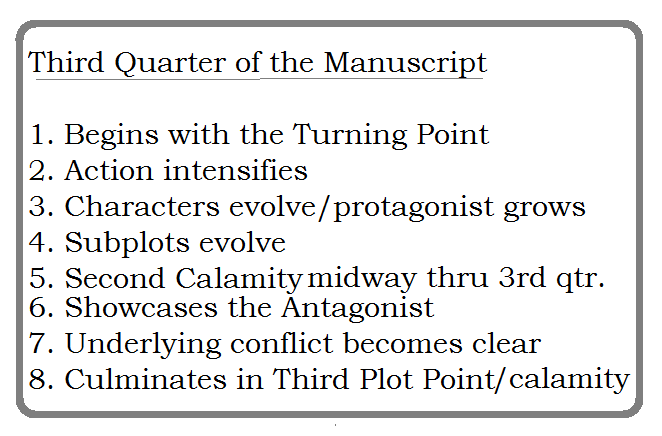
3rd qtr of manuscriptI write literary fantasy, with some emphasis on the fantasy. My own books, as in Huw the Bard, tend to be more character-driven than action oriented, as the Hero’s Journey is what intrigues me, but large events occur that cause personal growth. Whether your books are character- or event-driven, there must be an arc to the story.

We have talked about the way the manuscript can be divided into quarters.  Let’s consider the midpoint. The midpoint of the story arc begins the second half of the book. The first calamities have occurred and up to this point, the characters have been reacting to the antagonist’s moves.

The midpoint of the story arc is the Turning-Point, the place where there is no turning back. Consider J.R.R.Tolkien’s The Hobbit: At the midpoint, Bilbo is committed to seeing the Dwarves regain their home, and Smaug is routed, but at great cost. Now, he can see only disaster ahead of them, if Thorin continues down the moral path he has chosen.  Bilbo has been changing, but now he shows his true courage, by hiding the Arkenstone. Then he takes matters into his own hands in order to head off the impending war.  Bilbo tries to ransom the Arkenstone , but Thorin refuses to see reason. He banishes Bilbo, and battle is inevitable.

This arc is the same in every good, well-plotted novel: in the first half of the book everything had gone to hell, emotions were high, and the situation was sometimes chaotic, but the protagonist thought he had a grip on it. The Midpoint is the place where the already-high emotions really intensify, and the action does too. From this point on, the forces driving the plot are a train on a downhill run, picking up speed, and there is no stopping it or turning back now. The characters continue to be put to the test, and the subplots kick into gear.

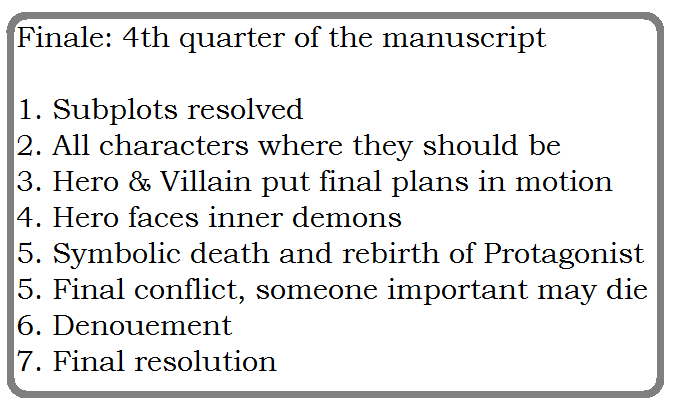
4th qtr of MSThe second half is where the villain shines–the evil one is on a roll and it’s his ballgame. The truth underlying the conflict now emerges, and it culminates in the third calamity, the third plot point. This is also where the villain’s weaknesses begin to emerge, and the hero must somehow exploit them.

The third quarter of the book, from the midpoint to the third plot point is critical. These events tear the hero down, break him emotionally and physically so that in the final fourth of the book he can be rebuilt, stronger, and ready to face the villain on equal terms.

The third quarter of the book frequently sets the hero on the path to enlightenment, but first he must undergo a symbolic death and rebirth.

If you want to read classic fantasy where this type of story arc is really clear and yet the stories are strongly character driven, you should read:

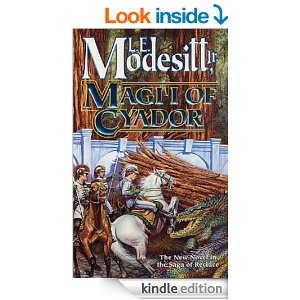
magii of cyador


Magi’i of Cyador and Scion of Cyador by L. E. Modessit Jr. (2 books)


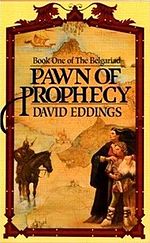
Pawn_of_Prophecy_cover


The Belgariad by David Eddings (5 book series)


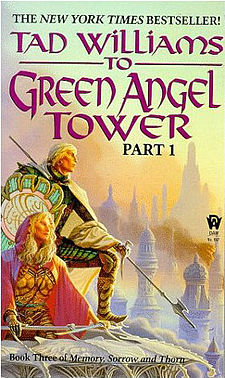
Green_Angel_Tower_P1


Memory, Sorrow, and Thorn by Tad Williams (4 paperbacks, 3 hard bound or ebooks)

6 Comments

Filed under Books, Fantasy, Literature, Publishing, Self Publishing, writer, writing

Structuring the Novel: the third plot-point, crisis of conscience

I don’t feel well. I have a mountain of work, and a spring virus has destroyed my very tight schedule.  I would bang my head if I didn’t already feel so crappy.

Today I have a client’s MS to begin editing.

Today I have revisions of my own to make on a ms I am getting ready to publish.

Today I was supposed to have a blog post ready to post on structuring the epic fantasy novel.

The Arc of the StoryWe were going to talk about the story arc, and how the third quarter of the book always begins with another life-changing plot-point. I was going to talk about how the the plot drives personal growth for the protagonist and his/her friends at this point.

And then I was going to discuss how this is the place where the protagonists often lose their faith or have a crisis of conscience. What personal revelations come out about the protagonist, or conversely what does he discover about himself?

I had intended to discuss how difficult this part of the novel often is to write, due to the fact that the protagonist has been put through a personal death of sorts–his world has been destroyed or shaken to the foundations and he no longer has faith in himself or the people he once looked up to.

  • How is he/she emotionally destroyed by the events?
  • How was her/his own personal weakness responsible for this turn of events?
  • How does this cause the protagonist to question everything she ever believed in?
  • What makes him pull himself together and just keep on going?
  • How is she different after this personal death and rebirth event?

quarrantine symbolI had intended to talk about that, but I don’t want to expose you to this crummy virus.  It always puts me through the emotional wringer to write this particular section of a tale, and I don’t feel well, so I can’t deal with talking about it. This low point is such a crucial part of the hero’s journey, the place during which he is taken down to his component parts emotionally, and rebuilds himself to be more than he ever believed he could be.

This is where she makes the hard decisions and learns that she truly does have the balls to do the job–

But I am too sick to talk about it.

I blame The Boy.  He was sniffling during his visit last week, and you know what a germ factory the average eight-year-old is.

4 Comments

Filed under Adventure, Books, Fantasy, Humor, Literature, Publishing, Self Publishing, Uncategorized, writer, writing

Elements of the story: calamity, villainy, and the hero’s struggle

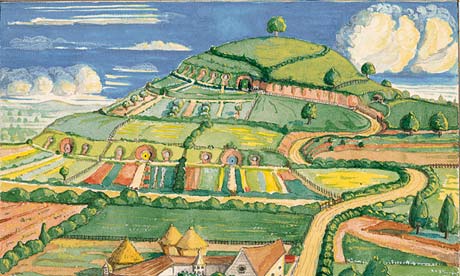
Tolkien's art work for Hobbiton-across-the-water

Hobbiton-across-the-water, by J.R.R. Tolkien

Most writing coaches agree that the first 1/4 of your story is where you reveal your characters and show their world while introducing hints of trouble and foreshadowing the first plot point. That is the first act, so to speak.

The Calamity:

Something large and dramatic must occur right around the 1/4 mark to force the hero into action, an intense, powerful scene that changes everything. Quite often, in epic fantasy the inciting scene will be comparatively disastrous, and one that that forces the protagonist to react. He/she may be thrust into a situation that radically changes their life and forces them to make a series of difficult decisions.

  • What incident or event will occur at the first plot point?
  • What negative effect does this event have for the protagonist and his/her cohorts?
  • How are hero’s efforts countered?
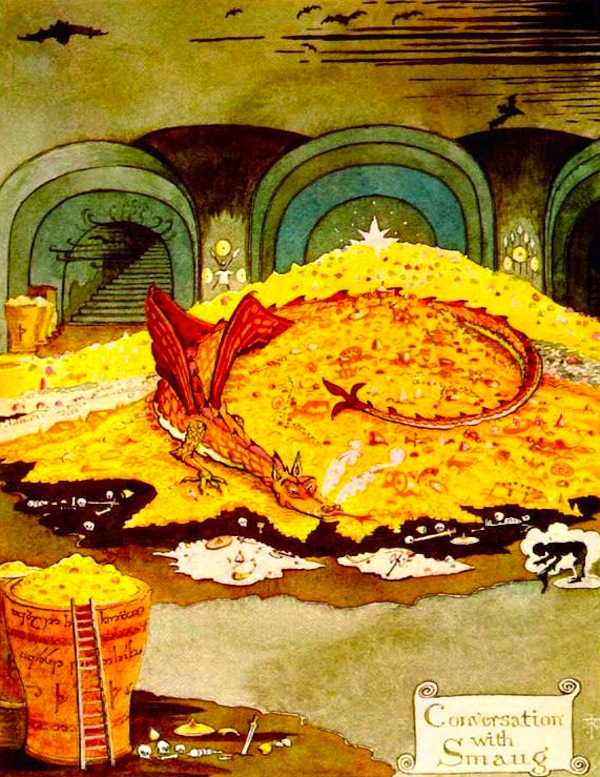
A conversation with Smaug by J.R.R. Tolkien

A conversation with Smaug by J.R.R. Tolkien

The Villain:

Conflict drives the story.  We know a great story has a compelling protagonist, but in order to have a great conflict, you must also have a great adversary. The hero has an objective, and so does the villain.

  • Identify the opponent–who is he/she, and what is their power-base?
  • What is the adversary’s primary goal, and who or what are they willing to sacrifice to achieve it?
  • Do the hero and the villain know each other, or are they faceless enemies to each other?
  • How does the adversary counter the hero’s efforts?

In fantasy, and often in thrillers and horror, we have an adversary who is capable of great evil. They may have supernatural powers, and at first they seem invincible. Their position of greater power forces the hero to become stronger, craftier, to develop ways to beat the adversary at his game. A strong, compelling villain creates interest and drives the conflict. Write several pages of back-story for your own use, to make sure your antagonist is as well-developed in your mind as your protagonist is, so that he/she radiates evil and power when you put them on the page. If you know your antagonist as well as you know the hero, the enemy will be believable when you write about their actions.

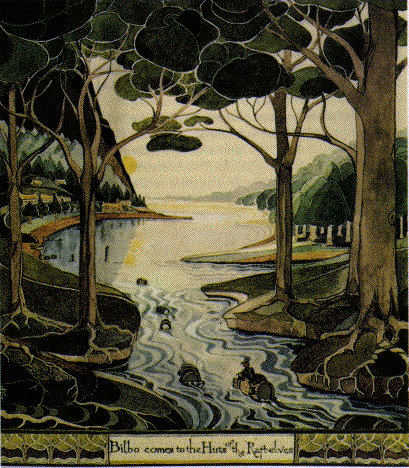
Bilbo comes to the huts of the raftelves by J.R.R. Tolkien

Bilbo comes to the huts of the Raft elves by J.R.R. Tolkien

The Hero’s Struggle:

Now the story is hurtling toward the midpoint, that place called the second plot-point. The characters are acting and reacting to events that are out of their control. Nothing is going right-the hero and his/her cohorts must scramble to stay alive, and now they are desperately searching for the right equipment or a crucial piece of information that will give them an edge. The struggle is the story, and at this point it looks like the hero may not get what they need in time.

Their weaknesses must be first exploited by the adversary, and then overcome and turned into strengths by the hero. The hero must grow.

During this part of the story you must build upon your characters’ strengths.  Identify the hero’s goals, and clarify why he/she must struggle to achieve them.

  • How does the hero react to being thwarted in his efforts during the second act to the midpoint?
  • How does the villain currently control the situation?
  • How does the hero react to pressure from the villain?
  • How does the struggle deepen the relationships between the hero and his cohorts/romantic interest?
  • What complications (for the hero) arise from a lack of information regarding the conflict, and how will he/she acquire that necessary information?
  • Midway between the first plot point and the second plot point, what new incident will occur to once again dramatically alter the hero’s path? This will be a turning point, drama and mayhem will ensue, perhaps offering the hero a slim chance. What stands in his/her way of realizing that small chance and what will the hero sacrifice to attain it?

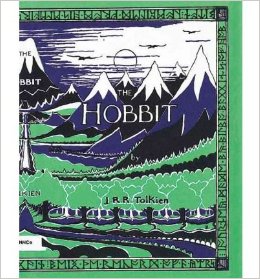
the hobbitThe first half of the book can be exciting or a bore–and because I’m always growing as an author, my new rule is “don’t write boring books.”

I say this because the books I loved to read the most were crafted in such a way that we got to know the characters, saw them in their environment, and bam! Calamity happened, thrusting them down the road to Naglimund or to the Misty Mountains.

Calamity combined with villainy creates struggle, which creates opportunity for great adventure, and that is what great fantasy is all about.

2 Comments

Filed under Adventure, Books, Fantasy, Humor, Literature, Publishing, Self Publishing, Uncategorized, writer, writing

Marketing tips from the eight-year-old

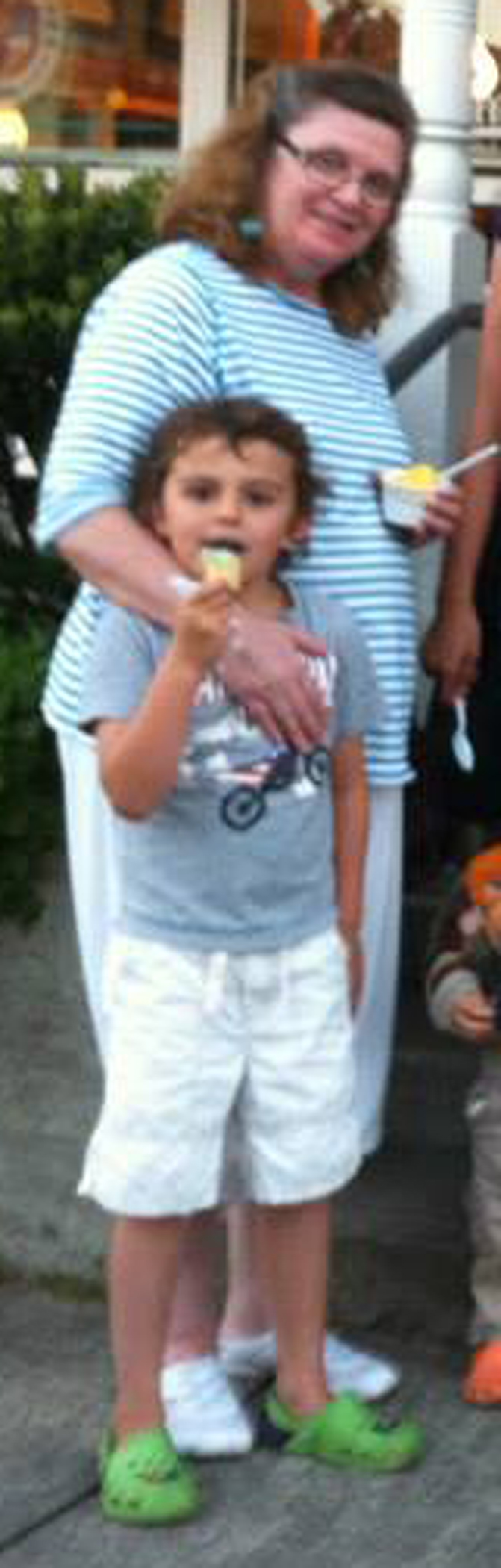
Me & Logan, Cannon Beach Oregon August 2014

Me & The Boy

My oldest daughter and her son came to stay for a long weekend. It was fun, and wonderful, having The Boy around, especially now that he is eight. He is becoming a well-behaved person, and developing a few manners, although he is still only eight, and rather a barbarian in many ways

Of course, it poured down rain while he was here. but we had fun anyway.

He discovered that grandma is a writer, and writes “real books.” He was quite proud. “I’m gonna read these when I’m a grown up.”

I confess, I did bask in the glory, until he explained that I had made a huge marketing error.

My biography is in the back of my books, but not my picture. The Boy said, “I want the kids at school to know that my grandma writes real books, but they won’t believe it if there’s no picture.”

I didn’t want to tell him that the camera steals my soul, and I hate every picture I’ve ever seen of me. But, after thinking about it, I agreed that he might have a point.

I also didn’t tell him that people who write books are a dime a dozen. Everyone you meet either is an author, or has a couple of the ne’er-do-wells in the family. Apparently people who are otherwise unemployable write books, in order to appear useful.

I didn’t tell him that, because for a shining moment, I was special. He was proud of me, his grandma, because I can write real books. I have to admit, that felt pretty good.

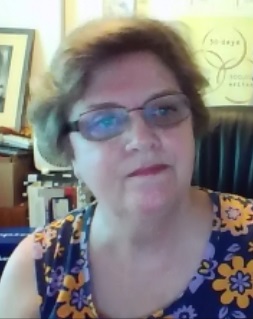
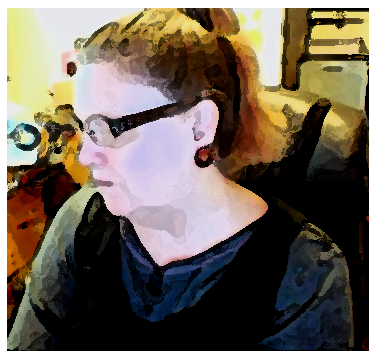
So we looked through the pictures of me. I thought this one would work, as it’s the most recent and hides my ample, middle-aged waistline.

Connie J. Jasperson profile pic 3

He said, “No–it doesn’t really look like you. You’re hair is a lot fuzzier than that.”

I said, “But I combed it just for that photo. I even put on lipstick.”

He wasn’t swayed.

So I tried a different one. “This one is only two years old.”

Connie J. Jasperson Profile Pic

I thought it was perfect, as it also hides the ample, middle-aged, waistline.

He was not impressed.  “Are you kidding? Your hair’s too short in that one.”

Heavy sigh. “This one?”

Connie J. Jasperson


“Get real, Grandma–people want to see the real you. The one who cooks and stuff.”

“No, they don’t,” I said. “People don’t care about that. I don’t think I need a picture in the back of my books.”

“Trust me, Grandma. I’ve read a lot of books, and they all have the writer’s picture in the back. I want my friends to know it’s you.”

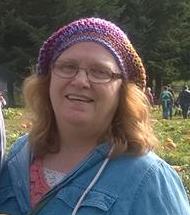
After much discussion he picked a picture.  I doubt it will go in the back of a book, but this is what he picked.

Fall 2014 profile foto for avatars

“Why did you pick that one? I use that one as my Facebook icon. ”

“Because that’s how you look. Comfy, and like a grandma. With fluffy hair.”

It’s hard to argue with that sort of logic. But I’ll probably have to have a professional picture made at some point.

One that doesn’t show my middle-aged waistline or the comfy fluffiness of my hair.

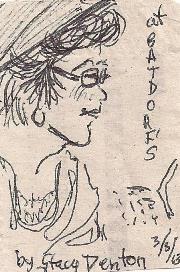
extra small caricature of connie  by street artist Stacey Denton


10 Comments

Filed under Books, Fantasy, Humor, Literature, Publishing, Uncategorized, writer, writing