
An archetype is an ancient pattern describing a type of character that exists across different cultures and eras of human history. In ancient times, we had no communication with other cultures. Yet, our myths and legends share these familiar, recognizable characters we call archetypes.
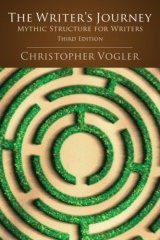 The Writer’s Journey, Mythic Structure for Writers, by Christopher Vogler, details the various traditional archetypes that form the basis of most characters in our modern mythology (or literary canon). I highly recommend this book for anyone interested in learning more about archetypes and how they fit into the story.
The following is the list of character archetypes as described by Vogler:
- Hero: someone who is willing to sacrifice his own needs on behalf of others
- Mentor: all the characters who teach and protect heroes and give them gifts.
- Threshold Guardian: a menacing face to the hero, but if understood, they can be overcome.
- Herald: a force that brings a new challenge to the hero.
- Shapeshifter: characters who constantly change from the hero’s point of view.
- Shadow: a character who represents the energy of the dark side
- Ally: someone who travels with the hero through the journey, serving a variety of functions.
- Trickster: embodies the energies of mischief and desire for change.
Last week we discussed the Mentor. We also looked at one of the many aspects of a hero-character, the Sacrificial Lamb.
Now let’s look at Allies, friends and supporters, side characters who enable the protagonist to achieve their goal. Side characters are essential, especially characters with secrets, because they are a mystery. Readers love to work out puzzles.
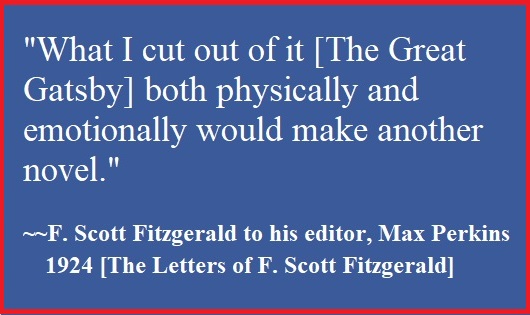 One thing I do recommend is that you keep the number of allies limited. Too many named characters can lead to confusion in the reader.
It’s sometimes challenging to decide who should go and who should stay. What is the optimal number of primary characters for a book? Be kind to the reader. Introduce however many characters it takes to tell the story but use common sense.
When you give a character a name, you imply they are a memorable part of the story instead of a walk-on. Even if a walk-on character offers information the protagonist and reader must know, it doesn’t necessarily mean they need to be named.
Does the character return later in the story? When you introduce a named character, ask yourself if it is someone the reader should remember. Also, never name two characters in the same narrative so that the first and last letters of their names are the same.
For instance, having a Darnell and a Darrell with prominent roles in the same book could be confusing.
Make their names unique and give them a name only if they have a memorable role later. Also, as audiobooks come more and more into the publishing rainbow, spelling and ease of pronounceability are critical.
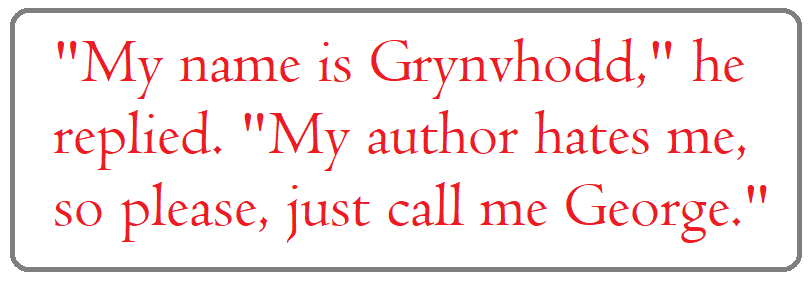 How easy is it to read, and how will that name be pronounced when it is read aloud?
Certain tricks of plotting function well across all genres, from sci-fi to romance, no matter the setting. In most novels, one or more characters is a “fish out of water,” in that they are immediately thrust into an unknown and possibly dangerous environment.
Every core character that the protagonists are surrounded by should project an unmistakable surface persona, characteristics that are identifiably “them” from the outset.
From the moment they enter the story, we should see glimpses of weaknesses and fears. We should see hints of the sorrows and guilts that lie beneath their exterior personas. Remember, they aren’t the protagonist, so their story must emerge as a side note, a justification for their inclusion in the core group.
Old friends have long histories, and the protagonist knows most of their secrets at the outset. We don’t engage in info-dumping. Their backstory should emerge only at critical points, if and when it provides the reader with information they must know.
If these friends are new to the protagonist, their stories should emerge in the form of information the protagonist must have to complete their quest. However, it should come out only when the reader must know it too.
 In real life, everyone has emotions and thoughts they conceal from others. Perhaps they are angry and afraid, or jealous, or any number of emotions we are embarrassed to acknowledge. Maybe they hope to gain something on a personal level—if so, what? Small hints revealing those unspoken motives are crucial to raising the tension in the narrative.
As writers, our task is to ensure that each character’s individual story intersects smoothly and doesn’t jar the reader out of the story.
To do that, the motivations of the side characters must be clearly defined. You must know how the person thinks and reacts as an individual.
Ask yourself what desires push this character? What lengths will they go to in the effort to achieve their goal? Conversely, what will they NOT do?
Just as you have done with the hero of your story, ask yourself what the side characters’ moral boundaries are and what actions would be out of character for them?
Mood is a large word serving several purposes. It is created by the setting (atmosphere), by the exchanges of dialogue (conversation), and the tone of the narrative (word choices, descriptions). It is also affected by (and refers to) the emotional state of all the characters—their personal mood.
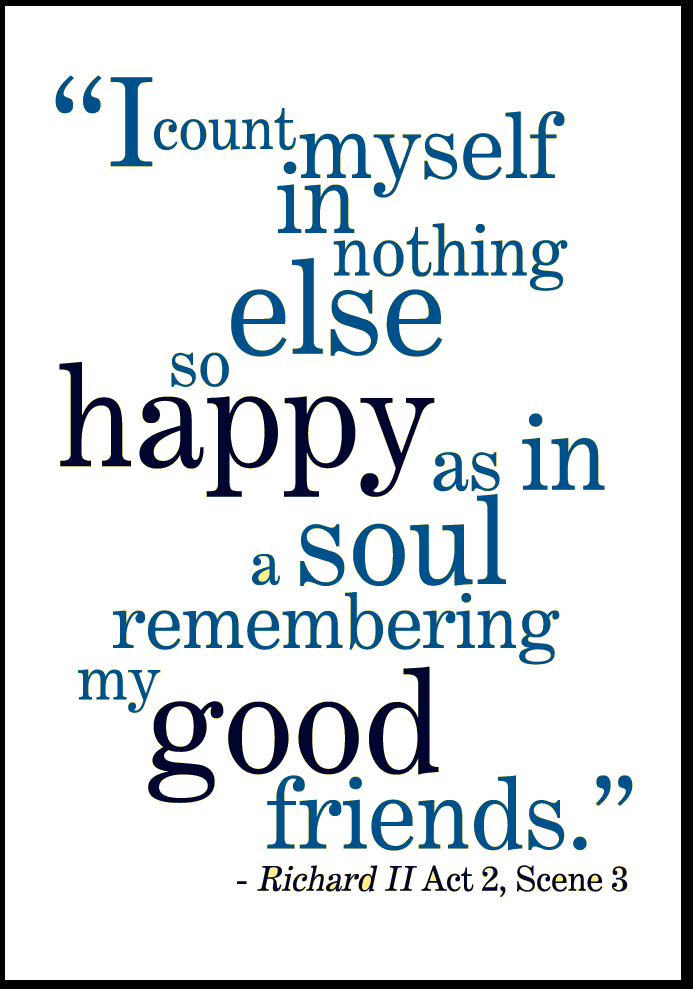 Dialogue gives shape to the story, turning what could be a wall of words into something personal. We meet and get to know our protagonists and the people they will travel with through the conversations they engage in.
Write nothing that seems out of character unless there is a good, justified reason for that behavior or comment.
We want to create empathy in the reader for the group as a whole, but the pacing of the story remains central.
For all characters, whether they are the protagonist or their allies, personal revelations should only come out when they are necessary to propel the plot to its conclusion.
CREDITS AND ATTRIBUTIONS:
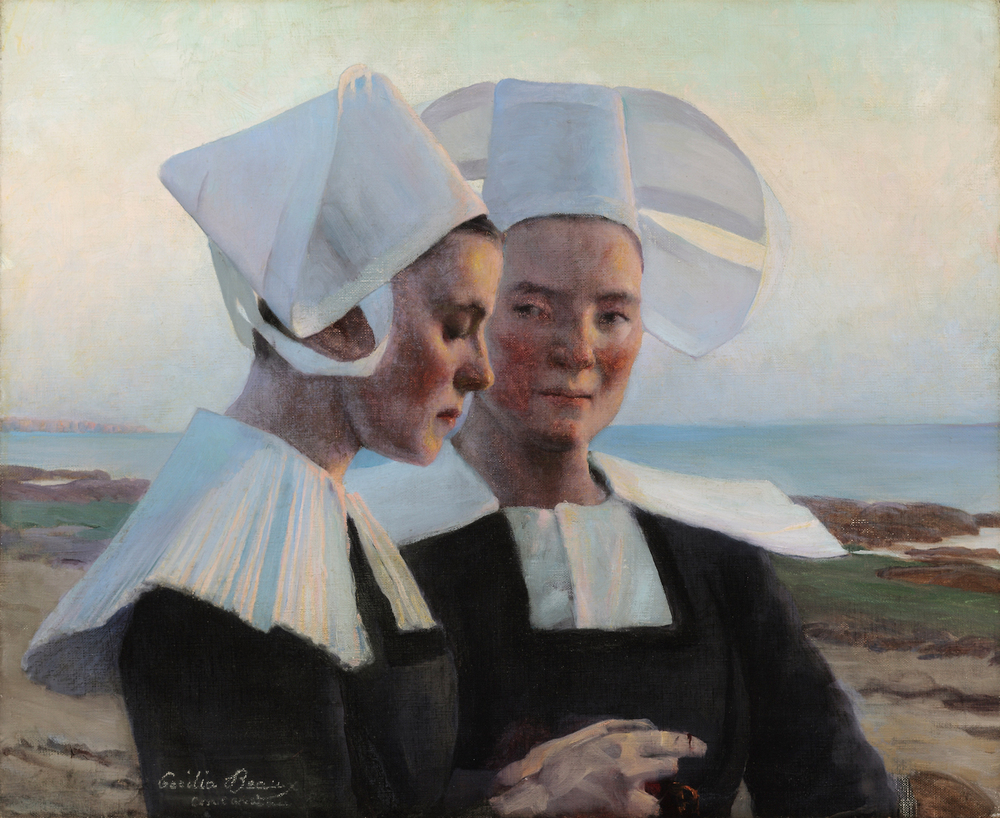
Twilight Confidences, Cecilia Beaux, Public domain, via Wikimedia Commons
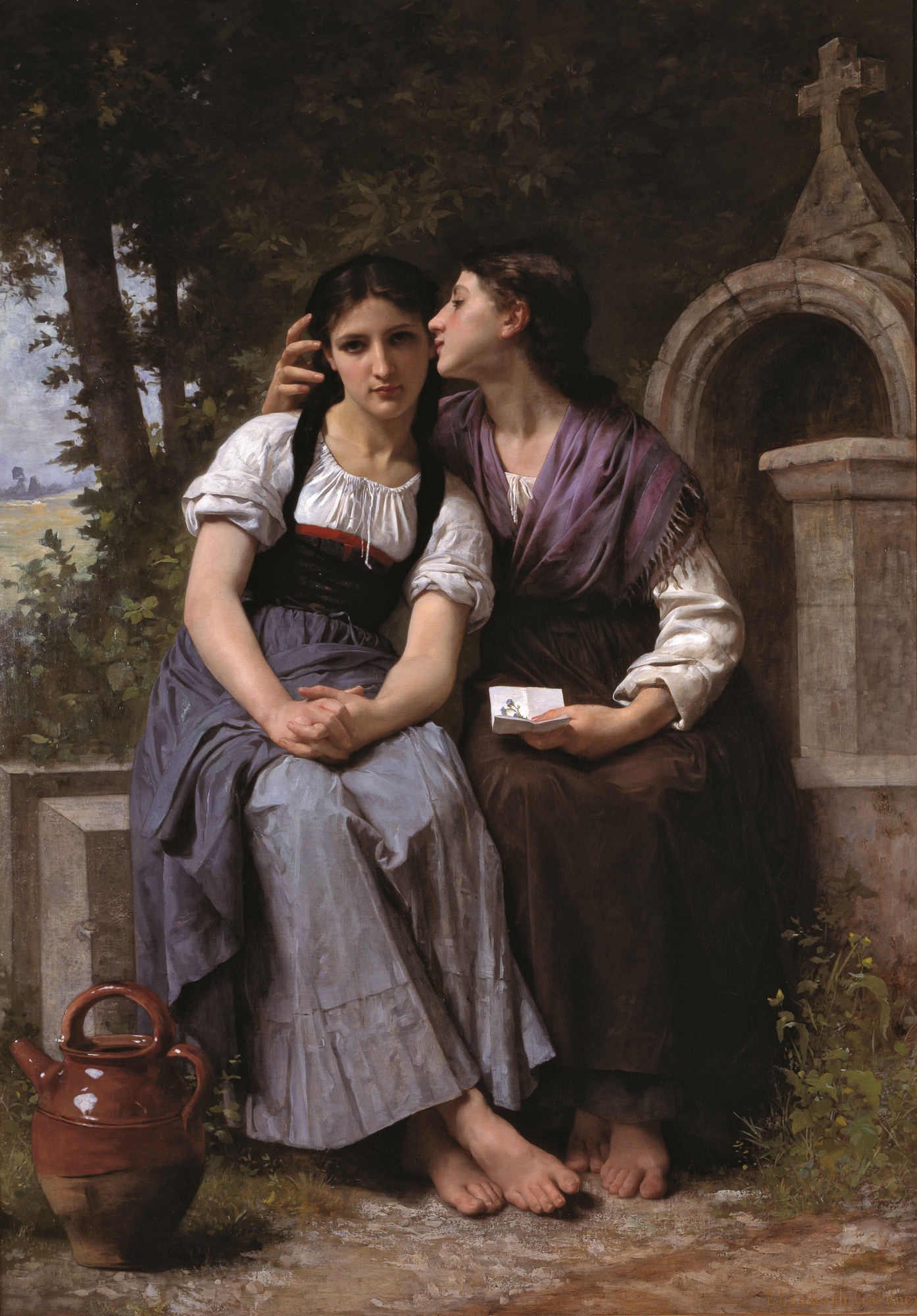 La Confidence by Elizabeth Jane Gardner (1837–1922) (Public Domain)
 Obi-Wan is a complex mentor, arriving on the screen with a past. He has lived and lost and made choices he wished he hadn’t. When he faces Darth Vader in his final showdown, you get the feeling that the old man planned his exit perfectly.
 For this reason, every sacrifice our characters make must have meaning and must advance the plot, or you have wasted the reader’s precious time.
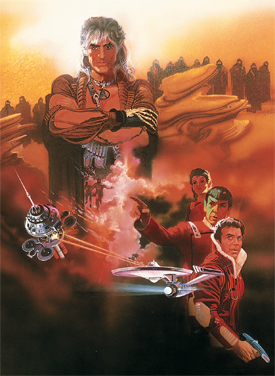 Mortally wounded, the antagonist, Khan, activates a “rebirth” weapon called Genesis, which will reorganize all matter in the nebula, including Enterprise. Though Kirk’s crew detects the activation and attempts to move out of range, they will not be able to escape the nebula in time without the ship’s inoperable warp drive. Spock goes to restore warp power in the engine room, which is flooded with radiation. When McCoy tries to prevent Spock’s entry, Spock incapacitates him with a
  Maybe that moment in time that we long for didn’t shine with the golden glow that the mirror of memory now gives it. Nevertheless, we hope to feel that innocent happiness that we will never experience again.
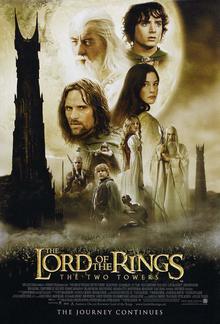 In the scene at the Prancing Pony, Aragorn is quoting a poem that is later revealed to reference him as the Heir of Isildur. He is the prophesied king who will once again wield the Blade that was Broken. These are wise words from a poem-within-the-story, a signature literary device Tolkien used regularly.
 As I create my mentors, I hope to convey a sense that they have history without beating the reader over the head with it. I want to evoke a feeling of rightness, that this person knows things we don’t, that this person has knowledge our protagonist must gain.
 Narrative essays are drawn directly from real life, but they aren’t necessarily factual or accurate representations of events. They often detail a fictionalized experience or event that affected the author on a personal level.
 Choose your words for impact! Writing with intentional prose is critical. A good essay has been put into an entertaining form that expresses far more than mere opinion. Narrative essays sometimes present deep, uncomfortable concepts but offer them in a way that the reader feels connected to the story.
 And on that note, we must be realistic. Not everything you write will resonate with everyone you submit it to. Put two people in a room, hand them the most exciting thing you’ve ever read, and you’ll get two different opinions. They probably won’t agree with you.
 Editors at magazines, contests, and publishing houses have no time to deal with poorly formatted manuscripts. Their inboxes are full of properly formatted work, so they will reject the amateurs without further consideration.
 First, we must select the font. Every word-processing program has many fancy fonts you can choose from and a variety of sizes.
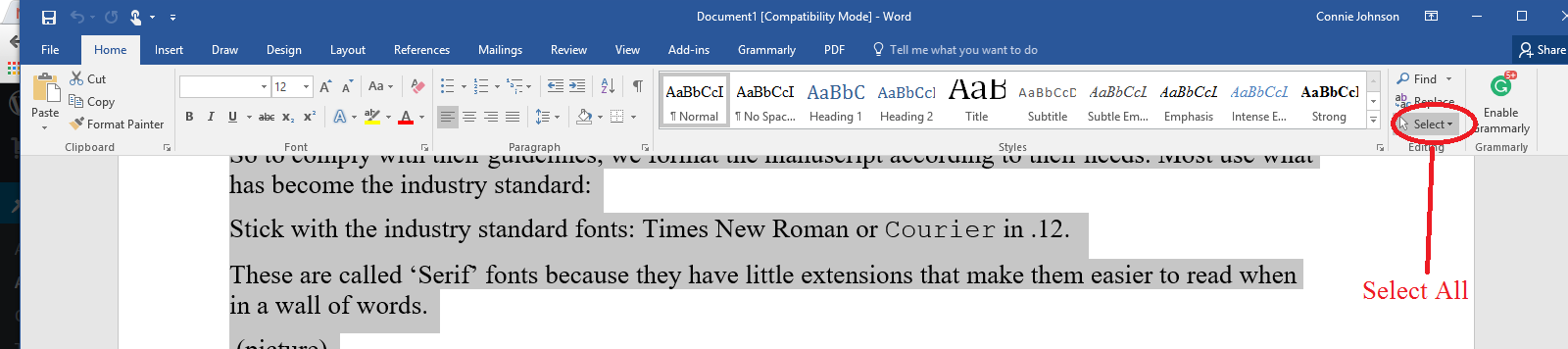 Step 1: On the Home tab, look in the group labeled ‘Paragraph.’ On the lower right-hand side of that group is a small grey square. Click on it. A pop-out menu will appear, and this is where you format your paragraphs.
 Do not justify the text. In justified text, the spaces between words and letters (known as “tracking”) are stretched or compressed. Justified text gives you straight margins on both sides. However, this type of alignment only comes into play when a manuscript is published. At that point, the publisher will handle the formatting.
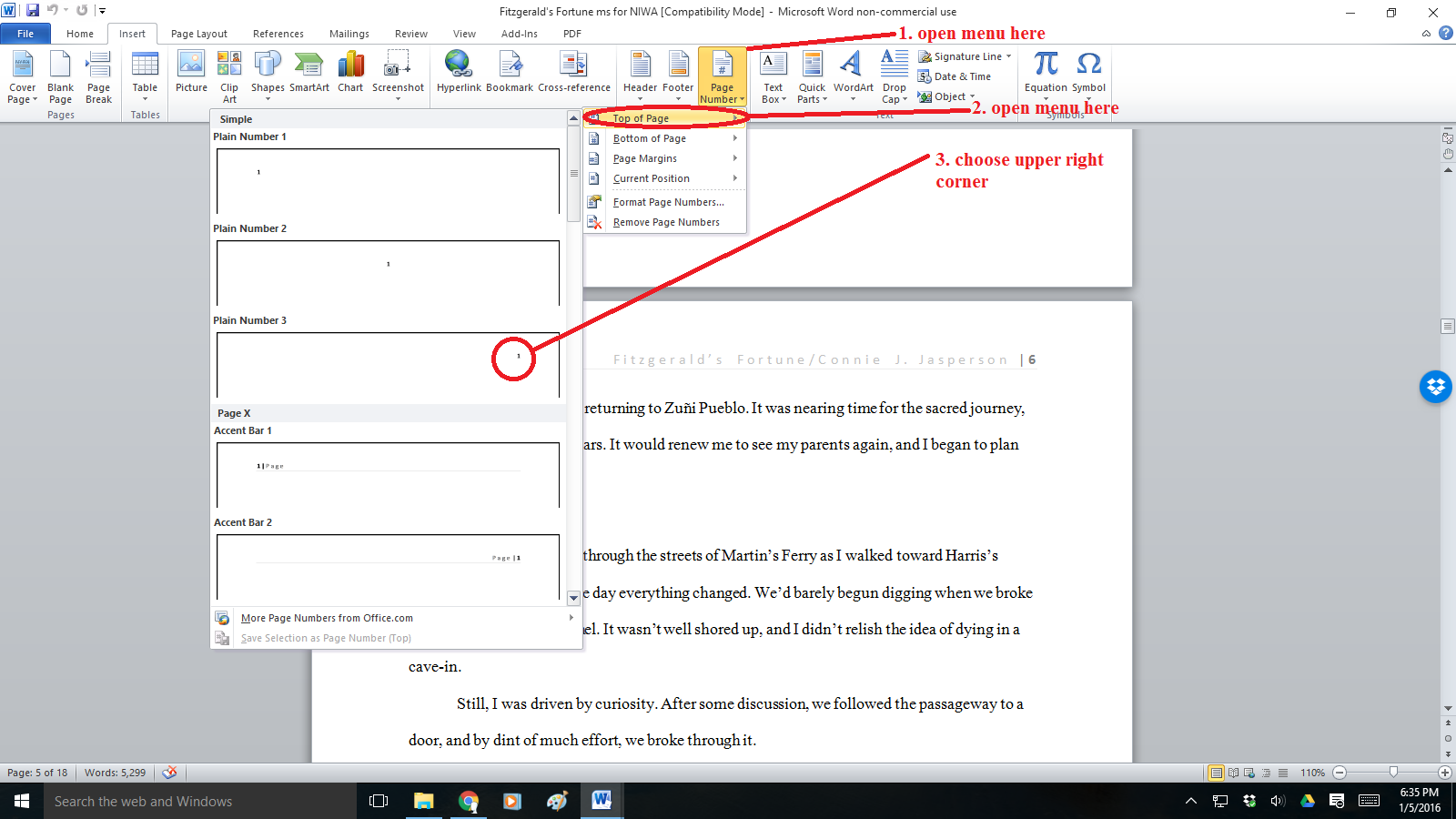 Now your manuscript is submission-ready. It is in Times New Roman or Courier .12 font, is aligned left, has1 in. margins, is double-spaced, has formatted indented paragraphs.
 This may seem like overkill to you. If you are serious about submitting your work to agents, editors, or publishers, it must be as professionally formatted as is possible.
 You are more likely to sell a drabble than a short story in today’s speculative fiction market. You are also more likely to sell a short story than a novel.
 does require plotting and rewriting the prose until the entire story is told in exactly 100 words. You should expect to spend an hour or so writing and then editing it to fit within the 100-word constraint.
 The above drabble is a 100-word romance and is an example I have used here before. It has a beginning (hook), a middle (the conflict), and a resolution. The opening shows our protagonist on the beach with someone for whom she cares deeply.
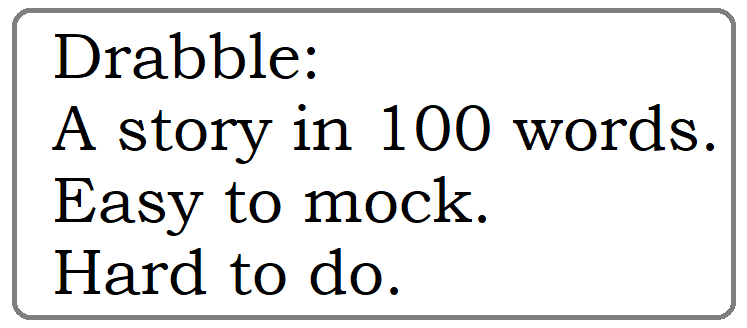 The act of writing random ideas and emotions down in drabble form rejuvenates your creativity, a mini-vacation from your other work. It rests your mind and clears things so you can return to your main project with all your attention.
 Ploughing in the Nivernais by Rosa Bonheur
 I prefer Blogger for ease of use, but I love the way WordPress looks when you get to the finished product stage. I do pay an annual fee to both WordPress and Blogger so that my readers aren’t subjected to random and sometimes obscene-looking advertisements.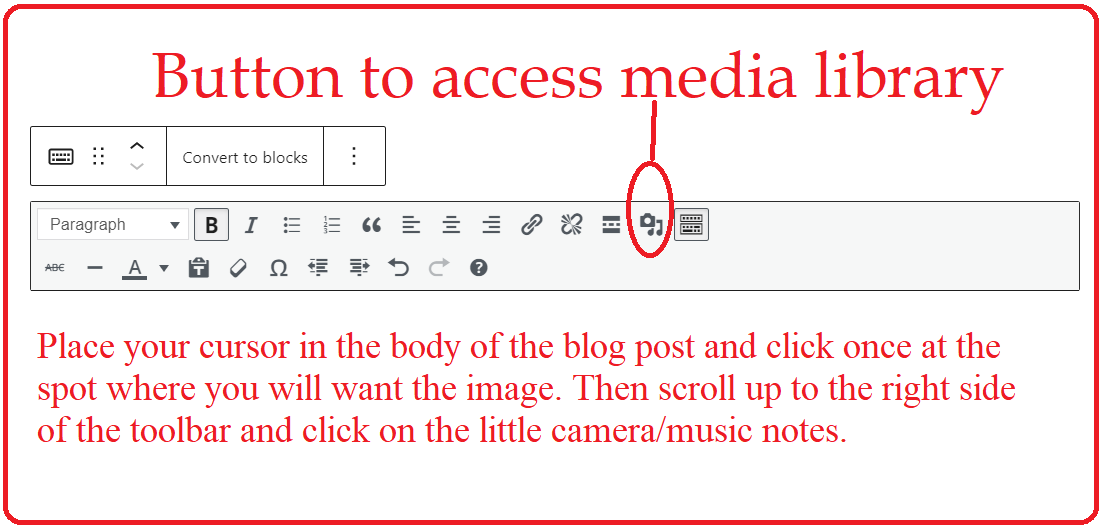
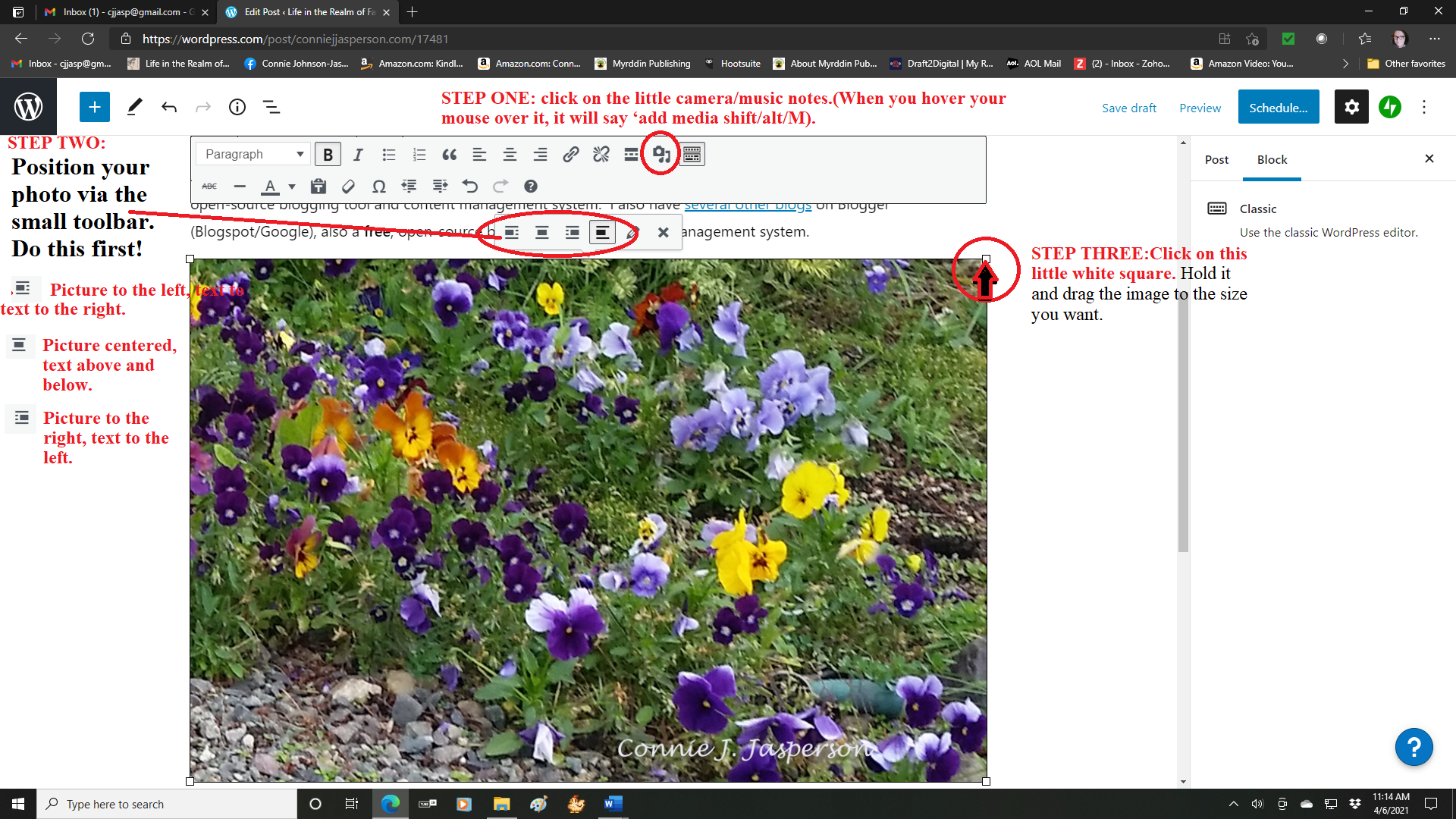
 So, now that we are clear as to our legal responsibility, what does the cash-strapped author do? I go to Wikimedia and use images that are in the public domain, and I also create my own graphics.
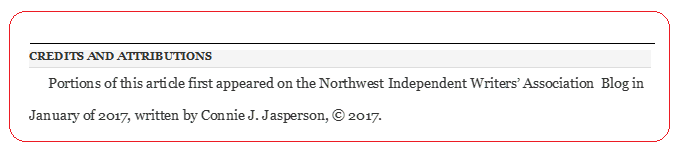 I keep a log of where my images are sourced, who created them, and what I used them in. One thing WordPress has either removed or hidden is the ability to insert the attribution into the image details so that when a mouse hovered over the image, curious readers could go to the source. But that doesn’t seem to be an option any more.
 All this information for your images and any quotes from other sources should be listed at the BOTTOM of your current document as you find it, so everything you need for your blog post is all in one place.


 Life in the Realm of Fantasy

