
One of my favorite quotes for writers comes from the Buddha. “There has to be evil so that good can prove its purity above it.”
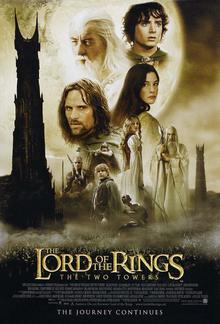
 J.R.R. Tolkien understood this quite clearly. The Lord of the Rings trilogy is a significant reading commitment, one fewer and fewer readers are willing to undertake. It was written in a highly literate style that everyone understood a century ago.
Lengthwise, the saga isn’t as long as people make it out to be when compared to Robert Jordan‘s or Tad Williams’ epic (and highly literate) fantasy series. The LOTR series totals only 455,175 words over the course of all three books.
Tolkien shows the peace and prosperity that Frodo enjoys and then forces him down a road not of his choosing. He takes the hobbit through personal changes, forces him to question everything.
Frodo’s story is about good and evil, war and peace, and the hardships endured in the effort to destroy the One Ring and negate the power of Sauron. Why would ordinary middle-class people, comfortable in their rut, go to so much trouble if Sauron’s evil posed no threat to their peace and prosperity?
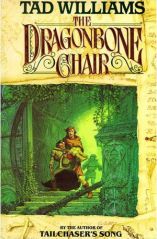 Tad Williams’s masterpiece, the Dragon Bone Chair, is the first book in the fantasy series Memory, Sorrow, and Thorn. These are the first three books in the epic Osten Ard series. I read this book when it first went to paperback and had to re-read it again immediately upon finishing it. This book (and indeed the whole series) had a profound impact on me, and also my children when they became older teens.
In both the Lord of the Rings trilogy and Tad Williams’ Osten Ard books, we have two of the most enduring works of modern fantasy fiction. Both feature an epic central quest and smaller side quests, all of which must be completed for the protagonists to arrive at the final resolution.
Through it all, we have joy and contentment sharply contrasted with deprivation and loss, drawing us in and inspiring the deepest emotions.
This use of contrast is fundamental to the fables and sagas humans have been telling since before discovering fire. Contrast is why Tolkien’s saga set in Middle Earth is the foundation upon which modern epic fantasy is built.
It’s also why Tad Williams’ work in The Dragonbone Chair, first published in 1988, changed the way people saw the genre of epic fantasy, turning it into hard fantasy. His work has inspired a generation of fantasy writers: George R.R. Martin and Patrick Rothfuss, to name just two of the more famous.
In all his works, whether it’s the paranormal Bobby Dollar series or his epic Osten Ard series, Tad Williams’ novels come to life because he juxtaposes emotions in his characters and builds contrasts into every setting in his worlds. Ease and beauty are juxtaposed against harshness and deprivation.
 No matter where we live, San Francisco, Seattle, or Middle Earth, these fundamental human experiences are personal to every reader. We have each experienced pain and loss, joy and love.
When the author successfully uses the contrasts of our human experience to tell their story, the reader empathizes with the characters. They live the story as if they were the protagonist.
So, what do I mean by contrasts in world-building? It can be shown in subtle ways.
Contrasting plenty against poverty in your world-building shows the backstory without requiring an info dump.
First comes the sunshine, and then the storm, and then the aftermath. Feast is followed by famine, thirst followed by a flood. Love and loss, safety and danger, loyalty and betrayal—contrast gives the story texture, and pacing turns a wall of words into something worth reading.
In our real world, war, famine, and flood are followed by times of relative peace and plenty. The emotions and experiences of people living through all those times are the real stories.
This is not just played out in fantasy novels; it’s our human history and our future.
I say this regularly, but I must repeat it: education about the craft of writing has many facets. We learn the architecture of story by reading novels and short stories written by the masters, both famous and infamous.
We shouldn’t limit our reading to the old favorites that started us on this writing path. You may not love the novels on the NY Times literary fiction bestseller list but it’s a good idea to read one or two of them every now and then as a means of educating yourself.
What you don’t like is as important as what you enjoy. Why would a book that you dislike be so successful? No matter how much money a publisher throws at them, some books are stinkers.
It’s alright to admit you disliked a book that Oprah or Reese Witherspoon recommends.
I despised House of Sand and Fog from page one but read it to the end. It begins in a bad place, and continues downhill, an unrelentingly depressing novel that left me with a bad taste in my mouth. Ugliness followed by more ugliness doesn’t make the ugliness beautiful.
 Plot, in my opinion, is driven by the highs and lows. You don’t need to pay for books you won’t like. Go to the library or to the secondhand bookstore and see what they have from the NYT bestseller list that you would be willing to examine.
Give that book a postmortem. Why does—or doesn’t—it resonate with you?
- Did the book have a distinct plot arc?
- Did it have a strong opening that hooked you?
- Was there originality in the way the characters and situations were presented?
- Did you like the protagonist and other main characters? Why or why not?
- Were you able to suspend your disbelief?
- Did the narrative contain enough contrasts to keep things interesting?
- By the end of the book, did the characters grow and change within their personal arc? How were they changed?
- What sort of transitions did the author employ that made you want to turn the page? How can you use that kind of transition in your own work?
- Did you get a satisfying ending? If not, how could it have been made better?
Reading and dissecting the works of successful authors is a necessary component of any education in the craft of writing.
Answering these questions will make you think about your own work. You will put more thought into how you deploy the contrasting events that change the lives of your characters.
 The human body moves in many ways when fighting, some of which are effective, and others not so much. In the 1990s, I studied
 Scenes that involve violence are difficult to write well unless you know how the action will affect your protagonist. Also, you must remember to give the protagonist and the reader a small break between incidents for regrouping.
 Most writers are hobbyists. This is because if one intends to be a full-time writer, one must have an income.
 Events occur, disturbing my writing schedule, but I usually forgive the perpetrators and allow them to live. At that point, I revert to writing whenever I have a free moment.
 As I have said many times before, being a writer is to be supremely selfish about every aspect of life, including family time.
 Writing emotions with depth is a balancing act. This is where I write from real life. I think about the physical cues I see when my friends and family feel emotion. When someone is happy, what do you see? Bright eyes, laughter, and smiles.
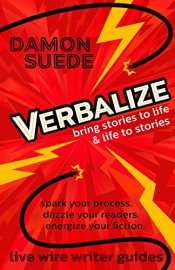 Also, I’m a book junkie—I can’t pass up buying any book on the craft of writing. I bought two books on writing craft by
  Each of us experiences emotional highs and lows in our daily lives. We have deep-rooted, personal reasons for our emotions, for whether we are attracted to or repulsed by another person. Sometimes those interactions can be highly charged.
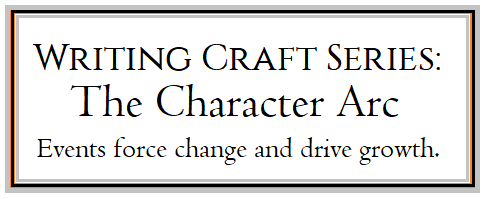 Each character should have an arc of growth and change as the story progresses. Heroes that arrive fully formed on page one are boring. For me, the characters are the story, and the events of the piece exist only to force growth upon them.
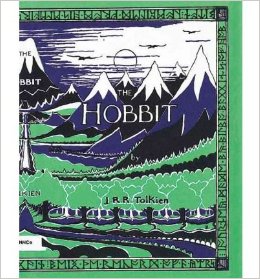 Bilbo resents both the intrusion and being made aware of how bored he is. Secretly, he fears going into the unknown and resists Gandalf’s insistence that he must go with the dwarves. However, at the last minute, Bilbo realizes that if he doesn’t go now, he will always wonder what would have happened if he had.
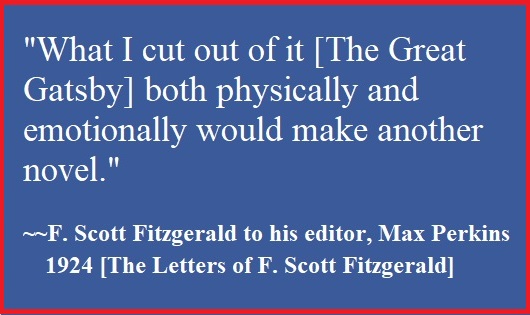
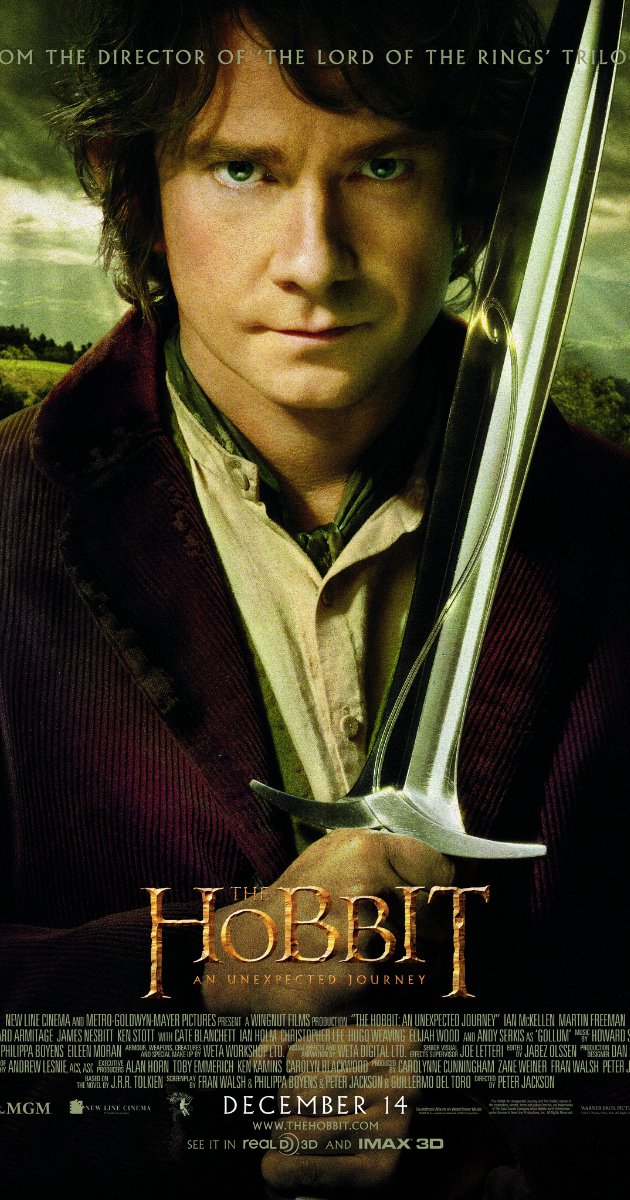 Over the next year, Bilbo experiences many things. Where once he was a little xenophobic and slightly disdainful of anything not of The Shire, he discovers that other cultures are as valuable as his, meeting people of different races whom he comes to love and trust. He experiences the loss of friends and gains compassion. By the time Bilbo returns to the Shire, he is a different person than he was when he ran out his front door without even a handkerchief.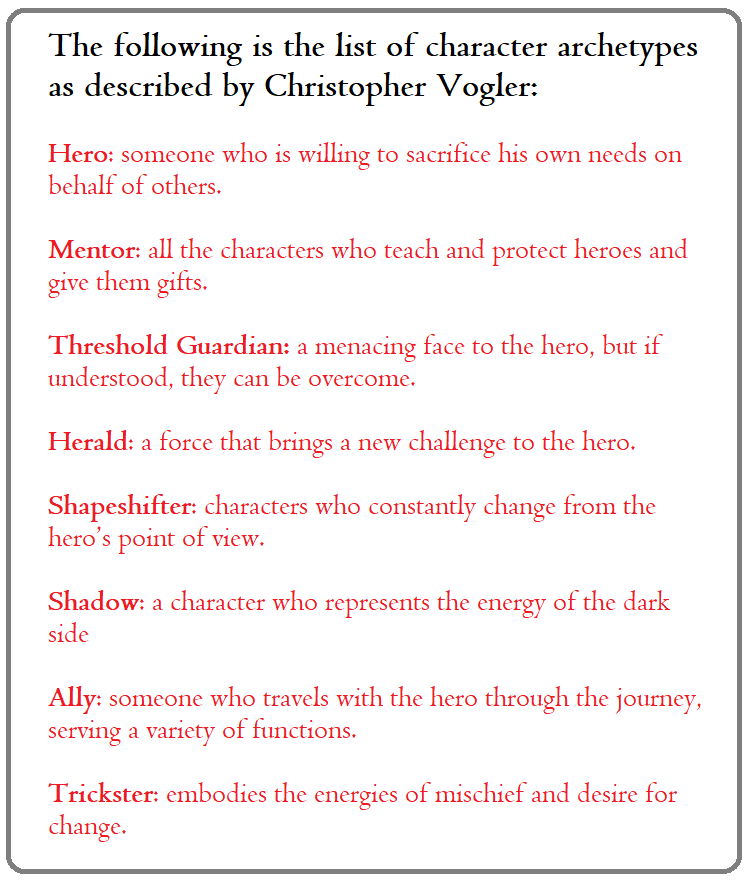
 The Writer’s Journey, Mythic Structure for Writers,
 One thing I do recommend is that you keep the number of allies limited. Too many named characters can lead to confusion in the reader.
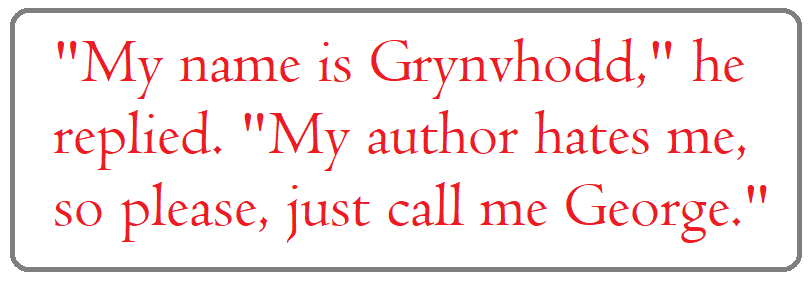 How easy is it to read, and how will that name be pronounced when it is read aloud?
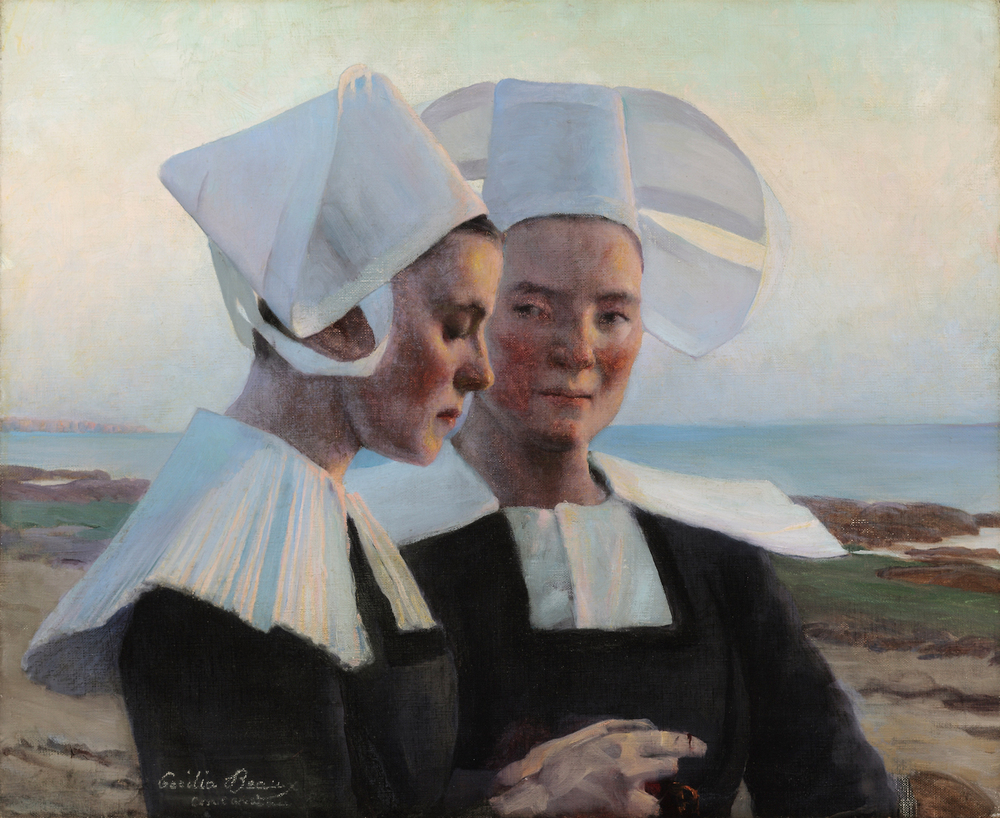 In real life, everyone has emotions and thoughts they conceal from others. Perhaps they are angry and afraid, or jealous, or any number of emotions we are embarrassed to acknowledge. Maybe they hope to gain something on a personal level—if so, what? Small hints revealing those unspoken motives are crucial to raising the tension in the narrative.
 Dialogue gives shape to the story, turning what could be a wall of words into something personal. We meet and get to know our protagonists and the people they will travel with through the conversations they engage in.
 Obi-Wan is a complex mentor, arriving on the screen with a past. He has lived and lost and made choices he wished he hadn’t. When he faces Darth Vader in his final showdown, you get the feeling that the old man planned his exit perfectly.
 For this reason, every sacrifice our characters make must have meaning and must advance the plot, or you have wasted the reader’s precious time.
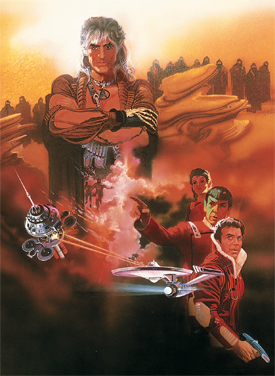 Mortally wounded, the antagonist, Khan, activates a “rebirth” weapon called Genesis, which will reorganize all matter in the nebula, including Enterprise. Though Kirk’s crew detects the activation and attempts to move out of range, they will not be able to escape the nebula in time without the ship’s inoperable warp drive. Spock goes to restore warp power in the engine room, which is flooded with radiation. When McCoy tries to prevent Spock’s entry, Spock incapacitates him with a
  Maybe that moment in time that we long for didn’t shine with the golden glow that the mirror of memory now gives it. Nevertheless, we hope to feel that innocent happiness that we will never experience again.
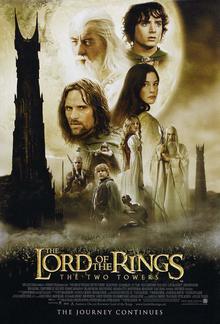 In the scene at the Prancing Pony, Aragorn is quoting a poem that is later revealed to reference him as the Heir of Isildur. He is the prophesied king who will once again wield the Blade that was Broken. These are wise words from a poem-within-the-story, a signature literary device Tolkien used regularly.
 As I create my mentors, I hope to convey a sense that they have history without beating the reader over the head with it. I want to evoke a feeling of rightness, that this person knows things we don’t, that this person has knowledge our protagonist must gain.
 Narrative essays are drawn directly from real life, but they aren’t necessarily factual or accurate representations of events. They often detail a fictionalized experience or event that affected the author on a personal level.
 Choose your words for impact! Writing with intentional prose is critical. A good essay has been put into an entertaining form that expresses far more than mere opinion. Narrative essays sometimes present deep, uncomfortable concepts but offer them in a way that the reader feels connected to the story.
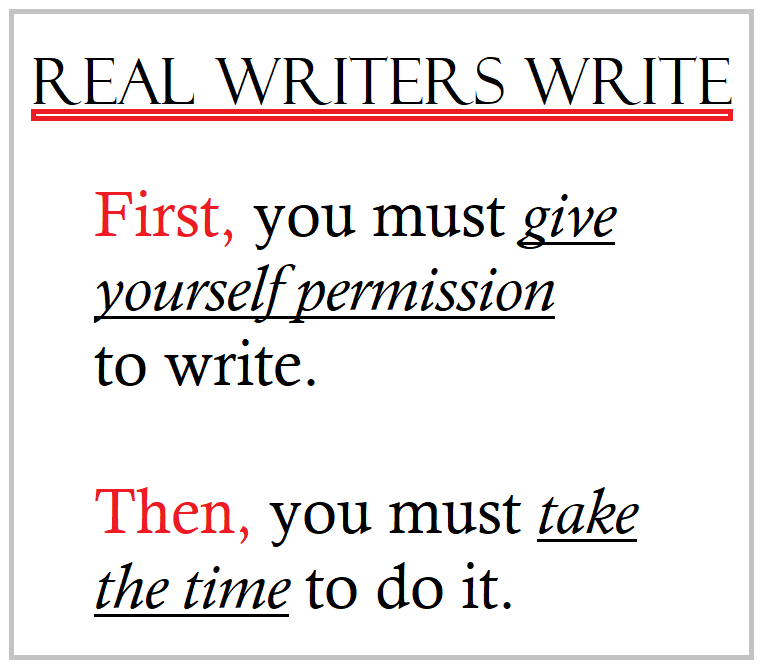 And on that note, we must be realistic. Not everything you write will resonate with everyone you submit it to. Put two people in a room, hand them the most exciting thing you’ve ever read, and you’ll get two different opinions. They probably won’t agree with you.
 Editors at magazines, contests, and publishing houses have no time to deal with poorly formatted manuscripts. Their inboxes are full of properly formatted work, so they will reject the amateurs without further consideration.
 First, we must select the font. Every word-processing program has many fancy fonts you can choose from and a variety of sizes.
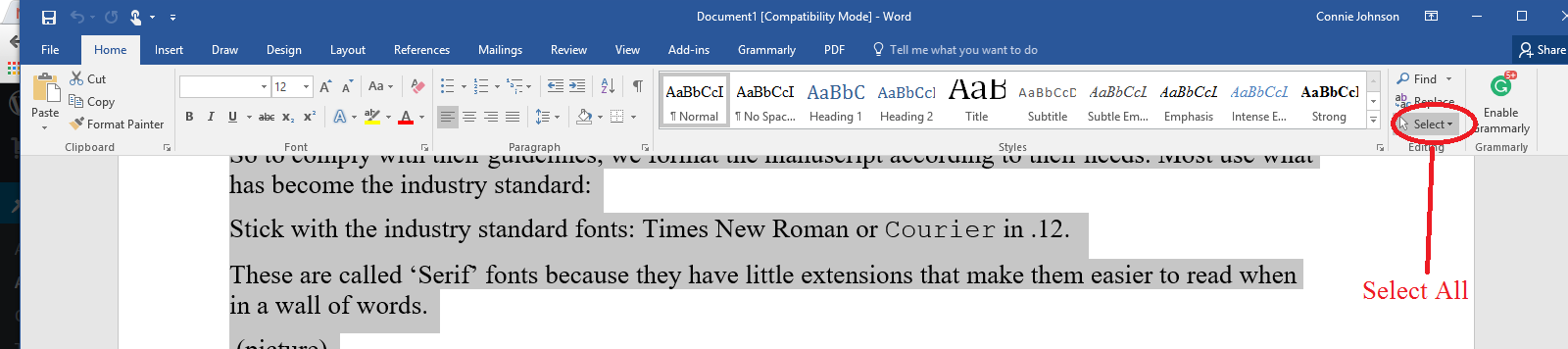 Step 1: On the Home tab, look in the group labeled ‘Paragraph.’ On the lower right-hand side of that group is a small grey square. Click on it. A pop-out menu will appear, and this is where you format your paragraphs.
 Do not justify the text. In justified text, the spaces between words and letters (known as “tracking”) are stretched or compressed. Justified text gives you straight margins on both sides. However, this type of alignment only comes into play when a manuscript is published. At that point, the publisher will handle the formatting.
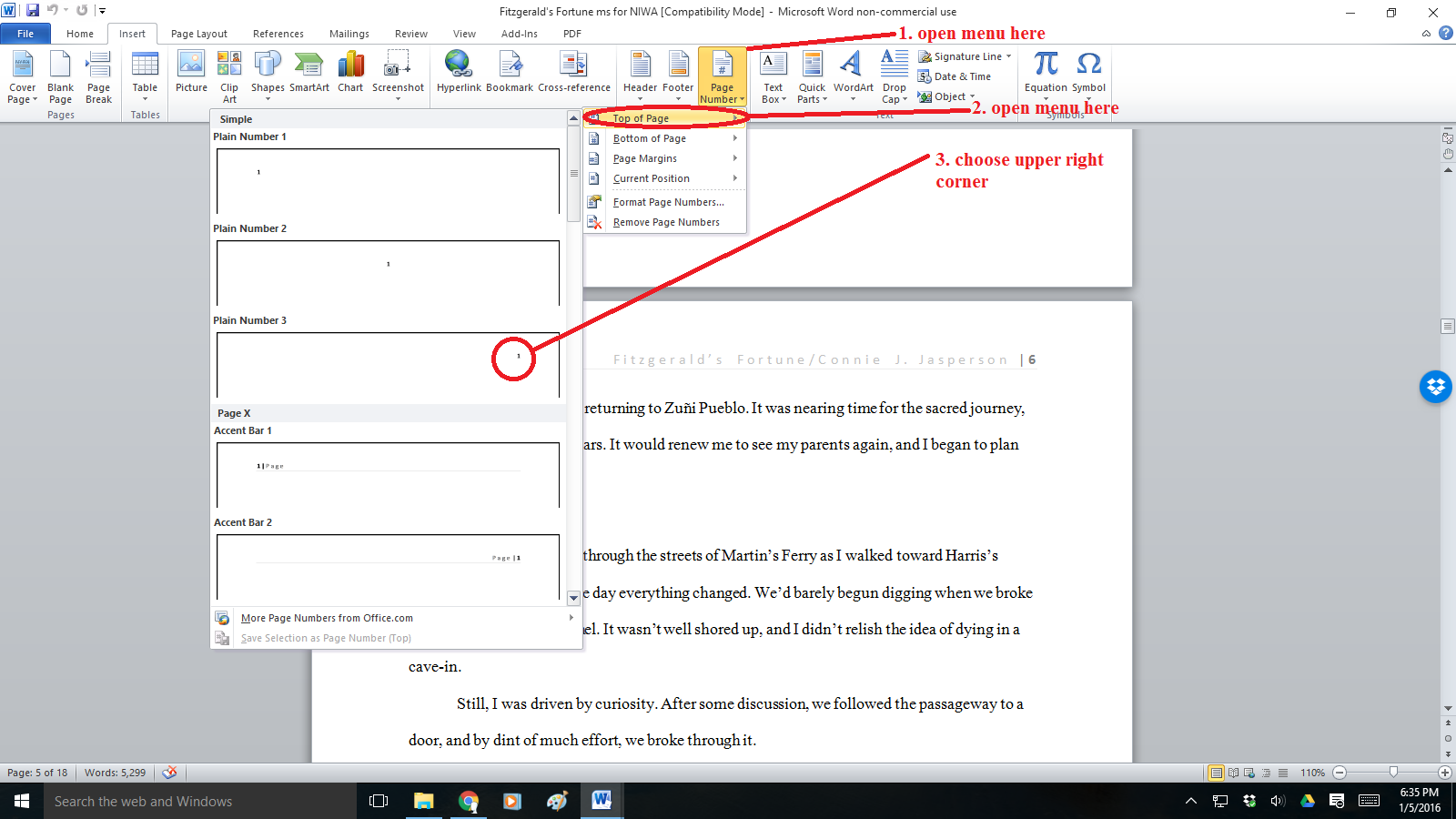 Now your manuscript is submission-ready. It is in Times New Roman or Courier .12 font, is aligned left, has1 in. margins, is double-spaced, has formatted indented paragraphs.
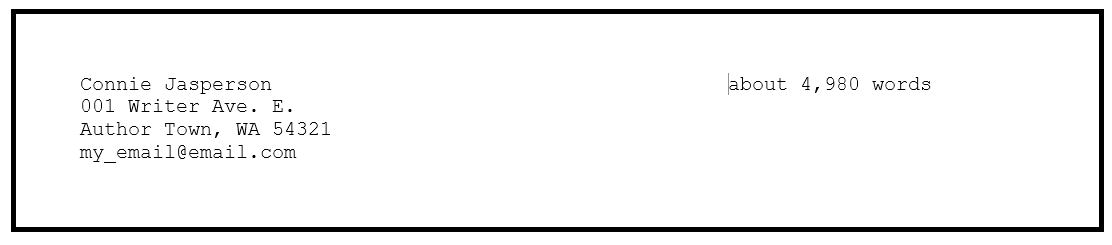 This may seem like overkill to you. If you are serious about submitting your work to agents, editors, or publishers, it must be as professionally formatted as is possible.


 Life in the Realm of Fantasy