
We’ve discussed the many different aspects of our characters and the roles they have within the story. Some will be the hero, others a sidekick, and still others will be the villain.
 Each character should have an arc of growth and change as the story progresses. Heroes that arrive fully formed on page one are boring. For me, the characters are the story, and the events of the piece exist only to force growth upon them.
How people are changed by their experiences is what makes the story compelling.
Many times, the protagonist begins in a place of comfort. They’re a little naïve about the rougher aspects of life. Consider Bilbo Baggins, Tolkien’s protagonist in The Hobbit.
Bilbo begins in a middle-class place of comfort. He lives in his family’s home, a comfortable, well-kept place. Bilbo has inherited a private income and has no need to work, so he devotes his time to writing and entertaining his close friends. He’s a little bored with his existence, but he’s a sensible hobbit and refuses to admit to it.
This is our hero in his comfort zone. He’s not unhappy and could have lived to the end of his days going along as he was. But he would never have developed any further as a person. He was stagnating and didn’t know it.
One sunny day, he’s just enjoying himself when along comes “the inciting incident”—Gandalf, a character who plays multiple roles within the Lord of the Rings story arc. In his first guise, Gandalf has the archetypal role of Herald. He is the bringer of change and unwanted dinner guests.
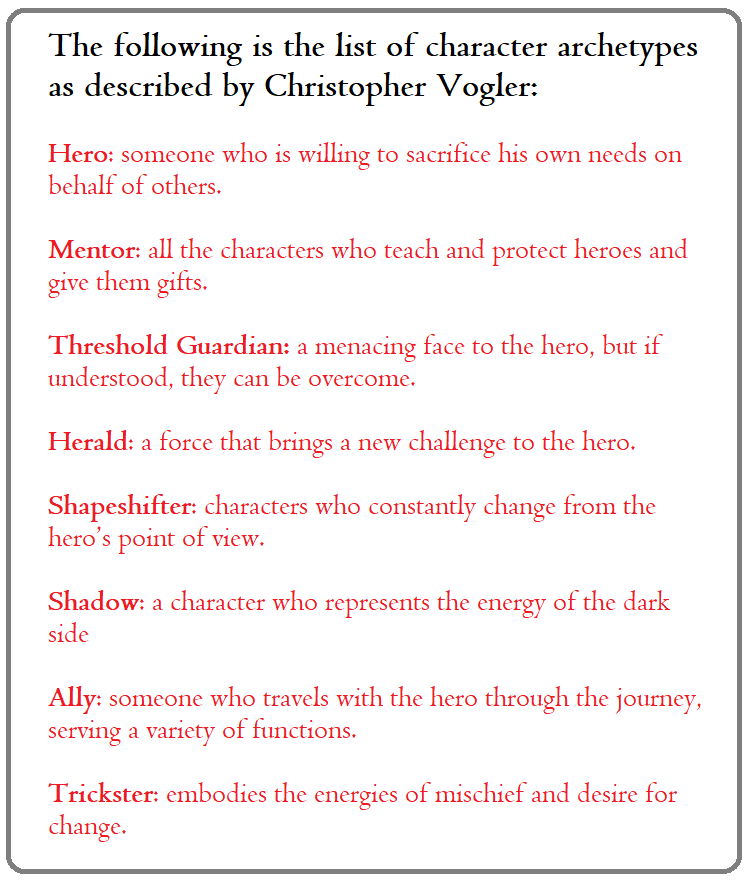
(The list of archetypes is shown in a picture at the bottom of this page—feel free to right-click and save it for your own files.)
 Bilbo resents both the intrusion and being made aware of how bored he is. Secretly, he fears going into the unknown and resists Gandalf’s insistence that he must go with the dwarves. However, at the last minute, Bilbo realizes that if he doesn’t go now, he will always wonder what would have happened if he had.
Bilbo’s sudden irrational decision to accept the task of Burglar sets him on a path that becomes a personal pilgrimage, a search for the courage he always possessed but had never needed.
Fear of stagnation has overcome Bilbo’s fear of the unknown.
This begins the journey and events that shape Bilbo’s character arc. By the end of the novel, he has recognized and embraced the romantic, fanciful, and adventurous aspects of his nature. In the process, he discovers that he is competent and capable of bravery, winning respect by applying his wits and common sense to every problem.
People undertake pilgrimages for many reasons, often in search of moral or spiritual wisdom. Sometimes they will go to a location that has significance to their beliefs and faith. Other times, it will be an inner, symbolic journey, a delving into their own principles and values. One is always changed by the journey.
Events in themselves don’t change us. We are changed by what we learn as human beings, by experiencing how incidents and occurrences affect our emotions and challenge our values. Everyone perceives things in a unique way and is affected differently from their companions.
Each person grows and develops in a way that is distinctively them. Some people become hardened, world-weary. Others become more compassionate, forgiving.
 Over the next year, Bilbo experiences many things. Where once he was a little xenophobic and slightly disdainful of anything not of The Shire, he discovers that other cultures are as valuable as his, meeting people of different races whom he comes to love and trust. He experiences the loss of friends and gains compassion. By the time Bilbo returns to the Shire, he is a different person than he was when he ran out his front door without even a handkerchief.
A character arc should encompass several stages of personal growth. What those stages are is up to you and depend on the story you are telling.
In one of my current works in progress, my protagonist is a soldier of the Bull God’s world of Serende, an enemy sworn to conquer the goddess’s world of Neveyah. He has a religious conversion, and his story takes him on a journey that is both physical and spiritual.
Whether we write fantasy, literary fiction, comedy, sci-fi, or romance—our characters must be changed by their experiences. How they are changed is up to you, but stories and series where the protagonists are unaffected by what they have experienced fail to excite me.
The works that endure are those in which the events are the catalysts of personal growth for the reader as well as the protagonist.
Personal growth creates unforgettable characters. Great characters are why certain novels are considered classics despite having been written more than one or two centuries ago.
Wuthering Heights by Emily Bronte – Wikipedia
A Christmas Carol by Charles Dickens – Wikipedia
The Hobbit by J.R.R. Tolkien – Wikipedia
Credits and Attributions:
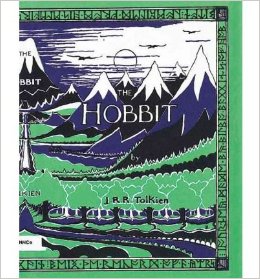
Dustcover of the first edition of The Hobbit, taken from a design by the author, J.R.R. Tolkien.
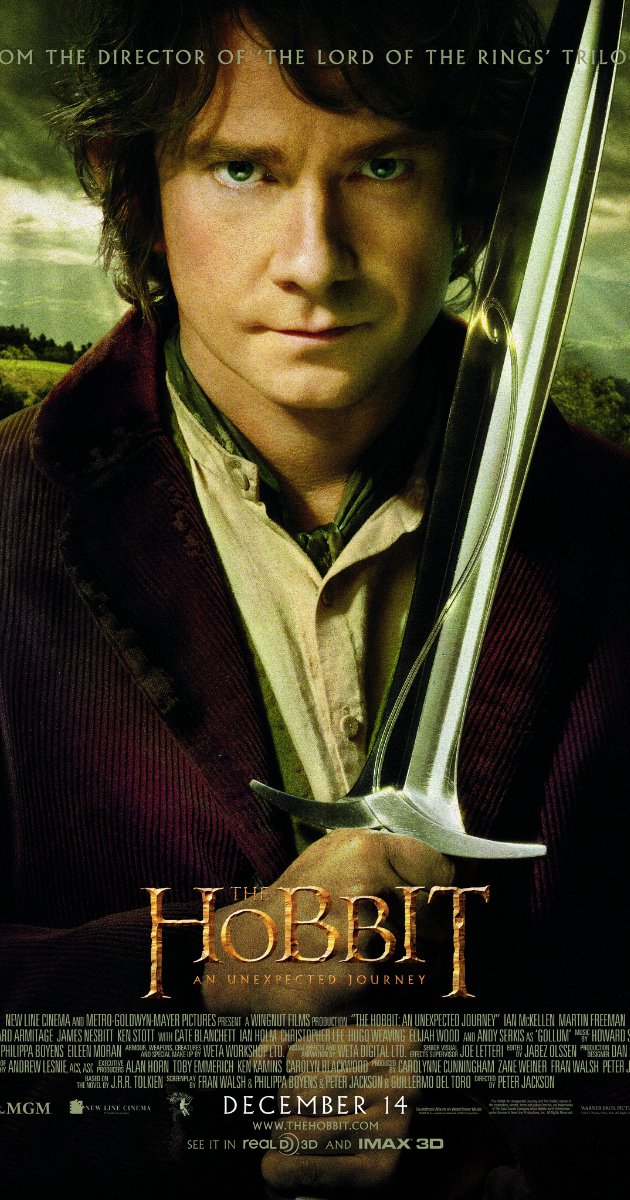
The Hobbit – An Unexpected Journey, Theatrical release poster © 2012 New Line Cinema, Metro-Goldwyn-Mayer, WingNut Films, Distributed by Warner Bros. Pictures, Fair Use.
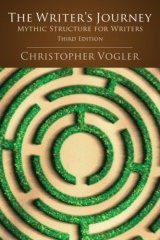 The Writer’s Journey, Mythic Structure for Writers,
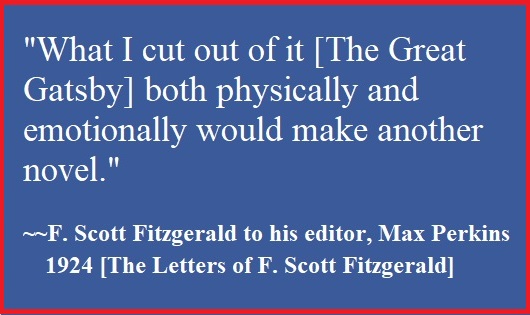 One thing I do recommend is that you keep the number of allies limited. Too many named characters can lead to confusion in the reader.
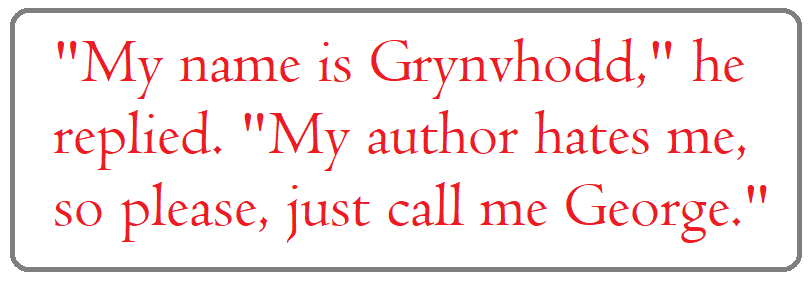 How easy is it to read, and how will that name be pronounced when it is read aloud?
 In real life, everyone has emotions and thoughts they conceal from others. Perhaps they are angry and afraid, or jealous, or any number of emotions we are embarrassed to acknowledge. Maybe they hope to gain something on a personal level—if so, what? Small hints revealing those unspoken motives are crucial to raising the tension in the narrative.
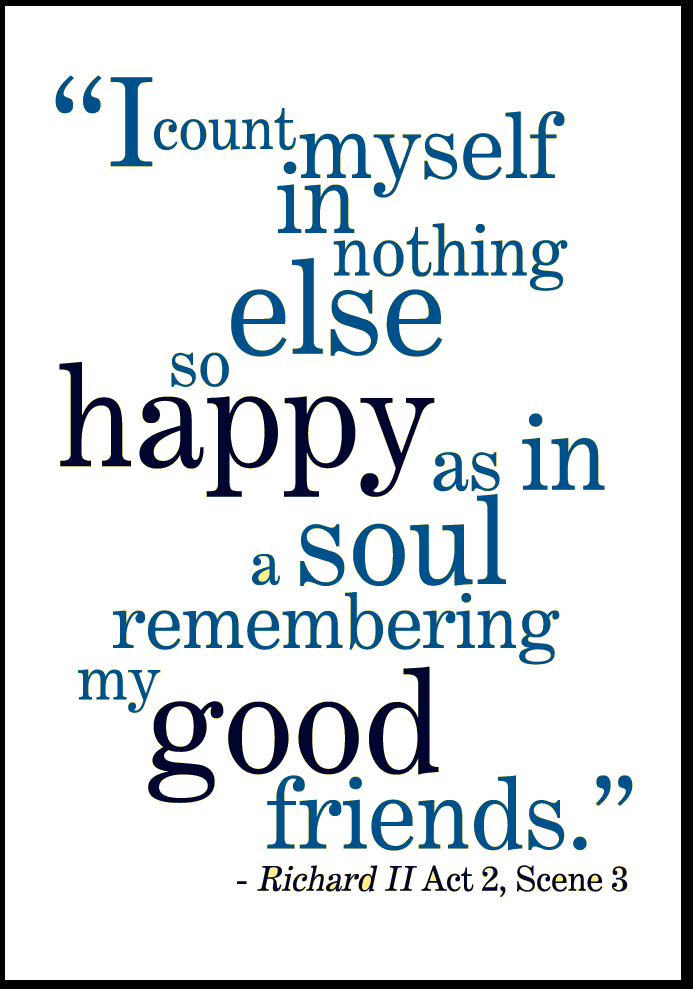 Dialogue gives shape to the story, turning what could be a wall of words into something personal. We meet and get to know our protagonists and the people they will travel with through the conversations they engage in.
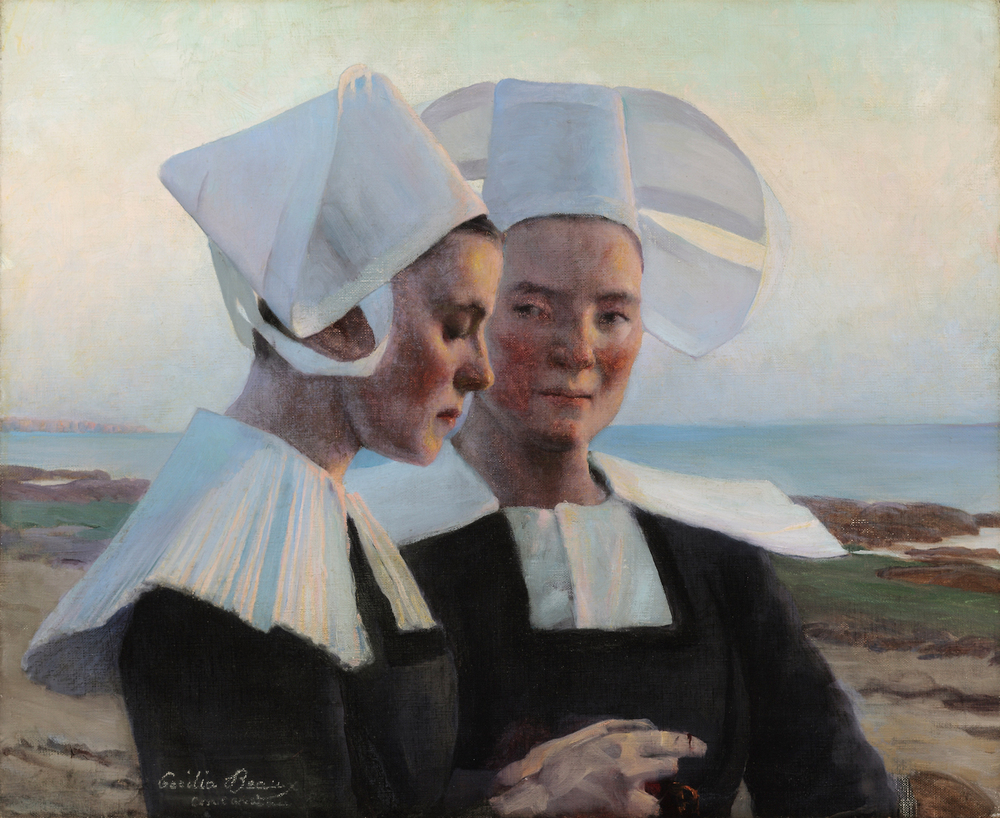
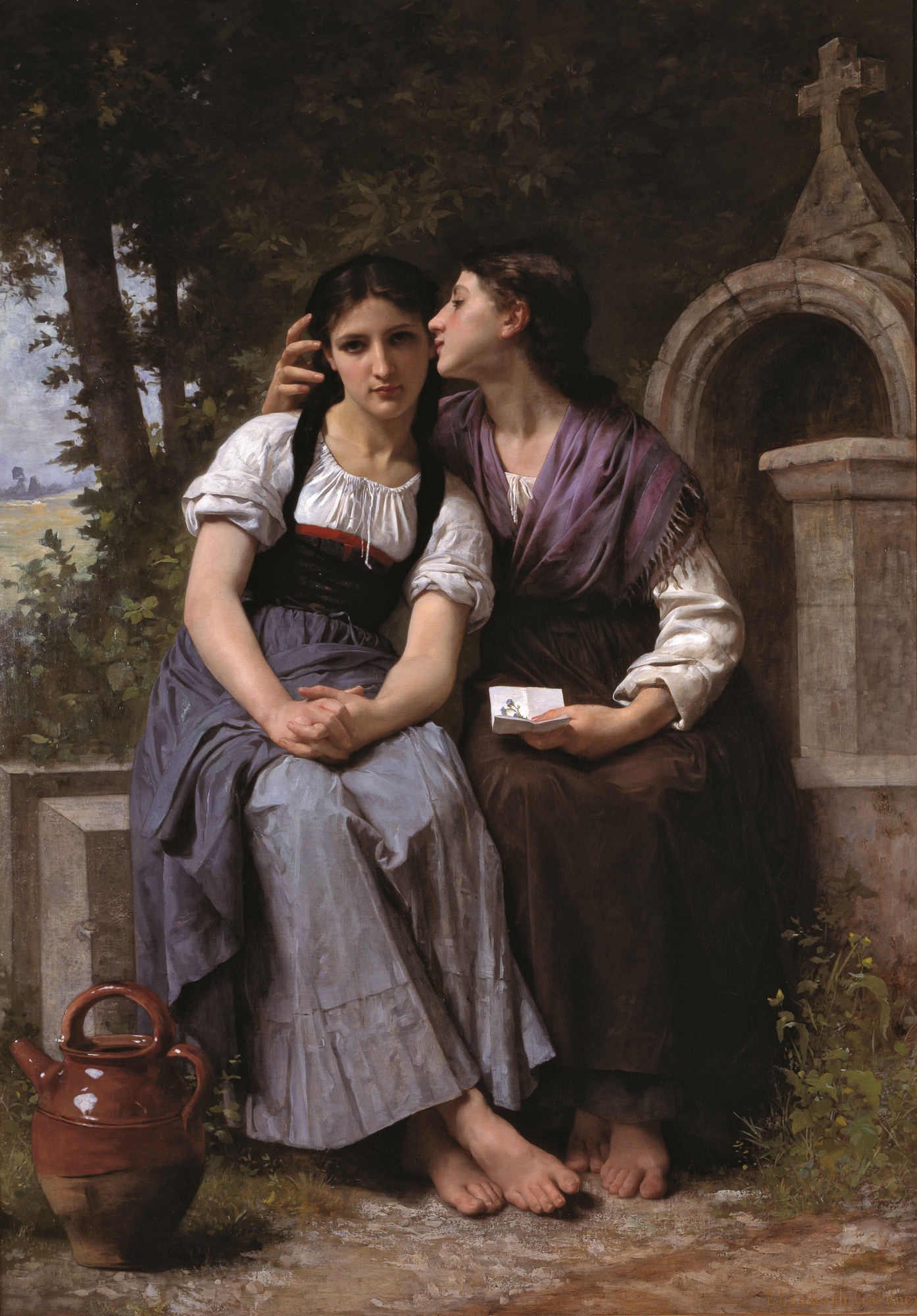 La Confidence by Elizabeth Jane Gardner (1837–1922) (Public Domain)
 Obi-Wan is a complex mentor, arriving on the screen with a past. He has lived and lost and made choices he wished he hadn’t. When he faces Darth Vader in his final showdown, you get the feeling that the old man planned his exit perfectly.
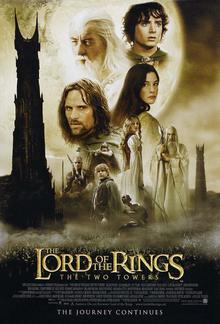 For this reason, every sacrifice our characters make must have meaning and must advance the plot, or you have wasted the reader’s precious time.
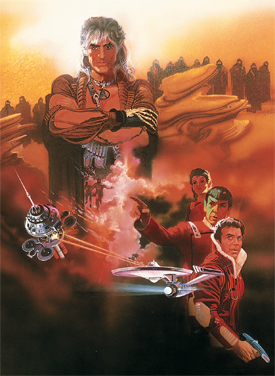 Mortally wounded, the antagonist, Khan, activates a “rebirth” weapon called Genesis, which will reorganize all matter in the nebula, including Enterprise. Though Kirk’s crew detects the activation and attempts to move out of range, they will not be able to escape the nebula in time without the ship’s inoperable warp drive. Spock goes to restore warp power in the engine room, which is flooded with radiation. When McCoy tries to prevent Spock’s entry, Spock incapacitates him with a
  Maybe that moment in time that we long for didn’t shine with the golden glow that the mirror of memory now gives it. Nevertheless, we hope to feel that innocent happiness that we will never experience again.
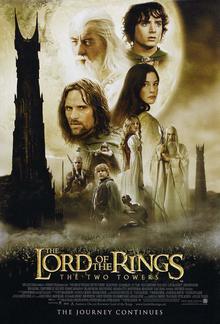 In the scene at the Prancing Pony, Aragorn is quoting a poem that is later revealed to reference him as the Heir of Isildur. He is the prophesied king who will once again wield the Blade that was Broken. These are wise words from a poem-within-the-story, a signature literary device Tolkien used regularly.
 As I create my mentors, I hope to convey a sense that they have history without beating the reader over the head with it. I want to evoke a feeling of rightness, that this person knows things we don’t, that this person has knowledge our protagonist must gain.
 Narrative essays are drawn directly from real life, but they aren’t necessarily factual or accurate representations of events. They often detail a fictionalized experience or event that affected the author on a personal level.
 Choose your words for impact! Writing with intentional prose is critical. A good essay has been put into an entertaining form that expresses far more than mere opinion. Narrative essays sometimes present deep, uncomfortable concepts but offer them in a way that the reader feels connected to the story.
 And on that note, we must be realistic. Not everything you write will resonate with everyone you submit it to. Put two people in a room, hand them the most exciting thing you’ve ever read, and you’ll get two different opinions. They probably won’t agree with you.
 Editors at magazines, contests, and publishing houses have no time to deal with poorly formatted manuscripts. Their inboxes are full of properly formatted work, so they will reject the amateurs without further consideration.
 First, we must select the font. Every word-processing program has many fancy fonts you can choose from and a variety of sizes.
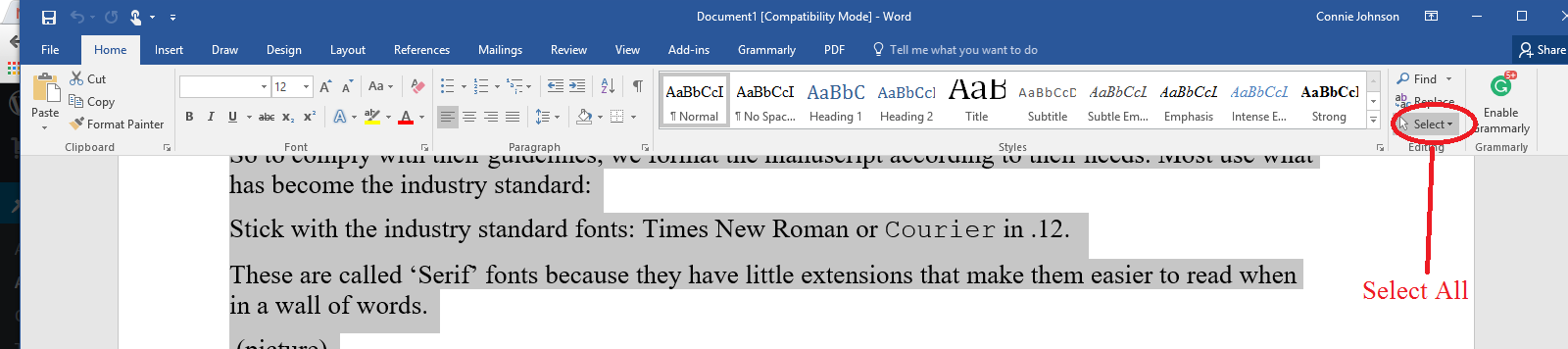 Step 1: On the Home tab, look in the group labeled ‘Paragraph.’ On the lower right-hand side of that group is a small grey square. Click on it. A pop-out menu will appear, and this is where you format your paragraphs.
 Do not justify the text. In justified text, the spaces between words and letters (known as “tracking”) are stretched or compressed. Justified text gives you straight margins on both sides. However, this type of alignment only comes into play when a manuscript is published. At that point, the publisher will handle the formatting.
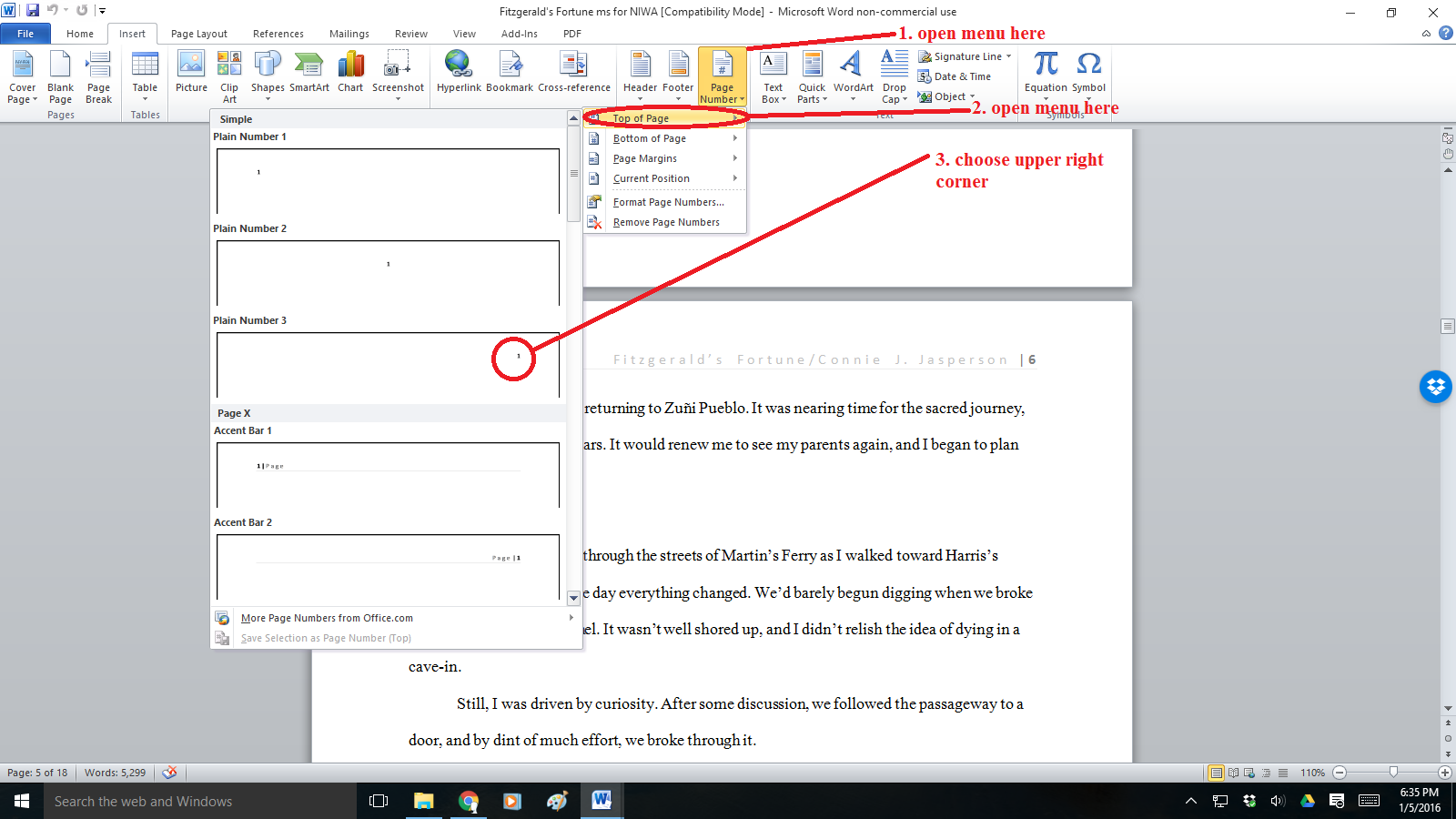 Now your manuscript is submission-ready. It is in Times New Roman or Courier .12 font, is aligned left, has1 in. margins, is double-spaced, has formatted indented paragraphs.
 This may seem like overkill to you. If you are serious about submitting your work to agents, editors, or publishers, it must be as professionally formatted as is possible.
 You are more likely to sell a drabble than a short story in today’s speculative fiction market. You are also more likely to sell a short story than a novel.
 does require plotting and rewriting the prose until the entire story is told in exactly 100 words. You should expect to spend an hour or so writing and then editing it to fit within the 100-word constraint.
 The above drabble is a 100-word romance and is an example I have used here before. It has a beginning (hook), a middle (the conflict), and a resolution. The opening shows our protagonist on the beach with someone for whom she cares deeply.
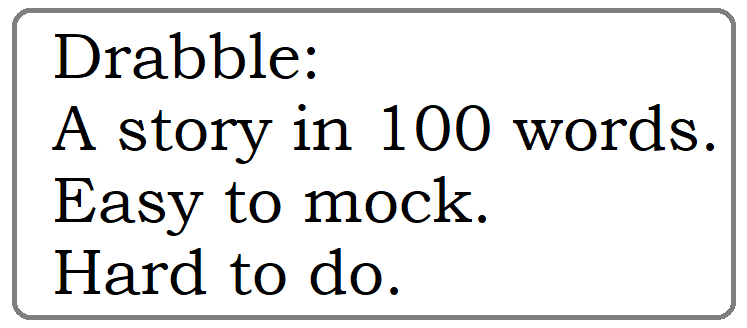 The act of writing random ideas and emotions down in drabble form rejuvenates your creativity, a mini-vacation from your other work. It rests your mind and clears things so you can return to your main project with all your attention.
 I prefer Blogger for ease of use, but I love the way WordPress looks when you get to the finished product stage. I do pay an annual fee to both WordPress and Blogger so that my readers aren’t subjected to random and sometimes obscene-looking advertisements.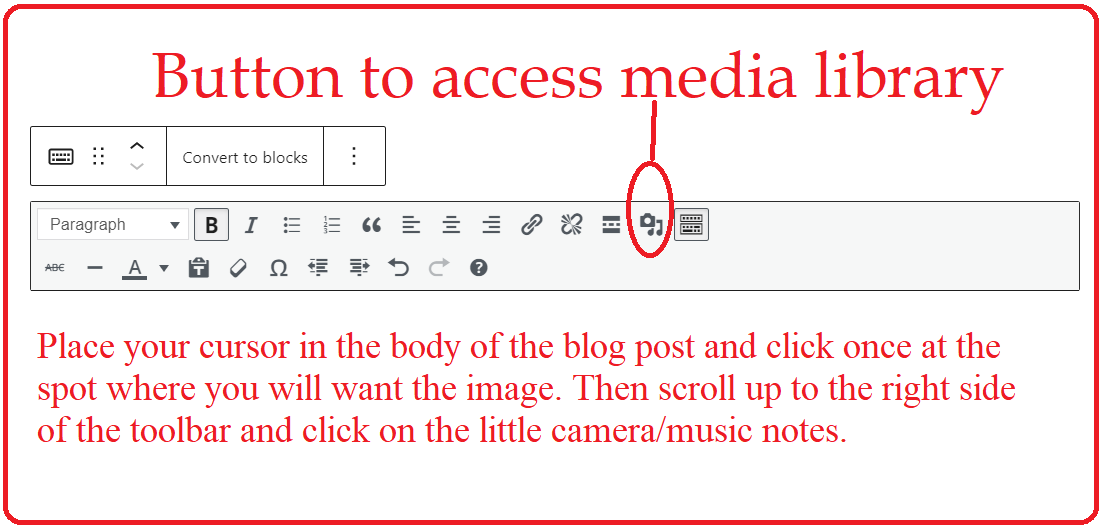
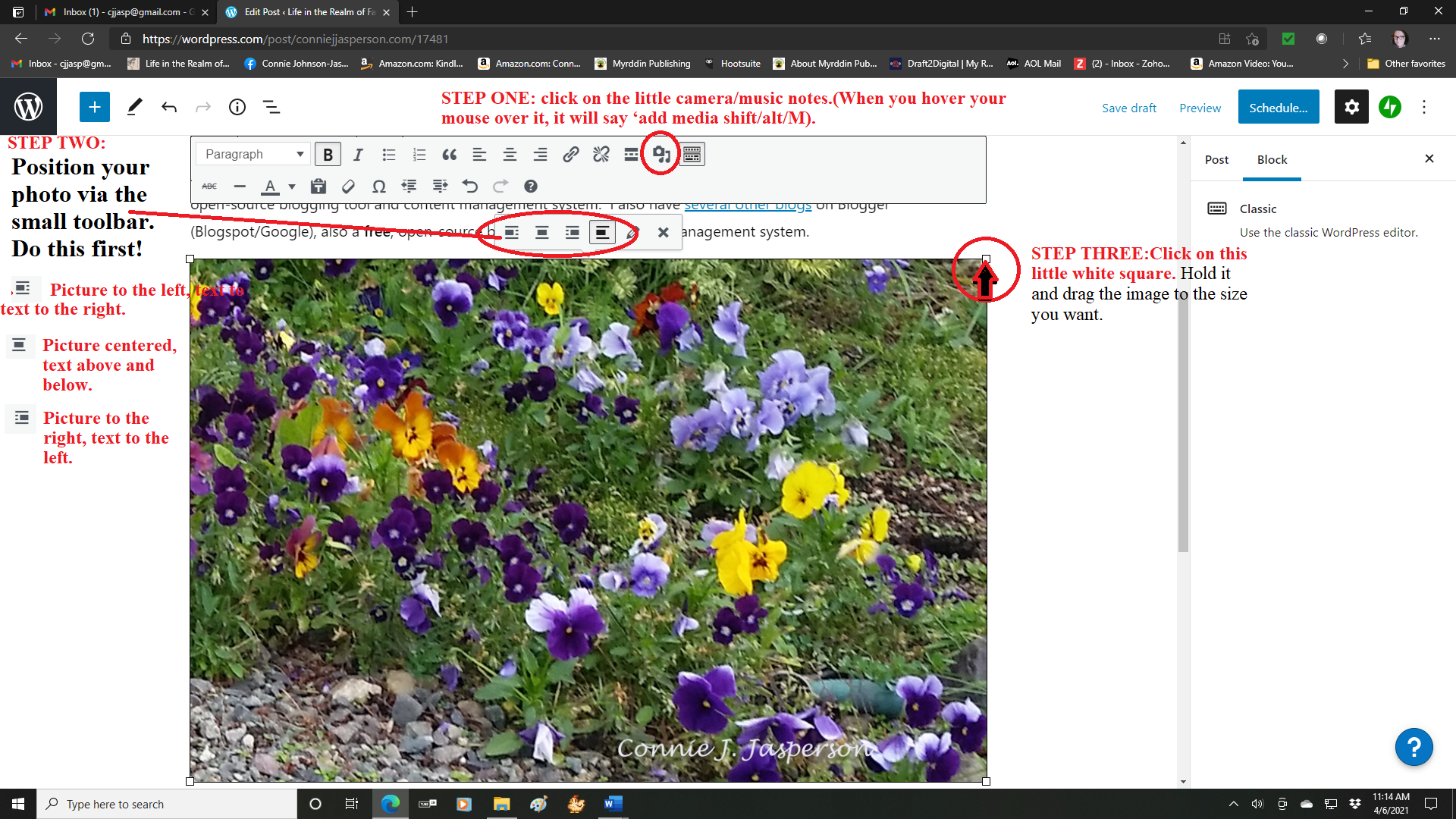
 So, now that we are clear as to our legal responsibility, what does the cash-strapped author do? I go to Wikimedia and use images that are in the public domain, and I also create my own graphics.
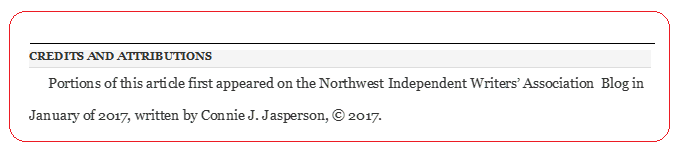 I keep a log of where my images are sourced, who created them, and what I used them in. One thing WordPress has either removed or hidden is the ability to insert the attribution into the image details so that when a mouse hovered over the image, curious readers could go to the source. But that doesn’t seem to be an option any more.
 All this information for your images and any quotes from other sources should be listed at the BOTTOM of your current document as you find it, so everything you need for your blog post is all in one place.
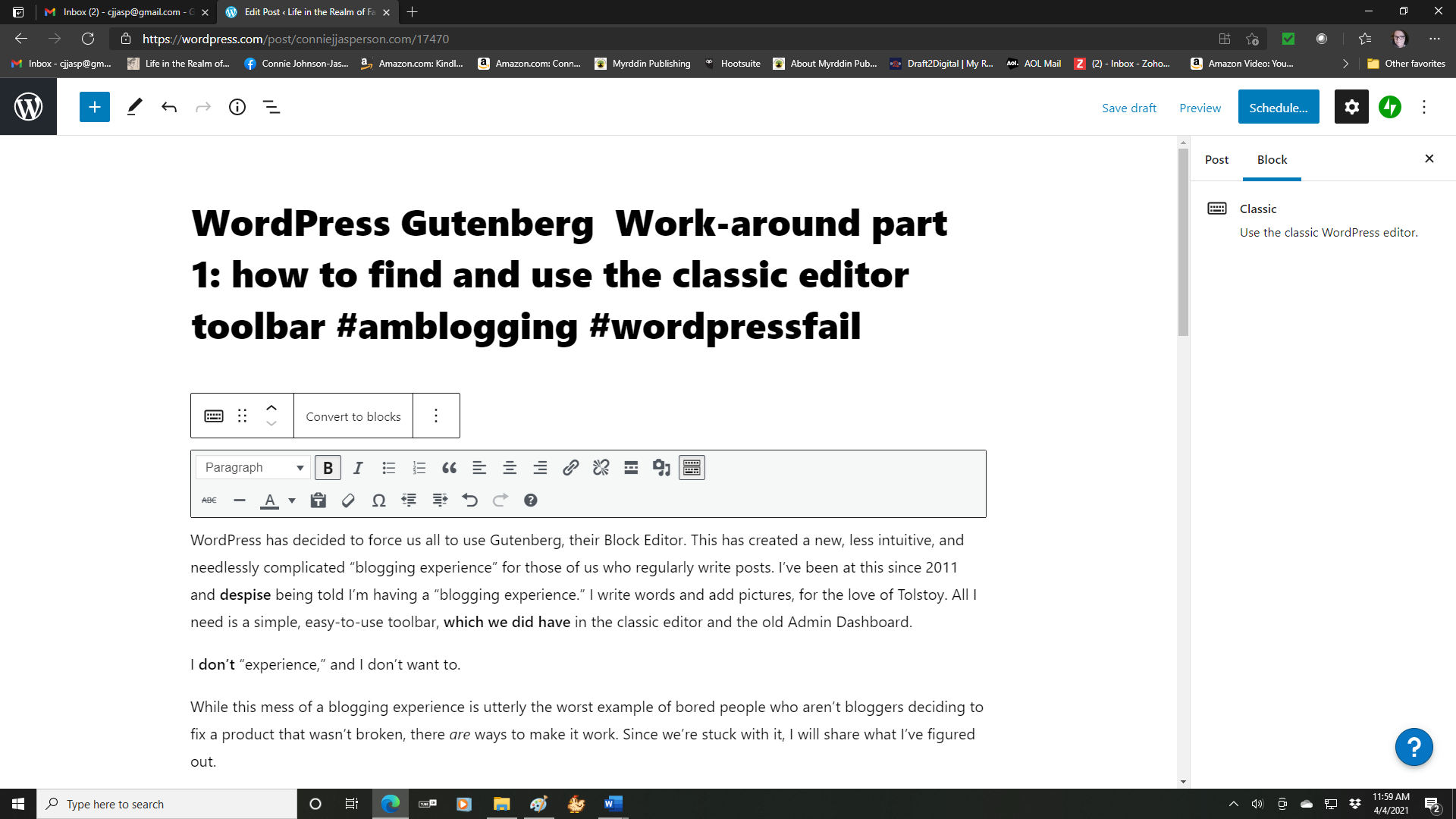
 While this mess of a blogging experience is utterly the worst example of bored people who aren’t bloggers deciding to fix a product that wasn’t broken, there are ways to make it work. Since we’re stuck with it, I will share what I’ve figured out.



 Life in the Realm of Fantasy